An L-shaped kitchen can make good advice fail in plain sight, and the damage usually starts at the corner.
The Hidden Truth About kitchen feng shui
I kept seeing kitchens where the stove faced the right direction, the sink stayed away from the burner, and the cabinets were neat enough to satisfy any checklist. Then the room still felt wrong. Not a little off. The kind of off that makes you rush dinner, forget the grocery list, and leave the dish towel on the counter for three days.
Here is the mechanism people miss: an L-shaped kitchen bends movement before it bends mood. The corner breaks the natural line of circulation, so the body slows, turns, and hesitates. That hesitation matters because kitchens are not just food spaces; they are decision spaces. You chop, pour, carry, wash, and reach. When the geometry keeps interrupting that sequence, the room leaks attention. I have walked into a pale-gray kitchen in a Queens apartment, seen a black kettle parked at the inside corner, and watched the owner admit she always cooked with the radio on because the silence felt too sharp there.
The common advice says to place the stove in a commanding position and keep water away from fire. Fine. Useful, even. But incomplete. In an L-shaped layout, the missing piece is the corner itself, because that notch creates a pocket where activity stalls and stray objects accumulate. The trouble is not theoretical. It shows up as a spoon left in the sink, a bill on the fridge, a stale smell in the pantry, then the odd sense that nobody wants to linger after the meal is done. Wrong.
Read the room as a machine. Input first: an angled layout, two arms of counter, one dead corner, and usually a refrigerator or trash bin pushed into the place no one else wants. Step one: visual flow breaks at the bend because the eye cannot travel smoothly. Step two: the body follows the eye and becomes less efficient, so the cook doubles back, reaches farther, and drops things. Step three: clutter gathers where motion weakens, and that clutter keeps the kitchen emotionally noisy. The output is not dramatic disaster; it is daily friction. You feel it when dinner takes longer than it should and everyone drifts out of the room before the plates are cleared.
Why the Corner Changes Everything
An L-shape creates two active edges and one omitted center, and that omitted center is exactly where people misread the layout. They assume empty space will feel calm. Sometimes it does. Here, it often feels unfinished because the walls themselves imply a missing third side. Your mind notices the break even if you cannot name it. That subtle strain is why a kitchen can look organized and still behave badly.
Many people respond by stuffing the corner with a tall plant, a wine rack, or a decorative ladder. Sometimes that helps, but only if the object has a clear job and a stable base. A flimsy basket full of onions is not a cure; it is another thing waiting to spill. Better choices are grounded and specific: a light-colored rice jar, a ceramic utensil crock, or a narrow shelf that holds the items you use every day. The aim is to give the corner a task so it stops acting like a gap.
Do not overestimate color fixes. Red placemats will not rescue a broken workflow. Nor will a lucky charm pinned above the range. Those gestures can distract from the real issue, which is pathing. In kitchens, qi follows use before it follows symbolism. A room that forces you to twist around the refrigerator door ten times a day will wear down faster than a room with less decoration and better traffic. That is why some houses feel instantly easier after a single counter is moved three feet.
If you want deeper context on room balance, the pattern becomes clearer when you compare it with the logic behind front-door flow in the rest of the home. The same principle applies: when entry, turning, and pause points are clean, movement feels natural. Kitchen geometry works the same way, just faster and with more hot surfaces.
The Sequence That Makes a Kitchen Feel Off
Start with the first step: the cook enters and scans. In an L-shaped room, the scan usually catches the corner before it reaches the stove. That matters because the first visual note sets the tone for the next five minutes. If the corner is cluttered, the brain records unfinished business before the meal even begins. Small thing? Not really.
Second step: reaching. The bend in the counters often puts the sink, cutting board, and stove too far apart for a smooth workflow, especially in narrow apartments. I measured one kitchen in a row house in Brooklyn where the homeowner had to carry a wet pan 52 inches around the inside turn just to set it down. She called it normal. She also complained that cooking made her shoulders ache.
Third step: cooling. The L-shape often leaves one arm visually active and the other arm functionally ignored. That ignored arm becomes the place for mail, keys, cleaning spray, and the expired yogurt that somehow survives until Thursday. Once that starts, the whole room acquires a background tension. People stop setting down clean bowls there because the corner already feels claimed by clutter.
There is a reason a straight counter run often feels easier than a kinked one. The body likes predictable arcs. When an elbow of cabinetry forces extra turns, every motion asks for more attention than it should. That extra attention gets expensive by dinner hour.
One more thing: the stove should not be left isolated at the far end of one arm while the sink dominates the other. That split can feel like a tug-of-war between heat and water, but the practical problem is simpler. The cook ends up bouncing between extremes, and the room turns into a relay station instead of a work zone. If the stove sits in a position where the room center can be seen without being exposed directly to a doorway, the whole place settles faster.
For households struggling with money decisions alongside kitchen clutter, the pattern often echoes what I see in small placements that help money feel managed. The objects matter less than the order they create. A tidy bowl of change by itself does nothing. A corner that stops swallowing everything, however, changes the daily tempo.
What To Change Before You Buy Anything
Move the heaviest visual object out of the bend. That may be the trash can, the drying rack, or the overfull fruit basket. Once the corner stops shouting, the room stops splitting attention. I have seen this alone lower the sense of pressure in under a week, especially in kitchens with white cabinets and dark floors, where contrast makes every stray item look louder.
Give the corner a single function. A tea station works. So does a tray for salt, pepper, and olive oil. A stack of rarely used appliances does not. You want an arrangement that can be maintained without thought, because maintenance is the real test. If the system demands constant correction, the room will beat you back.
Check the door swing, too. A pantry door that clips the edge of the counter can turn a decent layout into a daily annoyance. Same for a fridge that opens into the traffic line. These are not glamorous fixes, but they are the ones people notice at 7:10 a.m. while hunting for coffee. A successful kitchen reduces tiny collisions before they become habits.
And yes, lighting matters. In an L-shaped kitchen, the inner turn often falls into shadow after sunset. Put a bright, warm source there and the room loses some of its uncertainty. Not fluorescent glare. That just makes the problem look tired. What works is enough light to make the corner legible, especially if you prep food there.
There is also the matter of surfaces. Shiny stone can make a narrow turn feel sharper than it is, while matte wood softens the bend. People often chase luxury finishes and then wonder why the room feels severe. Beautiful? Sure. Easy to live with? Different question.
Some homes need a broader map before the kitchen makes sense. The bagua map for the whole house can show whether the kitchen sits in a zone that already carries too much activity. When the layout and sector both pull hard, the room has to work twice as much to feel even.
Common Mistakes That Look Sensible
One mistake is overdecorating the inside corner because it feels empty. That seems right: fill the gap, solve the gap. Yet a crowded bend can choke movement and make the room feel smaller than it is. The result is slower cooking, more bumping into cabinet doors, and that irritating habit of setting things down wherever there is room. The clutter spreads from there.
Another is placing knives in plain sight for convenience. Convenient, yes. Calm, no. I have seen kitchens where a magnetic strip beside the refrigerator made the whole room feel too alert, especially at night under cool lighting. If sharp tools dominate the line of sight, the room gets edgy and people unconsciously hurry. For the placement problems that go wrong fastest, see how knives create friction in the kitchen.
People also make the stove the hero of the room and ignore the rest of the circuit. That sounds disciplined. It is not enough. A stove can be perfectly sited and still sit inside a broken path of movement, with the dish rack behind you and the trash bin across the bend. The body experiences the whole circuit, not one object.
Big mistake: using the L-shaped inside corner as storage for rare appliances. The bread maker, the extra blender, the fondue set from 2019. Those items turn the least convenient spot into the most crowded one, and then no one wants to open that cabinet. Once a cabinet becomes avoided, the avoidance pattern tends to spread.
Then there is the shiny cure obsession. Mirrors, coins, crystals, red ribbon, a bamboo charm by the sink. Most of that is decoration unless the room already works mechanically. If you want to understand why some symbolic fixes fall flat, compare the kitchen problem with the logic in five elements balance when a room still feels wrong. The mismatch usually comes from structure, not from a lack of trinkets.
How the Kitchen Tells on the Household
The weird part is how fast the layout reveals habits. In one Astoria apartment, the owner had an L-shaped kitchen with cream cabinets, a brass faucet, and a blue kettle on the back counter. She had followed every online rule she could find. Stove in command position? Check. Clean counters? Mostly. Fresh herbs? Check. Yet every evening the same thing happened: the mail landed on the corner, the cat jumped up, and the chopping board stayed half-washed in the sink. Three weeks after she moved the mail basket to the entry table and cleared the bend, she said dinner no longer felt like a contest.
That is the output people are actually seeking. Not mystical perfection. Less resistance. Fewer pauses. A room where the hand knows where to go next.
For a deeper look at the overall kitchen pattern, the broader home flow logic matters because the kitchen inherits traffic from the entry, the hallway, and nearby rooms. If all three are noisy, the cooking space absorbs the spillover. A bad kitchen is often the last visible symptom, not the first cause.
Notice what changes when the corner works: you stop hearing the room argue with itself. The kettle stays where it belongs. The dish towel hangs once instead of being moved four times. Someone opens the drawer and closes it without slamming. Those are the clues.
FAQ
Is conventional kitchen feng shui advice reliable?
Often not by itself. Basic rules can prevent obvious problems, but they miss the geometry of the room, and geometry changes everything. An L-shaped layout can obey the textbook and still create friction because circulation, sightlines, and storage all collide at the bend.
Should I fix the stove position first?
Only if the stove is clearly the worst offender. Otherwise, start with the corner that collects clutter, because that is usually where the room loses momentum. A cleaner flow around the bend often improves the stove’s effect without moving plumbing or gas lines.
Can a small kitchen still work if it is L-shaped?
Yes, and sometimes better than a large one with bad circulation. Small spaces force clearer choices, which means the corner can be assigned one job and the rest of the counters can stay open. The trick is to stop treating every surface as storage.
Do remedies like plants or color changes help?
They help only after the mechanics are settled. A plant can soften a hard corner, but it cannot repair a traffic jam. Color can change the mood of the room, yet it will not fix a cabinet door that blocks the work path every morning.
What if my kitchen also opens to the dining area?
Then the bend matters even more, because the eye tracks into two rooms at once. Watch what happens at the transition line between cooking and eating. If that edge is messy, people eat faster, leave sooner, and avoid lingering near the counter.
How do I know the adjustment worked?
Look for ordinary signs first. The trash is emptied before it overflows, the prep board gets used instead of buried, and nobody hesitates at the corner for no reason. When the room stops forcing tiny reroutes, the whole house feels a touch less argumentative.
The strangest kitchens are the ones that look perfect from the doorway and still make you avoid the back corner, as if the room has decided to keep one secret for itself.
Mei Chen
Traditionally informed guidance • Cross-referenced with classical Chinese source texts
Content draws from both Compass (Luopan) and Form (Xingshi) school traditions. Illustrative examples are composites based on consultation experiences.
Practitioner-Selected Tools for This Topic
Items our team has tested and found effective for the principles discussed above. Individual results may vary.
 -19%
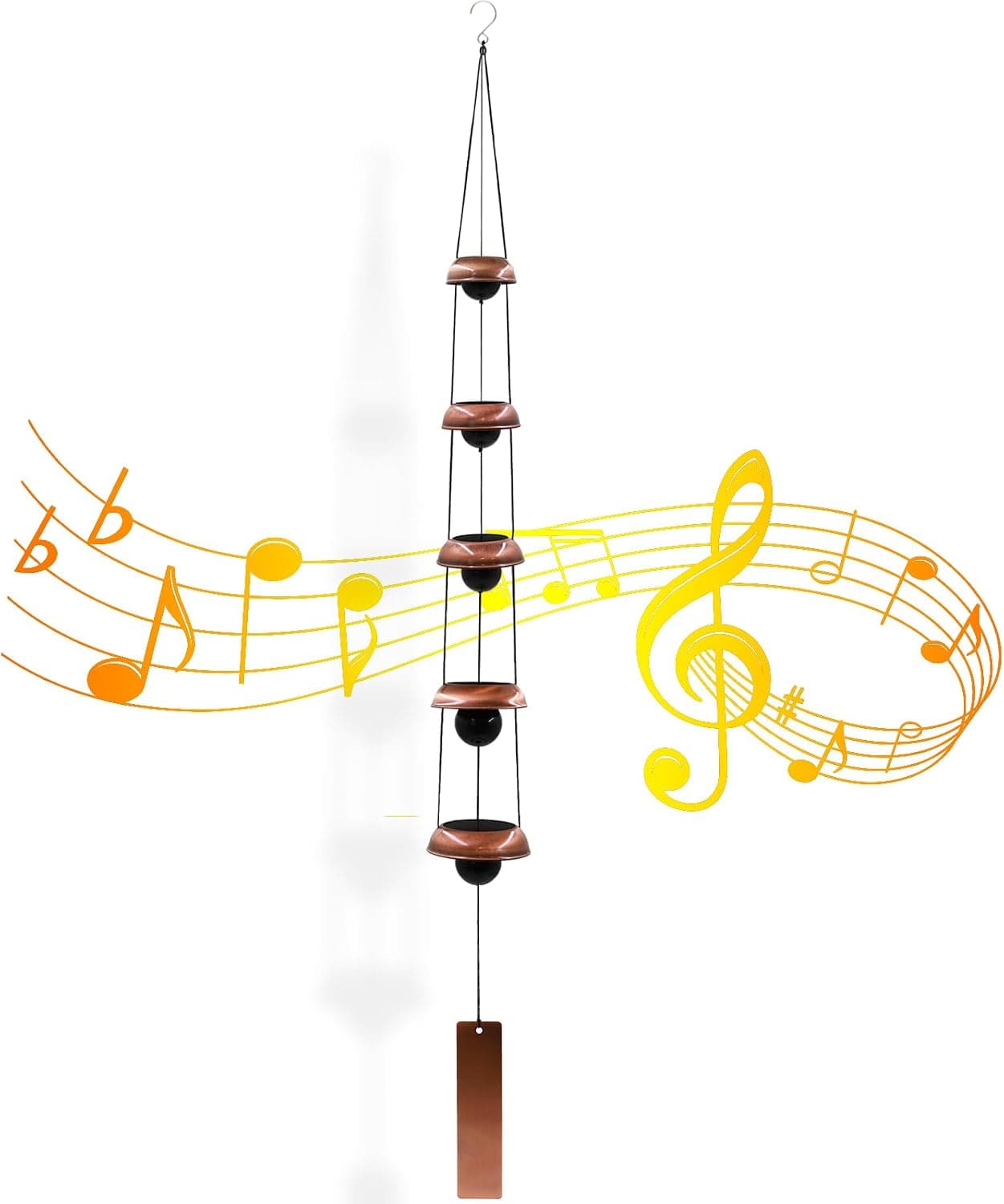
-19%Wind Chimes for Outside with 5 Bell Unique Copper Musical Chimes Feng Shui Wi...
 -5%
-5%YU FENG Evil Eye Money Tree, Blue Feng Shui Decor with Golden Buddha
 -29%
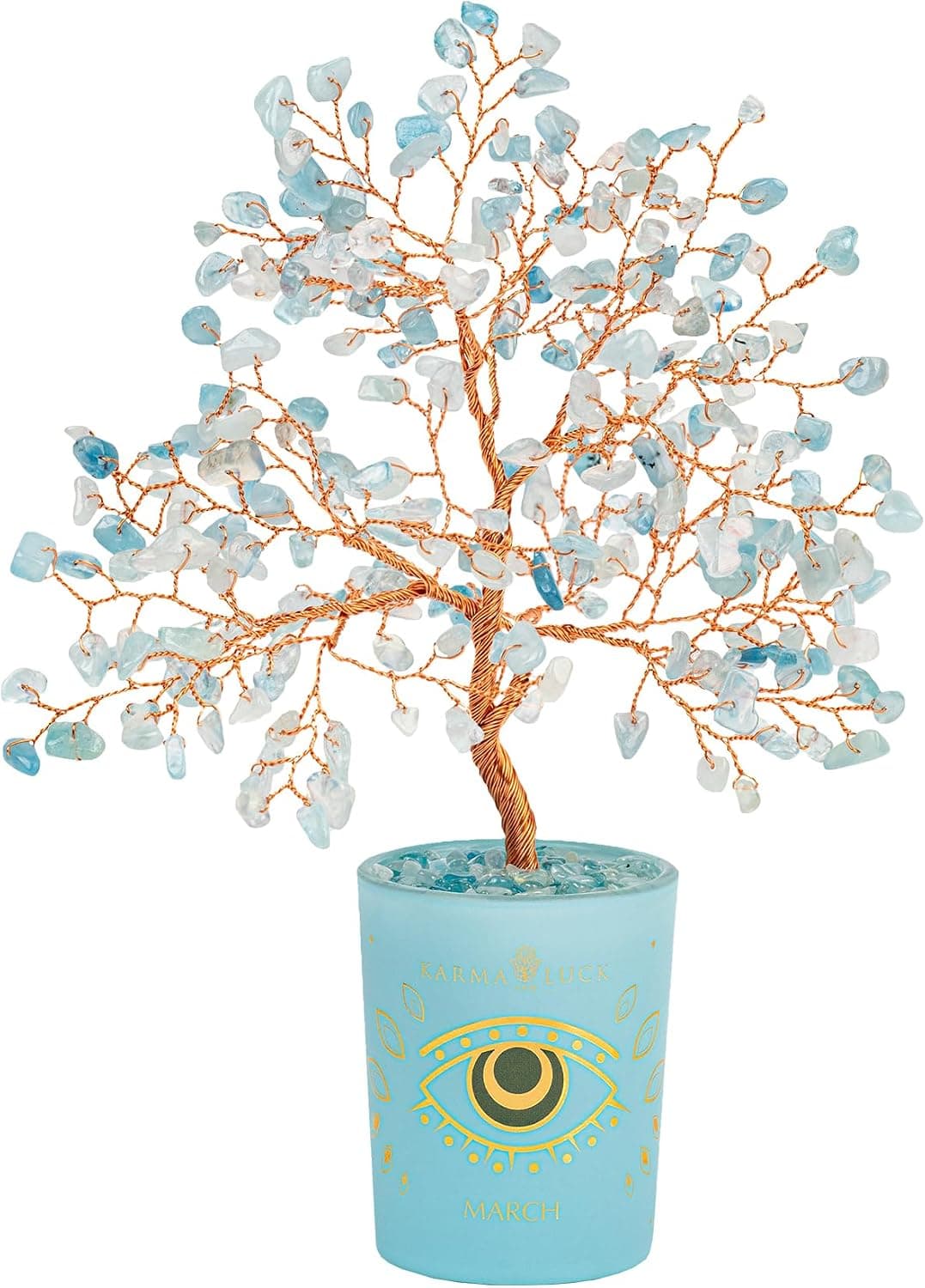
-29%Karma and Luck March Birthstone Crystal Tree of Life, Aquamarine Gemstone Fen...
 -29%
-29%Karma and Luck July Birthstone Crystal Tree of Life, Ruby Gemstone Feng Shui ...
As an Amazon Associate, we earn from qualifying purchases. We only recommend items our practitioners have personally tested.
Continue Your Journey
Explore these related guides to deepen your understanding:


Ready for Deeper Guidance?
Try our free I Ching reading for personalized wisdom, or explore our curated Feng Shui essentials.