A few small pieces of jewelry can support money energy—or quietly muddy it.
Money pieces only work when they have a clear purpose
In my work, the fastest way to weaken a money intention is to turn jewelry into a catchall for everything you own. I once stepped into a boutique office in Atlanta where the owner had three rings, a pale jade pendant, and a chunky bracelet sitting together on a lacquered tray in the reception area. The room was beautiful, but the energy felt indecisive. Every item had meaning, yet none of them had a job.
That is the first thing people miss about the right stones for a specific goal. Jewelry sits close to the body, so it affects the wearer before it ever influences a room. That makes it different from a plant, a bowl of coins, or a decorative statue. It is intimate. It moves with you. And if you choose carelessly, it can scatter your attention instead of supporting it.
Most people think the priciest piece is the strongest one. I’ve seen the opposite more times than I can count. A simple ring worn every day, in the right context, usually does more than a velvet box full of expensive pieces that never leave the drawer.
And yes, jewelry can still matter even when nobody is wearing it. A bracelet on a bedside dish, a pendant placed beside a laptop, or a ring near a cash drawer all send a message. The message has to match the goal, though. That is where the real work begins.
When you need steadier income, choose grounding over flash
If your money tends to arrive on schedule but disappears under stress, grounding pieces are usually the better fit. Jade rings, nephrite pendants, and clean gold bands support steadiness, clearer judgment, and less emotional spending. I suggest them most often for teachers, nurses, administrators, and anyone whose income is reliable but not exactly relaxing.
Wear these on workdays, especially when you are negotiating, budgeting, or making long-term decisions. If you are storing the item instead of wearing it, keep it on a plain ceramic dish in a bedroom drawer or on a clean shelf in your home office setup that supports better decisions. Do not leave it beside loose receipts, keys, or old coupons. That turns a clear signal into clutter.
I saw this very clearly in a narrow apartment in Chicago. My client, a night-shift nurse, kept a jade bangle in a navy velvet box next to perfume samples on her dresser. She told me she was constantly ordering expensive snacks after midnight because she felt too wired to think. We moved the bangle into a white dish inside her closet and asked her to put it on before work. Two weeks later, she laughed and said the late-night shopping app “didn’t have the same pull anymore.”
That was not magic. It was a cue.
If you need more visibility, choose pieces that help you be seen
Not every money problem is about saving. Sometimes the issue is that people simply do not notice you enough. If you sell services, speak publicly, or depend on referrals, your jewelry should look open, warm, and confident. Citrine-style pendants, rose-gold tones, and polished designs with a little lift are strong choices for consultants, coaches, designers, and sales professionals.
Wear them for presentations, networking events, interviews, and content-recording days. If you are not wearing them, place them near the mirror in your entryway or on the table where you film videos and take calls. That works especially well when you connect it to the idea of the front door as your public-facing energy point, because opportunities often start with visibility long before they show up as money.
Do not hide these pieces in a tangled jewelry box with old paper clips and broken chains. That is a common mistake, and it sends exactly the wrong message.
Money likes clarity. So does attention.
When overspending is the issue, slow the hand before it reaches the wallet
Some people do not need more confidence. They need a pause. Heavier silver rings, darker stones, and plain bracelets can help interrupt emotional buying, especially when spending happens out of boredom, loneliness, or stress. I use this approach often with students, creatives, and freelance workers whose income changes from month to month.
These pieces are useful when you are shopping online, traveling, or dealing with family pressure to spend. If you keep them off the body, store them in the bedroom rather than the kitchen or living room. That matters more than people think. The bedroom is where private habits are formed, and the point here is restraint, not display.
Keep the piece away from a cluttered vanity, spilled makeup, and random receipts. A money tool should not look like it is fighting through a mess just to do its job.
I had a retired client in Phoenix who kept a heavy silver ring in a shallow bowl on her nightstand beside a red lamp and a stack of pharmacy slips. She called it her “don’t buy nonsense” ring. Every night at about 10 p.m., she would reach for her phone, see the ring, and put the shopping app away. Simple, but effective.
Family pieces can carry continuity, not just sentiment
Inherited chains, gifted lockets, and family bracelets often matter more than people expect. They hold memory, but they can also hold a sense of continuity, which is useful when you want wealth to feel supported rather than fragile. These are the pieces I suggest for couples setting joint financial goals, adults managing family assets, or anyone rebuilding after a setback.
Keep heirloom jewelry in a protected box or on a special dish in a quiet part of the bedroom. Do not mix it with everyday accessories. If the piece feels emotionally heavy, clean it gently and store it with a fresh cloth before deciding whether to wear it. I’ve learned not to force this step. If a piece feels strained, the person usually feels strained too.
For family wealth work, I like a very plain practice: one minute of silence before paying bills or moving money. No candles, no dramatic ritual, no production. Just a pause. That small break often changes the quality of the decision.
Some pieces are meant to be subtle enough to pass in a boardroom
Not everyone wants jewelry that looks symbolic. In corporate settings, quiet support usually works better. Small gold hoops, a slim chain, a plain band, or a discreet pendant with a stone you personally like can fit the need without drawing comments.
If you are not wearing the piece, keep it near the place where your day starts and ends. A tray beside the bed is good. So is a lined drawer in the bedroom or a clean compartment in a dressing area. If the piece is meant to support career energy, do not toss it into a gym bag or leave it in the car cup holder. Carelessness blunts intention faster than most people realize.
Quiet use is often stronger than dramatic use. I’ve seen that in over 200 homes. The people who create the best results are usually not the ones making the biggest show.
They are the ones repeating the same simple habit.
Quick comparison
| Item | Best for | Price range |
|---|---|---|
| Jade ring | Steady income and calmer spending | $20–$200 |
| Citrine-style pendant | Visibility, sales, and client attraction | $25–$250 |
| Silver ring with a dark stone | Slowing impulse spending | $15–$180 |
| Heirloom bracelet or locket | Family wealth and continuity | $0–$500+ |
| Minimal gold chain or hoops | Subtle daily money support | $30–$300 |
Buy the piece you will actually use
Do not start with a shopping spree of symbolic objects. Start with one item you will wear, touch, or place carefully every day. If your money issue is inconsistency, pick something grounding. If you are under-earning, choose a piece that helps you show up more confidently. If you overspend, choose a piece that slows you down before the purchase.
That is the part people resist. The best support is usually not the flashiest object in the room. It is the one that changes your behavior.
A small placement rule that makes a big difference
Treat jewelry as part of the environment, not as dead decoration. Keep it clean. Keep it contained. Keep it near the habit you want to strengthen. A bracelet for spending restraint does not belong beside gym shoes. A pendant meant for visibility should not disappear under a pile of laundry.
If you already use the bagua, you can match storage to the area connected with your goal. Still, do not overcomplicate it. A tidy bedside tray usually does more than a dramatic ritual you never repeat.
And if you want to compare stone qualities, you can also look at the calming qualities of amethyst in daily life. The point is not to collect more things. The point is to choose the right ones.
FAQ
Can jewelry really affect money luck?
Yes, but not in the cartoonish sense. It changes the way you behave. A ring that reminds you to slow down or a pendant that helps you show up more confidently can alter the decisions you make all day long, and those decisions shape your finances.
Should I wear money jewelry every day?
Sometimes yes, sometimes no. A workday piece can be more effective than an all-day piece if the goal is tied to your job or client interactions. If you wear something just because you feel you should, it can become background noise.
What if a piece feels off?
Put it down and pay attention to that reaction. I’ve watched people keep wearing expensive gifts even when the piece felt heavy or emotionally tangled. Price does not override instinct. Store it separately, cleanse it gently, and revisit it later if you still want to.
Is gold better than silver for money purposes?
They do different jobs. Gold feels more active and outward-facing, while silver feels cooler and more reflective. If you need visibility, gold usually fits better. If you need restraint or calm, silver often makes more sense. Match the metal to the actual problem.
Mei Chen
Traditionally informed guidance • Cross-referenced with classical Chinese source texts
Content draws from both Compass (Luopan) and Form (Xingshi) school traditions. Illustrative examples are composites based on consultation experiences.
Practitioner-Selected Tools for This Topic
Items our team has tested and found effective for the principles discussed above. Individual results may vary.
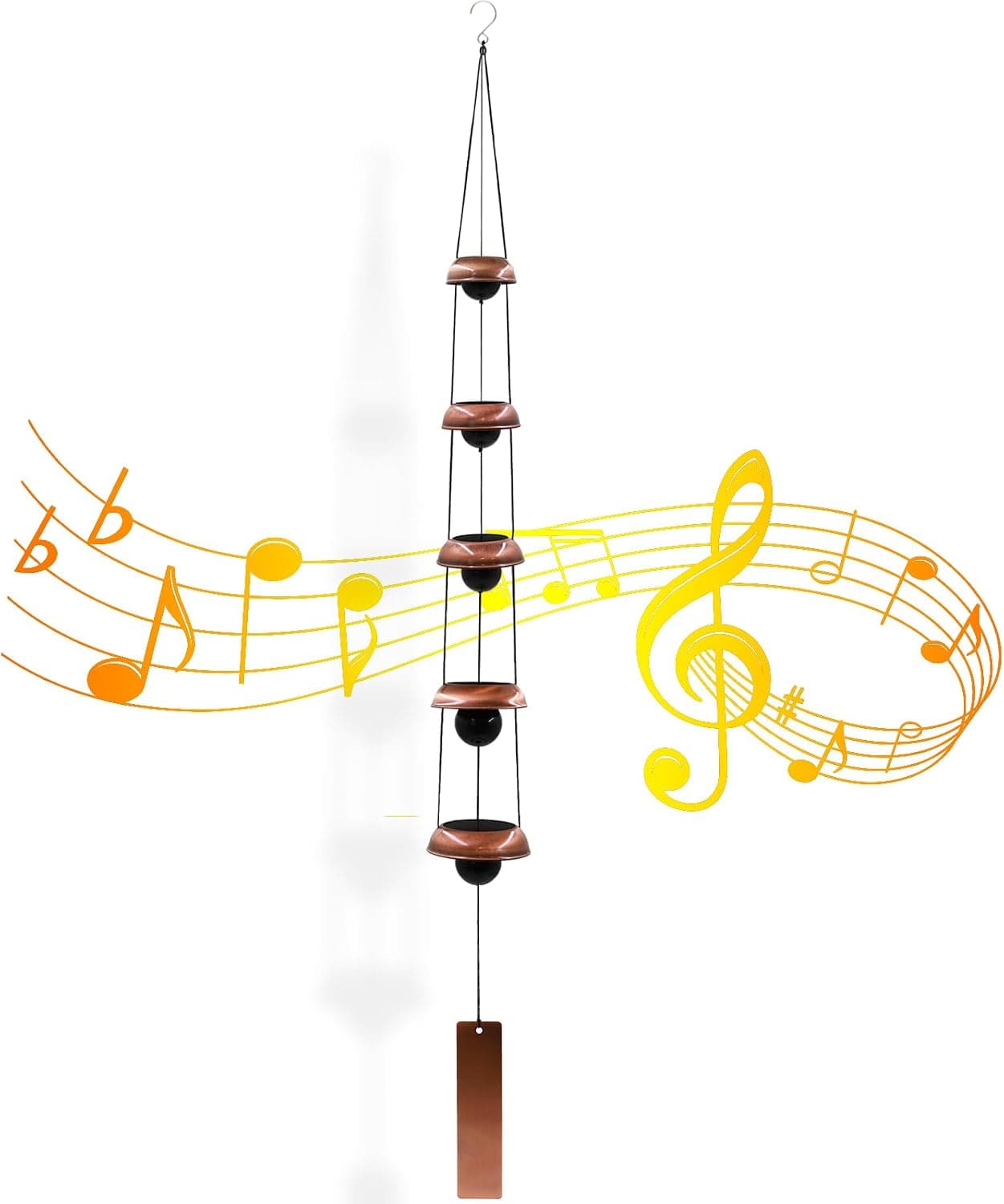 -19%
-19%Wind Chimes for Outside with 5 Bell Unique Copper Musical Chimes Feng Shui Wi...
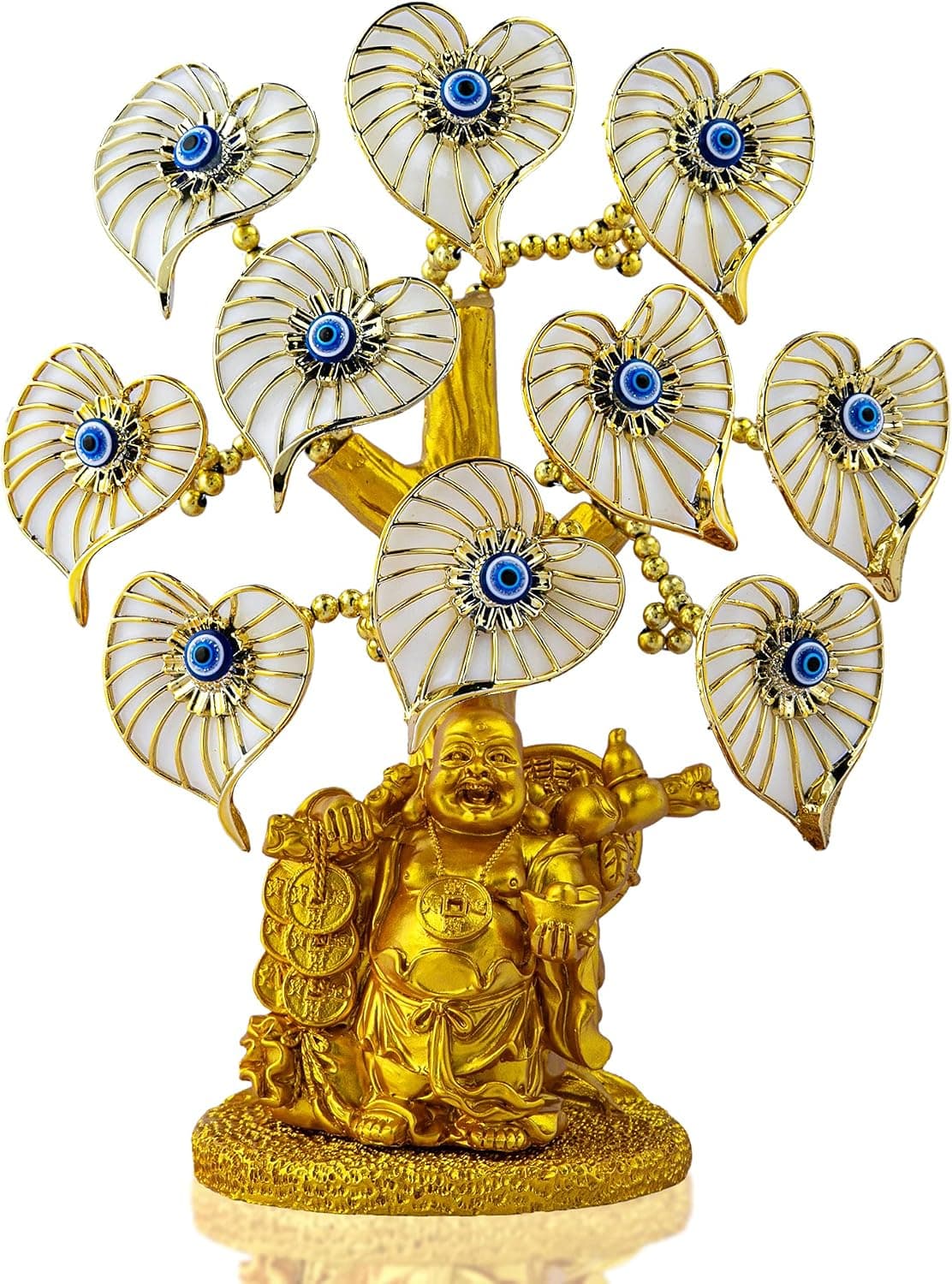 -5%
-5%YU FENG Evil Eye Money Tree, Blue Feng Shui Decor with Golden Buddha
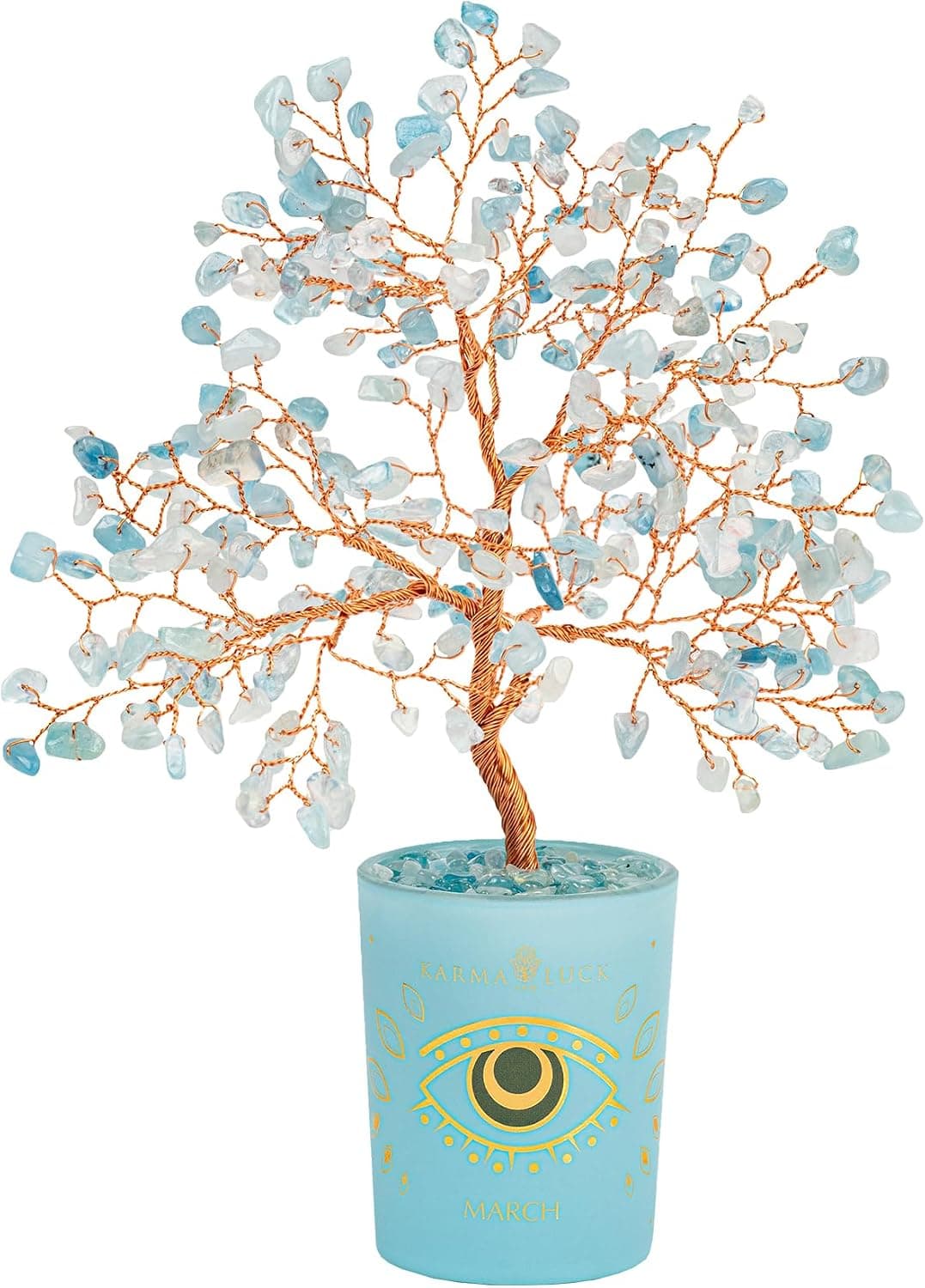 -29%
-29%Karma and Luck March Birthstone Crystal Tree of Life, Aquamarine Gemstone Fen...
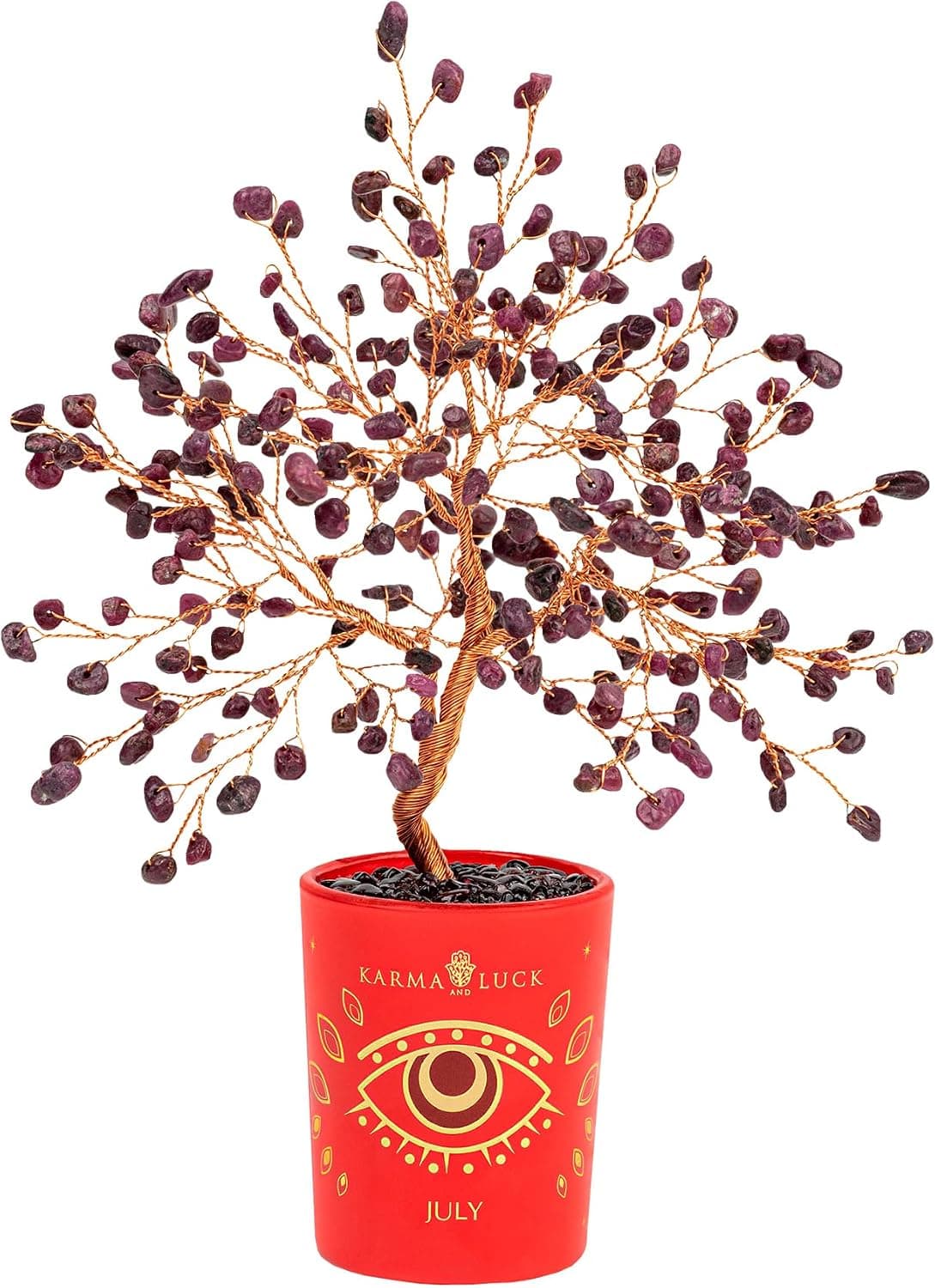 -29%
-29%Karma and Luck July Birthstone Crystal Tree of Life, Ruby Gemstone Feng Shui ...
As an Amazon Associate, we earn from qualifying purchases. We only recommend items our practitioners have personally tested.
Continue Your Journey
Explore these related guides to deepen your understanding:


Ready for Deeper Guidance?
Try our free I Ching reading for personalized wisdom, or explore our curated Feng Shui essentials.