The plant people praise most often fails when the cue, routine, and reward are wrong.
The Hidden Truth About jade plant feng shui
People place it near the cash register, on a sunny sill, or beside a laptop and then act surprised when nothing shifts. I’ve watched that pattern in a narrow entry hall with a glossy white pot, a brass bowl of keys, and one small jade plant pushed two inches from a drafty window; the room looked tidy, but the owner kept losing receipts, skipping invoicing, and feeling oddly distracted every afternoon.
The plant itself was not the problem. The pattern around it was. Cue, routine, reward: that is the real mechanism, and most advice skips straight to the prop without building the habit it is supposed to trigger. A jade plant can cue attention, but only if its placement interrupts a stale pattern and invites a repeatable action.
That is why the common advice sounds neat and still fails. Put it in wealth corner, they say. Fine. But if the pot sits under a pile of mail, beside a dead charger, or on a shelf you never look at, the cue never reaches your body. You do not pause. You do not check your finances. You do not feel the small jolt that says, take money matters seriously without making them frantic.
Common belief loves symbols because symbols are easy. Real change asks for friction, repetition, and a tiny reward you can feel. That's the inconvenient part.
Why the Routine Matters More Than the Leaf Shape
The jade plant works best when it becomes part of a motion you already trust. Water it on the same morning each week. Rotate the pot a quarter turn. Wipe the dust from the leaves with a soft cloth. Then, right there, do the money action that usually gets postponed: open the banking app, review one bill, or move a fixed amount into savings.
That sequence matters because the mind binds objects to actions. The plant becomes a cue, the routine becomes the bridge, and the reward is not mystical fireworks; it is the clean sensation of handling one small thing before it can turn into a mess. In a north-facing study I saw this work with a squat jade plant in a green ceramic pot, placed about three feet from the window and slightly left of the monitor. The owner stopped doom-scrolling at 9 p.m. after seeing the plant, because it had become the visual trigger for a five-minute account check.
One sentence can save you a month of guessing.
Do not hide the pot where you admire it once and then forget it. Put it where you cross the room daily, such as the path from bedroom to kitchen, or on the desk edge where your hand reaches before your phone does. If the plant never interrupts your usual drift, it cannot build a new one. For layout help, the logic in mapping a home without overthinking the bagua gives you a cleaner starting point than random placement.
I've seen people treat jade as decoration and then complain it "did nothing." Of course it did nothing. A lamp that stays unplugged does nothing too. The same problem shows up in homes where the plant is paired with a cluttered shelf, a cracked saucer, or three other objects competing for attention. The eye slides past. The routine dies before it starts.
Why the Usual Advice Persists
Conventional placement survives because it sounds elegant. It is simple to say "wealth corner" and move on. It is harder to admit that the room may be teaching avoidance. A jade plant by itself cannot fix a desk covered with unopened statements, and it certainly cannot compensate for a habit of checking balances only after a fee hits.
The myth also persists because people confuse visibility with function. A glossy plant in the southeast corner feels like progress. A weekly money review feels less glamorous, yet it changes behavior. That gap explains why one home with a jade plant near the front hall felt calm, while another with the same plant on a red sideboard in the living room still had late notices taped to the fridge.
Need a cleaner way to think about it? Ask what the plant is supposed to interrupt. If it is interrupting forgetfulness, place it near the place you drop your bag. If it is meant to support financial follow-through, keep it beside the folder, drawer, or tray where bills gather. If it is only serving as a green object for a room that already feels resolved, it may be ornamental, which is fine, but not transformative.
The surprising part is how often people get the room almost right and the routine completely wrong. They choose the jade, the ceramic pot, the sunlit shelf, and still skip the repeated action that would make the setup matter. That is why wealth corner placement works best as a framework, not a magic trick, and why the companion habit has to be obvious enough to repeat without thinking.
Here's the friction point. If you need to remember to remember, the system is too weak.
How to Set It Up So It Actually Changes Behavior
Start with one cue and one routine. Place the jade plant where your day already turns: beside the kettle, next to the laptop stand, or on the shelf across from the bedroom door if your mornings begin there. Then attach one action to it and only one. When you water it, reconcile your accounts. When you dust it, sort receipts. When you rotate it, move cash from checking to savings. Keep the action short enough that you can do it even on a tired day.
The pot matters more than people expect. A heavy ceramic base reads settled. A chipped container feels neglected and will often be ignored along with the task it is meant to cue. Leave breathing room around the plant; do not crowd it with candles, receipts, or a stack of old mail. That little cleared space is part of the message. It says, "Stop. Look here."
One afternoon in a small apartment kitchen, I set a jade plant on the counter exactly 18 inches from the sink, where the owner always stood waiting for the kettle. The pot was dark green, the leaves were thick, and the surrounding surface was bare except for a single notebook. She began using that pause to review cash flow once a week. Within a month, the late fees stopped because the habit had somewhere to live.
Do you see the difference? The plant was not acting alone. It sat inside a routine, and the routine produced the reward: less dread. That reward matters because the brain repeats what feels easier after the first effort. A small sense of control can be more persuasive than any decorative symbol.
There is also a timing issue. Morning light gives the jade a crisp presence, but the routine can happen at any fixed moment. The point is consistency, not drama. A well-timed habit will outperform a prettier arrangement that you only admire when guests arrive.
For bedroom placement, use caution. A jade plant near the bed can feel too active for someone who already sleeps lightly. In that case, move the cue to a hallway console or a desk in another room. The room's job matters, and the plant should not fight it. If your sleep is already thin, the guidance in turning a bedroom into a sanctuary will do more good than forcing a wealth symbol into the wrong space.
Short version: let the plant mark a behavior, not just a belief.
Common Mistakes That Make the Plant Go Flat
People often buy a jade plant and bury it in clutter because the corner looked auspicious on a chart. That feels logical, yet the mess steals attention and the cue disappears. The result is a home that still feels foggy, plus the practical nuisance of watering a plant you barely notice.
Another common slip is choosing the wrong size for the room. A tiny plant on a long credenza gets swallowed by the surface. A huge specimen in a narrow passage blocks movement and creates irritation. Both mistakes break the link between cue and routine because the object becomes either invisible or annoying.
Some owners place it with dead or dusty items, which drains the scene faster than they expect. A jade plant next to broken pens, cracked mugs, or a dead succulent tells the nervous system that upkeep is optional. Then the bills pile up, the drawer stays jammed, and the plant inherits the same neglect.
People also lean on the plant while ignoring the rest of the room. That is backward. If the desk chair faces a wall of paperwork and the drawer sticks every time you open it, a jade plant can only decorate the problem. Clean the path, clear the surface, and make the action obvious. Anything less turns the plant into background scenery.
One more mistake: overdoing it with other symbols. Two crystals, three coins, a red ribbon, and a jade plant can become visual noise. The mind stops parsing the signals. Simplicity usually wins.
For the placement traps that keep showing up in kitchens and entryways, the threshold problem behind wealth corner mistakes is worth reading. It explains why people often choose the right room and still miss the actual flow.
Where Conventional Advice Is Fine, and Where It Isn't
If the room is already orderly, the plant can sit in the classic southeast sector and do its quiet work. That setup is fine for someone who enjoys symbols and already has a stable routine. The plant adds focus. It does not need to carry the whole house.
But when finances feel scattered, the plant should be tied to behavior first. Put it near the bill tray, the budget notebook, or the charging station where you already reach for your phone. Let it cue a specific action. Once that habit holds, then you can move it to a more traditional spot if you want the symbolic placement as well.
That sequence feels less romantic than the advice on social media, and it works better. The order matters. Cue first. Routine second. Reward last. Skip any of those and you get a pretty plant doing very little.
What if you only want the room to feel calmer? Then the jade plant can still help, as long as the pot is healthy and the surrounding area is clean. Leave it near natural light, away from heating vents, and not jammed into a dead corner. The visual ease of a well-kept plant can lower the sense of strain in a room, even before you connect it to money habits.
Now the controversial part. A jade plant that is alive, visible, and tied to one repeated action beats a "correct" placement that nobody uses. That is the part people do not want to hear, because it moves responsibility back to them.
FAQ
Is conventional jade plant feng shui advice reliable?
Often not by itself. The old placement rules can help, but only if the plant is visible enough to trigger a routine you will actually repeat. Without that, you are decorating a corner and calling it progress.
Where should I put it if I want better money habits?
Choose the spot where money avoidance usually begins. For many people that is the desk, the kitchen counter, or the shelf where mail lands. Put the plant within arm's reach of one task you have been avoiding, and let it cue that task every time you notice it.
Can I keep a jade plant in the bedroom?
You can, but I would not make that the first choice for a light sleeper. Bedrooms should support rest, and an attention-grabbing object can make some people feel subtly "on." A hallway, office, or entry console usually gives the plant a clearer job.
What if my jade plant is healthy but nothing in my life changes?
That usually means the symbol has no routine attached to it. Health helps, but the real shift comes when the plant cues a repeated action, such as checking balances or clearing a financial tray. Without the action, the plant is only a plant.
Do I need to use the southeast corner for it to work?
Not necessarily. A traditional sector can be useful, yet the stronger question is whether the plant interrupts the exact habit you want to improve. A jade plant beside unopened mail can do more for your finances than one in a "correct" corner nobody visits.
Should I pair it with coins, crystals, or red ribbon?
Sometimes that adds clutter more than meaning. One clear cue is usually better than a crowded display, because the eye needs a single point of attention. If the plant already has a job, let it keep the stage to itself.
Sometimes I stand in a quiet kitchen and notice the same thing: the jade plant is healthy, the pot is clean, and the budget still sits unopened beside the fruit bowl. What does that say about the room's real instructions?
Mei Chen
Traditionally informed guidance • Cross-referenced with classical Chinese source texts
Content draws from both Compass (Luopan) and Form (Xingshi) school traditions. Illustrative examples are composites based on consultation experiences.
Practitioner-Selected Tools for This Topic
Items our team has tested and found effective for the principles discussed above. Individual results may vary.
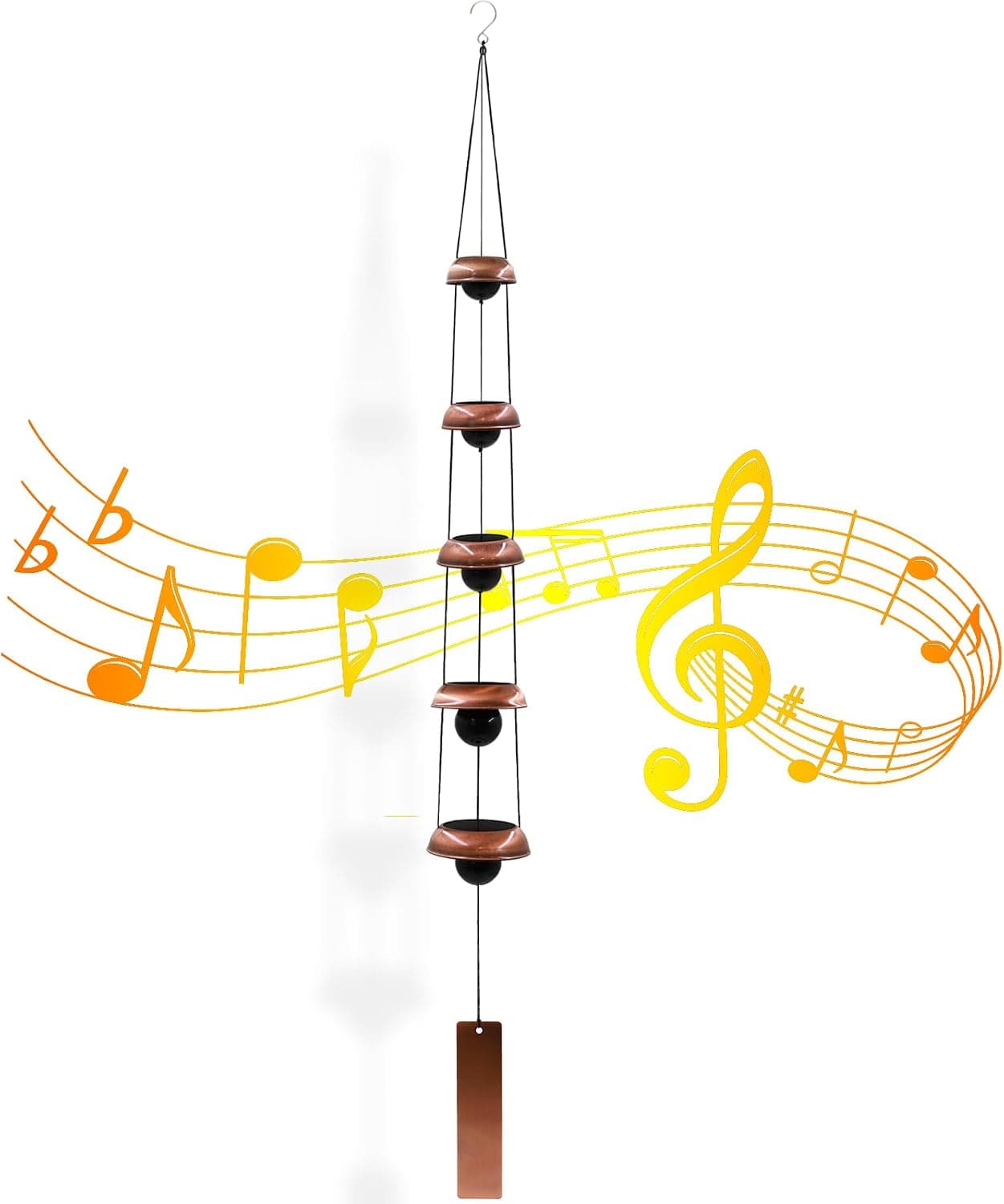 -19%
-19%Wind Chimes for Outside with 5 Bell Unique Copper Musical Chimes Feng Shui Wi...
 -5%
-5%YU FENG Evil Eye Money Tree, Blue Feng Shui Decor with Golden Buddha
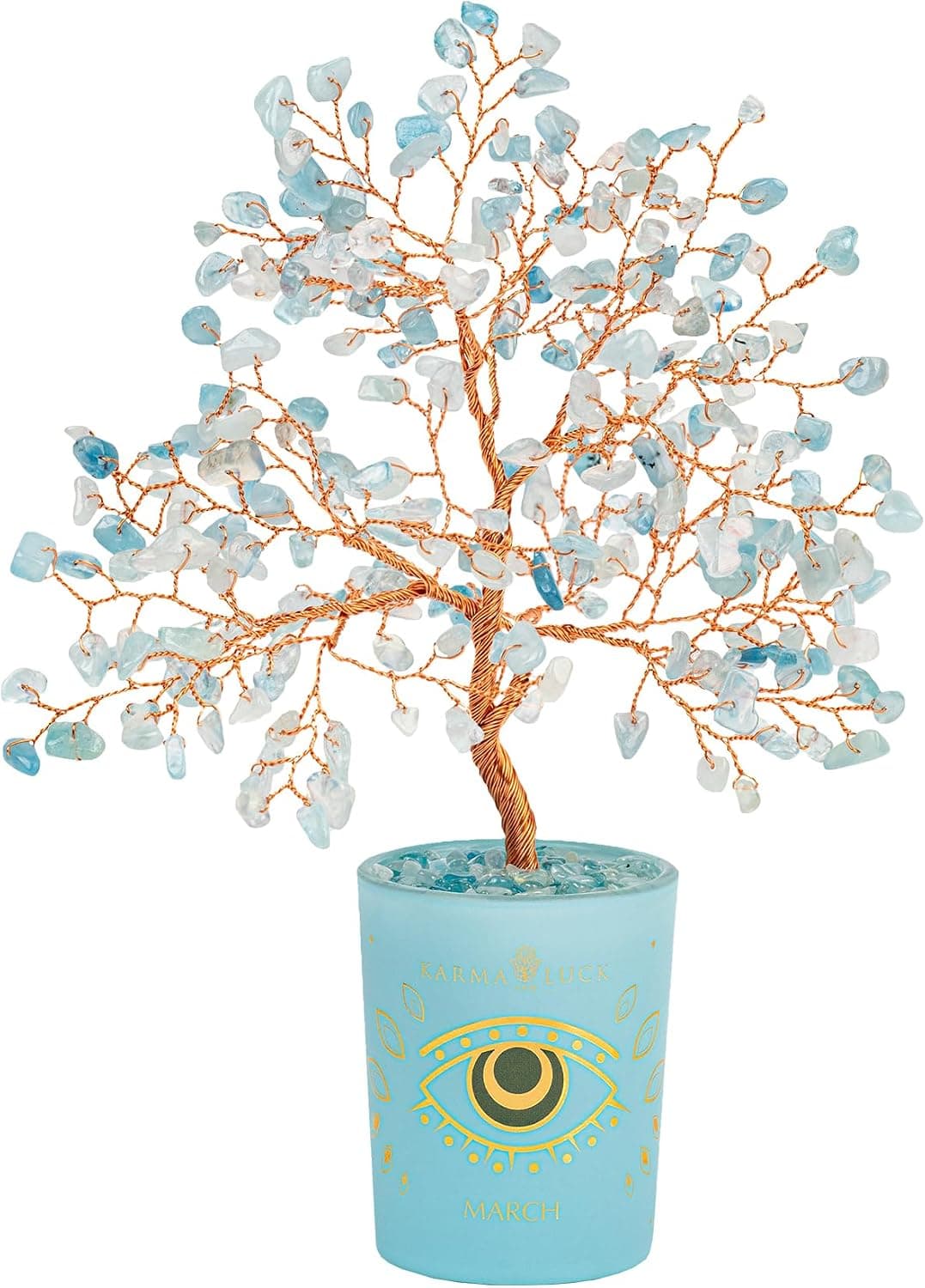 -29%
-29%Karma and Luck March Birthstone Crystal Tree of Life, Aquamarine Gemstone Fen...
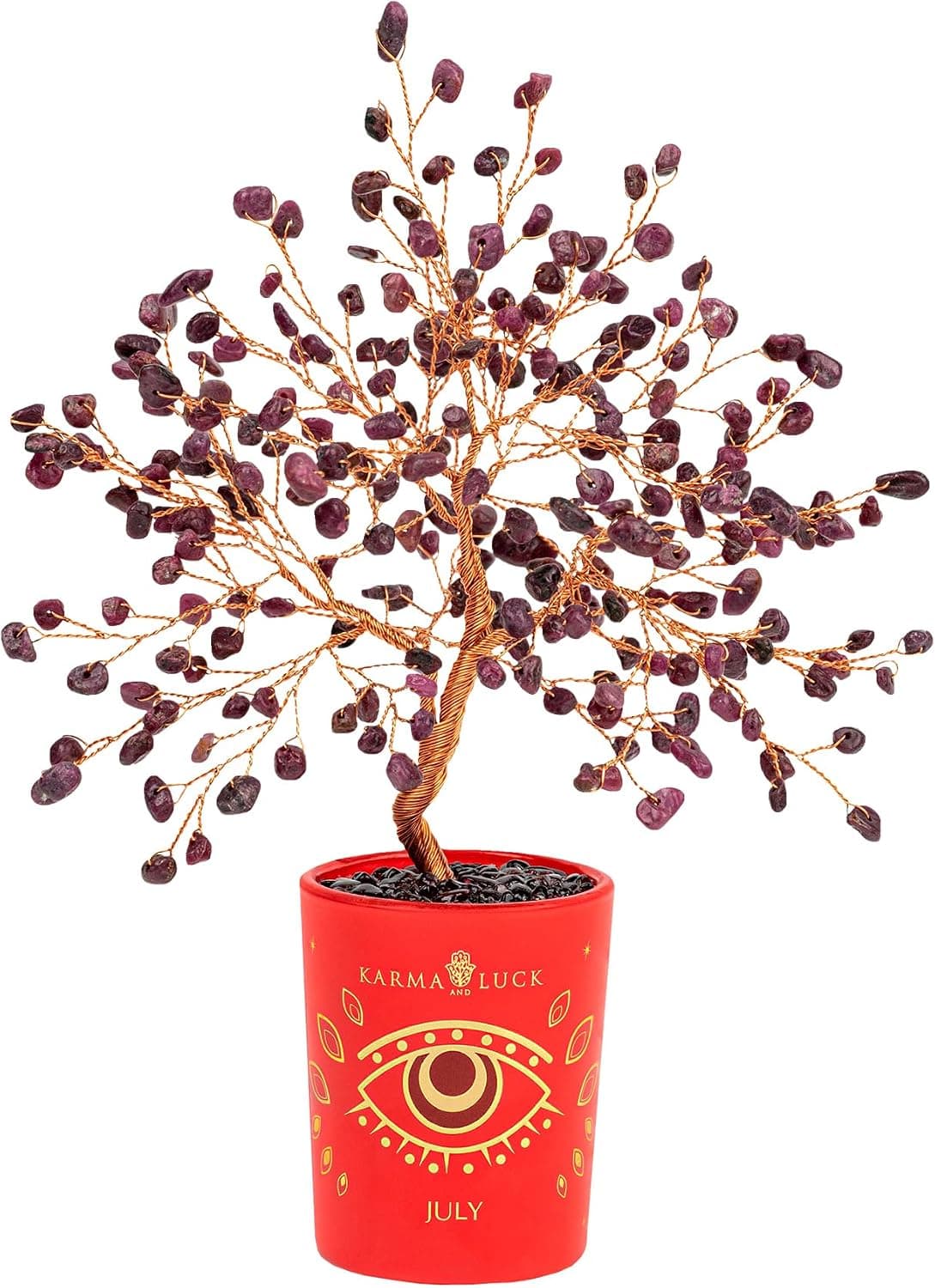 -29%
-29%Karma and Luck July Birthstone Crystal Tree of Life, Ruby Gemstone Feng Shui ...
As an Amazon Associate, we earn from qualifying purchases. We only recommend items our practitioners have personally tested.
Continue Your Journey
Explore these related guides to deepen your understanding:


Ready for Deeper Guidance?
Try our free I Ching reading for personalized wisdom, or explore our curated Feng Shui essentials.