The alcove is where jade either settles a room—or sits there looking expensive and doing nothing.
Beyond the Surface of Feng Shui Jade
The conventional thinking on Feng Shui Jade has a fundamental flaw.
I walked into a narrow entry alcove in a Queen Anne flat on a wet Tuesday morning and found a pale green pendant hanging from a brass hook, exactly at eye level, right beside a stack of umbrellas and a shoe rack with six pairs jammed in crookedly. The owner had followed every glossy rule she found online: crystal near the door, jade for protection, no clutter in the path. Yet she was still missing deliveries, arguing with her partner over trivial things, and waking at 3:10 a.m. with her jaw clenched. The problem wasn't the jade. It was the alcove.
Recessed spaces behave differently from open rooms because they don't move qi the same way. They collect, compress, and echo. Put a stone there without reading the enclosure and you can create a little pocket of stillness that turns heavy, not nourishing. Wrong.
Most advice treats every object as if it were floating in space. In real homes, the walls, the depth, the height of the recess, and what spills into it matter more than the object itself. A jade piece placed two feet back in a shallow alcove can act like a stabilizer; the same piece shoved into a dark niche beside mail, cords, and a dead battery becomes a visual anchor for stagnation. That is why common advice feels incomplete. It ignores the machine around the stone.
How the alcove changes the mechanism
Start with the shape. A recess creates a pressure difference: movement slows at the threshold, then gathers in the pocket. In classical terms, the space has more containment than release. That can be useful if the area is already chaotic, because jade has a cool, steadying quality that can soften sharp movement and reduce the feeling of being rushed the second you walk in. It can also backfire because containment without circulation becomes drag.
Then comes light. A bright alcove near a north-facing wall behaves differently from a dim recess beside a pantry. Light changes how the green reads to the nervous system. I have seen a soft celadon disk calm a foyer because daylight from the side window hit it for three hours each morning. I have also seen a carved stone plaque in a windowless hallway make the place feel like an abandoned corridor, which is not the mood anybody wants near the front door. Not even close.
Finally, the nearby objects matter. Jade beside shoes and coats does one job; jade beside receipts and old chargers does another. The first tells the nervous system, "settle and leave the day outside." The second says, "unfinished business lives here." People underestimate that signal. They think they are decorating. They are actually programming a threshold.
That is why the alcove advantage exists at all. Recessed spaces can become holding chambers for intention, but only if they are edited like functional architecture, not treated like a souvenir shelf. The stone works because it gives the eye something coherent to land on, and the room responds because the mind stops bracing at the entry point.
Where jade helps, and where it quietly fails
Use jade when the alcove already has a structural job: buffering a busy entry, softening a sharp corridor, or marking a transition between public and private space. A small, smooth piece at the back wall of a shallow recess can create a sense of calm before the rest of the home reveals itself. That matters in apartments where the front door opens straight into the living room and there is no foyer to speak of. Mapping the home without forcing meaning onto every corner helps you see why that transition point matters more than people admit.
Don't use jade just because a niche is empty. Empty is not a problem. Empty is often mercy. If the recess is already crowded, dark, or used for storage, adding jade can turn it into a shrine to clutter. I once saw this in a rented townhouse office: a gray alcove packed with printer paper, a dusty router, and a green jade bowl that the owner had bought after reading a wealth article. She sat there every afternoon with a tightening chest and an odd sense that work would never finish. The bowl wasn't cursed. The context was suffocating.
Placement has to respect function. In a hallway alcove, keep the stone visible from the approach but not touching the threshold line, because you want the eye to register the space before the body enters it. In a bedroom recess, the logic changes; there, jade should usually be quieter, farther from the pillow, and never competing with mirrors or bright metal. If your alcove sits near the bed wall, read how a bedroom becomes a sanctuary without overfilling it before you put anything permanent in that niche.
Color matters more than marketing. Deep emerald can feel assertive in a wide entry, while pale green or even white jade reads gentler in a narrow recess. The wrong shade can make a small pocket feel visually dense, especially if the walls are already warm-toned or the trim is dark. That density is what people experience as "stuck," though they rarely name it that way.
And yes, the object itself should match the scale of the space. A huge carved cicada on a six-inch shelf looks theatrical, not supportive. A thumb-sized bracelet bead on a narrow ledge can be too small to hold visual weight. The body notices balance before the mind has a chance to explain it.
The mechanism step by step
First, the alcove receives. It collects the first wave of attention at the boundary of the room, which means whatever sits there shapes the emotional tone of arrival. If the object is coherent, the mind relaxes because it has a point of rest. If the object is awkward, the mind keeps scanning.
Second, jade filters the pause. Its stone quality reduces visual noise, and in feng shui terms that matters because the entry is already a transition zone. A transition zone should not shout. It should settle the pace. Jade can do that if it is placed where the light can catch it and the surrounding surfaces are tidy enough for it to register as deliberate rather than accidental.
Third, the recess amplifies whatever message is there. This is the part people miss. A niche is an amplifier, not a fix. If the message is calm, the room gets calmer. If the message is delay, unfinished work, or hidden storage, the same recess turns the object into a witness to stagnation. The home starts to feel like it has a held breath.
Four, the body responds. People don't walk past an entry alcove and think, "Ah, qi has pooled here." They feel the consequence. They set their keys down more neatly. They stop dropping letters on the bench. Or, in the bad version, they rush in, toss bags to the floor, and leave the space untouched for weeks because it feels mildly off. Those are not small details. Those are behavioral loops.
This is where common beliefs get a little childish. Some readers want jade to rescue a poor layout by itself, as though a stone can negotiate with bad storage habits and a cramped footprint. It cannot. The object supports the space; it does not erase it.
What people do in recessed spaces that backfires
They place jade beside clutter because they think natural material can "balance" mess. That feels sensible. It isn't. The visual field stays noisy, and the stone becomes one more item competing for attention, which tends to produce fatigue instead of ease. A messy alcove with a jade dragon and three old packages doesn't read as auspicious; it reads as postponed decisions.
They hang jade too close to the door swing. The logic seems fine: greet the home with protection. But if the door strikes the air near it, or the piece moves every time someone passes, the space never settles. Movement where you want settling creates friction, and friction shows up fast in shared homes as irritability and slammed drawers.
They use ornate pieces in tiny recesses. Big mistake. A carved object with deep shadows can swallow a narrow niche and make the wall feel even more constricted. In that case, the alcove doesn't hold the stone; the stone consumes the alcove.
They ignore the direction of the recess. A north or east-facing niche often handles cool-toned jade better than a harsh west-facing one that already catches late sun and turns hot by evening. The physical sensation changes. Some homes feel crisp and clean in the morning, then prickly at sunset because the alcove light hits the piece at the wrong angle. People call that "bad energy" because they lack a better word, but the mechanism is plain enough.
They also forget cleaning cycles. Dust on a stone sitting in a recess is not trivial. It dulls the reflection, deadens the surface, and makes the whole pocket look neglected. A stone cannot compensate for a layer of neglect. I've seen a tiny alcove in a San Francisco hallway go from almost luminous to vaguely sad in two weeks because nobody wiped the shelf under the key tray.
The fix is not more items. The fix is subtraction, then one clear signal. If the alcove needs to hold jade, let it hold jade with room to breathe. If it needs to stay empty, let it stay empty and do its quieter work.
How to adjust an alcove without overthinking it
Begin by clearing everything out. Yes, everything. Then stand at the room entrance and ask yourself what the recess does to your eyes: does it pull them in, stop them, or disappear? That answer tells you whether the niche wants a calm object, a brighter surface, or no addition at all.
Choose jade with a job. A small carved piece suits a narrow wall recess where visual weight matters more than size. A smooth disc or polished bracelet stone works better on a shallow ledge because it won't overcomplicate the line of the wall. Keep it simple if the alcove already sits in a busy part of the home. Complicated in a tight space turns into pressure.
Place it slightly back from the front edge, not flush with the opening, so the object reads as anchored rather than precarious. In a family entry, pair it with one practical item—perhaps a tray for keys or a low bowl for outgoing mail—so the space performs a real task instead of becoming a stage. One task. That's enough.
Pay attention to what happens over the next week. Do people slow down pleasantly when they arrive, or do they bypass the alcove and dump everything elsewhere? Do shoes stay aligned, or do they start scattering again? The home tells you the result long before any theory does. That feedback loop is the real teacher.
For readers trying to understand the larger system, the alcove is only one part of a home's map. It interacts with the bagua, the room's element balance, and the circulation pattern from door to center. If the whole layout feels contradictory, study why the center of a room changes everything around it and then compare it with how the five elements can make a correct setup feel wrong. The alcove does not operate in isolation.
There is also a psychological layer. A good recess tells the mind that the house has a threshold and the threshold matters. That tiny message can reduce the scatter that follows people from work to home to bed. It sounds subtle because it is subtle. Subtle is not the same as weak.
When the alcove should stay empty
Not every recess wants jade. Some spaces are already doing enough by being quiet, and adding a stone would crowd the composition. If the alcove is very shallow, very dark, or used as a pass-through for coats, bags, and deliveries, let it stay practical rather than ceremonial. A clean line and a clear shelf often do more than a decorative gesture.
Oddly enough, an empty alcove can improve a home's rhythm when the rest of the entry is visually busy. People forget that absence can function as relief. The eye needs rest points. A niche with nothing in it can be the rest point.
That is the part that surprises most people. They want to add. They almost never want to subtract. Yet the homes that feel easiest to live in usually have fewer signals, not more.
FAQ
Is conventional Feng Shui Jade advice reliable?
Often no, because it assumes the object matters more than the container. A jade piece in a cramped, dark, or cluttered recess can amplify that mess instead of improving it. Look at the alcove first, then decide whether the stone has a sensible role there.
Can a recessed entry really affect the whole house?
Surprisingly, yes. The entry is the first compression point, so whatever happens there shapes how people cross the threshold, set things down, and move into the rest of the home. I have watched a single alcove change whether a family arrives calmly or starts the evening already irritated.
What if I already bought a jade object?
Then test it in the alcove for three days with no other changes. Remove clutter, wipe the shelf, and place the piece where daylight or lamplight can reach it without glare. If the space feels calmer and more organized, keep it; if the niche feels heavier, move the object elsewhere or let the alcove stand on its own.
Should I use bright green or pale jade?
Choose by depth and light. Deep green can hold its own in a wide, bright recess, while softer tones tend to behave better in narrow or dim ones. The wrong shade doesn't just look off; it can make the space feel denser, especially at dusk.
Do recessed spaces need cures at all?
Not always. Some alcoves work best as breathing room, and forcing a cure into them creates more visual pressure than benefit. The better question is whether the niche supports movement, reception, or rest in the first place.
Where should I look next if my alcove still feels wrong?
Check the path from the front door to the center of the home, then compare it with the bedroom and living room placements. A single recess can be fine while the larger layout is pulling energy in three different directions. That mismatch is often the real problem, and the alcove only exposes it.
On a rainy afternoon, the jade in that Queen Anne entry was moved two feet inward, the umbrellas were taken out, and the white shelf was wiped clean. By evening, the hallway looked almost spare, and the strange tension that had been hanging near the door had thinned enough that you could hear the wood floor creak when someone crossed it. The alcove didn't become magical. It just stopped arguing with the house. What else in your home is doing the same thing?
Mei Chen
Traditionally informed guidance • Cross-referenced with classical Chinese source texts
Content draws from both Compass (Luopan) and Form (Xingshi) school traditions. Illustrative examples are composites based on consultation experiences.
Practitioner-Selected Tools for This Topic
Items our team has tested and found effective for the principles discussed above. Individual results may vary.
 -19%
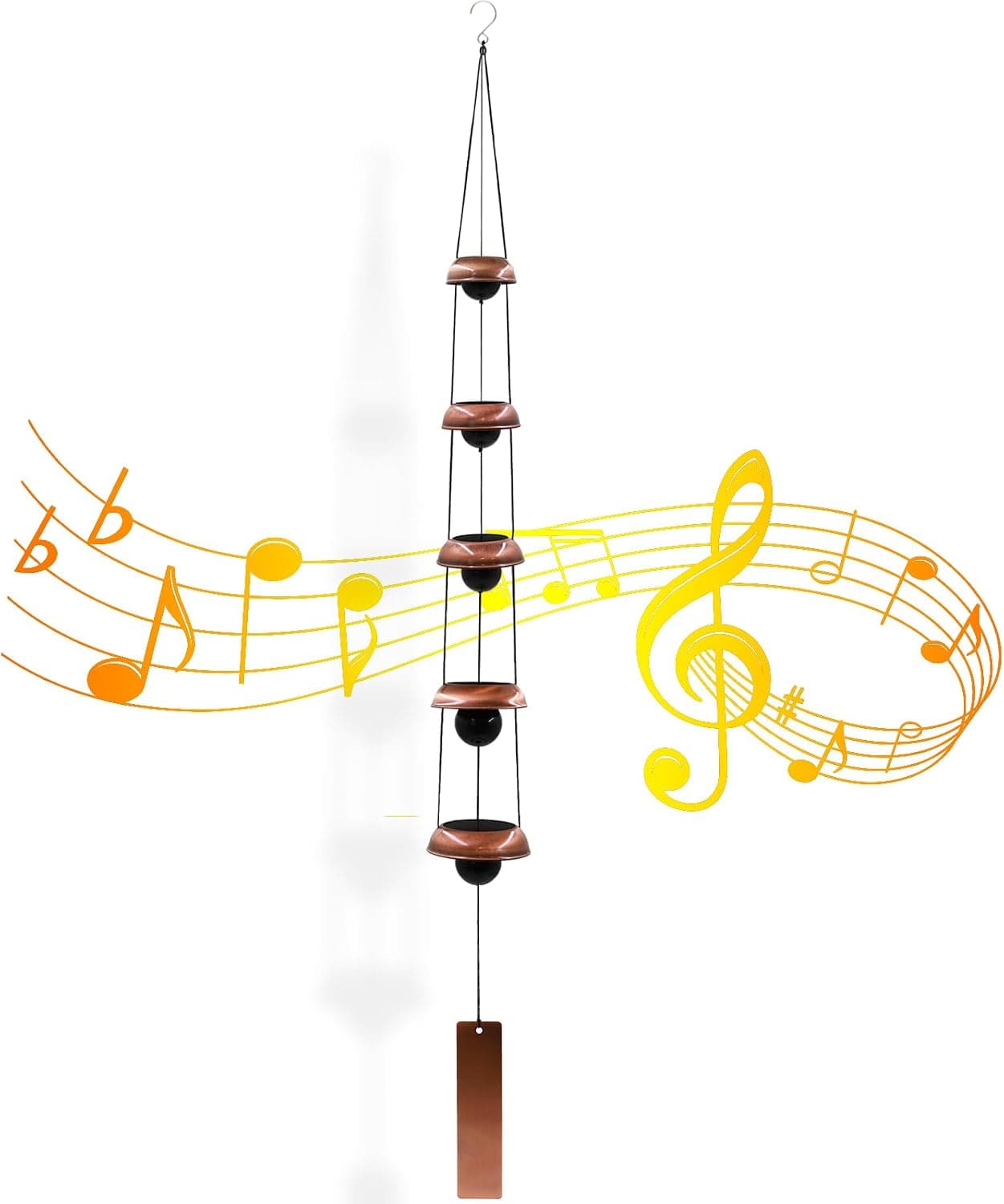
-19%Wind Chimes for Outside with 5 Bell Unique Copper Musical Chimes Feng Shui Wi...
 -5%
-5%YU FENG Evil Eye Money Tree, Blue Feng Shui Decor with Golden Buddha
 -29%
-29%Karma and Luck March Birthstone Crystal Tree of Life, Aquamarine Gemstone Fen...
 -29%
-29%Karma and Luck July Birthstone Crystal Tree of Life, Ruby Gemstone Feng Shui ...
As an Amazon Associate, we earn from qualifying purchases. We only recommend items our practitioners have personally tested.
Continue Your Journey
Explore these related guides to deepen your understanding:


Ready for Deeper Guidance?
Try our free I Ching reading for personalized wisdom, or explore our curated Feng Shui essentials.