A few bad room connections can stall a home’s energy more than any unlucky object ever will.
When the house feels off, the layout is usually the first culprit
I've walked into homes that looked polished on the surface and still felt strangely exhausted by the front hall. The furniture was expensive, the art was thoughtful, and yet people kept arguing, sleeping badly, or working too late for no clear reason. That is usually not a crystal problem. It is a circulation problem.
The structure of a home either supports qi or scatters it. A strong feng shui house layout does not need perfection, but it does need clarity: clear entry, usable centers, balanced rooms, and no major collision points where energy gets trapped or flung around. People often try to fix a house by adding objects. I rarely start there. I start by reading the shape of the home like a map.
If you want the deeper method, begin with the outer shell: where qi enters, where it slows, and where it leaks. Then study how each room speaks to the next. A beautiful bedroom attached to a chaotic hallway can still sleep badly. A bright kitchen can still drain the family if it opens into a long corridor that feels like a runway. Layout beats decor.
One architect I worked with in Seattle had a narrow townhouse with a sharp stair straight in view of the front door, a black runner in the hall, and a pale gray sofa pushed against the living room wall like it was apologizing for existing. He could not understand why the home felt tense. We changed the entry sightline, moved the sofa to anchor the room, and softened the hallway. Within two weeks, he said the house felt quieter at night and the dog had stopped pacing at the stairs.
That is the part people miss. You are not just arranging rooms. You are guiding movement.
The framework: entrance, center, and room relationships
Start with the front door, because that is where the house breathes. In classical practice, the entrance sets the tone for everything that follows. A door that opens into clutter, dead space, or a direct blast toward a back window makes qi rush through too quickly. You may as well have left the conversation before it started. For a deeper breakdown of entry energy, see how to read your front door in feng shui.
Next, locate the center of the home. Many Western homes treat the middle like leftover space, but in feng shui it acts like the axle of the wheel. If the center is crowded with storage, blocked by a staircase, or ignored entirely, the rest of the home feels less stable. The fix is not mystical. It is structural: keep the center lighter, cleaner, and visually calm so the home can distribute energy more evenly.
Then look at room relationships. Bedrooms should not be overexposed to noise and motion. Work areas should not sit in the most emotionally charged part of the house. Kitchens, living rooms, and circulation paths each have different jobs, and when you make one room do three jobs badly, the whole layout starts fraying. That is why a basic understanding of the bagua map and room functions helps you place priorities correctly.
One sentence can save you hours: do not force every room to be equal. Some rooms should receive activity; others should receive rest. Some should hold gathering energy; others should hold focus. When the layout respects those differences, the house starts cooperating instead of resisting.
There is also a simple test I use in nearly every home. Stand in the entry and ask whether your eye travels smoothly or jerks from object to object. Then stand in the center and ask whether the rooms around you feel connected or isolated. A good layout gives you gentle transitions. A poor one makes your body brace.
How to read a home without getting lost in theory
Begin with the main traffic path. In many homes, the path from the door to the kitchen, living room, and bedrooms becomes a hidden river that determines how everything feels. If that route is narrow, cluttered, or lined with harsh angles, the home can feel impatient. If it is too open and undefined, energy can become lazy and scattered. You want movement, not chaos.
Then check where the eyes rest. A hallway that ends in a blank wall can feel abrupt; a room that opens onto a window with no anchor can feel unfinished. I often recommend a console table, a lamp, or a piece of art to create a stopping point, not because the object is magical, but because the brain relaxes when the space has a clear endpoint. That relaxation matters. A home that lets the mind settle tends to support better decisions and less friction.
Pay attention to the kitchen, because food and daily rhythm are tightly linked. If the kitchen is separated from the rest of the home by a long dark corridor, people often report feeling disconnected from meals or too rushed to cook. If the stove is crammed into a corner with no visual balance, the room can feel hot, reactive, and oddly tense. A well-planned kitchen does not shout. It organizes.
Bedrooms need different rules. They should feel contained, not exposed. A bed aligned directly with the door can leave people feeling too alert, even if they do not know why. A room that shares too many visual lines with bathrooms, closets, or busy corridors can also feel restless. For more room-specific positioning, I recommend checking bed placement principles for restful sleep and comparing them with the actual shape of your room.
The living room is where many houses succeed or fail socially. If seating is pushed against the walls with a giant empty center, conversation tends to feel formal and distant. If the seating cluster is too tight, people feel crowded. I prefer layouts that create a loose circle or L-shape, so bodies can face one another without forcing intensity. See living room balance and seating flow if your main gathering space feels awkward.
Here is a practical sequence I use. First, remove visual interruptions at the entry. Next, clear the central spine of the home. Then make the main rooms easier to read by separating rest, work, and social zones. After that, adjust the furniture so movement feels natural rather than dodged. Only then do you add enhancements. The order matters. People love cures. Layout is the cure.
If you want an even cleaner interpretation, think in terms of pressure and release. Tight spots create pressure. Openings create release. Too much pressure at the door, stairs, or hallway sends the home into defensive mode. Too much release in the center or bedrooms makes the home feel thin. Good design balances both so qi moves with purpose.
What to change first in a real house
Start where the house meets the outside world. If the door opens straight into a cluttered view, fix that before you touch anything else. A mat, better lighting, one grounded object, or a clearer line of sight can change the feel of the entire entry. This is the cheapest correction with the biggest return.
After that, clear the center. Box storage in the middle of the house, too many small stands, and random furniture islands all break the natural flow. I once saw a family in a Denver duplex keep an exercise bike, two folding chairs, and six Amazon boxes in the center landing between the kitchen and stairwell. They complained the house felt chaotic. Of course it did. Once those items moved to a proper storage area, the middle of the home finally stopped acting like a traffic jam.
Then check the longest sightlines. If your view from one room into the next is full of hard edges, bright glare, or competing focal points, soften it. A curtain, a lamp, a plant, or a shifted chair can restore rhythm. This is where the right greenery for a calmer flow can help, especially in transition zones, but only after the layout itself is working.
Finally, look at the rooms that carry the heaviest emotional load. Usually that means the bedroom, the kitchen, and the main gathering space. If those three are arranged badly, the home will keep asking you for more effort. If they are arranged well, they support you quietly. You notice it most at the end of the day, when you walk in and your shoulders drop without permission.
One sentence is enough here: stop decorating around a bad plan. Fix the plan.
Common mistakes that sabotage a layout
One mistake is treating the bagua like a wall sticker instead of a spatial tool. People place remedies in a corner and ignore the fact that the room shape is the real issue. If the home’s circulation is broken, a symbolic cure can only do so much. That is why layout always comes first.
Another common error is overfilling the middle of the house with furniture or storage. I see this in houses where every flat surface becomes a landing zone for mail, shoes, or decor. The center is supposed to help the home distribute energy, not act like the catch-all drawer. If your home feels restless, check the middle before buying more objects. For a broader look at placement errors, read common room-setup mistakes in focused work areas.
And no, a “minimalist” room is not automatically good feng shui. A bare room can be just as disordered if the flow is awkward and the proportions are off. Empty is not the same as balanced.
FAQ
How do I know if my house layout is the problem?
Look for repeating friction. If people argue in the same places, avoid certain rooms, or feel tired in one area every day, the layout may be amplifying stress. The pattern is usually more reliable than a single bad day.
Should I use the bagua map before changing furniture?
Use it as a reading tool, not a substitute for common sense. The map helps you understand which areas carry what kind of life theme, but furniture placement and circulation still decide how the space actually functions.
Can crystals fix a poor floor plan?
They can support a room, but they cannot redeem a broken path of movement. Surprising as it sounds, the fastest improvement usually comes from moving a chair, clearing a corridor, or correcting a door-to-window rush before adding any cure.
What if I live in a rental and cannot renovate?
That is normal, and it is not a dead end. You can still improve sightlines, clear central clutter, reposition furniture, and soften harsh transitions with light and fabric. Rentals often respond very well to these small but intelligent changes.
Mei Chen
Traditionally informed guidance • Cross-referenced with classical Chinese source texts
Content draws from both Compass (Luopan) and Form (Xingshi) school traditions. Illustrative examples are composites based on consultation experiences.
Practitioner-Selected Tools for This Topic
Items our team has tested and found effective for the principles discussed above. Individual results may vary.
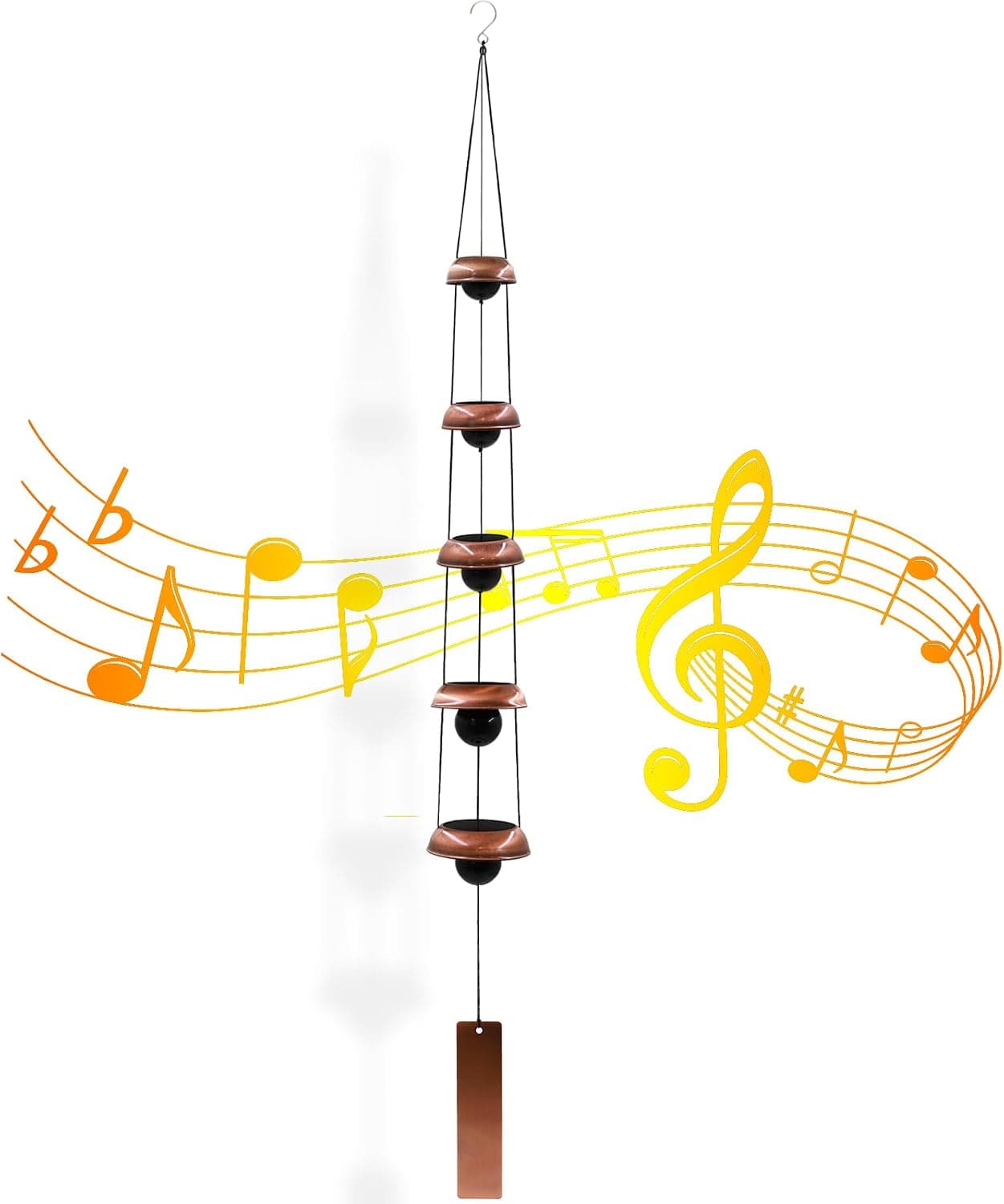 -19%
-19%Wind Chimes for Outside with 5 Bell Unique Copper Musical Chimes Feng Shui Wi...
 -5%
-5%YU FENG Evil Eye Money Tree, Blue Feng Shui Decor with Golden Buddha
 -29%
-29%Karma and Luck March Birthstone Crystal Tree of Life, Aquamarine Gemstone Fen...
 -29%
-29%Karma and Luck July Birthstone Crystal Tree of Life, Ruby Gemstone Feng Shui ...
As an Amazon Associate, we earn from qualifying purchases. We only recommend items our practitioners have personally tested.
Continue Your Journey
Explore these related guides to deepen your understanding:


Ready for Deeper Guidance?
Try our free I Ching reading for personalized wisdom, or explore our curated Feng Shui essentials.