Your home may feel “off” because the direction is working against your goals, not because you need more cures.
When a house feels wrong, the direction is often the first clue
I walked into a narrow Victorian hallway one winter and knew, before the owner said a word, that the house was fighting her. The entry faced a cold northwest wind, the front rug was gray, and every room seemed to drain the moment you stepped in. She had changed the sofa twice, bought new lamps, and still felt restless at night. The problem was not the furniture. The problem was the house’s relationship to direction.
People usually fixate on colors, crystals, or a lucky plant near the window, then wonder why nothing sticks. Direction is not decoration. It changes how qi enters, gathers, and moves through the home. If the flow is weak at the start, the rest of the house spends its energy compensating.
That is why a proper reading of the bagua map and its sectors matters before you start moving objects around. A north-facing home, a southwest-facing apartment, and a house that tilts only a few degrees off a main compass point can create very different conditions. One layout supports focus. Another encourages noise. Another makes sleep feel oddly shallow.
And no, you do not need to become obsessed with a compass app. You need to understand the main direction of the house, then read the story that direction is telling you.
The method: start with the building, not your wish list
When I assess feng shui house direction, I begin with the building’s facing, not the owner’s favorite room. The facing is usually determined by the side that receives the most energetic activity, often the front door, but not always. A glass wall that opens to the street can matter more than a formal entrance hidden behind landscaping. In older homes, the side with the strongest opening and the clearest external view often tells the truth.
From there, I ask three questions. What direction does the house face? How does qi enter? And what does the home immediately encounter outside? A house facing a busy road needs a different treatment than one facing open land or a quiet garden. A home that looks into a sharp corner or a tall pole can feel aggressive before you even step inside.
The next move is to match the house direction with the household’s daily use. If the main energy path is hard and fast, you soften it. If it is dull and stagnant, you activate it. If the front of the home is strong but the back bedroom zone is restless, you do not fix that with one lucky charm. You adjust the sequence of movement from entry to center to private rooms.
That is where a good front door assessment becomes useful, because the door is usually the mouth of qi. People love to skip this step and jump straight to the wealth corner. That habit makes sense emotionally. It also fails in practice.
How direction changes the feel of a home
A house facing south tends to receive more active, expansive yang energy. That can support visibility, social life, and forward movement, but it can also feel hot, exposed, or hard to rest in if the interior is not balanced. A northern-facing home often feels quieter and more introspective, which can be wonderful for study or recovery, but it may also seem cold and underlit if the entry is weak.
East-facing homes often carry a growing, youthful quality. I see these in homes where the family starts many projects at once and leaves half of them unfinished. West-facing homes can feel more refined, settled, and sensory, though they sometimes become too comfortable and lose momentum. Southeast and southwest directions have their own character as well, shaping whether a home feels expansive, nurturing, or financially alert.
The surprise for many Western readers is that direction is not about superstition. It is about pattern. Sunlight, wind, temperature, view, and the way people instinctively move through space all reinforce one another. Chinese metaphysics gives those patterns language.
If you want to go deeper on how forms affect daily life, a well-balanced living room often reveals the house’s direction better than any theory. The room at the center of social exchange exposes whether the home wants conversation, rest, display, or retreat.
Practical steps that actually help
Start outside. Stand at the threshold and notice what the house faces during the day. Is there a straight road, a parked car line, a tree trunk, a sharp roofline, or open space? Do not rush past this. External features can amplify or weaken direction more than indoor objects ever will. If the house faces harsh exposure, a softened approach at the entry matters more than an expensive statue tucked in a corner.
Then move inward and clear the first sightline from the door. A home that faces a strong, active direction needs room to slow down. A narrow runner in a calm tone, a clear path, and one stable visual anchor can keep qi from shooting straight through. If the direction is subdued, use brighter but controlled accents to wake the space up. The goal is not drama. The goal is regulation.
After that, observe the main room where the household spends the most time. I once worked with a retired architect in a south-facing townhouse who had a deep green leather chair, black shelving, and one large red abstract painting in the study. He was sleeping poorly and complaining that the house made him impatient. We softened the palette, moved the chair away from direct window glare, and introduced a quieter desk position. Within two weeks, the room felt less heated and his evenings calmed down. The direction had been amplifying his own speed.
For homes with a mixed or awkward orientation, use supportive placement rather than brute force. A plant can ease a stagnant corner, but only if the room can hold life without becoming cluttered. A crystal can sharpen focus, but not if the room already feels overactive. If you want a deeper reference point on energetic objects, the best crystals for home placement are useful only when they serve the room’s job, not when they are scattered like confetti.
Keep one thing simple: direction sets the tone, and furnishings either cooperate or compete. That is the whole game.
Two mistakes I see constantly
The first mistake is treating the compass direction as a magic label. I have seen people say, “It’s an east house, so it must be good for growth,” while ignoring the fact that the entry opens directly onto a staircase and the hallway is cramped and dark. Direction without form is incomplete. Shape without direction is also incomplete. You need both.
The second mistake is over-correcting with too many cures. A home facing a difficult direction does not need every remedy you own. It needs one or two clear responses. Too many objects create noise, and noise weakens the whole point of adjusting the flow. If your office is already visually busy, for example, adding more symbols will not help. A cleaner, calmer arrangement will.
If you want to avoid the most common setup errors, look at the way a home office sits in relation to the rest of the house. People often blame productivity on motivation when the room itself is arranged to scatter attention.
What to do if you are unsure of the facing
Do not panic and do not guess wildly. Step outside with a compass app, stand a few feet back from the front of the property, and take several readings. Then compare that to where the strongest opening or most active facade is located. A townhouse, condo, or renovated home may not follow the obvious front-door logic, and that is normal.
If the readings vary slightly, look for the dominant facing rather than chasing perfect precision. In real homes, especially older ones, small deviations rarely matter as much as the overall energetic behavior of the building. The feel of the entrance, the external view, and the internal movement pattern will tell you more than an overworked number.
That is why experienced practitioners do not reduce this to a single formula. They read the house as a living arrangement, not a geometry quiz.
FAQ
Does every house direction suit every person?
No, and that misconception causes a lot of frustration. A direction can support certain qualities in the home while still feeling mismatched for the people living there. I always look at how the space behaves before assuming the orientation is “good” or “bad.”
Can I improve a difficult-facing home without renovating?
Absolutely. Better entry flow, cleaner sightlines, adjusted lighting, and more disciplined room use can change the experience quickly. One hallway can alter the whole feel of the house.
Is the front door always the facing?
Not always. Surprising as it sounds, the strongest active side of the home can be another facade, especially in corner lots, courtyard homes, or properties with a rear garden access point. That is why measurement matters.
Should I place a wealth cure based on direction alone?
No. Direction is only one layer, and a cure placed without context can feel random or even intrusive. A stronger move is to understand the house’s flow first, then choose tools that fit the architecture and the room’s purpose.
If you want the direction to work for you, stop asking what the house should symbolize and start watching how it behaves. That is where the real adjustment begins.
Mei Chen
Traditionally informed guidance • Cross-referenced with classical Chinese source texts
Content draws from both Compass (Luopan) and Form (Xingshi) school traditions. Illustrative examples are composites based on consultation experiences.
Practitioner-Selected Tools for This Topic
Items our team has tested and found effective for the principles discussed above. Individual results may vary.
 -19%
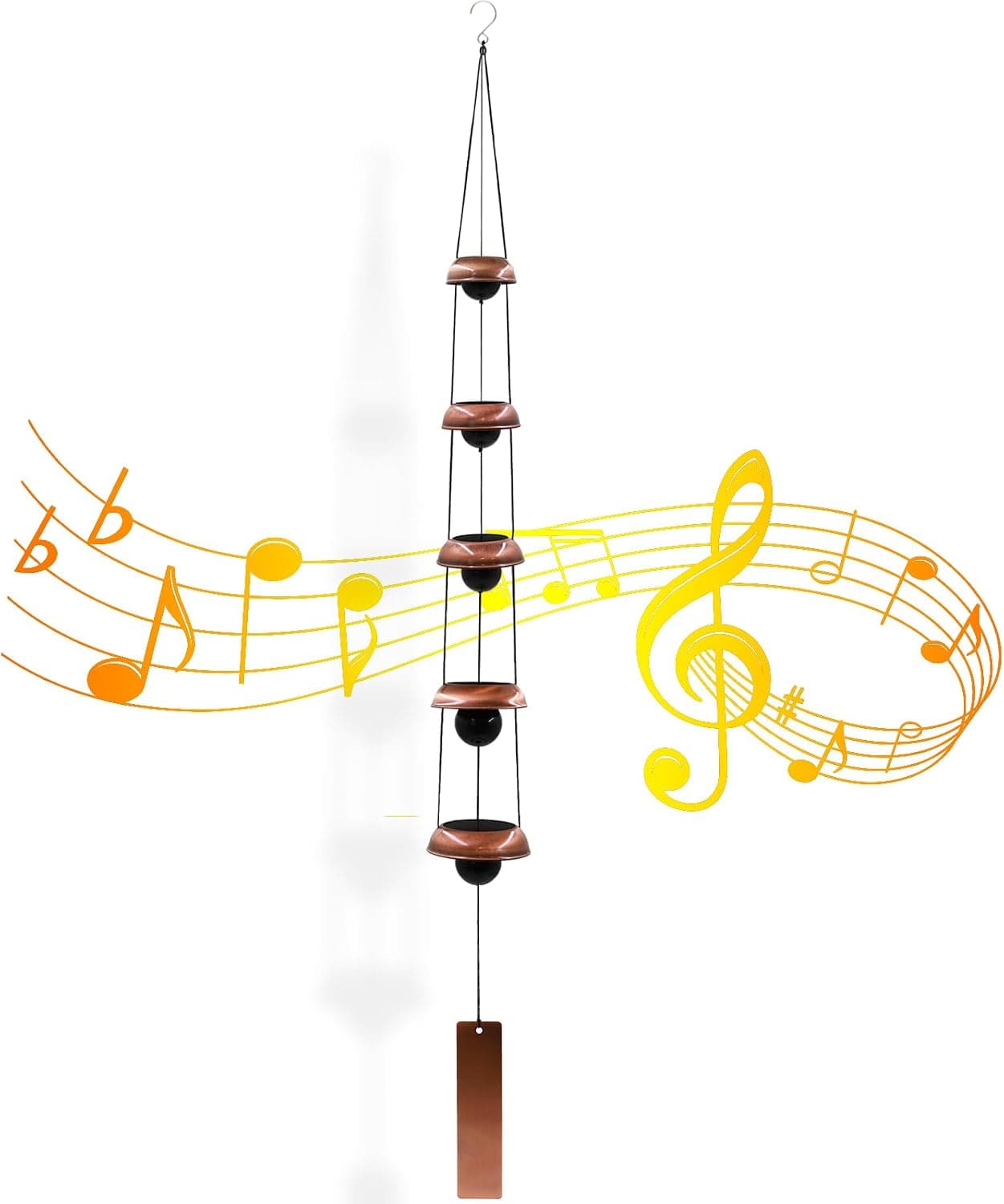
-19%Wind Chimes for Outside with 5 Bell Unique Copper Musical Chimes Feng Shui Wi...
 -5%
-5%YU FENG Evil Eye Money Tree, Blue Feng Shui Decor with Golden Buddha
 -29%
-29%Karma and Luck March Birthstone Crystal Tree of Life, Aquamarine Gemstone Fen...
 -29%
-29%Karma and Luck July Birthstone Crystal Tree of Life, Ruby Gemstone Feng Shui ...
As an Amazon Associate, we earn from qualifying purchases. We only recommend items our practitioners have personally tested.
Continue Your Journey
Explore these related guides to deepen your understanding:


Ready for Deeper Guidance?
Try our free I Ching reading for personalized wisdom, or explore our curated Feng Shui essentials.