A room can look balanced and still drain the whole house. The dead zone is where the setup quietly fails.
Beyond the Surface of Feng Shui House
Something doesn't align in conventional approaches to Feng Shui House is typically understood. I've watched people hang the right mirror, set the right plant, place the right bowl of coins, and still end up with a bedroom that feels heavy by 2 a.m. or a kitchen where everyone drifts in, opens the fridge, and leaves the room colder than before. The setup looked correct. The house didn't care.
That gap has a name, even if most people never call it that: the dead zone. It's the patch of space where movement stops, attention drops, and qi loses momentum because nothing enters it, nothing leaves it, and nobody uses it with any regularity. A dead zone can be a narrow hallway by the linen closet, the back left corner behind a sofa, or the strip of floor beside a rarely opened balcony door. On a floor plan it looks harmless. In daily life it acts like a pocket of stale air that collects dust, forgotten objects, and the mood people try not to name.
One client in Oakland had followed every online rule she could find. She placed a red lamp near the entry, a citrine cluster on the desk, and a round mirror in the dining area. Then she called me because sleep had gone sour and her home office made her feel oddly impatient. The problem sat in the guest room: a dark teal dresser blocking half the closet, a yoga mat rolled beside a wicker hamper, and a dead strip of floor between the west wall and the bed where no one ever walked. That strip was the dead zone. Not the pretty accessories. Not the lamp.
Common advice misses this because it treats the house like a set of objects instead of a moving system. Objects matter, yes, but only after circulation, sightlines, and use patterns are working. If the room cannot carry movement from the door toward the back, the rest of the cures sit there like actors waiting for a stagehand who never arrives. For a deeper map of how rooms are read, see how to map energy in your home without overthinking it.
Input Conditions: How a Dead Zone Forms
The chain starts with obstruction. A shoe bench jutting six inches too far into the entry may not look dramatic, yet it bends the first stream of qi and forces traffic to split. The split slows people down. Slower movement means less visual clarity. Less clarity means the mind stops reading the room as open and starts reading it as blocked. That is how a tiny obstacle becomes an atmosphere.
Then comes underuse. A corner behind the dining chair set, a landing nobody decorates, a mudroom shelf stacked with unopened mail — these spots stop participating in the house's rhythm. Energy follows attention, and attention follows habit. When a place receives no routine touch, the body registers it as outside the living system. Dust gathers. Light fades. People walk around it instead of through it. Soon the dead zone feels normal, which is exactly why it lasts.
Angles make the problem worse. Sharp furniture edges aimed into a sitting area can cut circulation, but the more common issue is blunt enclosure: a large armoire, a tall bookcase, or a heavy curtain creating a visual wall where the room needed an opening. A dead zone is often born where a room loses depth. You can see the edge of the issue in the way people keep choosing the other chair, the other hallway, the other side of the bed.
Not even close.
Step One: Find the Place Your Body Avoids
Start with your feet, not your decor. Walk each room slowly and notice where you shorten your step, where you turn your shoulder, where your eyes skip over a corner without landing. Those are clues. A dead zone is rarely hidden from the body; it is hidden from the checklist. Stand in the doorway of the living room and look at what your gaze slides past first. If the far-left corner disappears behind a floor lamp and a side table stacked with magazines, that patch is not participating in the room's circulation.
In a bedroom, the dead zone often sits on the side nobody uses to dress, reach, or pass through. I once saw one in a pale gray room where the owner kept a white ceramic vase on a chest near the window, yet the real issue was the six-foot stretch between the bed and the built-in wardrobe. It had become storage for a folded treadmill, two gift bags, and an old coat rack. The room felt smaller every week, because the body learned to steer around that corridor. The mind followed the body. That is how cramped starts to feel inevitable.
Kitchen dead zones are trickier because people confuse quiet corners with restful corners. A countertop strip beside the microwave, unused except for junk mail and a charger, can become a stagnant pocket even in a busy home. Watch what happens there at 6 p.m. People set down keys, drop a grocery receipt, and never return to clear it. That isn't clutter in the abstract. It is a repeated signal that the space has lost authority.
Read the room before you decorate the room. Simple, but not easy.
Step Two: Restore Movement Before You Add Cures
Most people rush straight to symbols. They buy a crystal, add a plant, or hang a brass charm, then wonder why the room still feels stuck. The mechanism says otherwise: movement comes first, symbolism second. If qi cannot travel, a cure becomes a label on a closed box. Open the box.
Clear one path through the room that your body can use every day without thinking. In a hallway, that may mean pulling the runner back from the wall by two inches so the edge no longer pinches the passage. In a study, it may mean removing the spare chair that forces you to angle sideways at the desk. In a living room, it might be as plain as shifting the coffee table so there is a clean line from the sofa to the balcony door. Small changes. Large consequences.
After that, adjust the light. Dead zones love dim corners because dimness erases edges and invites neglect. Put a lamp where you can actually switch it on nightly, not where it only looks good in photographs. Warm light on a neglected landing can change how often people use it within a week. In homes I've visited, that single change has moved mail piles, opened up circulation, and made the family stop treating the hallway like a storage shelf with walls.
For a bedroom-specific version of this logic, see turning a bedroom into a sanctuary requires less than you'd think. The same principle applies: the room settles only after the body stops bracing against it.
Wrong.
Step Three: Give the Dead Zone a Job
Unused space decays faster than imperfect space. That sentence bothers people because it sounds too plain, yet it explains half the problem. A corner with a job starts moving again. A corner with no job becomes a dumping ground. The job does not need to be grand. It needs to be regular.
Take a narrow dead zone beside an entry bench. Add a tray for keys and a hook at shoulder height for the coat people actually wear. Now the corner becomes part of arrival instead of an excuse for clutter. In a dining room, a sideboard can rescue a dead wall if it holds dishes used weekly, not seasonal serving pieces nobody touches. In a home office, a small plant, a lamp, and an in-tray can turn an ignored edge into a functional station. Function changes perception faster than ornament.
There's a trap here. People often assign a job that sounds feng shui-friendly but never enters real life. A reading chair nobody sits in still leaves a dead zone; it just becomes a nicer one. So ask the hard question: will someone use this place every day, or are you decorating a vacancy? The room will answer through behavior. If the object collects dust while the family keeps walking around it, the zone remains dead.
Some houses need more than one intervention. A home with a blocked entry and a stagnant back room can feel as if the front door never finishes opening. That is when the annual cycle matters too, because some sectors become touchier in certain years. For room-by-room adjustments, especially when a house seems fine yet keeps producing the same problems, I point readers to room-by-room annual remedies and to the broader logic in why good feng shui still feels wrong. The pattern is usually not one bad object. It's a system that never got fully moving.
Step Four: Watch What the House Does After the Fix
Here is where people get surprised. A dead zone does not announce itself with a thunderclap. It reveals itself by side effects. The mail stops piling in one place and starts piling somewhere else. Someone begins sitting at the kitchen table instead of the sofa arm. The bedroom that felt tight at 11 p.m. starts feeling easier to cross at night. These are not mystical fireworks. They are behavioral proof that circulation improved.
Sometimes the shift is emotional before it is visual. A teacher in Santa Fe told me her hallway had stopped feeling like a tunnel after she removed a tall plant stand and replaced it with a low ceramic bowl of stones and a warmer bulb in the ceiling fixture. She said she no longer rushed through that stretch to avoid a vague unease. That is the mechanism at work: when the body relaxes, the mind stops flagging the space as a warning.
Don't expect every fix to feel dramatic. The best corrections are often annoyingly modest. A mirror moved three feet can open a sightline. A chair rotated toward the room rather than the wall can make conversation easier. A stack of boxes removed from the back of a closet can change how the whole bedroom smells by morning. Tiny moves, yes. Yet tiny moves are what the house notices first.
And if the room still refuses to respond, check the obvious suspects. Kitchen knives carry more energy than you'd think, and a badly handled set in the wrong spot can keep a clean kitchen feeling tense. A dead zone is often fed by one sharp, silent thing nobody wants to move.
Common Mistakes That Keep the Zone Stuck
People love the idea of cure without circulation. That habit causes most failures. They place a lucky object in a dead corner and then leave the laundry basket there for three months. The object never had a chance.
Another mistake is overfilling the edge with too many small things. A cluster of candles, a bowl, a framed quote, and two crystals do not create vitality; they create visual noise. The corner begins to feel crowded without becoming alive. The fix is simpler than the urge suggests: reduce the number of items until the space can breathe and serve a clear purpose.
Then there is the fashionable mistake of using a dead zone as display space only. A house can look styled and still be energetically incoherent. A console table with a scent diffuser, a stack of art books, and a vase of eucalyptus may impress a guest, but if no one uses the area and the path beside it feels tight, the dead zone stays in charge. Style is not circulation. Never was.
Some people also ignore the bagua entirely and wonder why the same corner keeps catching issues year after year. If you want the mapping side of this work, most bagua maps get hung backwards is worth reading before you start relocating cures all over the house.
When the House Finally Moves Again
Once the dead zone is corrected, the house usually changes in layers. First comes ease of passage. Then comes a quieter tone in the room. After that, people begin using the repaired area without being told. That is the sign you were aiming for all along: the place no longer asks to be avoided.
Sometimes the transformation appears in the smallest domestic moment. A navy umbrella ends up on the hook instead of the floor. A child drops homework on the cleared table instead of the couch. A partner closes the closet door without muttering about the mess inside. The house is giving back what it was holding hostage.
There is still a harder truth underneath all this. Some homes will keep producing dead zones because the layout itself is stubborn, or because one room is overworked while another is ignored. You do not fix that by adding more objects. You fix it by tracing where movement dies, then giving that place an honest role. The cure is boring until you see the result. Then it looks obvious, which is how good adjustments usually behave.
So walk your house tonight and notice the place your eye skips. What sits there, what gets stored there, and who quietly stops using it first?
FAQ
Is conventional Feng Shui House advice reliable?
Sometimes, but only when it accounts for circulation, use, and the actual layout. Advice that jumps straight to cures often misses the dead zone, which is the part that makes the rest of the setup feel inert.
How do I know a corner is dead and not just quiet?
Quiet space can feel settled. A dead zone feels avoided. You usually see it in the body first: shorter steps, less eye contact, and objects that get dropped there because no one claims the area.
Do I need to remove everything from the spot?
Not always. Start by clearing the obstruction and giving the space one clear function. A lamp, a tray, or a hook can be enough if the placement supports movement instead of blocking it.
What if the room gets worse after I change it?
That usually means the original problem was being masked by clutter or an overloaded layout. Move one thing back, then test again. The response tells you more than the theory does.
Mei Chen
Traditionally informed guidance • Cross-referenced with classical Chinese source texts
Content draws from both Compass (Luopan) and Form (Xingshi) school traditions. Illustrative examples are composites based on consultation experiences.
Practitioner-Selected Tools for This Topic
Items our team has tested and found effective for the principles discussed above. Individual results may vary.
 -19%
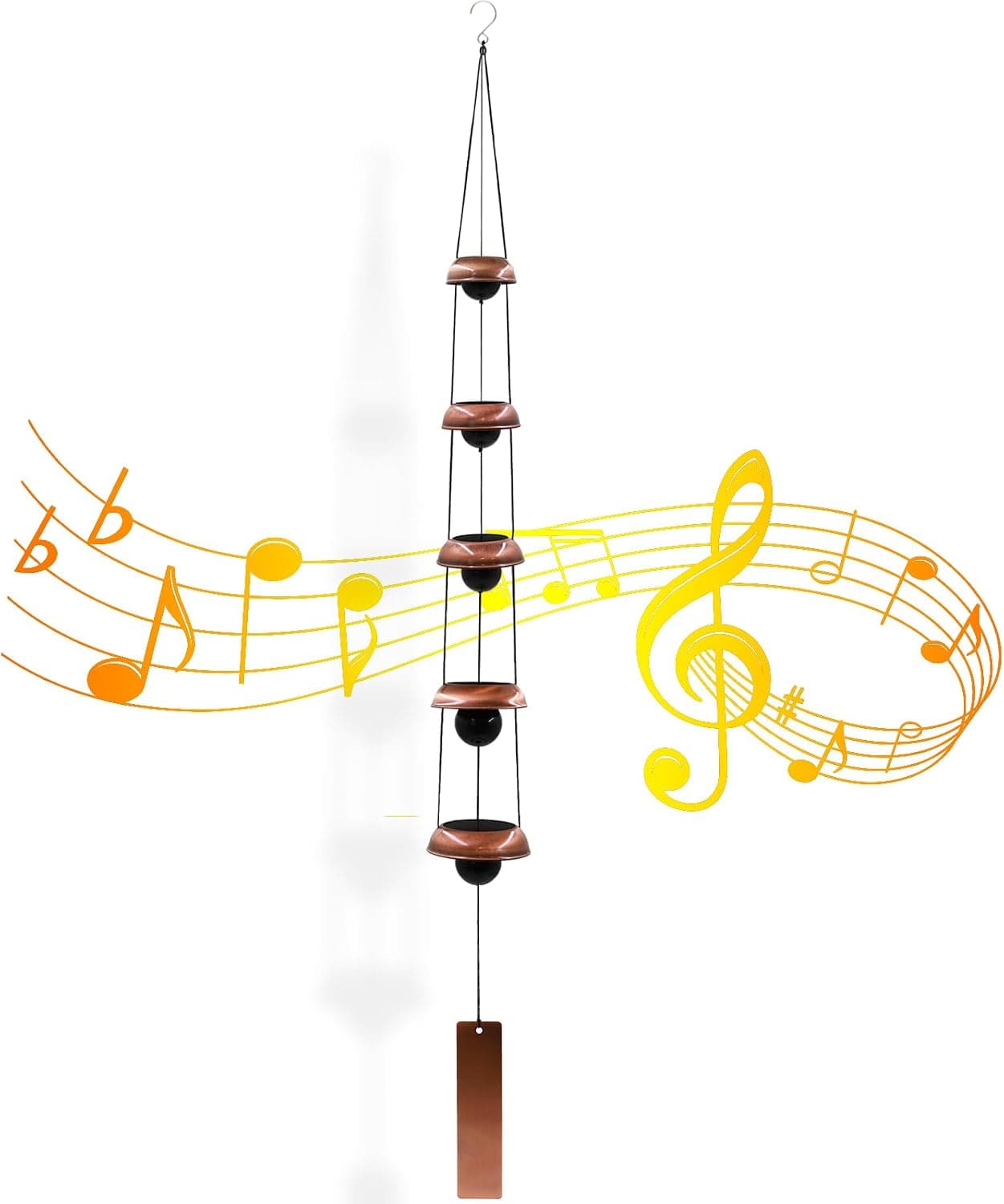
-19%Wind Chimes for Outside with 5 Bell Unique Copper Musical Chimes Feng Shui Wi...
 -5%
-5%YU FENG Evil Eye Money Tree, Blue Feng Shui Decor with Golden Buddha
 -29%
-29%Karma and Luck March Birthstone Crystal Tree of Life, Aquamarine Gemstone Fen...
 -29%
-29%Karma and Luck July Birthstone Crystal Tree of Life, Ruby Gemstone Feng Shui ...
As an Amazon Associate, we earn from qualifying purchases. We only recommend items our practitioners have personally tested.
Continue Your Journey
Explore these related guides to deepen your understanding:


Ready for Deeper Guidance?
Try our free I Ching reading for personalized wisdom, or explore our curated Feng Shui essentials.