A desk can look disciplined and still sabotage your concentration if the room fights you.
The conference call keeps dropping at 10:40. The invoices are drafted, but nothing leaves your outbox. And the reason is often visible the second you open the door: a monitor facing a wall, a rolling chair trapped between a printer stack and a box of old tax folders, and a desk that makes the whole room feel like a waiting room instead of a workspace. That is the kind of room that forces the feng shui home office conversation before you ever talk about productivity apps.
A room can look organized and still be hard to work in.
I walked into a converted guest room last spring where a nurse had built her office around a pale blue desk, two mismatched shelves, and a black office chair that sat directly in line with the doorway. She worked from that room three days a week and could not finish notes without checking her phone every few minutes. We moved the chair off the door line, cleared the corner nearest the window, and swapped a crowded pinboard for one framed checklist and one calendar. Two days later she said the room felt quieter. Two weeks later her work stopped bleeding into dinner.
The Real Framework
The method is simpler than people expect: give your body a position of command, give your eyes a clean field, and give the room one job at a time. In classical terms, that means the desk should support concentration instead of scattering it. You want to see the room without sitting in the blast of every draft, hallway sound, or screen reflection. If you want the deeper map behind that placement logic, the bagua map shows why certain sectors carry more weight than others.
Clarity beats decoration.
People often chase symbols before they fix structure. They buy a lucky object, then wonder why they still feel stuck. That usually means the seat is wrong, the storage is noisy, or the wall behind the chair is doing nothing for support. Start with position before personality.
Place the desk so you can see the entry to the room without sitting directly in that line. If a window is in front of you, keep the view calm and avoid glare on the monitor; if the window is behind you, use a solid blind or shade so the light does not slice across your screen all afternoon. The chair should have a real backing, not a flimsy open space that leaves your body bracing for movement. That is why the front of the room matters even when the office itself sits upstairs, and the logic in the front door and entry flow article translates surprisingly well here.
Practical Adjustments
Once the seat is right, work from the edges inward. Cable clutter should disappear first, because visible cords keep the nervous system on alert more than most people realize. Books need one home, not three. Paper needs a landing zone that closes. If your office doubles as a storage shed, the room will never fully settle into work mode.
Color matters, but not in the cartoonish way social media suggests. Deep blue can support concentration; soft green can reduce strain; warm neutrals keep the room grounded. What you do not want is a mixed palette of loud accents, fluorescent white light, and shiny surfaces all competing for attention. The room should help you think, not perform for you.
If you work beside plants, choose them for scale and maintenance, not trend value. A healthy plant can soften a hard corner and bring life into the workspace, while a dying one does the opposite. I have seen more harm from one neglected pothos than from ten rooms that never owned a crystal. If you want plant choices that actually fit a desk area, the workspace plant guide will keep you from picking a plant that turns into another chore.
Some people want a single object to solve the whole room. That is not how this works. A single piece of clear quartz placement can sharpen an already sane layout, but it cannot rescue a desk that faces a wall of boxes or a chair wedged against a radiator. Use objects as support, not as substitutions for planning.
The room should feel like it can hold a thought for ten minutes without interrupting it.
Two Mistakes Worth Fixing First
The first mistake is the desk pushed straight into a dead end. People tell themselves they like facing a wall because it reduces distraction. Sometimes that is true. More often it is a polite way of saying they have boxed themselves in, and the work becomes smaller because the room feels smaller. The second mistake is overdecorating the office with motivational objects, awards, and spare tech until every surface is speaking at once.
If your office sits inside a bedroom, cut the visual load even harder. The sleep room has a different purpose, and work props do not belong everywhere simply because there is room. For a cleaner boundary, use the approach in the bedroom layout guide to reduce what the eye reads as active. The fewer competing signals, the easier it is to rest when work ends.
There is another error I see often: people ignore the room next door. A chaotic hallway, a cluttered landing, or a front room that dumps noise into the office can undermine an otherwise solid setup. That is why the layout of the rest of the home still matters, even if your camera only sees one wall.
FAQ
Should my desk face the door?
Usually, yes, but not in a straight line with it. You want awareness without exposure, which means seeing the entry while keeping a little offset. That position tends to settle the body faster than turning your back to every movement outside the room.
What if my office is tiny?
Surprisingly, small rooms are often easier to improve because every object has to earn its place. Keep one work surface, one storage zone, and one visual anchor. When the space gets too busy, the room starts making decisions for you.
Do plants help in a work area?
Healthy plants can soften hard angles and make a room feel less mechanical. The catch is maintenance: a tired plant drags the room down faster than a blank corner does. Choose one you will actually water, not one that merely looks good in a photo.
Can I fix a bad layout with objects or crystals?
A supporting object can help, but it cannot repair a poor desk position or chaotic storage. Fix the layout first, then add items with a purpose. That order matters more than the object you buy.
Mei Chen
Traditionally informed guidance • Cross-referenced with classical Chinese source texts
Content draws from both Compass (Luopan) and Form (Xingshi) school traditions. Illustrative examples are composites based on consultation experiences.
Practitioner-Selected Tools for This Topic
Items our team has tested and found effective for the principles discussed above. Individual results may vary.
 -19%
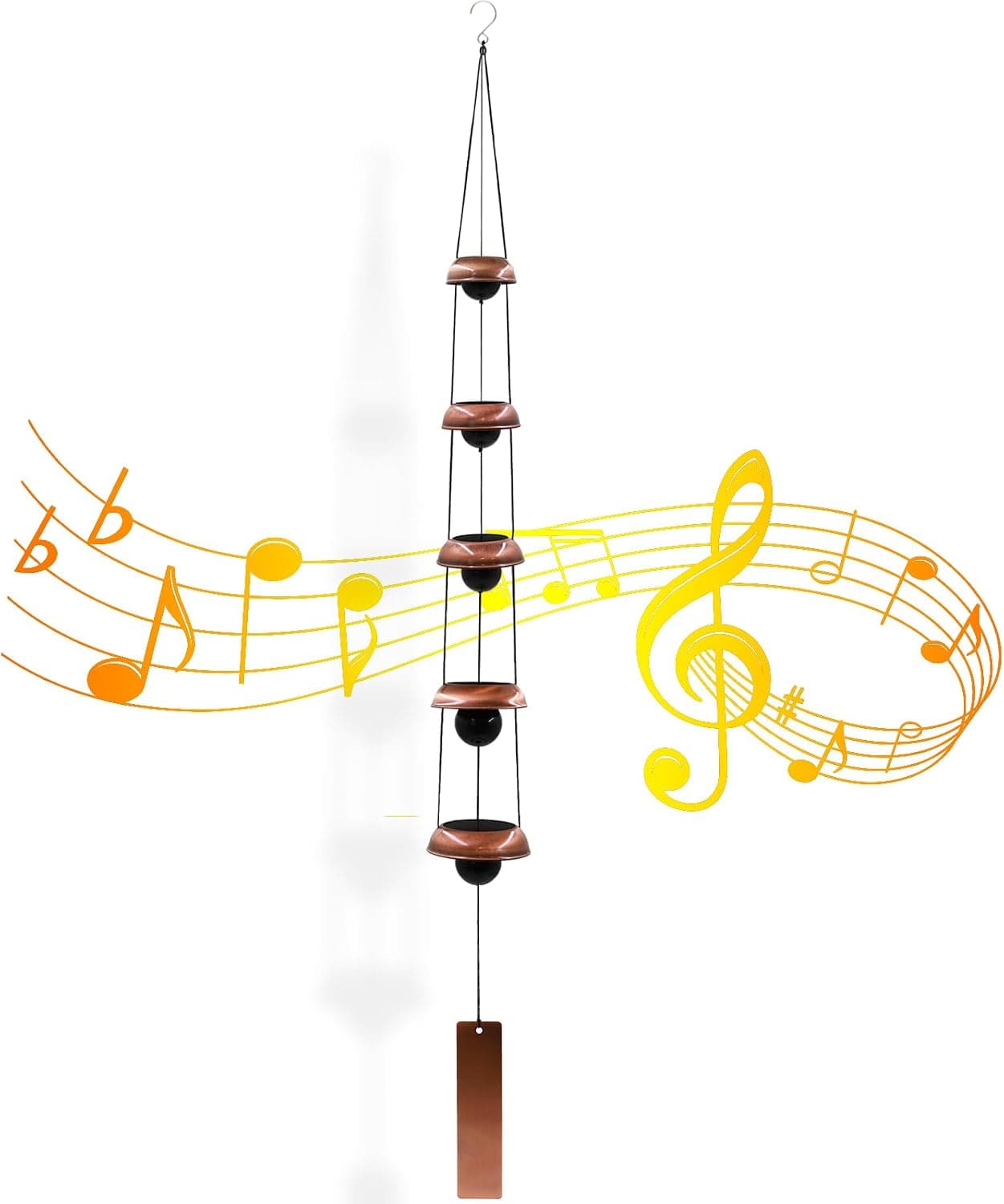
-19%Wind Chimes for Outside with 5 Bell Unique Copper Musical Chimes Feng Shui Wi...
 -5%
-5%YU FENG Evil Eye Money Tree, Blue Feng Shui Decor with Golden Buddha
 -29%
-29%Karma and Luck March Birthstone Crystal Tree of Life, Aquamarine Gemstone Fen...
 -29%
-29%Karma and Luck July Birthstone Crystal Tree of Life, Ruby Gemstone Feng Shui ...
As an Amazon Associate, we earn from qualifying purchases. We only recommend items our practitioners have personally tested.
Continue Your Journey
Explore these related guides to deepen your understanding:


Ready for Deeper Guidance?
Try our free I Ching reading for personalized wisdom, or explore our curated Feng Shui essentials.