That recessed niche you ignore may be the part of the room changing everything.
What Most Guides Overlook About Feng Shui Home
What's widely believed about Feng Shui Home isn't the whole picture. People fix the sofa, buy a plant, move a lamp, and still wonder why the room feels oddly sticky. Then they walk right past the one feature that actually changes the field: the alcove, the recess, the pocket of wall that steals attention without asking permission.
Someone followed every standard rule in a narrow Edwardian flat in north London and made things worse. The living room had a pale oak shelf against the east wall, a round mirror over the mantel, and a jade plant by the window. Sleep got lighter. Arguments got sharper. The culprit was not bad taste. The problem was that the room had a deep recess beside the fireplace, and the rest of the layout kept feeding it stale motion instead of shaping it.
That is the mechanism people miss. A recessed space changes how qi slows, pools, and returns to the main room. A flat wall lets movement glide; an alcove creates a pocket where attention drops, sound dulls, and objects begin to collect psychological weight. Used badly, it becomes a dead zone. Used well, it becomes a pressure valve, a visual anchor, or a quiet support for whatever the room has been lacking.
Not just decoration. Structure.
That is why the usual advice can backfire. A mirror placed to “expand” a recess can throw motion back into the room too aggressively. A plant shoved into the shadowy corner may look helpful, then drop leaves and signal neglect. The deeper issue is not the item. It is the role the alcove is playing in the room’s flow.
How a Recess Changes the Room’s Movement
Start with input conditions. A recessed space usually appears where a hallway widens, a chimney breast steps back, a bay creates an indent, or a built-in niche breaks the wall line. The edge tells the eye to stop. Because the wall no longer behaves as a clean plane, the room loses a bit of its forward momentum there.
Step one is deceleration. Qi follows the visual script of a room, and the recess acts like a small eddy in water. Mail lands there. Keys land there. A chair gets pushed there and stays there. Once people begin treating that pocket as storage, the psychology hardens: the mind reads it as less important, so the body stops spending attention on it.
Step two is pressure build-up. A neglected alcove does not remain empty. It gathers dust, dead air, and unfinished intentions. I have seen bedrooms where a deep niche beside the wardrobe became the place where laundry baskets lived for months. The room looked tidy at first glance, yet sleep kept breaking at 3 a.m. because one side of the room felt visually unresolved. The eye was never getting a clean rest.
Step three is redirection. Good use of the recess gives the slowed energy somewhere to go. That might mean a single lamp, a low bookshelf, a framed vertical image, or a piece of furniture that fits the geometry instead of fighting it. Wrong. A random cluster of small objects just turns the nook into a graveyard for half-decisions. A clear role, by contrast, lets the room finish its movement instead of stalling mid-breath.
Need a reference point? mapping the house properly tells you where that pocket sits in the larger pattern, while checking whether your bagua is aligned to the structure keeps you from treating every recess as if it means the same thing. A north-facing indent in a corridor does not behave like a south-side niche in a family room. Placement depends on the surrounding circuit, not on wishful thinking.
What Actually Works in an Alcove
Use the recess for a single job. That is the whole trick. In a dining room, a built-in niche can hold serving pieces or one large ceramic vessel, because the room already wants gathering and containment. In a study, it may house a lamp and one shelf of books, because the mind needs a stable visual endpoint when it tires. In a hallway, the same space may need to stay nearly empty except for a narrow console and one object with presence.
Think about scale, because scale tells the body whether to relax or brace. A tiny niche stuffed with many small items makes the wall buzz. A large recess left blank becomes a visual sink. The middle path works better: one dominant object, enough breathing room around it, and no clutter creeping toward the front edge. That rule sounds simple until you watch people ignore it and then complain that the room feels unfinished.
Color matters more in these pockets than people expect. Dark paint can make a deep recess feel intentional when the rest of the room is light, especially if the room needs calm rather than expansion. Warm neutrals can soften an awkward notch near a bed. A cool blue alcove in a bright kitchen can feel clean, but if the room already runs cold, the effect becomes brittle. I walked into a family room last spring where a charcoal-painted recess held a brass lamp and a stack of cookbooks. The children stopped dumping toys there within two days, not because of discipline, but because the space finally looked claimed.
That is the psychological mechanism at work. Humans avoid spaces that seem already occupied by a clear purpose. They linger in spaces that look undecided. So the right cure is not more objects. It is a stronger decision. The alcove should look as though the room has already chosen its answer.
Where People Go Wrong Without Realizing It
One common mistake is treating every recess like a wealth corner. People add coins, red ribbon, and a money frog, then wonder why the area feels chaotic. The recess itself may belong to a different function entirely. Put money symbols into the wrong spatial job and you create noise, not accumulation. For a clearer sense of the pattern, compare it with money corner mistakes that quietly undo the setup.
Another error is over-lighting the pocket. Bright light can help a deep shadow, but a spotlight aimed at a niche often makes it feel theatrical rather than grounded. That can be useful in a gallery wall. In a home, it may keep the nervous system alert. The room never settles, because the alcove keeps announcing itself like a stage.
Mirror placement can also go sideways fast. People assume a mirror always expands space, so they hang one inside the recess and call it done. Yet a mirror in a narrow indent can bounce movement back into the room in a way that feels jumpy, especially in a corridor or beside a bed. If you want a mirror, make it answer a clear need: more light, a visual extension, or a corrected line of sight. Otherwise it is just another surface asking for attention.
Storage is the sneakiest trap. The recess looks deep, so everything migrates there: umbrellas, expired candles, old notebooks, a broken speaker, three chipped bowls. Then the room starts carrying the emotional tone of a holding bay. Not because clutter is morally bad. Because the body reads unfinished storage as unfinished life. That is why people can have a beautiful living room and still feel oddly stalled when the biggest indentation in the wall is crammed with leftovers.
Families usually notice the result before they notice the cause. Someone stops sitting in the chair near the niche. A teenager drops bags there and never unpacks them. The dog chooses that spot because nobody else does. Then the whole corner becomes a habit loop, and the habit loop starts shaping the mood of the room.
Bedroom recesses are especially touchy, which is why it helps to study the bedroom rules that keep sleep and relationships from slipping and how a bedroom becomes restful instead of restless. A niche near the headboard can either soften the wall behind you or create a felt absence that keeps the nervous system scanning. Tiny difference. Big effect.
How to Read the Alcove Before You Touch It
Stand back and watch what already happens there. Does the recess catch dropped objects? Does it shadow out by midafternoon? Does the eye go there first, or does it avoid the spot altogether? Those are not trivial questions. They tell you whether the pocket needs containment, illumination, or almost nothing at all.
Then check the traffic line. A recess at the end of a hallway behaves differently from one beside a sofa. The hallway version can either gather movement or disrupt it; the living room version can act as a visual pause. This is where the center of the room and the corner’s job start to matter, because the alcove is never isolated from the room’s main current.
Measure the depth with your body, not only with a ruler. If the niche feels deep enough to pull your focus away from the rest of the room, it needs a stronger anchor. If it barely interrupts the wall, it may only need a framed print or a slim vessel. Too many people overcorrect because they are reacting to the idea of a recess instead of the actual spatial experience of one.
And check what element the room already leans toward. A recess in a room full of sharp lines and metal finishes may need softer texture, while one in a soft, beige room may need firmer structure. The fix should answer the room’s imbalance, not fight the architecture. That is the part many Western readers miss when they borrow advice from generic lists. The space has context. It always has context.
Practical Ways to Use Recessed Spaces Well
In a quiet entryway, a shallow alcove can hold one tall vase, a tray for keys, and a lamp that turns on at dusk. That works because the entry needs a transition from outside to inside, and the recess can absorb the shift instead of scattering it. In a home office, a deeper niche can carry a narrow bookcase or a vertical artwork that keeps your attention from drifting sideways. In both cases, the point is not to fill. It is to give the space a job that matches the room’s function.
In a bedroom, aim for softness and symmetry if the recess sits near the bed. A pair of wall lights or one calm piece of art can settle the wall without making it busy. Keep sharp-edged piles out of reach. You do not want the first thing your body sees at night to be a stack of unpaid bills sitting inside the one place meant to quiet you.
In a dining area, use the recess to support abundance without crowding it. A sideboard with bowls, serving dishes, or one substantial decorative object can ground the wall and make gatherings feel less temporary. The room benefits when the recess signals readiness rather than storage failure. If it looks like a dumping ground, guests feel that before they ever sit down.
Some alcoves work best nearly empty. That surprises people. Empty does not mean neglected. It can mean precise. A clean niche with one well-chosen object gives the room a pause, and a pause can be just as important as a feature. The eye gets rest. The mind follows.
For people who want a more formal structure, a deeper reading of the room starts with the overall map, then narrows to the wall breaks. A solid companion piece is why balanced elements still sometimes feel wrong, because the alcove often reveals the mismatch between the room’s surface and its actual behavior.
Sometimes the best adjustment is restraint. Take one shelf out. Move the lamp four inches left. Replace three small objects with one ceramic bowl. That is not glamorous. It works. Rooms respond to the difference between scattered intention and a clean decision.
FAQ
Is conventional Feng Shui Home advice reliable?
Sometimes, but only when it matches the actual shape of the room. A rule lifted from a flat plan can fail in a house with deep recesses, odd transitions, or a chimney breast that changes movement. The space decides more than the slogan does.
Should I always fill an alcove?
No. An empty recess can be exactly right when the room already feels busy or visually dense. Fill it only when the pocket looks abandoned, not because you feel an urge to decorate every square inch.
Do plants belong in recessed spaces?
Only if the light and air support them. A plant that droops in a shadowed niche turns the corner into a reminder of neglect, and that quickly affects how the room feels. A healthy plant can work; a struggling one usually cannot.
What if the alcove is already full of clutter?
Start by removing everything that does not belong to the room’s main function. Keep one or two items that justify the space, then stop. People expect a dramatic cure here, but often the first shift is just seeing the wall again.
Can a recessed space improve sleep?
Yes, if it reduces visual noise beside the bed and gives the wall a settled presence. A calm niche near the sleeping area can feel protective; a crowded one can keep the body alert. The difference shows up fast, usually before the week is over.
Why do some alcoves feel eerie even when they are clean?
Because cleanliness is not the same as definition. A clean pocket with no role can still feel unresolved, like a sentence that stopped halfway. Put one clear function there and watch how quickly the mood changes.
Walk into a room at dusk and look at the recess before you look at the sofa. Does it hold the wall together, or does it swallow the light and sit there waiting?
Mei Chen
Traditionally informed guidance • Cross-referenced with classical Chinese source texts
Content draws from both Compass (Luopan) and Form (Xingshi) school traditions. Illustrative examples are composites based on consultation experiences.
Practitioner-Selected Tools for This Topic
Items our team has tested and found effective for the principles discussed above. Individual results may vary.
 -19%
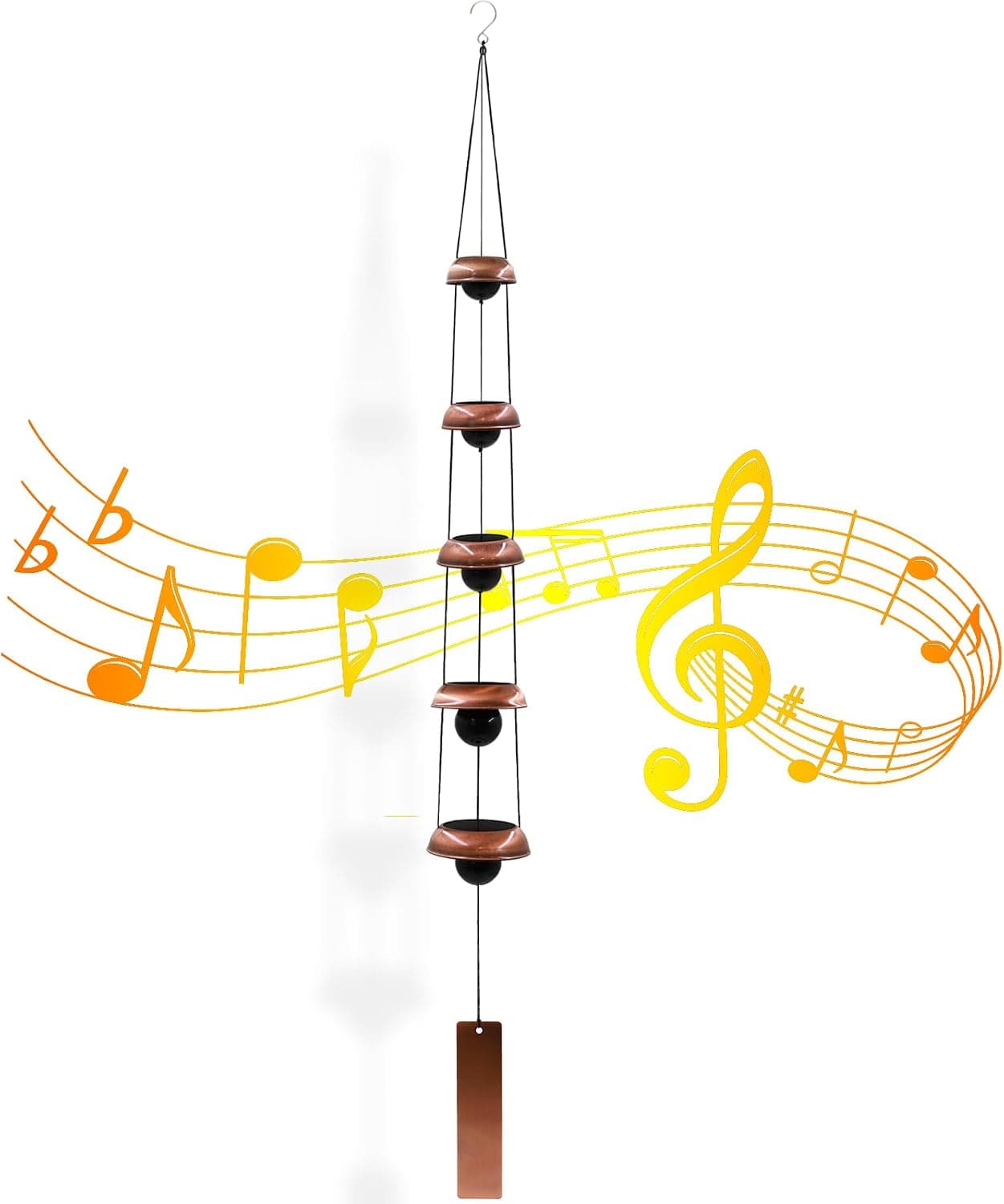
-19%Wind Chimes for Outside with 5 Bell Unique Copper Musical Chimes Feng Shui Wi...
 -5%
-5%YU FENG Evil Eye Money Tree, Blue Feng Shui Decor with Golden Buddha
 -29%
-29%Karma and Luck March Birthstone Crystal Tree of Life, Aquamarine Gemstone Fen...
 -29%
-29%Karma and Luck July Birthstone Crystal Tree of Life, Ruby Gemstone Feng Shui ...
As an Amazon Associate, we earn from qualifying purchases. We only recommend items our practitioners have personally tested.
Continue Your Journey
Explore these related guides to deepen your understanding:


Ready for Deeper Guidance?
Try our free I Ching reading for personalized wisdom, or explore our curated Feng Shui essentials.