The right gift can steady a room, soften stress, and quietly support the person receiving it.
When a gift needs to do more than look good
One January afternoon in Brooklyn, I stood in a narrow dining room where a pale blue vase held a single stem of eucalyptus. The homeowner, a night-shift nurse, said it was given to her after a brutal year. She did not call it magical. She called it soothing.
That, in my experience, is what good feng shui gifts are supposed to do. Not impress. Not preach. They should make daily life feel a little easier. Sometimes that means calming a busy entryway. Sometimes it means helping someone sleep without feeling boxed in by their bedroom. And sometimes it simply means giving a person one less ugly object to work around.
Most people don’t realize this: symbolism only works when the item fits the room.
The bagua map can help you connect an item to the part of life it supports, but I rarely start there when I’m choosing a present. I start with the space. A gift that belongs naturally will always land better than one that arrives with a speech attached.
For the friend whose home feels overloaded
If someone is frazzled, overstimulated, or always complaining that their apartment feels too busy, give them something that quiets the room instead of adding another object to it. I’m talking about matte ceramic, unfinished wood, soft fabric, and colors that don’t shout.
A lidded storage box, a stone incense holder, or a warm lamp with a fabric shade can be far more helpful than another ornate statue. These are especially sensible choices for renters, students, and younger professionals who do not have the luxury of renovating an entire place. Put the gift where the eye lands first, such as the entry console, bedside table, or desk corner that catches every stray receipt.
I’ve seen this work in over 200 homes, and the pattern is always the same. The room changes fastest when the gift has a job.
One client, a middle school teacher, had a cramped guest room with a scarlet tote bag on the floor, a stack of journals by the window, and chargers tangled on the dresser. We swapped in a deep green tray and a bamboo basket. That was all. Within a week she said the room no longer felt like a storage closet with a mattress in it.
For this kind of present, restraint wins.
For the person who wants better sleep and better moods
Bedroom gifts are where many well-meaning people go wrong. They buy bright art, oversized mirrors, or glittery decor because it feels cheerful in the store. Then the bedroom ends up feeling alert when it should feel restorative. A sleep space should not compete with the nervous system.
Choose matching bedside pieces, a throw in muted earth tones, or a simple candle set with a cover. If the person is actively trying to improve rest, a small book on bedroom placement can be genuinely useful when paired with something practical. I often point people to bedroom layout before buying decorative pieces, because placement changes the feel of a room faster than cost does.
One couple I consulted in San Francisco had a black metal lamp on one side of the bed and a bright red alarm clock on the other. She said she woke up irritated. He said he could not settle down at night. They replaced the lamp with a cream ceramic base and removed the red clock entirely. A week later, both of them commented that the room felt quieter. No drama. Just less noise.
Pairing helps here too. Two tea cups. Two pillows. Two small bowls. It suggests balance without turning the room into a theme party.
For the desk that needs to behave better
Some presents belong in the office, not on the coffee table. If the recipient is working from home, studying, or trying to get out from under constant distraction, choose something that improves organization or clears the visual field around the desk.
A paper tray, a compact file box, or a healthy desk plant can help momentum return. If the person works remotely, I like to pair the item with a guide to a more balanced home office setup so they understand why the placement matters. The best spot is where work actually begins, not where mail gets dumped and forgotten.
I once watched a designer place a brass pen cup in the narrow lane between her chair and the printer. It looked stylish, but every time she reached for it, the setup interrupted her flow. When she moved it to the left side of the desk and cleared the center, the space became easier to use at once. She laughed and said, “Why did I make this harder than it needed to be?” That’s the point.
Practical is not boring. Practical is respectful.
For the housewarming that should actually help
Housewarming presents should support the whole home, not just one corner of it. This is where people tend to overdo things. They arrive with candles, mugs, figurines, plants, and novelty towels, and the recipient ends up smiling through the pile while wondering where to put any of it. One well-chosen item is usually kinder than five small ones.
A sturdy plant, a simple entry bowl, or a framed print in soft colors can do more than a basket of random symbolic objects. If the front entrance is awkward or cramped, I’d rather see one useful object near the door than a shelf full of trinkets in the living room. A strong threshold matters. Front door energy explains why that first step inside sets the tone.
In Queens, I worked with a couple whose apartment had a tiny foyer and no real landing strip. Mail went on the radiator. Keys disappeared under scarves. They were given a low wooden bowl, set it on a slim shelf, and suddenly the entrance stopped feeling frantic. It sounds almost too simple to mention. It isn’t. A home needs a place to collect itself.
Give the person somewhere to set life down.
For someone who likes meaning but hates clutter
Some people love symbolism, but they have no patience for shelves packed with figurines. For them, keep the present small, elegant, and easy to place. A modest crystal, a clean-lined book, or one meaningful object will land better than a bundle of themed accessories.
If you choose a stone, keep it relevant and restrained. A small amethyst point on a nightstand can feel calming, especially for someone who reads before bed or has an overactive mind at night. If that fits the person, amethyst has a long reputation for calm and steadiness, which makes it a natural bedside companion. Put it on a stable surface and let it breathe.
People assume meaningful gifts need to be rare or expensive. They do not. What matters is that the object feels intentional instead of theatrical.
Quiet wins more rooms than drama ever will.
For the budget-conscious giver
Good presents do not need to be expensive. In fact, lower-cost items often work better because they are easier to place and less likely to get stored in a closet with the wrapping paper still on. A set of linen napkins, a small bowl, a tea tin, wooden coasters, or a simple journal can all be useful and well received.
When the budget is tight, pay attention to texture and usefulness. Natural materials and calm colors age well. Avoid novelty packaging and anything that leans too hard on spiritual marketing. It usually feels dated faster than the object itself.
One of the most effective inexpensive options I keep seeing is a compact vase with one fresh stem or a single branch. It brings life into a room without demanding attention. That is often enough.
If the person likes to build a more intentional home over time, a thoughtful book can sometimes be better than another object. It keeps giving after the paper is gone.
Simple comparison of gift types
| Item | Best for | Price range |
|---|---|---|
| Matte ceramic vase | Calming living spaces and housewarmings | $20–$60 |
| Soft throw blanket | Bedrooms and rest-focused households | $30–$120 |
| Desk organizer | Home offices and students | $15–$50 |
| Small symbolic crystal | People who like meaningful objects | $10–$40 |
| Wooden entry bowl | New homes and busy families | $18–$70 |
If you only buy one thing
Choose the item that answers the recipient’s daily friction, not just their taste. If they are scattered, give them something that restores order. If they are exhausted, choose something that softens the room. If they are moving, choose something that anchors the new place.
That is the easiest way to shop for feng shui gifts without turning the idea into superstition. A useful object, placed well, tends to say exactly what you meant.
FAQ
Do feng shui gifts have to be symbolic?
No. In practice, the best gifts usually solve a real problem first and carry meaning second. If a room is cluttered, a handsome storage basket may be far more supportive than a charm that looks pretty but does nothing.
What should I avoid giving?
Skip mirrors, sharp-looking decor, and overly personal items unless you know the home very well. Those choices can feel awkward when you don’t know the layout, the person’s habits, or how much space they actually have.
Are plants good gifts for this purpose?
Yes, with one condition: the recipient must be able to care for it. A healthy plant brings a sense of movement and life. A struggling plant quietly adds stress. I only recommend them when the person has the time and light for one.
Can I give these as corporate or client gifts?
Yes, and I’d keep them neutral. A quality notebook, a tasteful desk item, or a simple ceramic piece usually works better than anything too intimate or too flashy. For clients, safe and useful is often the smartest choice.
If you want a broader framework for choosing supportive objects, pair your shopping with a wider look at crystal options. The real test is simple: does the object fit the room, or just the idea of the room?
Mei Chen
Traditionally informed guidance • Cross-referenced with classical Chinese source texts
Content draws from both Compass (Luopan) and Form (Xingshi) school traditions. Illustrative examples are composites based on consultation experiences.
Practitioner-Selected Tools for This Topic
Items our team has tested and found effective for the principles discussed above. Individual results may vary.
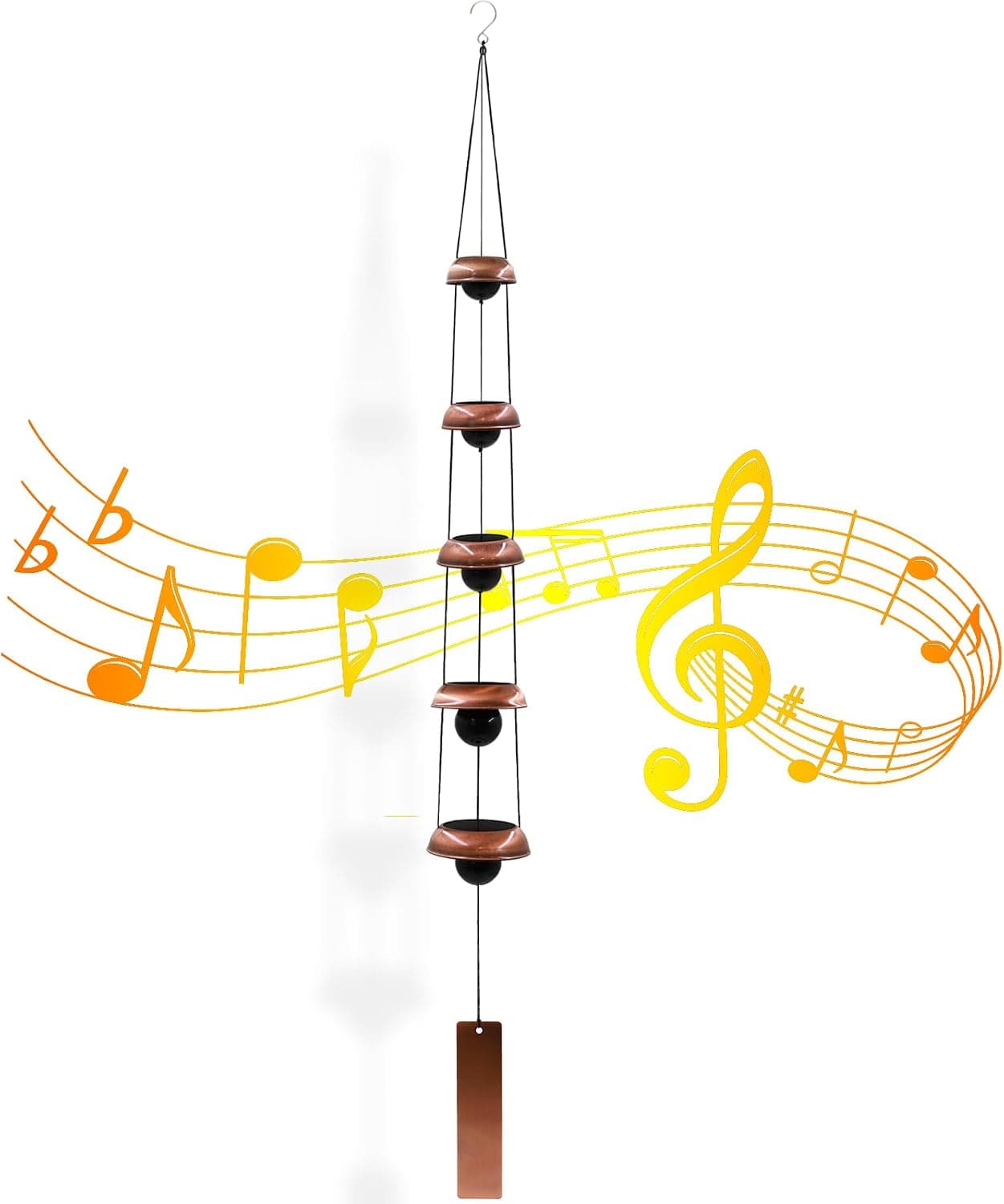 -19%
-19%Wind Chimes for Outside with 5 Bell Unique Copper Musical Chimes Feng Shui Wi...
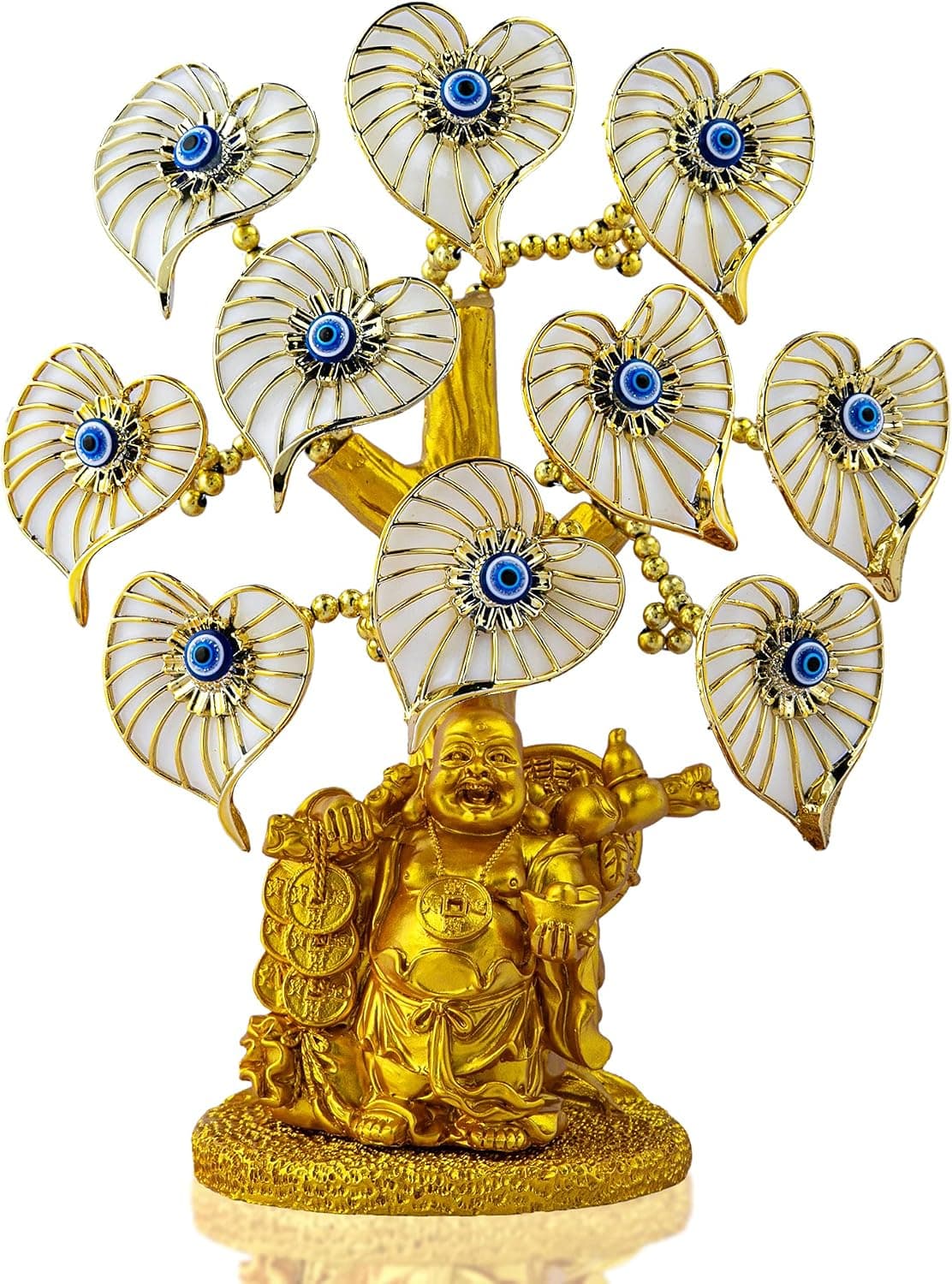 -5%
-5%YU FENG Evil Eye Money Tree, Blue Feng Shui Decor with Golden Buddha
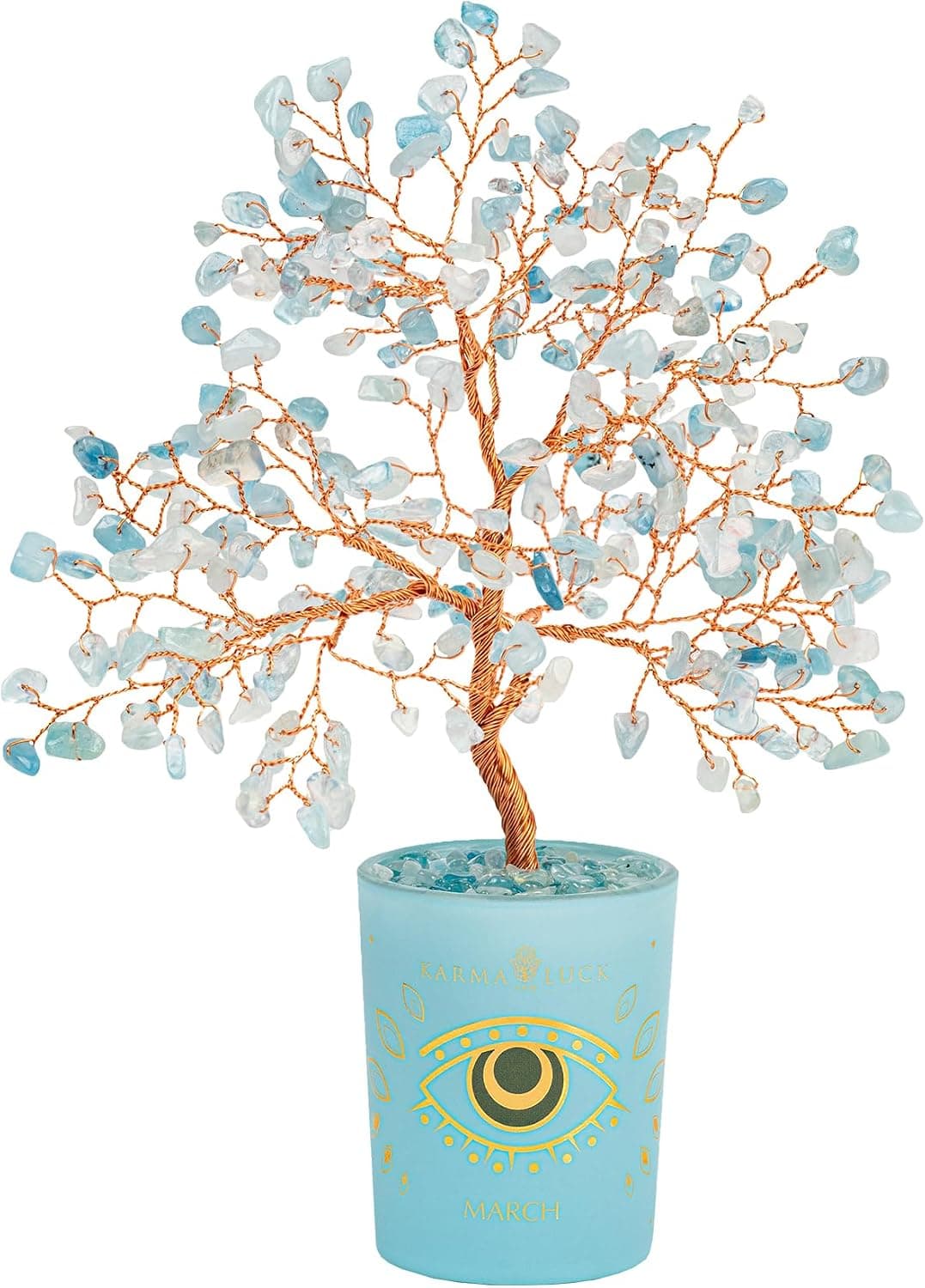 -29%
-29%Karma and Luck March Birthstone Crystal Tree of Life, Aquamarine Gemstone Fen...
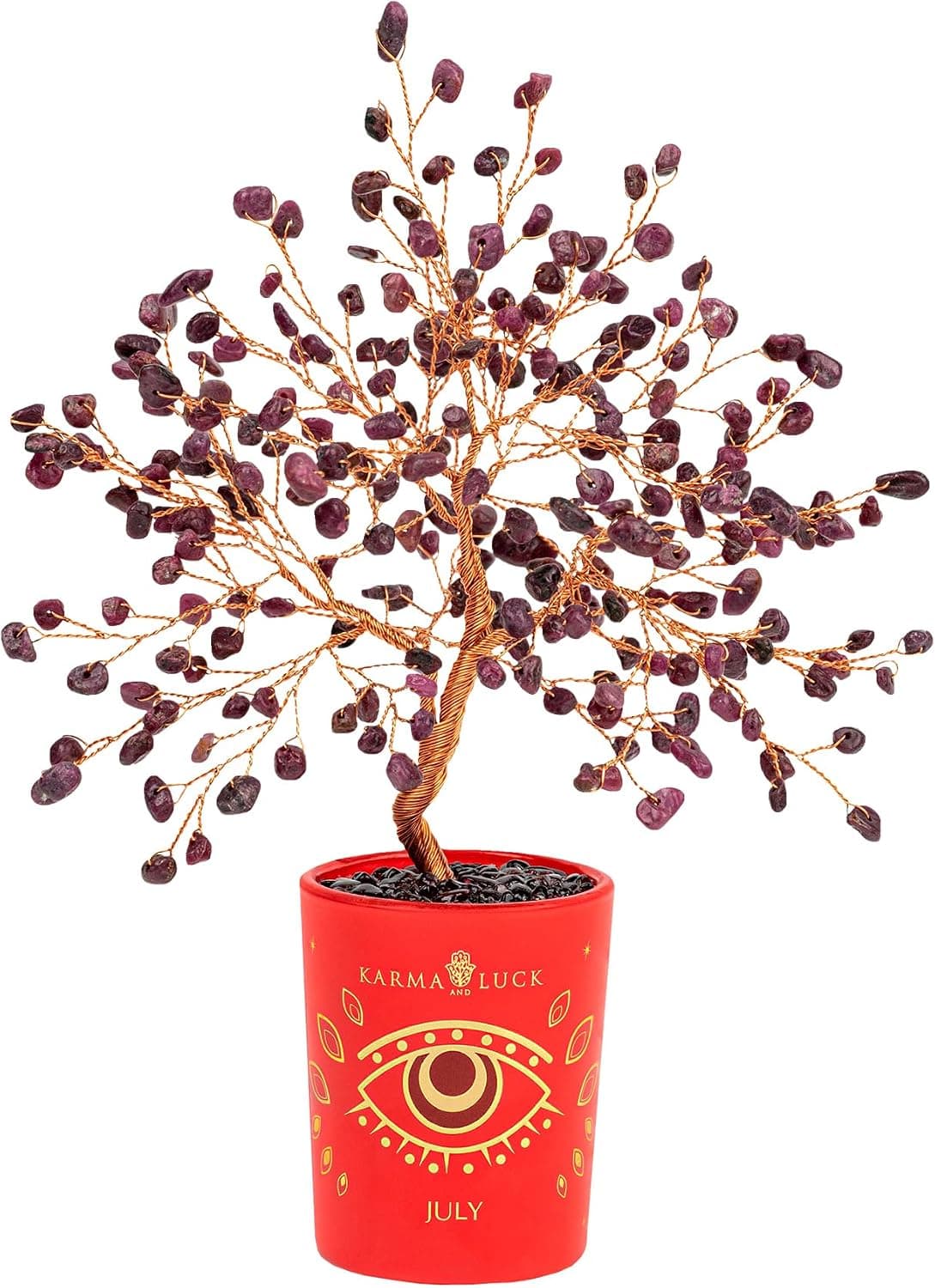 -29%
-29%Karma and Luck July Birthstone Crystal Tree of Life, Ruby Gemstone Feng Shui ...
As an Amazon Associate, we earn from qualifying purchases. We only recommend items our practitioners have personally tested.
Continue Your Journey
Explore these related guides to deepen your understanding:


Ready for Deeper Guidance?
Try our free I Ching reading for personalized wisdom, or explore our curated Feng Shui essentials.