A garden path can look perfect on paper and still fail the moment you stand at the door.
Beyond the Surface of Feng Shui Garden Path Design
The conventional thinking on Feng Shui Garden Path Design has a fundamental flaw. I walked into a courtyard in Pasadena where the owner had spent weeks laying pale stepping stones through burgundy mondo grass, then added a brass lantern, two boxwood spheres, and a small water bowl near the bend. From the patio, it looked polished. From the front door, it felt like a corridor pulling the eye straight into a hedge, then stopping it cold. She had followed every popular rule she could find. The result? Visitors paused at the threshold, the house felt oddly tight, and she started avoiding the garden even though it was beautiful. Not even close.
That failure makes sense once you stop thinking about the path as decoration and start reading it as a line of sight. The doorway is the measurement point. What you see first, what your eye hits second, and where your gaze has to work too hard all determine whether qi moves smoothly or stalls in little pockets. Straight lines can overdrive a space; over-curved paths can confuse it; a blind end placed in the wrong sightline can make the whole yard feel like it has nowhere to go. Common advice talks about softness and flow. Fine. But the real question is simpler: from the door, does the path invite movement, or does it make the house feel watched, boxed in, or unfinished?
That is why the mechanism matters. Step one is the doorway view, because the brain reads a space before the feet enter it. Step two is visual momentum, because the eye follows contrast, brightness, and shape without asking permission. Step three is emotional feedback: if the line of sight lands on clutter, an abrupt stop, or a dead corner, people slow down unconsciously and the space begins to feel hesitant. I have seen the pattern in small townhouse gardens, in wide suburban lots, and even in a narrow side yard in Oakland where a red ceramic pot placed directly in the line from the kitchen door made the whole side passage feel tense. Same issue, different scale.
So the path is not judged by its curve alone. It is judged by what the curve does to the view. A slight bend can work because it creates curiosity; an exaggerated S-shape can fail because it keeps resetting the eye before it finds a destination. The doorway sees the path first, and the path either opens the house outward or drags attention into a visual snag. That is the part most advice leaves out. The garden is not a separate object. It is a continuation of the threshold.
Step One: Start at the Threshold, Not the Flower Beds
Stand in the doorway and look once, then again. What lands in the center of your vision? A path that leads into open planting feels different from one that points at a fence panel, a trash bin, or the corner of a shed. The first creates breathing room; the second creates a psychic wall. You can have expensive materials and still get the wrong result if the terminal view is clumsy.
That is why a path that begins with a modest pause near the door often works better than one that charges forward immediately. A small landing of stone, gravel, or dark pavers can slow the body just enough for the eye to adjust. In feng shui terms, this is not about prettiness. It is about giving qi time to collect before it travels. If the path starts too aggressively, the space can feel like it is pushing rather than guiding.
mapping the house with a bagua helps, but only if you treat the garden as part of the same reading. The entrance area sets the tone for the sectors beyond it. Put a path in the wrong visual relationship to the door, and the house reads as fragmented no matter how carefully you decorate the planting beds. One client had a narrow gray path cutting from the side gate to the back door. From indoors, all she could see was the path ending in a blue recycling bin. She wondered why guests never lingered. The answer was sitting there in plain sight.
Step Two: Follow the Eye, Then Fix the Stopping Point
Curves are useful only when they carry sight somewhere worth arriving at. A path that bends toward a bench under a maple tree works because the eye anticipates a destination. A path that curls because someone feared straightness can become lazy instead of graceful. Wrong.
Look at the stopping point. A view that ends on a flowering pot, a birdbath, or a pair of lanterns feels completed. A view that ends on a blank wall, utility box, or thorny shrub feels interrupted. I once saw a side garden in Seattle with river stones set in a soft arc, lavender on one side, and a cedar screen at the far end. Beautiful materials. Yet the sightline from the mudroom hit the screen dead center, and the owner complained that the space always felt smaller than it was. He moved the screen three feet left, added a pale trellis with climbing jasmine, and the entire passage felt lighter within a week.
the room that receives movement from outside matters more than most people think, because the garden path does not stop at the glass. If the path directs the body toward a harsh interior line or a cluttered hallway, the same tension continues indoors. That is why one of the best adjustments is often invisible from the street: clear the indoor sightline opposite the door, then let the path outside echo that openness. The eye wants coherence. It notices contradiction immediately.
Do not make the common mistake of loading the turn with ornaments. One statue near a bend can anchor attention; three competing objects can jam it. I have watched homeowners place chimes, urns, and a stone frog at the same corner because they feared the space looked bare. It did not look bare. It looked nervous.
Step Three: Use Contrast Like a Valve, Not a Spotlight
Brightness pulls the eye. Dark ground cover slows it. Texture changes where the body feels a shift. If every surface in the garden path is equally loud, the line of sight has nowhere to rest, and the whole approach feels overstimulated. That shows up as restlessness when people arrive, and in some homes it translates into a habit of rushing past the entrance instead of pausing there.
There is a better way. Put the strongest contrast near the first turn, not all along the route. A charcoal stepping stone against light gravel, or one blue pot beside a green hedge, can signal direction without turning the path into a display case. The function is not to impress. It is to orient. This is where so many well-intentioned gardens go wrong: they treat every inch as if it needs an accent. The eye gets exhausted.
Feng Shui Garden Path Design succeeds when contrast clarifies movement and fails when contrast competes with movement. That distinction sounds small until you see the aftermath. In one Santa Monica bungalow, a white pebble path ran beside orange marigolds and a glossy black planter. The owner loved the palette, but the front door view felt busy enough to make people hesitate. She swapped the planter for a matte clay urn and thinned the marigolds near the curve. The garden did not become dull. It became readable.
Color matters less than placement. A red object in the wrong spot can act like a flare in fog. A restrained object in the right place can feel like a hand on the shoulder.
Step Four: Avoid the Trap of Decorative Dead Ends
A dead end is not always a literal wall. Sometimes it is a bench facing a fence, a pot that blocks the eye, or a turn that reveals nothing after it. The body senses closure before the mind catches up. That is why some gardens feel quietly final even when they are large enough to roam.
People often think a path should terminate in something cute. That belief causes trouble. A cute object at the end can feel like a sticker slapped on the space because the designer ran out of ideas. Better to give the eye a glimpse beyond the terminus: a trellis opening, a change in plant height, a second layer of foliage, or a shadowed passage that hints at more. The point is not mystery for its own sake. It is continuation.
wealth setbacks often begin with a blocked corner, and the same principle shows up in garden paths. Block the visual current, and the space stops circulating cleanly. That can feel like stalled momentum in the household: mail piling near the entry, a habit of leaving bikes against the wall, guests drifting straight inside without settling. Small behavior, repeated enough, becomes atmosphere.
One practical test: photograph the path from the front door at eye level. Then crop the image and ask what the eye reaches first. If the first stop is a wall, bin, or dense shrub with nowhere beyond it, you have your answer. Fix that before buying another lantern.
Step Five: Match the Path to the House, Not the Catalog
Catalog gardens lie. They show a path in isolation, as if a curved gravel ribbon can be judged without the doorway, the fence line, the neighbor's window, or the front steps. Real homes do not work that way. A path that looks gentle in a magazine can become awkward when it aims directly at a kitchen sink window or reveals the garage door too early.
So ask different questions. Does the door look out onto open sky, or onto a hedge that presses forward? Does the path reveal the full route at once, or does it offer enough concealment to keep the eye curious? Is the first visible object supportive, neutral, or confrontational? You are not decorating a trail. You are staging an approach.
bagua placement around the entrance becomes much easier when the sightline is clean, because the area stops fighting itself. If the path leads the eye toward the wrong sector, you can lose the feeling of support even when the layout is technically correct. That is why the old habit of copying a nice path shape from someone else's yard falls flat. Their doorway is not your doorway. Their view is not your view.
And yes, I have seen the backfire. A retired teacher in Berkeley installed a graceful gravel curve with bamboo edging because a local designer told her straight lines were harsh. From the porch, the path looked elegant. From inside the vestibule, it pointed straight at a leaning rain barrel and a hose reel. She felt irritated every time she opened the door, though she could not explain why. Once the barrel moved behind the shed and the hose reel went into a covered cabinet, she described the garden as "finally polite." That was her word. Accurate enough.
Step Six: Read the Emotional Output
The final test is not visual perfection. It is behavior. Do people slow down at the threshold and breathe, or do they rush through as if crossing an obligation? Do they glance to the side with curiosity, or do they keep their eyes fixed ahead because the route feels too exposed? These reactions tell you whether the path is helping the house receive movement or merely displaying a layout.
That output reveals the real mechanism. A good path reduces friction at the doorway, organizes attention, and creates a gentle sequence from outside to inside. A poor one creates micro-resistance: hesitation, overcorrection, avoidance of the corner, a tendency to leave tools near the entrance because the area never feels resolved. The garden then acts less like a welcome and more like an unfinished thought.
For deeper reading on the house itself, connect this with the bedroom's need for stillness. A restless approach outside can bleed into a room that should be calm, because the body never fully switches off when it arrives. The front path is not separate from sleep, focus, or mood. It trains the first impression the nervous system carries through the door.
That is the hidden mechanism most advice skips. The path is not judged by whether it curves. It is judged by what the doorway can see, what the eye does next, and whether the end of the line feels open enough to keep life moving. Get that wrong, and even a well-built garden starts to feel like it is waiting for permission. Get it right, and the house stops bracing itself the moment someone reaches the front steps.
Common Mistakes That Look Right at First
People love symmetry because it feels safe. Two matching pots, two matching lanterns, two matching shrubs. Fine, until the doorway view becomes stiff and over-planned, like a hotel lobby pretending to be a home. A path needs rhythm, not mechanical duplication.
Another trap is over-curving to avoid straightness. A weak curve can feel indecisive, especially when the bend happens too many times in too short a distance. The eye keeps resetting and never receives a clear cue. I have seen this in narrow front gardens where the owner kept adding turns to "soften" the energy. The effect was not softness. It was confusion.
Then there is the decorative pileup at the bend. Lantern, statue, fountain, and planter all competing for attention. That creates visual chatter and disrupts the calm flow the path was supposed to create. One object can speak. Four objects argue.
Finally, people forget the indoor alignment. A path that looks balanced outdoors can still fail if the view inside meets clutter, a shoe pile, or a dark hallway. The eye does not stop at the threshold, and neither does the feeling. Clear the inside line and the outside route suddenly makes sense.
FAQ
Is conventional Feng Shui Garden Path Design advice reliable?
Often not on its own. Advice that only talks about curve shape or stone choice ignores the doorway view, and that's the part the body reads first. A path can obey every rule on paper and still feel tense if it terminates badly or points at visual clutter.
Should a garden path always be curved?
No. A straight path can work when the approach is calm and the sightline is open, because clarity sometimes feels better than ornament. Curves help when they create anticipation, not when they hide an awkward layout.
What matters more: the path or the objects beside it?
The relationship matters more than either one alone. A single stone lantern placed three feet from the bend can guide the eye beautifully; the same lantern shoved into a cramped corner can make the route feel crowded. Placement decides the effect.
Can I fix a bad path without rebuilding it?
Usually, yes. Move or remove the object that the doorway sees first, clear the stop point, and open the final view before you touch the paving. Small changes often change the whole reading because they alter the line of sight, not just the surface.
Mei Chen
Traditionally informed guidance • Cross-referenced with classical Chinese source texts
Content draws from both Compass (Luopan) and Form (Xingshi) school traditions. Illustrative examples are composites based on consultation experiences.
Practitioner-Selected Tools for This Topic
Items our team has tested and found effective for the principles discussed above. Individual results may vary.
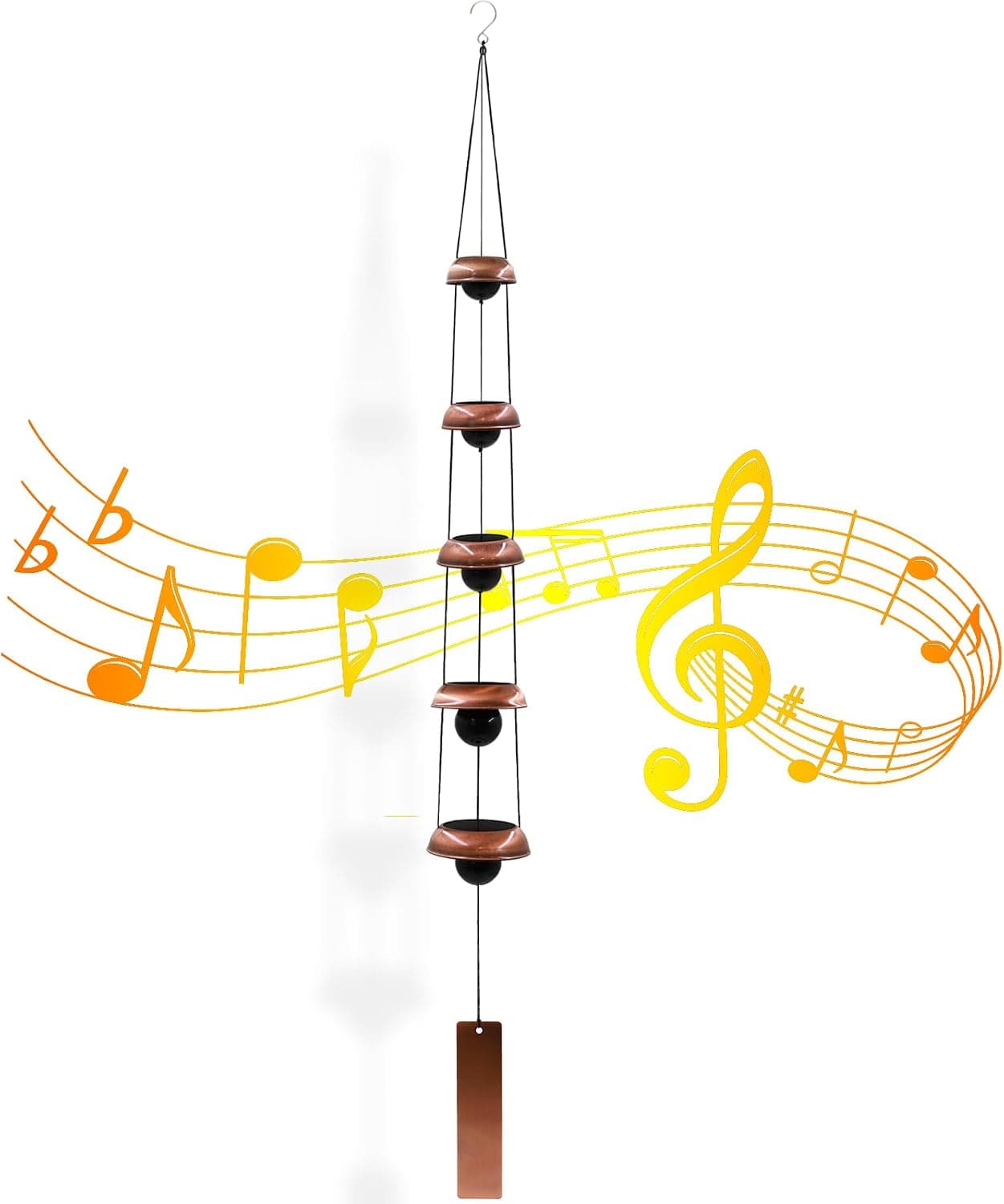 -19%
-19%Wind Chimes for Outside with 5 Bell Unique Copper Musical Chimes Feng Shui Wi...
 -5%
-5%YU FENG Evil Eye Money Tree, Blue Feng Shui Decor with Golden Buddha
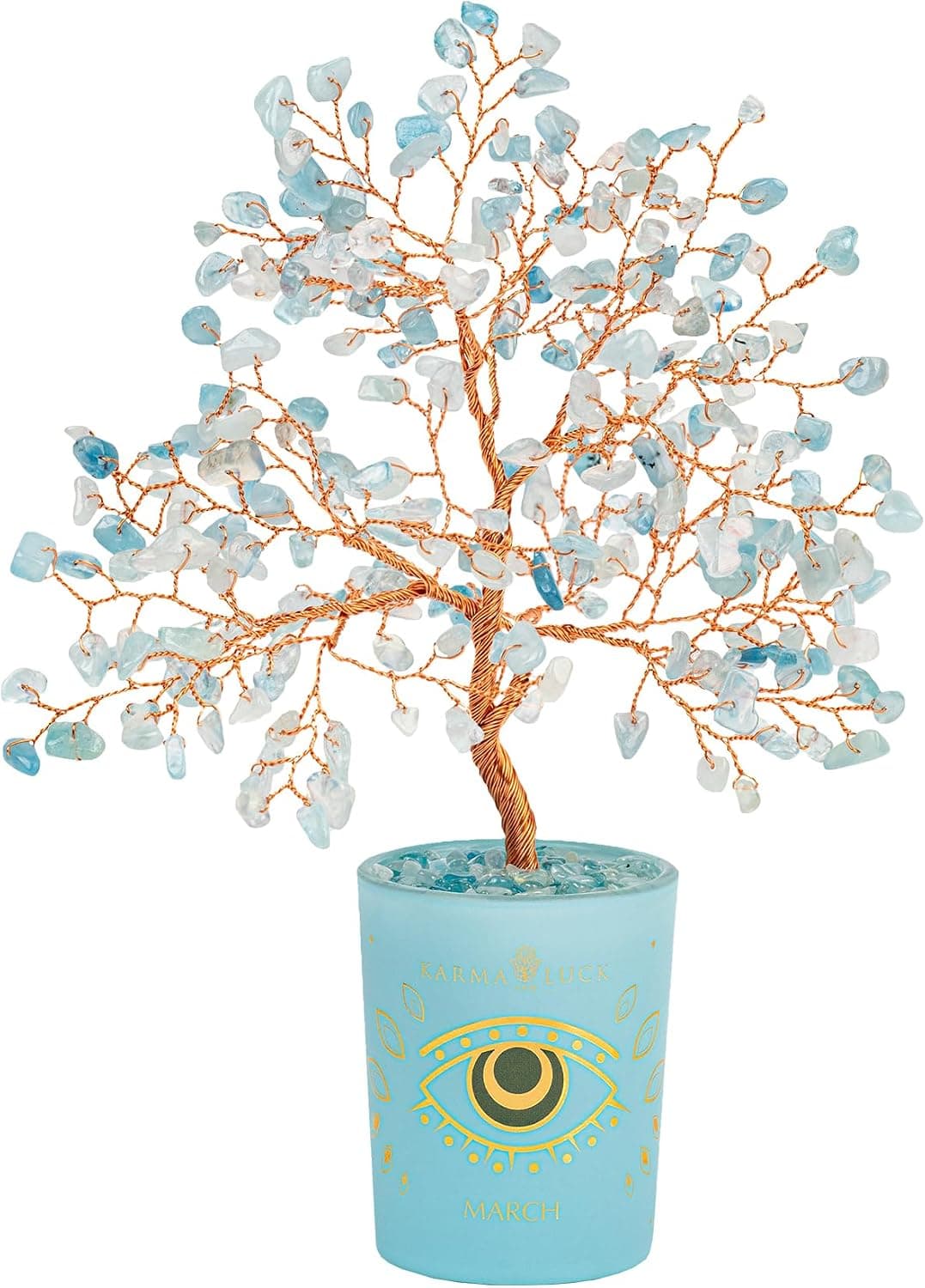 -29%
-29%Karma and Luck March Birthstone Crystal Tree of Life, Aquamarine Gemstone Fen...
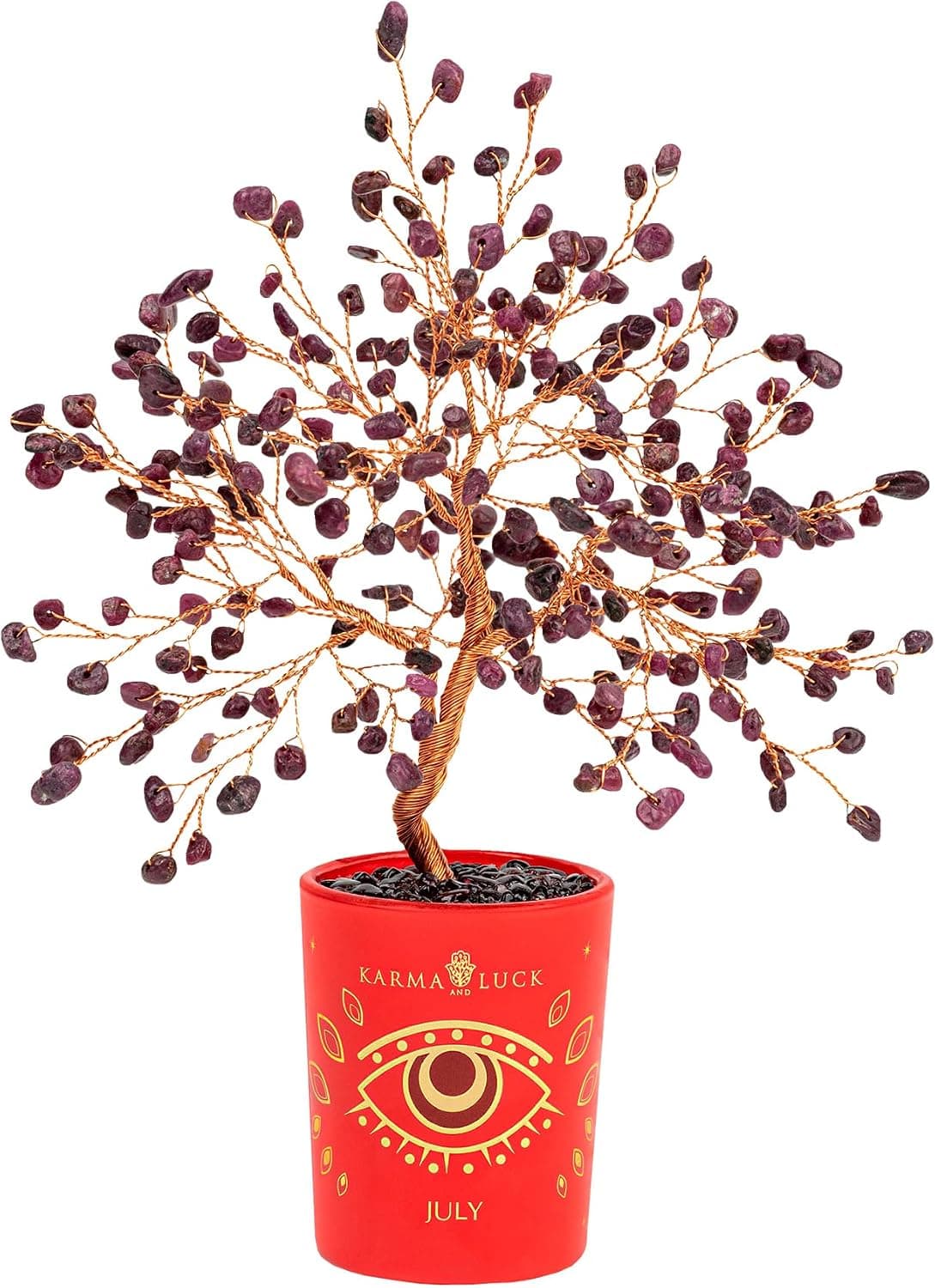 -29%
-29%Karma and Luck July Birthstone Crystal Tree of Life, Ruby Gemstone Feng Shui ...
As an Amazon Associate, we earn from qualifying purchases. We only recommend items our practitioners have personally tested.
Continue Your Journey
Explore these related guides to deepen your understanding:


Ready for Deeper Guidance?
Try our free I Ching reading for personalized wisdom, or explore our curated Feng Shui essentials.