The first thing visible from your back door can undo an otherwise careful garden faster than the plants themselves.
The Real Story Behind Feng Shui Garden Layout Backyard
The conventional thinking on Feng Shui Garden Layout Backyard has a fundamental flaw. I learned that in a narrow terraced home in Richmond, where the owner had spent weeks on curved paths, a brass bell, two red lanterns, and a row of healthy rosemary pots — yet every time I stood at the kitchen door, the view hit me like a slammed drawer. A garbage bin sat dead center beyond the threshold, the hose was coiled in a pale blue knot to the left, and a cracked concrete slab cut the sightline in half. The garden looked “done.” The household felt stuck. Not even close.
The common advice was all there: balance the elements, add plants, soften the corners. But the doorway tells the real story first. Your eyes do not wander randomly when you step outside; they lock onto the first clear shape, the brightest color, the hardest edge. That instant impression sets the tone for how a space is entered, used, and remembered. In classic terms, the mouth of qi opens at the threshold, so whatever sits straight ahead carries more weight than a decorative detail tucked in a side bed.
I’ve seen this mistake in a thousand variations. In one case, a teacher in a small Oakland house planted moonflowers along the fence and hung a crystal near a fig tree, then wondered why the family still avoided the yard after dark. From the back doorway, all she could see was the air-conditioning unit, three trash cans, and a leaning chair with a torn navy cushion. The garden had pretty parts. The approach was hostile.
That is the part people miss: a backyard is judged from the place you cross into it, not from the middle of a landscaping plan. If the first view feels cramped, broken, or unfinished, people hesitate. They stop stepping outside after dinner. Children drift elsewhere. A patio becomes storage. Then everyone blames “energy” in the abstract, when the problem was visible from the start.
Read how to map a home without forcing the geometry, and compare it with what goes wrong when a bagua is hung the wrong way. Once you see the yard through the doorway instead of from a catalog photo, the whole field changes.
What the Doorway Reveals Before Anything Else
Stand at the back door and look straight out. What catches your eye first? A bin, a fence seam, a path that disappears, or maybe a chair placed too close to the opening. That first line of sight matters because the body reads it before the mind forms an opinion. A clear axis invites movement. A cluttered one tells people to stay put.
In one suburban garden in Portland, the homeowners had a trellis covered with white jasmine and a neat stone path. Lovely on paper. From the mudroom, though, the view landed on a blue tarp covering stacked lumber, and the path pointed straight at it like an accusation. They complained of restless sleep and an odd tension at dinner. The house was not “cursed.” It was visually arguing with itself every afternoon.
Here’s the surprise: symmetry can fail if it frames the wrong thing. I’d rather see one honest tree at the end of a sightline than a formal arrangement that points to a utility box. The eye wants a destination. Give it one, and the nervous system softens. Deny it one, and people keep scanning, never fully settling into the space.
That is why line of sight beats decoration. You can buy another lantern. You cannot fake a view that feels open.
How Common Advice Backfires in Real Yards
People love the phrase “activate the wealth corner,” then march outside with a bag of objects. Wrong starting point. If the doorway view is ugly, noisy, or overloaded, the cure becomes another object competing for attention. I walked into a backyard in San Jose where a couple had placed a jade plant, three laughing Buddha figures, and a small fountain near the far right edge because a blog told them that zone was favorable. From the kitchen door, all you saw was a tangle of hoses, a plastic watering can, and the fountain splashing against a brick wall. Wealth corner? It looked like a storage shelf.
Another thing: people overdo curves when the eye actually needs a clean route. A winding path sounds poetic until it becomes uncertain. If visitors cannot tell where to walk from the threshold, they stop halfway and hover. I’ve watched this happen at parties. Guests cluster near the doorway, still holding their shoes or a drink, because the next step feels awkward. The garden has become a pause, not an invitation.
And don’t assume plants fix a bad composition. Dense planting can hide a problem, but it can also swallow the view. A hedge three feet high may look tidy from the street and oppressive from the back door. The result is practical, not mystical: people use the yard less, leave tools out longer, and quit noticing the space altogether.
When you adjust the sightline, the behavior changes first. People move more naturally. They water the bed they can actually see. They sit down without needing to mentally rearrange the scene. That is the quiet test.
How I Would Read a Backyard From the Doorway
Start at the exact spot where your house opens to the garden. Not two steps away. Not from the lawn. Stand with the door behind you and take in the first twelve to fifteen feet. Look for the object that dominates the view. Is it a bin, a grill, a bare wall, a narrow passage, a bright chair, a dead plant, or a patch of exposed dirt? That object is not a small detail; it is the headline.
Then check the line itself. Does the eye travel smoothly into the space, or does it crash into an edge? A path should feel like it knows where it is going. A bench should be placed where it can receive sight, not block it. If the view lands on a harsh fence, try softening that exact point with layered planting, a taller container, or a focal feature that belongs there instead of fighting it.
I once worked with a retiree named Elaine in a house near Santa Cruz. Her back porch had two wicker chairs with faded cream cushions and a cedar table painted green. From the French doors, the eye went straight to a rusted wheelbarrow parked beside a compost bin. She moved the wheelbarrow, trimmed a spiky agave that was scratching the walkway, and placed a terracotta urn where the eye had been snagged. Within a week she was taking tea outside again, every morning before nine. Same yard. Different entry feel.
Use the doorway as your inspection point, then make the first view simpler than you think it should be. People often add. I usually remove.
For deeper context on the house side of this equation, see why the center of a room sets the mood before the corners do and which bedroom habits quietly shape rest and closeness. The back garden follows the same logic: whatever greets you first gets to speak loudest.
Small Adjustments That Change the Whole Scene
Move the attention point, not just the objects. If the doorway opens onto a blank fence, hang one weather-safe piece of art or place a sculptural pot where the eye naturally stops. If the first thing visible is clutter, create a screen with a vine frame or a narrow hedge, then leave a deliberate opening beside it. The point is not concealment for its own sake. The point is giving the eye a place to land without feeling trapped.
Color matters more than people expect. A black bin beside a dark wall can vanish into heaviness, while a pale chair under strong sun can flare so sharply it interrupts the whole scene. I prefer one calm anchor and two supporting notes. In a brick yard with too much red already, for example, a green ceramic pot at the sightline often settles the view better than another bright accent. The wrong color can make a small space feel busy in five seconds.
Also watch the floor underfoot. Cracked paving, loose gravel, or a slippery patch right after the threshold tells the body to brace. A clean, dry, level start encourages movement. No philosophy needed. Just feet, eyes, and habit.
There is a reason old courtyard layouts paid so much attention to the gate and the first turn. They understood that arrival shapes use. You can have healthy soil, good sun, and expensive plants, yet still lose the room if the first glance feels like an obstacle course.
One sentence matters here: treat the doorway as the true frame of the garden.
Where This Connects to the Bigger Picture
Backyard layout never lives alone. The way the eye moves from the house into the garden echoes the same principles you see in the front approach, the main room, and even the bedroom. If a back door opens onto chaos, people carry that tension back inside. If it opens onto a clear, generous view, the body settles faster. That is why I keep cross-checking the house against the garden instead of treating them as separate projects.
You can see the same pattern in the way the bagua gets misread, or in the way people chase objects instead of structure. A crystal does not repair a bad sightline. A planter cannot compensate for a blocked exit. And no amount of wishful thinking will make a yard feel inviting if the first thing you meet is a broken hose reel and a chair leg missing its cap. The eye knows. The body knows earlier.
For a deeper understanding of how directional reading works, look at why compass readings go wrong so easily and pair that with how element imbalance shows up even when the layout looks fine. Those ideas help, but they still need a physical frame. Without the frame, the rest is guesswork.
One winter afternoon, I stood in a Berkeley garden where the owner had installed a small fountain, three lanterns, and an expensive stone bench. From the doorway, the fountain was hidden behind a recycling cart. The bench faced a wall of ivy. The lanterns hung too high to matter. He asked why the garden never felt finished. I pointed at the cart. He laughed, then moved it. The laugh stopped when he sat down outside the next day and realized he had never really seen his own yard.
That is the uncomfortable lesson. The view from the threshold is often the truth you have been walking past.
FAQ
Is conventional Feng Shui Garden Layout Backyard advice reliable?
Often not by itself. Most advice focuses on objects, colors, or symbolic fixes before checking the view from the door, and that is backward. If the first sightline is blocked or harsh, the rest of the setup has to work twice as hard.
Should I always use curved paths in the yard?
Not automatically. A curve can feel elegant, but if it hides where to go or leads the eye into clutter, people hesitate. I’d rather have a simple path that feels obvious than a graceful one that makes visitors stop and wonder.
What if my back door faces a fence or wall?
Then the wall becomes part of the composition, whether you like it or not. Give the eye a focal point near that surface, soften the hard edge with layered planting, and keep the area directly outside the door calm. Surprising fact: a blank wall is easier to work with than a messy one.
Can I fix a bad backyard without a full redesign?
Absolutely. Move the obstruction, simplify the first view, and remove one distracting item at a time. People notice the change before the plants do, which tells you you’re working on the right layer.
At dusk, the back door glows a little in the frame, and the first thing outside either welcomes you or pushes you back inside. Which one is yours?
Mei Chen
Traditionally informed guidance • Cross-referenced with classical Chinese source texts
Content draws from both Compass (Luopan) and Form (Xingshi) school traditions. Illustrative examples are composites based on consultation experiences.
Practitioner-Selected Tools for This Topic
Items our team has tested and found effective for the principles discussed above. Individual results may vary.
 -19%
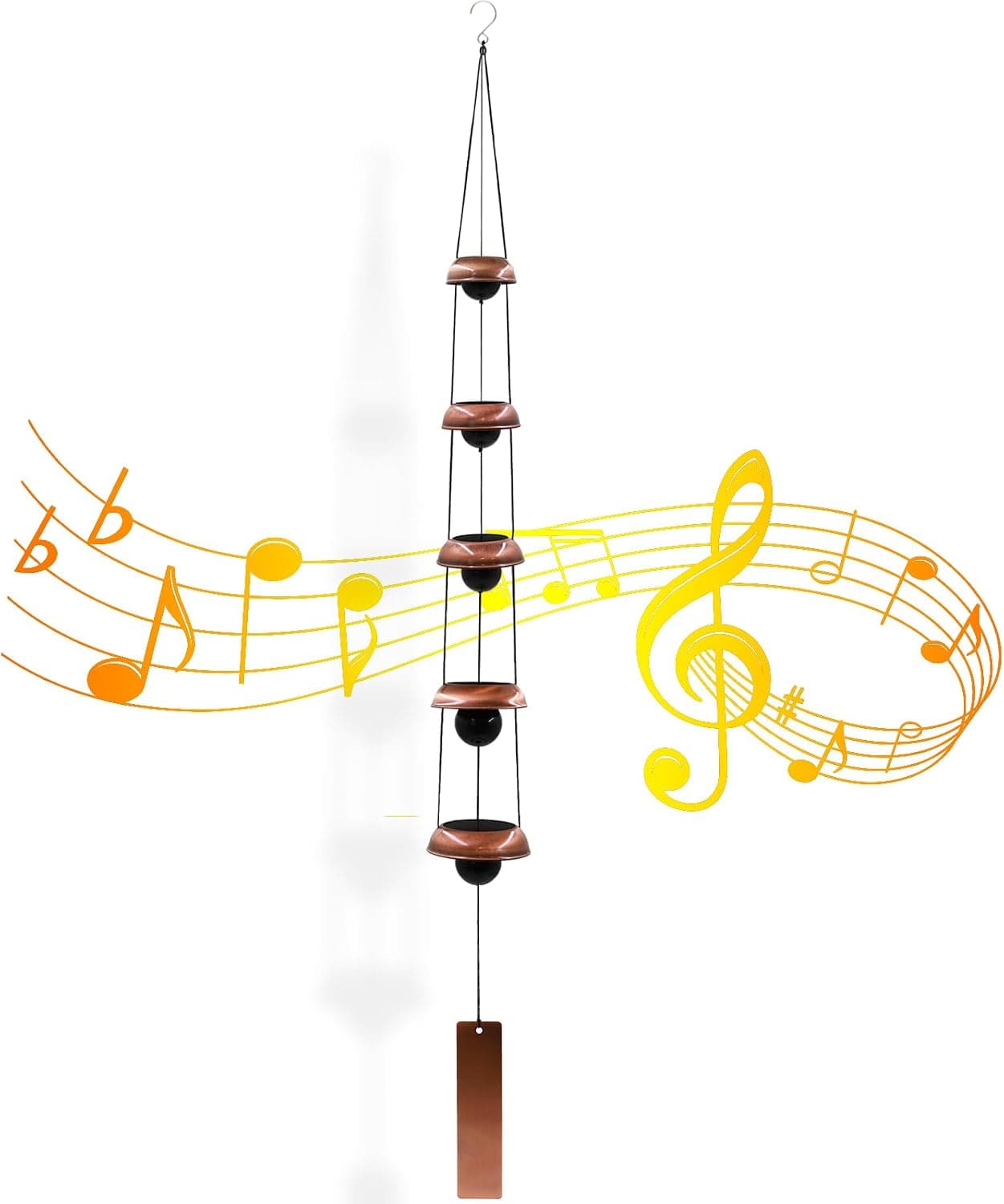
-19%Wind Chimes for Outside with 5 Bell Unique Copper Musical Chimes Feng Shui Wi...
 -5%
-5%YU FENG Evil Eye Money Tree, Blue Feng Shui Decor with Golden Buddha
 -29%
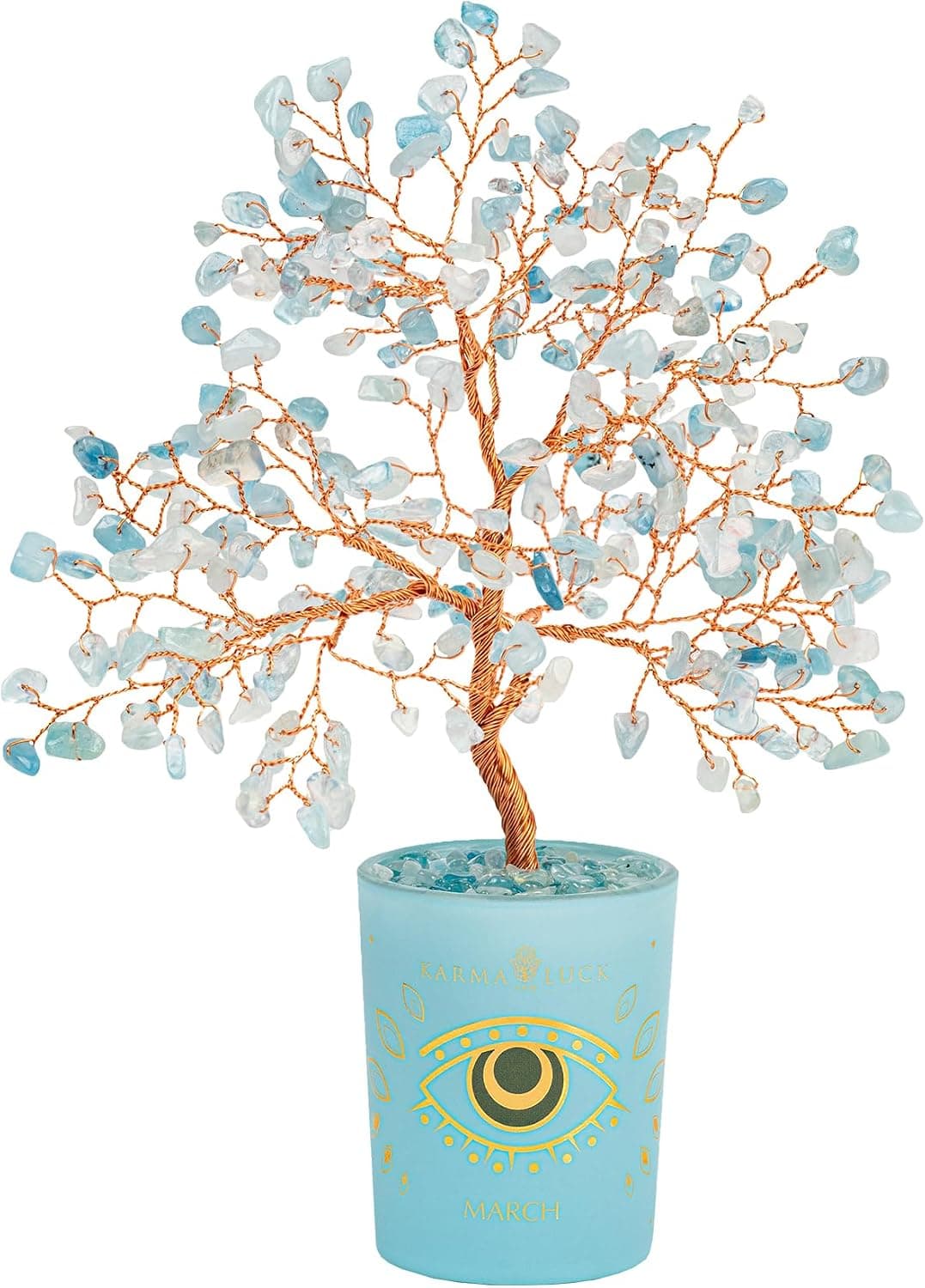
-29%Karma and Luck March Birthstone Crystal Tree of Life, Aquamarine Gemstone Fen...
 -29%
-29%Karma and Luck July Birthstone Crystal Tree of Life, Ruby Gemstone Feng Shui ...
As an Amazon Associate, we earn from qualifying purchases. We only recommend items our practitioners have personally tested.
Continue Your Journey
Explore these related guides to deepen your understanding:


Ready for Deeper Guidance?
Try our free I Ching reading for personalized wisdom, or explore our curated Feng Shui essentials.