The wrong mirror turn can flatten a garden. The right one makes it breathe.
What Most Guides Overlook About Feng Shui Garden
when people place a mirror and call it finished. I walked into a courtyard in Oakland last spring where the owner had done everything by the book: clay pots, a small fountain, red lanterns, even a pair of stone lions near the gate. Yet the place felt tight. The jasmine looked healthy, but nobody lingered there. They crossed the paving stones quickly, like they were leaving a waiting room. That was the clue. The problem wasn't the plants. It was the angle.
Mirror geometry changes movement. A mirror set square to the main path can catch light and send the eye outward, which makes a narrow garden feel longer and calmer. Tilt it a little too much toward the house, and it starts throwing the garden back at itself. Paths feel doubled. Edges feel sharp. People get restless without knowing why. Not even close to the same effect.
I see the same mistake in city backyards: someone places a reflective disc opposite the patio door, thinking it will “expand” the space. Instead, it bounces the door's energy straight back into the seating area. Tea cups get left half-finished. Conversations shorten. The dog won't sit there. One inch can matter; three degrees can matter more.
Here is the part that surprises most people: the garden often improves when the mirror is not facing the center at all. Set it to catch a side view — a tree line, a climbing rose, the curve of a gravel border — and the space stops fighting itself. The reflection becomes a soft extension, not a rival. That is why conventional advice sounds right yet fails in real yards. It treats reflection like a decoration. It isn't. It is a directional force.
Mirrors in outdoor spaces should be treated like water features with a frame. Both move qi, both can overstate what is already there, and both turn careless placement into noise. A mirror that catches the afternoon sun at 4:30 near the west fence can make a shaded corner feel alive. The same mirror, rotated toward a bedroom window, can wake you before dawn. I've seen a nursery in Pasadena where the parents swapped a glossy metal panel for a matte ceramic trellis and the baby finally stopped waking at 2 a.m. every night. Small change. Big effect.
For a practical setup, aim the mirror so it greets the garden from an angle rather than confronting it head-on. If your patio runs east to west, try a slight north-east tilt so it catches morning light without slicing the sightline back toward the door. Keep it below eye level if the yard is small. Keep it well above the sprinkler spray. And never let it frame a trash bin, a dead hedge, or a cluttered shed. The reflection is the message.
Living rooms teach the same lesson indoors: what sits in the middle governs the feel of the whole space. In a garden, the center is often visual, not physical. A mirror can either open that center or fracture it. That's why the old habit of adding more cures keeps failing. More objects. More red. More metal. It looks busy, and busy is not the same as balanced.
People love the idea that any shiny surface brings brightness. Wrong. Brightness without direction becomes glare. A garden mirror near a white stucco wall, especially one already catching hard sun, can create a harsh flash that makes even a calm bench feel exposed. Put that same mirror beside a dark camellia hedge and it draws the eye into depth. Same object. Opposite result. The geometry decides.
Why the Usual Advice Keeps Spreading
Conventional advice survives because it is easy to copy. A mirror goes here. A fountain goes there. A crystal goes in the corner. Done. But gardens are not shelves. They shift with season, weather, and foot traffic. One Friday evening in a Berkeley side yard, I watched a homeowner move a round mirror from a fence opposite the kitchen to a post beside a fig tree. The space changed in ten minutes. The yard felt wider, the herb bed looked less crowded, and the dinner guests stopped drifting back inside after the first course.
The reason is simple enough. People respond to reflection before they understand it. The nervous system notices repeated edges, bright flashes, and doubled depth. If the reflection points into the house, the brain reads intrusion. If it points along a path, the brain reads invitation. That is why a mirror can either amplify the garden's breath or reverse it. Same surface. Different vector.
One of the money corner mistakes that quietly undo the setup is treating every reflective cure as if it should be centered and symmetrical. Outdoor space punishes that habit. Symmetry is only helpful when the bones of the yard already support it. Otherwise, it makes the mirror look like a gate that leads nowhere. The eye notices the dead end and stops trusting the layout.
Not every bright object belongs in a yard. Not every open area needs filling. Sometimes the smartest move is restraint: one reflective surface, placed to borrow a view rather than dominate it. A narrow lane beside a lemon tree, a patch of sky above the roofline, a cluster of bamboo swaying just out of reach — those are the kinds of images that extend qi without turning the garden into a hall of mirrors. Quiet does more work than decoration ever will.
There is also the matter of timing. Morning light is forgiving. Late-day sun can be brutal. A mirror that feels lovely at 8 a.m. may become a glare machine at 5 p.m. In one Santa Fe courtyard, a retired architect had installed a polished oval opposite the west wall. By late afternoon, the reflection hit the dining chairs and made everyone squint. We rotated it twenty degrees toward a silver-leafed olive tree, and the whole space settled. No miracle. Just correct angles.
Bedroom placement rules are stricter because sleep is sensitive. Outdoor rules are looser, but not loose enough to ignore physics. A garden mirror should never create a straight rebound into an occupied room. It should soften boundaries, not sharpen them. That is the line most advice crosses without noticing.
When the Mirror Helps and When It Backfires
A mirror helps when the garden already has a clear spine: a path, a border, a focal tree, a gate. Place it so the reflection continues that line. It backfires when the yard is already cluttered and the mirror multiplies the clutter. In a cramped courtyard, reflection can turn three pots into six, and six pots into visual static. The result feels crowded even if nothing physically changed.
Think about corners. A shallow corner with a matte wall can disappear. A mirror in that spot can rescue it, but only if it catches something worth seeing. A fern with movement. A lantern with warm light. A vine spilling over a trellis. Put the mirror opposite a compost bin and you will get exactly what you deserve. No charm. Just compost, twice.
One client in Toronto had a long balcony garden with cedar boxes, blue hydrangeas, and a black metal chair she never used. The mirror sat dead center at the railing, facing the door. She complained that the space felt “too loud” even on quiet mornings. We moved the mirror to the far left, angled toward the skyline and a flowering pear. The chair became a reading spot within a week. She started taking breakfast outside again. That is what correct reflection does: it invites use.
Surprise matters here. A mirror can make a small space feel larger, but a larger-feeling space is not always better. If the garden is supposed to support rest, the reflection should slow you down, not pull you forward. If the space is for entertaining, the reflection can lift the mood and keep the eye moving. The same tool, different job.
Plants in the wealth corner follow similar logic: vitality only works when the setting supports it. A healthy plant in the wrong location can still feel awkward. The garden mirror is no different. It magnifies whatever it faces, including the mistakes.
So ask a harder question before hanging one. What is the mirror reflecting? A view that calms, or a view that interrupts? If the answer is interruption, the placement is wrong no matter how elegant the frame looks. Pretty is not the same as aligned.
How to Place It Without Guessing
Start by standing where you actually spend time: by the bench, the kitchen door, the potting table, the back step. Look at what the mirror would return from that point. You want movement, depth, or sky. You do not want a trash can, a hose reel, or the neighbor's broken fence. Measure the angle in relation to your body, not your fantasy. If it makes you turn your head hard to use it, the placement is already asking too much.
A practical method works well. Hold the mirror at shoulder height near the intended spot and slowly pivot it until the reflection includes one pleasing object and excludes one ugly one. Then leave it alone for two days. Watch what happens at breakfast and again at dusk. If the space feels jumpy, lower the angle a few degrees or shift it away from the main approach. Tiny adjustments matter more than new purchases.
Materials matter too. A polished stainless panel gives a harder rebound than aged glass. A weathered mirror with slight softness around the edges feels gentler in the garden, especially beside stone or timber. Black frames can anchor the reflection, while bright chrome can steal the scene. If the yard already has red brick, a metal bench, and glazed pots, adding another gleam may overheat the composition. Too much shine, and the whole place starts buzzing.
Do not place a mirror where it catches every passerby. Privacy counts. When you can see yourself constantly while crossing the patio, you stop feeling at ease. That is not theory. It shows up as skipped time outside, closed blinds, and a reluctance to sit for long. The garden gets used less. The energy thins out.
Reading a feng shui compass wrong creates similar confusion indoors and out. Direction is not decoration. It determines what the object pulls toward it and what it sends back. If you want a mirror to extend a garden, align it to continue a line of growth, not to bounce energy into the most active doorway.
Here's a clean test: stand at the threshold, half inside and half out, and glance at the mirror. If it makes the garden feel deeper without making the house feel exposed, you're close. If it pushes your attention back into the room, or if you catch a flash of your own face instead of the garden, the angle is off. Simple test. Honest result.
Why People Get This Wrong
Because the internet loves objects more than relationships. A list of cures is easier to sell than a discussion of sightlines, sun paths, and human attention. But a garden is a moving conversation between surfaces. The mirror joins that conversation whether you understand it or not.
Another reason: people want certainty. They want to know the exact spot, the exact height, the exact cure. Real sites are messier. A west-facing yard in Phoenix behaves differently from a shaded townhouse courtyard in Seattle. A mirror that works beside cedar in one climate can feel harsh next to limestone in another. You have to read the place. The place first.
I've seen dozens of gardens where the owner copied a setup from a glossy photo and then wondered why the space never felt inviting. The photo never showed the noon glare. It never showed the clutter beyond frame. It never showed the bench nobody could sit on because the reflection kept pulling attention sideways. A photograph can flatter a mistake. Real life exposes it.
For people who want a grounded place to start, study the basic Bagua layout before hanging anything reflective. Then check how the mirror interacts with the main path, the strongest light, and the most used doorway. After that, compare the effect against the planting density. A mirror beside sparse gravel behaves differently from one near dense foliage. Context changes everything.
And yes, sometimes the best move is no mirror at all. That answer irritates people because it sounds unhelpful. Yet a quiet corner with a single chair, a low lantern, and one healthy vine can do more for a home than a reflective panel trying too hard to be clever. The garden does not need performance. It needs coherence.
FAQ
Is conventional Feng Shui Garden advice reliable? Often not, because it treats every yard like a diagram instead of a lived space. A mirror that looks correct on paper can still throw glare into a dining area or bounce attention back toward the house. The result is a space people admire and avoid.
What angle usually works best for a garden mirror? A slight turn that borrows a view is usually better than a straight-on reflection. Aim it to extend a path, frame a tree, or catch sky without aiming directly at a door or seating area. That small slant changes how the whole garden feels.
Can a mirror be useful in a tiny courtyard? Yes, and sometimes it is the only thing that stops the space from feeling boxed in. The catch: it must reflect something worth doubling, not bins, hoses, or a blank wall. Put it where the eye gets relief, not repetition.
What if the garden already feels busy? Then the mirror should probably be removed, not adjusted. Busy yards rarely need more visual movement; they need fewer competing surfaces. Start by reducing glare and clutter, then see whether reflection still earns its place.
Should the mirror face plants or open space? Plants are usually safer, especially ones with movement or shape. Open space can work if it includes sky or depth, but a bare patch of paving often feels sterile when doubled. The reflection should feel like an invitation, not an echo chamber.
How do I know if the placement is wrong? Watch your body. If you avoid that part of the yard, squint when you pass it, or stop sitting there as long, the mirror is probably throwing the space out of balance. The garden will tell you before the theory does.
Mei Chen
Traditionally informed guidance • Cross-referenced with classical Chinese source texts
Content draws from both Compass (Luopan) and Form (Xingshi) school traditions. Illustrative examples are composites based on consultation experiences.
Practitioner-Selected Tools for This Topic
Items our team has tested and found effective for the principles discussed above. Individual results may vary.
 -19%
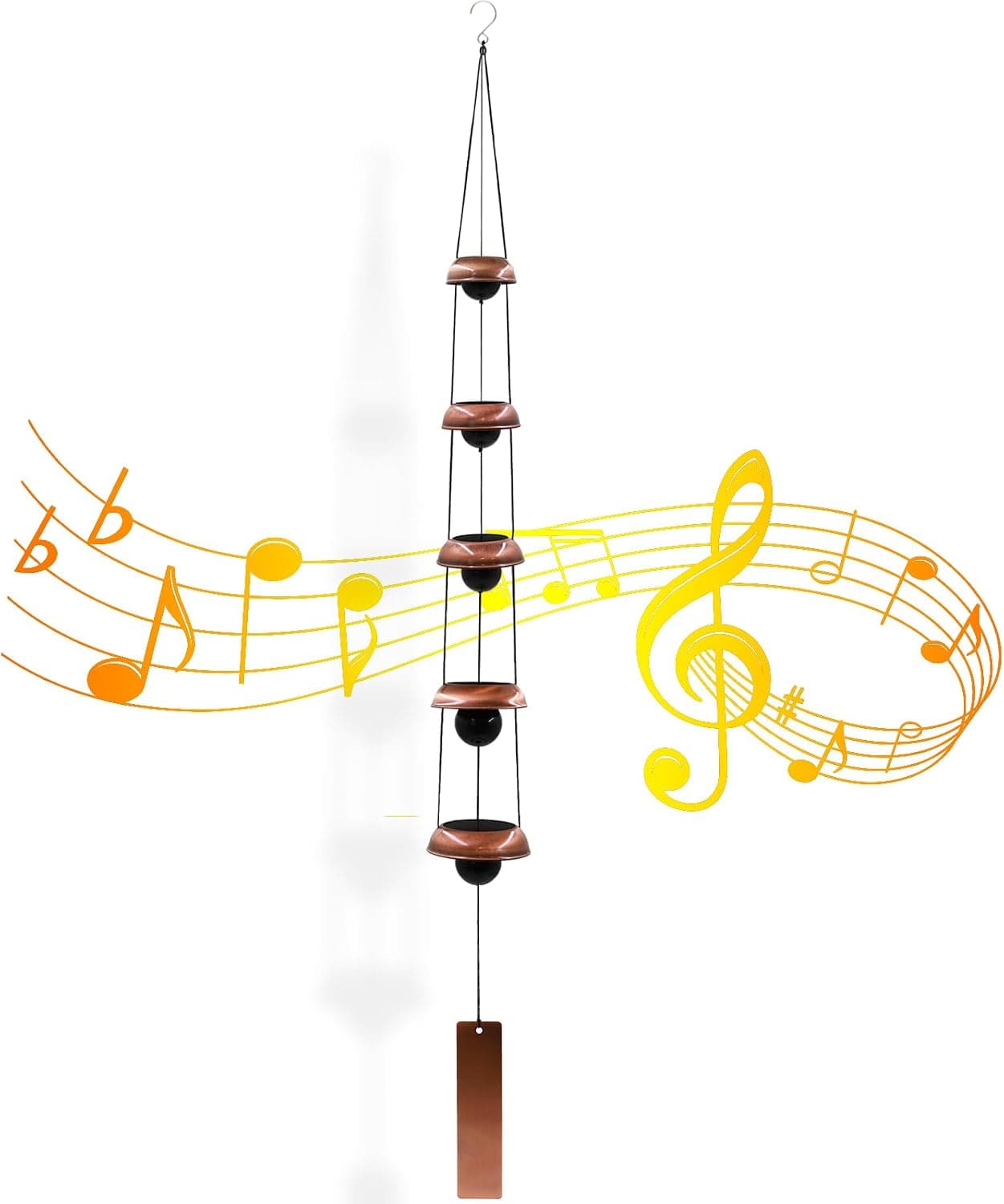
-19%Wind Chimes for Outside with 5 Bell Unique Copper Musical Chimes Feng Shui Wi...
 -5%
-5%YU FENG Evil Eye Money Tree, Blue Feng Shui Decor with Golden Buddha
 -29%
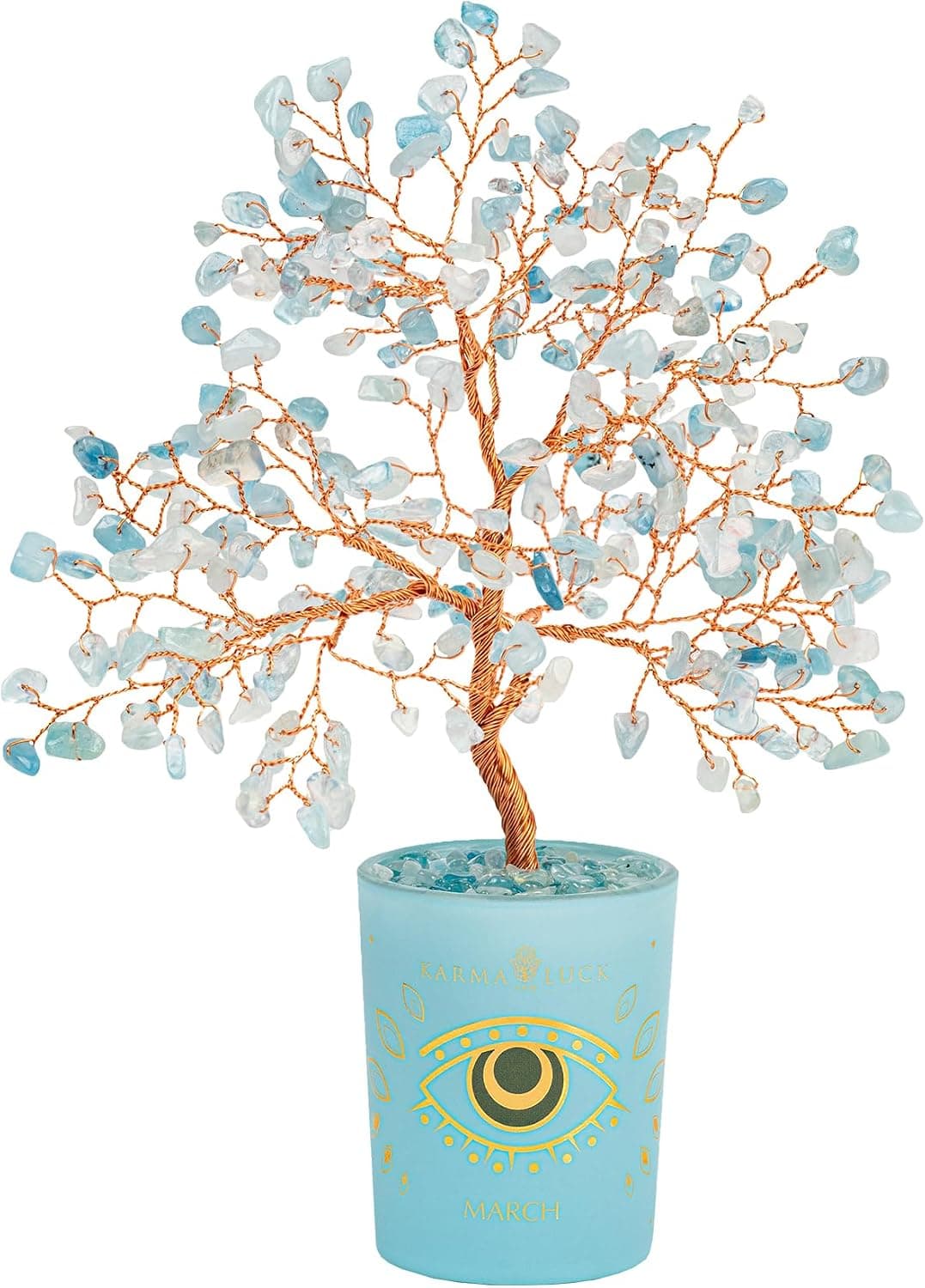
-29%Karma and Luck March Birthstone Crystal Tree of Life, Aquamarine Gemstone Fen...
 -29%
-29%Karma and Luck July Birthstone Crystal Tree of Life, Ruby Gemstone Feng Shui ...
As an Amazon Associate, we earn from qualifying purchases. We only recommend items our practitioners have personally tested.
Continue Your Journey
Explore these related guides to deepen your understanding:


Ready for Deeper Guidance?
Try our free I Ching reading for personalized wisdom, or explore our curated Feng Shui essentials.