The wrong sofa angle can make a room feel tense, even if it looks beautiful.
The room looks finished, but your body says otherwise
You know that odd feeling when a room is beautiful and still somehow tiring? I’ve seen it in new apartments, renovated family homes, and even expensive lofts with designer chairs that nobody wants to sit in for long. The problem is rarely the color palette. It’s usually the way the furniture is telling your nervous system to stay on guard.
One client, a nurse named Elena, had a navy sectional pushed tight against the wall, a glass coffee table with sharp corners, and a dining chair facing the hallway like it was on watch. She kept saying the room felt “busy” even though it was almost empty. After we changed the seating angle, moved the table a few feet, and opened a clearer path from the entry, she slept better within a week. That is the part people miss: furniture placement affects how safe a room feels before you ever notice the decoration.
If you want a practical framework, start by treating the room like a conversation between movement, support, and sightlines. That is where the bagua map for beginners can help you orient the space, but the real work happens at floor level. Where do you walk? Where do you stop? Where do your eyes land first? Those three questions reveal more than any trendy arrangement ever will.
I walked into a small guest room last spring and found a white dresser directly opposite the bed, a mirrored closet door reflecting the pillow, and a chair wedged beside the window with a pile of folded laundry on it. The homeowner said she never used the room except for storage. Of course she didn’t. The room had no invitation in it. It had obstacles, glare, and no sense of rest. Once we shifted the dresser to a side wall and cleared the window area, the room stopped feeling like a hallway with furniture in it.
Start with command, then soften the path
The best furniture arrangement gives your body a clear sense of command. In plain terms, you should be able to enter a room, understand where you are, and choose a seat without feeling pinned, cornered, or exposed. This is the foundation behind good feng shui furniture placement, even if you never use those words again. A sofa should not block movement. A bed should not float helplessly in a traffic lane. A desk should not force your back to the door unless there is absolutely no other workable option.
People often assume the biggest piece should go against the longest wall and the rest will sort itself out. Sometimes that works. Often it creates a dead arrangement where circulation becomes awkward and the room feels flatter than it should. I’ve seen a beautiful oak dining table ruin a whole space simply because the chairs made it impossible to pass behind them without bumping a hip. Function is not separate from energy. Function is energy.
There is also the matter of visual weight. A heavy cabinet on one side of the room and nothing on the other can make a space feel lopsided, even if the measurements are technically balanced. The eye wants a bit of symmetry, but the body wants ease. That balance is what makes a room feel settled rather than staged.
Use the room’s main pieces as anchors
Begin with the largest pieces first: sofa, bed, dining table, desk, wardrobe. Do not start with decor. Decor comes later, when the structure is already doing its job. Place the main piece so it has support behind it, room to breathe in front of it, and a natural relationship to the entrance. A sofa with a solid wall behind it feels calmer than one drifting in the middle of nowhere. A bed with a clear view of the door often settles the room more quickly than one pressed awkwardly into a corner.
When I assess a room, I look for direct hits and defensive postures. A chair aimed straight at a doorway can feel confrontational. A bed foot pointing directly at the door can feel exposed. A desk jammed under a window may look bright, yet still make concentration harder because the view keeps pulling attention away. People call that a distraction problem. It is often an arrangement problem.
If you want help translating the room into zones, the living room placement principles that calm a home are a useful reference, especially when the space has more than one purpose. Seating needs conversation lines. Tables need reach. Walkways need to stay open. Good placement respects all three at once.
Practical guidelines that actually hold up in real homes
Start by creating one clean path into and through the room. If you have to sidestep a chair, squeeze past a table edge, or twist around a lamp every time you enter, the room is already working against you. Clear paths are not just about convenience. They reduce friction. And friction, in feng shui, shows up as stress, delay, and the quiet urge to avoid a room altogether.
Next, anchor the tallest or heaviest item to something solid. Bookcases, wardrobes, and large cabinets tend to feel best when they are not floating awkwardly in open space. If a tall object must stand in a more exposed position, give it visual support with neighboring furniture or a grounded arrangement nearby. A lone tall cabinet in the middle of a wall can feel like a soldier standing at attention. A grounded cabinet in a complete composition feels intentional.
Then look at where people sit, sleep, or work. These are the places where the body becomes still, so these are the places that reveal the most. If the room is for relaxing, seat the main chair or sofa so it can see the entry without facing it dead-on like an interrogation. If the room is for sleep, keep the bed accessible from both sides whenever possible. If the room is for work, a solid backdrop behind the chair usually feels better than open space or visual chaos.
Small adjustments matter more than dramatic ones. Rotating a chair thirty degrees can change the whole feel of a corner. Pulling a dining table six inches off the wall can make a room breathe. Moving a side table out of a direct line can stop the constant shoulder bump that quietly irritates everyone. These are humble fixes, but they work because they remove resistance.
And yes, color matters, but placement comes first. A gorgeous chair in the wrong spot still creates tension. A plain chair in the right spot can feel restful. That surprises people, especially those who think they need more objects, more accessories, more cures. Usually they need less clutter and better structure.
Two mistakes I see all the time
The first is forcing everything against the walls. People do this because they want the center open, and sometimes that’s smart. But when every piece is shoved outward, the room can feel strangely stiff, as if no one is invited to settle in. Furniture needs relationships, not just boundaries. A side table beside a sofa, a lamp near an armchair, a bench that helps define a passage — these connections matter.
The second is ignoring the entry sightline. If the first thing you see from the doorway is the back of a chair, the corner of a cabinet, or a tangle of cords, the room starts with resistance. For a better first impression, study the approach from the door and make the first view more open and welcoming. If that problem starts at the threshold, read how the front door sets the tone for the whole house and work outward from there.
One more thing: not every room needs a dramatic centerpiece. Sometimes the healthiest choice is to remove one piece that is crowding the flow. That can feel almost too simple. People expect ritual. Often, relief comes from subtraction.
For deeper room planning, a good structure matters more than a dozen remedies. If you’re choosing between a new sofa, a new mirror, and a pile of decorative objects, begin with the sofa. Mirrors can amplify confusion if they are placed without thought, and too many small objects create visual noise. Strong placement gives every other item a better job to do.
What to do when the room has an awkward shape
Odd rooms need clearer roles. A long narrow room works better when it is divided into visible zones rather than treated as one stretched-out corridor. A square room often benefits from a stronger focal point so the energy doesn’t swirl without direction. A room with too many doors needs furniture that creates calm boundaries without blocking movement. The goal is not perfection. The goal is coherence.
If a room has a bay window, alcove, or slanted wall, stop trying to make the furniture obey the architecture exactly. That usually creates stiffness. Instead, use the shape to support the human activity in the room. A reading chair belongs in a bright nook. A storage piece belongs where it can quietly disappear. A bed or desk should claim the most stable-feeling position available, not the prettiest one on paper.
When in doubt, stand in the doorway and ask three blunt questions: Where does my eye rest first? Where does my body want to move? What piece feels most exposed? Those answers will tell you more than a floor plan. They also reveal whether the room is supporting you or making you work for every inch of comfort.
Small shifts, real results
I once helped a retired architect in a pale green den with a walnut desk, a brass reading lamp, and two mismatched lounge chairs. He was convinced the problem was his age or his attention span. It wasn’t. The desk faced a blank wall too closely, one chair blocked the window, and the room had no clear anchor after dark. We reoriented the desk, moved the chair out of the window’s path, and added a grounded side table between the chairs. Two days later he told me he stayed in the room for an extra hour without feeling irritated. That is how furniture placement works when it’s done properly. Quietly. Noticeably.
That is also why so many people reach for decor cures too soon. They buy candles, sculptures, and shiny objects, then wonder why the room still feels off. Start with the bones. Then add the ornaments. You can see a similar principle in a workspace that supports focus instead of draining it, where the placement of the main desk matters more than any accessory on top of it.
If you want a final test, sit in the room for five minutes with no phone, no music, and no task. If you feel the urge to shift, fidget, or leave, the arrangement is still asking too much of you. If you feel your shoulders drop and your breathing slow, you are close. That is the standard. Not beauty alone. Not symmetry alone. Ease.
FAQ
How do I know if a sofa is in the right spot?
Look at the room from the doorway first. If the sofa helps define the space without blocking movement or making the seating area feel defensive, you’re on the right track. A solid wall behind it usually helps, but the room’s traffic flow matters just as much.
Should every bed or desk face the door?
Surprisingly, no. Direct alignment can feel too exposed in many rooms. A better setup often lets you see the door without being directly in line with it, so the body feels informed rather than targeted.
What if my room is too small to follow these rules?
Small rooms are where placement matters most. You may not have many options, but even a slight shift in angle or distance can improve the feel. In tight spaces, removing one obstructive piece often does more than adding a new remedy.
Do I need to use the bagua for furniture arrangement?
Not every room needs a full overlay before you make changes. Basic movement, support, and sightline principles will take you far. If you want a deeper layer of meaning, then the bagua becomes useful as a second step rather than the starting point.
Mei Chen
Traditionally informed guidance • Cross-referenced with classical Chinese source texts
Content draws from both Compass (Luopan) and Form (Xingshi) school traditions. Illustrative examples are composites based on consultation experiences.
Practitioner-Selected Tools for This Topic
Items our team has tested and found effective for the principles discussed above. Individual results may vary.
 -19%
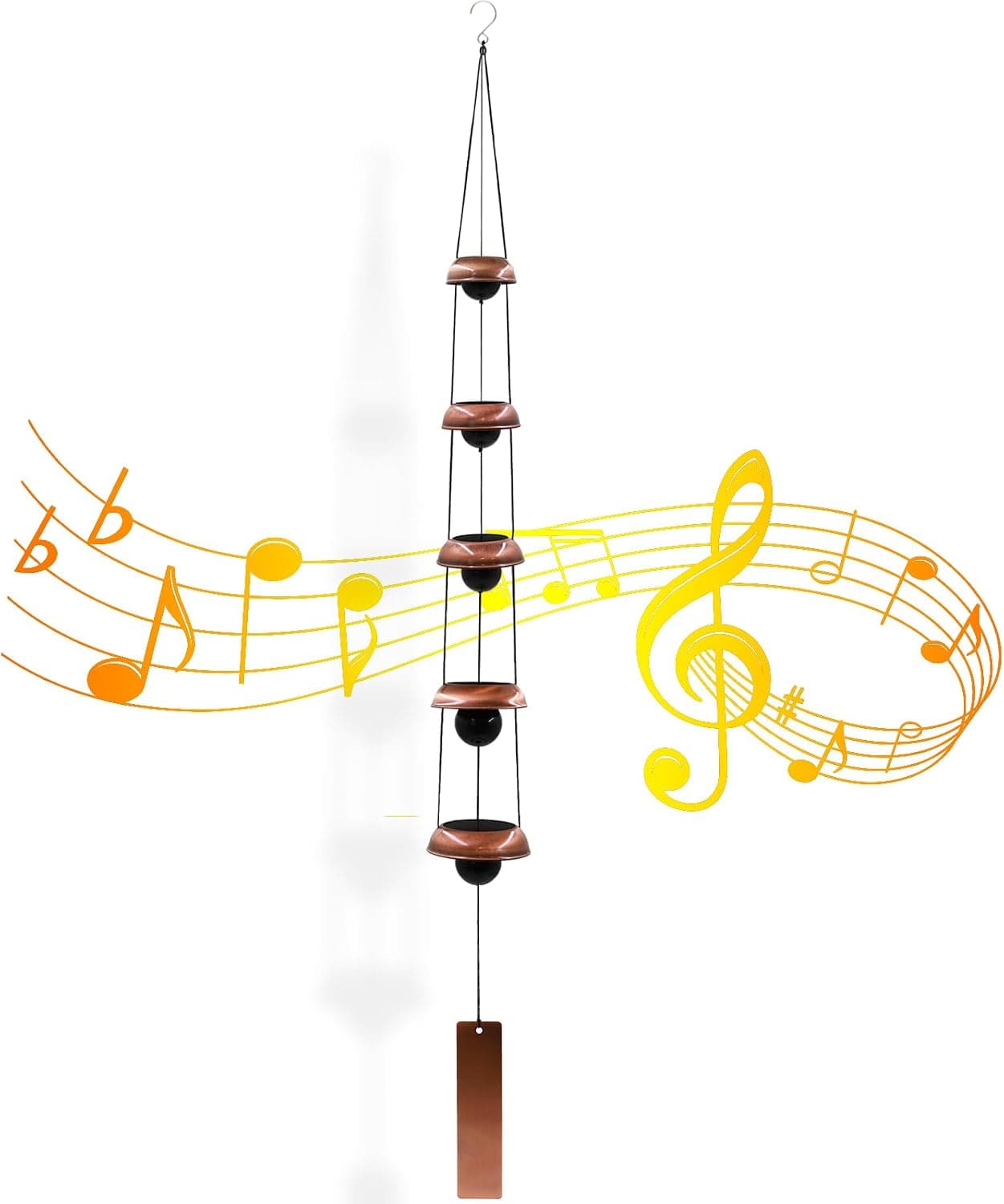
-19%Wind Chimes for Outside with 5 Bell Unique Copper Musical Chimes Feng Shui Wi...
 -5%
-5%YU FENG Evil Eye Money Tree, Blue Feng Shui Decor with Golden Buddha
 -29%
-29%Karma and Luck March Birthstone Crystal Tree of Life, Aquamarine Gemstone Fen...
 -29%
-29%Karma and Luck July Birthstone Crystal Tree of Life, Ruby Gemstone Feng Shui ...
As an Amazon Associate, we earn from qualifying purchases. We only recommend items our practitioners have personally tested.
Continue Your Journey
Explore these related guides to deepen your understanding:


Ready for Deeper Guidance?
Try our free I Ching reading for personalized wisdom, or explore our curated Feng Shui essentials.