Your entry looks beautiful, yet the house still feels tired, tense, or unlucky. The problem is usually at the front door.
You did everything right. The door still feels off.
You bought the crystals. You put the little red welcome mat down. Maybe you even pinned a Bagua map near the entrance and felt, for one hopeful week, that the house was finally cooperating. Then the place went back to being strange: bills arriving late, sleep getting lighter, arguments starting over nothing. That is exactly how front-door feng shui exposes itself. It rarely announces itself with drama. It leaks.
I’ve walked into houses where the entry looked polished enough for a magazine spread and still felt flat, almost airless. One architect in Oakland had a matte black door, a glossy brass knocker, and a perfect runner in the hall. He was sure the entry was “strong.” His wife, a nurse, told me they had been sleeping badly for six months and fighting about money for three. The front door was beautiful. It was also working against them.
That is why so many feng shui front door mistakes are invisible to the eye and obvious to the body. You feel them as tension, hesitation, cluttered thinking, and that irritating sense that nothing is sticking—no matter how hard you try to “manifest” a better home.
Mistake 1: Treating the front door like a display shelf
People pile lanterns, seasonal signs, welcome plaques, oversized wreaths, and decorative objects right on or around the door because it feels warm and inviting. The logic is easy: more decoration means more personality, more life, more good energy. But a front door is not a mood board. It is a threshold, and thresholds need breathing room.
When the entrance is visually crowded, chi slows before it enters. The result is subtle but real: delayed opportunities, sluggish money flow, and a household that feels perpetually “almost ready.” I once saw this in a narrow townhouse entry with three hanging signs, a basket of umbrellas, and a stack of unopened packages. The resident, a teacher named Maya, said her pay increases kept getting postponed. We cleared the visual congestion, and within a month she reported a smoother work rhythm and less friction every time she walked in after school.
The surprise here is that warmth is not the same thing as clutter. A clean, open entry feels far more welcoming than a crowded one.
Mistake 2: Ignoring the direction of the door
People choose colors, accents, and objects based on taste alone, then wonder why the entrance feels mismatched. That is where door orientation matters. A south-facing door does not behave like a north-facing one, and a metal-heavy entry does not support every direction equally.
The mistake feels reasonable because design advice teaches you to choose what looks good. Feng shui is less forgiving. If the facing direction and the elements are fighting each other, the home can develop relationship tension, restlessness, or a weird “push-pull” feeling around decisions. I have seen people repaint a door three times and still miss the issue because they never checked the compass.
A beige front door on a west-facing house can be fine in some cases, but put the wrong shade on the wrong exposure and the entry can feel oddly drained by late afternoon. That is not aesthetic failure. That is energetic friction.
Mistake 3: Using the wrong color because it looked nice in the store
Someone sees a rich red, a deep navy, or a polished gray and thinks, That looks expensive. That must be good feng shui. Color without context is where many people go wrong, and front-door color choices are one of the fastest ways to create imbalance at the threshold.
The front door is not a standalone object. It is part of a larger energetic system tied to direction, surroundings, and the home’s needs. A color that supports one house can suppress another. I once visited a small bungalow with a brilliant red door on the north side. The owner, a retiree, loved how bold it looked, but she also complained that her sleep had become light and her bank account felt “leaky.” We changed the approach to something more aligned with the direction, and the house stopped feeling like it was shouting all day and all night.
People often think color is just decoration. It isn’t. It is one of the loudest signals a house sends.
Mistake 4: Blocking the door with shoes, mail, or a bench that is too big
Every entry gathers stuff. Shoes. Keys. Dog leashes. Grocery bags. A bench becomes a catchall. It feels practical, and in a busy household it can even feel necessary. But when objects sit in the path of the door, they interfere with the movement of qi before it can settle into the home.
The consequence is usually physical before it is financial: sleep disruption, short tempers, and that irritating feeling of dragging energy from room to room. A chef I worked with had a long wooden bench pressed too close to the door in a condo entry. He liked that guests could sit there, but his partner said the apartment felt cramped the second they came in. After we moved the bench, the whole entry relaxed. Their arguments about “small stuff” dropped almost immediately because the house itself stopped feeling blocked.
Clear passage matters. A front door should open into ease, not obstacle course logic.
Mistake 5: Letting the entry go dim or harshly lit
Some homes have a front porch light that barely works. Others blast the doorway with a cold, clinical bulb. People rarely think of lighting as a feng shui issue, but they should. Light is what tells qi how to enter and how safe it feels staying there.
Too little light makes a front door feel abandoned. Too much harsh light makes it feel nervous. Either way, the home can show signs of unease: visitors linger less, the entry feels less hospitable, and the residents may experience a sense of emotional compression the minute they come inside. I’ve seen this in rental homes where the front hall was lit by a single blue-white bulb that made everyone look tired. The family kept saying the house had “bad vibes.” The fix was not mystical. It was balanced illumination.
If you want the energy to stay, the door needs to be visible, softened, and clearly defined.
Mistake 6: Hanging mirrors where they bounce energy straight back out
A mirror by the front door sounds clever. It makes the space look bigger, brightens a narrow hall, and helps with a last-minute check before leaving. That is why people install them. The problem is placement. If the mirror reflects the front door directly, you can symbolically bounce opportunity right back out.
This mistake often shows up alongside Bagua map confusion, where someone tries to “activate” the entry with the wrong object in the wrong location. The result can be a home that feels busy but not supported. I remember a condo entry with a tall oval mirror across from the door, a silver umbrella stand, and a row of framed motivational quotes. The owner, a student, said he could never focus after coming home. Once the mirror was moved, his concentration improved within days. Not because the mirror was evil. Because the reflection was creating energetic bounce instead of welcome.
Mirrors belong where they expand a space, not where they send your momentum back at you.
Mistake 7: Adding “wealth cures” before fixing the actual entry
This is the one people resist. They want the lucky frog, the coins, the crystal bowl, the big promise. They want to know why their money isn’t improving, so they keep adding symbols without repairing the entry itself. That is how you get stalled wealth qi: more intention, less flow.
One woman in a row house had a pile of abundance objects near the door—gold accents, coins tied with red string, and a shiny bowl she had placed on a tiny console. The arrangement looked determined. It also sat next to a jammed shoe rack and a door that scraped the floor. She was following online advice, but the house was telling a different story. The money energy could not enter cleanly because the threshold itself was working like a clogged pipe. Once we fixed the door’s movement and cleared the landing, the space began to support the very thing she had been trying to force.
If you’re still layering symbols onto a blocked entrance, you are decorating the problem. That is a hard truth, but a useful one.
What to do instead if you want the entry to support money
Start with the doorway itself: clean, bright, easy to open, and free of obstruction. Then align the color and décor with the house rather than your impulse purchase. After that, choose one or two intentional enhancements instead of a pile of “lucky” objects. If wealth is the goal, the entry should feel open, welcoming, and stable first. Only then should you think about the missed wealth cues most homes ignore.
That is the part many people skip. They chase symbols before structure. But structure is what lets symbols work.
When the front door is fixed, the whole house changes
In my experience, the front door rarely causes only one problem. It sets the tone for the whole property. A blocked entry can show up as money delays, sleep issues, arguments, or that restless feeling that nobody really wants to be home. The good news is that the entry is also one of the fastest places to correct.
If you want the money side of this to work, here’s what actually works: clear the threshold, match the door to its direction, correct the lighting, and stop using decorative noise to cover structural mistakes. For a deeper look at attracting prosperity through the entry, see which wealth-supporting objects actually earn their place.
FAQ
Can a front door really affect sleep?
Surprisingly, yes. A chaotic or blocked entry can keep the home feeling unsettled, and that unsettled feeling often shows up at night as light sleep or waking up too early. I’ve seen this improve simply by clearing the entrance and softening the lighting.
Is a red front door always good feng shui?
No, and that surprises people who love bold design. Red can work beautifully in some directions and feel overwhelming in others, especially if the home already has too much active energy. The house needs the right kind of support, not the loudest one.
Do I need to buy special items to fix the entry?
Not at first. A lot of improvement comes from cleaning, clearing, and correcting what is already there. Special items can help later, but they should support the door—not replace basic order.
What is the fastest change I can make today?
Open the door fully and look at what gets in the way. Shoes, packages, broken lighting, a mirror reflecting the entry, or a heavy object near the threshold are often the easiest wins. Remove one obstruction and you may feel the shift immediately.
Mei Chen
Traditionally informed guidance • Cross-referenced with classical Chinese source texts
Content draws from both Compass (Luopan) and Form (Xingshi) school traditions. Illustrative examples are composites based on consultation experiences.
Practitioner-Selected Tools for This Topic
Items our team has tested and found effective for the principles discussed above. Individual results may vary.
 -19%
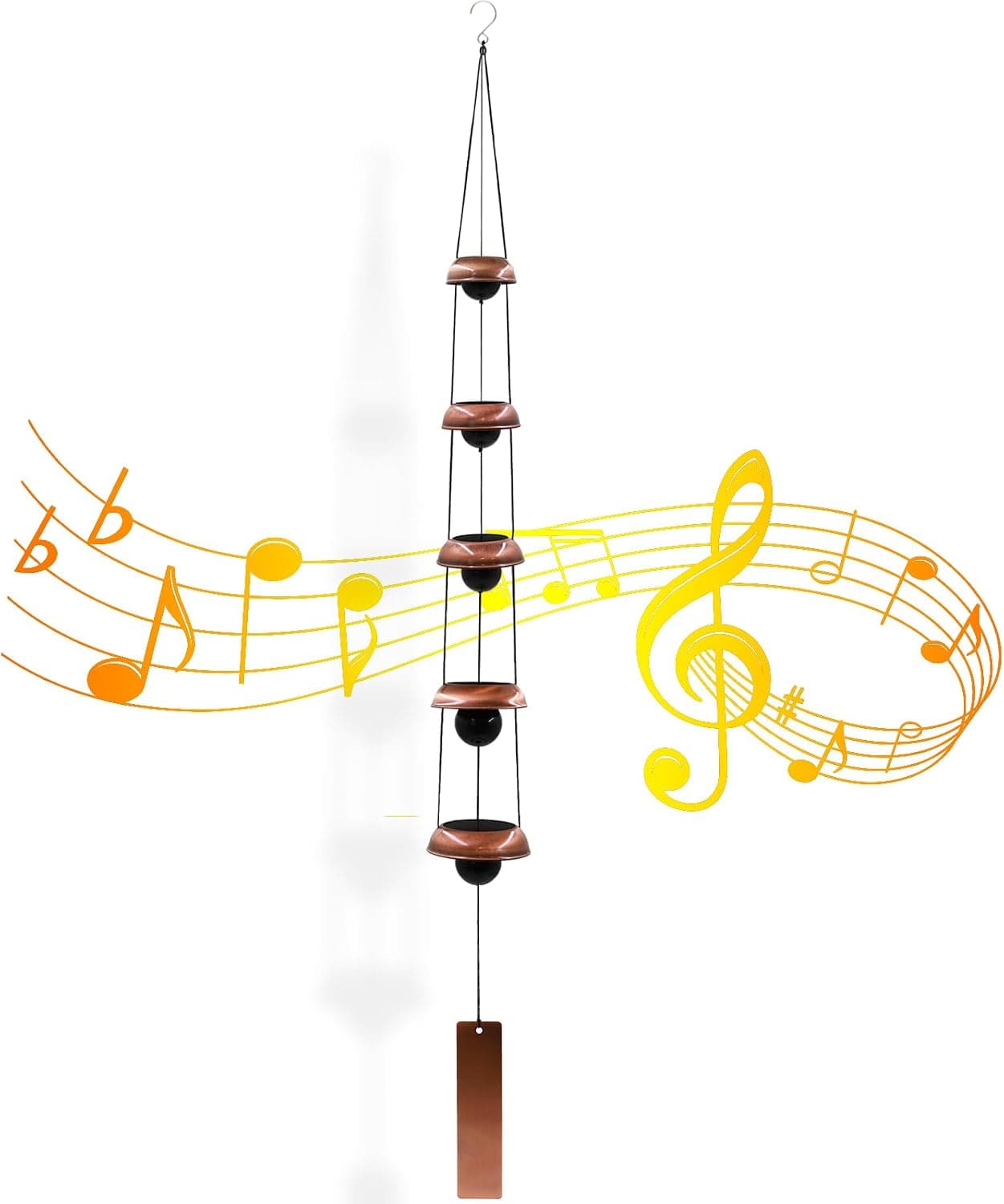
-19%Wind Chimes for Outside with 5 Bell Unique Copper Musical Chimes Feng Shui Wi...
 -5%
-5%YU FENG Evil Eye Money Tree, Blue Feng Shui Decor with Golden Buddha
 -29%
-29%Karma and Luck March Birthstone Crystal Tree of Life, Aquamarine Gemstone Fen...
 -29%
-29%Karma and Luck July Birthstone Crystal Tree of Life, Ruby Gemstone Feng Shui ...
As an Amazon Associate, we earn from qualifying purchases. We only recommend items our practitioners have personally tested.
Continue Your Journey
Explore these related guides to deepen your understanding:


Ready for Deeper Guidance?
Try our free I Ching reading for personalized wisdom, or explore our curated Feng Shui essentials.