Your entrance may be facing the “right” way and still draining the house if the surrounding energy is wrong.
When the front door looks fine, but the house still feels off
I walked into a narrow hallway in a brick townhouse in Portland and knew the problem before the homeowner said a word. The door was painted a handsome deep red, the brass handle was polished, and the mat was new. Yet the whole place felt restless. The teacher who lived there said sleep was poor, bills felt slippery, and every conversation by the entry ended in irritation. That is what people miss when they obsess over the front door feng shui basics and stop there.
The question is rarely just which way the door faces. It is how that facing interacts with the land, the street, the surrounding building shapes, and the room immediately inside. I have seen a north-facing door work beautifully in one home and create strain in another just across the road. The difference was not luck. It was alignment.
If you keep changing the rug, the plant, and the color of the entry, but the feeling never settles, stop blaming the décor. Look at direction first, then context. That order matters.
A front entrance does not act alone; it receives, filters, and redirects qi before the rest of the house ever gets a chance to influence it. That is why the bagua direction mapping matters, but only when it is applied to the actual building rather than a fantasy floor plan drawn on a napkin.
The real method: direction plus element plus surroundings
The practical method is simple in principle and stubborn in execution. First, identify the compass facing of the front door. Then interpret that direction through the five elements rather than treating it as a magic label. Finally, compare the door to what it receives from outside and what it opens into inside. A door that faces south may be fed by strong fire energy, but if it opens to a cramped, dark foyer, the house may still feel depleted. A door that faces east can benefit from wood support, yet if it is blasted by a long straight driveway, the qi can rush in too fast to be useful.
This is where many Western readers get tripped up. They hear that one direction is “good” and another is “bad,” then start forcing every home into the same box. That is lazy feng shui. Direction is a condition, not a verdict. It tells you what kind of energy is arriving, not whether the house is healthy.
Think in terms of fit. East and southeast tend to favor growth, learning, and gradual expansion because wood energy naturally builds. South carries visibility, recognition, and social heat, which can be excellent for people who need public presence but exhausting for those who crave calm. West and northwest often sharpen focus, structure, and authority, though too much metal can feel dry or severe. North brings water qualities: movement, career momentum, and inward depth, but also chill if the entry is underlit or exposed. The point is not to worship a direction. It is to read what it wants.
For a clearer framework, I often pair this reading with the logic of five elements and direction. The combination explains why one home feels generous and another feels tight even when they look nearly identical from the curb.
How I assess a door without getting lost in superstition
I start outside. I stand at the curb or driveway and look at what the front door receives: slope, wind, trees, neighboring corners, overhead wires, parked cars, and the speed of movement in the street. A door facing a quiet cul-de-sac behaves differently from a door facing a T-junction. A house that takes the full force of traffic and headlights needs different support than a home sheltered by mature trees and a curved approach. The environment is not background noise. It is part of the reading.
Then I check the threshold. Is the entry bright or gloomy? Does the door open smoothly, or does it scrape and stick? Is the path clear, or do shoes, umbrellas, recycling bins, and dog leashes create a pile-up? I once reviewed a condo entry where a black storage bench sat directly behind the door, and a client named Mara kept saying her career felt blocked. She was an architect, working from home, and every time she returned from site visits she had to sidestep the bench, a coat rack, and a leaning mirror. We moved the bench, removed the mirror from that wall, added a warmer light, and within two weeks she reported fewer arguments with her partner and better concentration on design work. Nothing mystical happened. The entry stopped fighting her.
Next, I check where the door opens. If it swings straight into a wall, the energy stalls. If it opens into a long corridor, qi accelerates and can shoot past the rooms that need it. If it opens toward the kitchen, family members may feel overactive or distracted. If it opens to the living room, the house often settles more easily because the first impression is openness and social ease. The relationship between entry and interior matters more than the door color alone.
Finally, I interpret the facing direction against the person using the home and the purpose of the space. A door that suits a retired couple seeking peace may not suit a home office where constant opportunity is the goal. That is why one-size-fits-all advice falls apart. Real homes have real lives in them.
What to do once you know the facing direction
Start by reducing friction. A door that faces an energetic direction does not need extra drama; it needs clean access. Keep the exterior path clear, repair cracked steps, and make sure the door is easy to find from the street. If the facing brings in strong yang energy, soften the threshold with a mat, healthy lighting, and a tidy landing. If the facing is cooler or more yin, add warmth through light, a visible welcome point, and movement near the entrance such as a gently used plant or a lantern-style fixture. You are not decorating for style. You are shaping the pace of arrival.
If the door faces a direction associated with fire, do not overheat it with aggressive red everywhere. I have watched homeowners turn a quiet issue into a loud one by piling on the exact color they think they “need.” More is not better. Balance is better. If the direction needs wood support, use actual living qualities: upright forms, healthy plants, and natural textures. If metal is called for, choose clean lines and organized surfaces rather than shiny clutter. If water is helpful, use reflective accents sparingly and keep the space dark only if it still feels inviting. If earth is needed, look for stability in tone and mass, not heaviness for its own sake.
Now check the transition from outside to inside. A front door that faces the ideal direction can still fail if the foyer is too narrow, too dark, or too crowded. I once worked on a split-level home where the entrance opened onto a beige wall and a staircase that climbed immediately to the right. The family insisted the direction was auspicious. It may have been, in theory. But the hallway acted like a funnel. We solved it by brightening the landing, replacing a tall cabinet that blocked sightlines, and moving a small round table away from the traffic line. The home became noticeably calmer within days. The family noticed it first at breakfast. Fewer sharp words. Less rushing.
If you want the entry to support money, privacy, or better first impressions, test the house from the inside out. Stand at the front door and ask: what does this space encourage me to do next? Rush, hide, hesitate, or enter with ease? Your answer is more useful than a generic chart pinned to the wall.
And yes, sometimes the direction is only part of the story. A superb-facing door can still feel wrong if the neighborhood itself is chaotic, or if the home is built on awkward land. That is normal. The door does not override physics. It works with them.
Two mistakes I see over and over
The first mistake is treating the facing as destiny. People hear that one compass direction is favorable and then ignore the rest of the house. That usually creates disappointment, because a door can be excellent on paper and still deliver poor qi if the threshold is cluttered or the approach is hostile. Direction is a starting point, not a guarantee.
The second mistake is copying someone else’s cure. Your neighbor’s lucky red mat, metal wind chime, or jade plant may have helped her entry because her house needed that exact balance. Yours may need the opposite. This is why the common front entrance mistakes that quietly block qi deserve more attention than trendy fixes. The house tells you what it wants if you stop rehearsing the internet.
What different facing directions usually ask for
North-facing doors often benefit from warmth, clarity, and a strong sense of welcome because water energy can become too cool if the entry is dim. South-facing doors usually need moderation; they can handle visibility, but they do not always need more fire. East-facing doors like growth and movement that feel organic rather than forced, and southeast-facing doors tend to respond well to gentle abundance cues, not clutter. West and northwest often appreciate order, precision, and clean lines, though too much austerity can make the entry feel cold instead of refined.
Still, do not let that list seduce you into rigid thinking. I have seen a south-facing entry in a suburban home where the family added a thick dark mat, poor lighting, and a giant shoe rack, then wondered why the house felt argumentative. I have also seen a west-facing door in a small apartment become surprisingly supportive after the owner, a nurse working night shifts, cleared the threshold, swapped a heavy curtain for a lighter one, and added a simple ceramic bowl for keys. The direction did not change. The behavior of the energy did.
If you want to go deeper, use the front door as the first diagnostic point and then move room by room. The entrance influences the living room, the hallway, the kitchen, and even the bedroom because it sets the emotional tempo of the home. That is why I rarely advise people to fix the entry in isolation. I prefer a whole-house view, beginning with the doorway and extending inward.
FAQ
How do I find the facing direction correctly?
Stand inside the home looking out through the front door and take a compass reading of the direction the door faces outward. Do not guess from the street view alone. If the house has a deep porch or a recessed entry, the measurement can shift enough to matter.
Should I change my door color based on direction?
Only if the rest of the entry already makes sense. Color is a supporting tool, not the main event, and a bad layout will stay bad in any shade of paint. A poorly lit, cluttered foyer painted the “right” color still feels wrong.
Can two homes on the same street need opposite cures?
Absolutely. That surprises people, but it happens all the time. One home may face a busy intersection, while the next sits behind trees with a sheltered approach, so the same direction produces very different conditions.
What if my door faces a direction that sounds unfavorable?
Do not panic and do not assume the house is doomed. A facing only tells you what kind of energy arrives first, and good design can shape it into something useful. I have repaired plenty of “difficult” entries by changing the threshold experience rather than fighting the compass.
Mei Chen
Traditionally informed guidance • Cross-referenced with classical Chinese source texts
Content draws from both Compass (Luopan) and Form (Xingshi) school traditions. Illustrative examples are composites based on consultation experiences.
Practitioner-Selected Tools for This Topic
Items our team has tested and found effective for the principles discussed above. Individual results may vary.
 -19%
-19%Wind Chimes for Outside with 5 Bell Unique Copper Musical Chimes Feng Shui Wi...
 -5%
-5%YU FENG Evil Eye Money Tree, Blue Feng Shui Decor with Golden Buddha
 -29%
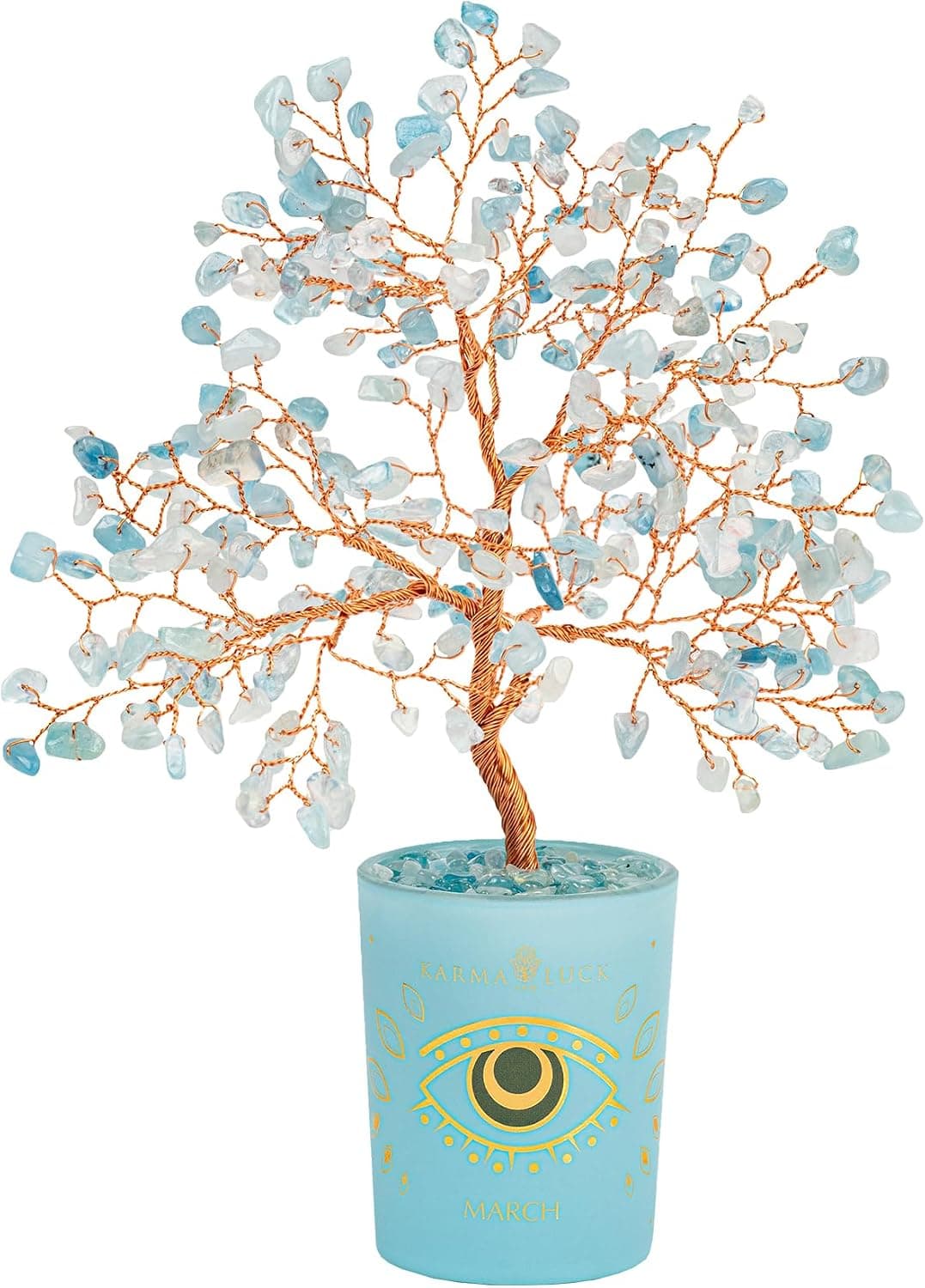
-29%Karma and Luck March Birthstone Crystal Tree of Life, Aquamarine Gemstone Fen...
 -29%
-29%Karma and Luck July Birthstone Crystal Tree of Life, Ruby Gemstone Feng Shui ...
As an Amazon Associate, we earn from qualifying purchases. We only recommend items our practitioners have personally tested.
Continue Your Journey
Explore these related guides to deepen your understanding:


Ready for Deeper Guidance?
Try our free I Ching reading for personalized wisdom, or explore our curated Feng Shui essentials.