A small mistake at the entry can make a whole home feel restless, flat, or strangely resistive.
When the entry feels off, the whole house pays for it
I once walked into a narrow townhouse in Seattle where the entry looked perfectly tidy: white walls, a navy runner, a brass bowl for keys, even a little framed print of bamboo. The owner still felt drained every time she came home. The reason was not the decor. Her front door setup was fighting the natural flow of the house, and the first thing I noticed was how the hallway pulled energy hard to the left before it could settle anywhere useful.
That is the part people miss. They obsess over paint colors and lucky charms, then ignore the one feature that actually sets the tone for the entire home. The direction of the front door matters because it tells energy where to enter, where to slow down, and whether the house can receive qi without friction.
You can have an expensive door and still get poor results if it opens into a harsh corridor, faces a strong exterior pressure, or lands in a direction that clashes with the household’s needs. I’ve seen that happen in apartments, cottages, and big suburban homes alike. The problem is usually not mystical. It is structural.
And yes, the compass matters, but not in the simplistic way people expect. Direction is only one layer. The surrounding path, the door’s relation to the rest of the home, and the quality of the approach all influence whether that direction works for you or works against you.
How direction actually functions
The bagua map gives you a way to read the home as a system rather than a collection of rooms. Once you locate the front door, you are really asking three questions at once: what kind of energy enters here, how does it move after entry, and what part of life gets activated first. That is why two houses facing the same compass direction can feel completely different.
In practice, the front door direction works best when it supports the home’s receiving capacity. A door that faces open space usually breathes better than one that stares directly at a wall, a stairwell, or a crowded pile of shoe racks. A door on the east side of a home may feel lighter and more active in the morning, while a north-facing entrance often needs more warmth and visible welcome to avoid feeling cold or withdrawn. That does not mean one direction is “good” and another is “bad.” It means each orientation asks for a different adjustment.
This is where people get themselves in trouble. They copy a cure from a social media post, stick a red mat by the door, and expect the house to transform. Sometimes the cure helps. Sometimes it makes the entry louder without making it better. A front door is not a stage prop. It is a threshold.
If you want to think like a practitioner, stop asking whether the direction is lucky in the abstract. Ask whether the door can gather qi cleanly, hold it briefly, and then distribute it into the home without scattering it at once. That is the real test.
The most reliable method is simple, though not simplistic. Stand outside the house and observe the approach. Then stand inside and observe the first 10 feet of movement. Energy should be able to enter, pause, and orient itself. If it shoots straight through the back door, dies in a dark corner, or collides with an awkward obstruction, the direction is not being used well.
Think of it this way: the compass tells you the climate. The layout tells you the weather.
How to work with your door direction step by step
Start by identifying the facing direction accurately. Use a proper compass, not a phone held while you are standing in a metal-framed doorway with power lines overhead. I know that sounds fussy, but bad measurement creates bad conclusions. Measure from outside the house, standing a few feet back from the door so you are reading the orientation of the face of the home rather than the tilt of the frame.
Then look at what the door meets. If it opens to a bright, uncluttered hallway, you already have a decent base. If it faces an exterior road with fast-moving traffic, a sharp fence line, or a neighboring roof edge pointed at the entry, the direction may be receiving too much pressure. In those cases, soften the approach rather than overdecorating the interior. A sheltered porch, a better light fixture, or even a more grounded doormat can change the feeling dramatically.
Inside the home, the entry should not feel like a trap. I remember a retiree in Phoenix who had a front hall painted deep charcoal with a black bench, black umbrella stand, and a mirror facing the staircase. He loved the modern look, but the house felt severe within seconds of entering. We changed the light temperature, swapped the black bench for warm wood, and moved the mirror so it no longer bounced the entry energy straight out. Within a week, he said the house felt less “armed” and more like a place to land.
That kind of adjustment matters more than most people expect. If your door direction tends to feel weak, bring in support through lighting, clear sightlines, and a cleaner threshold. If it feels too aggressive, reduce glare, sharp angles, and clutter near the opening. If it is exposed to strong outside motion, use the porch or foyer to create a gentler transition. Small changes can change the emotional temperature of the home fast.
And do not ignore what the door opens toward. A front entry that sees a mirror, a staircase, or a long straight corridor can exaggerate movement before the energy has time to settle. That is one reason people often ask whether the issue is the direction itself when the real problem is the path after the door. Direction gives you the starting point. The path determines the outcome.
If you are balancing several layers at once, work from the outside in. Clean the threshold, improve the light, remove friction, then refine the interior. That order is much more effective than stacking symbolic objects on top of a weak structure. A good home does not need to be forced to work. It needs room to receive.
Common mistakes that make the entry feel worse
One common mistake is treating the front door like a display shelf. People put too many items beside it: umbrellas, boxes, shoe piles, drying mats, packages they forgot to bring in. The entry becomes a storage zone instead of a receiving zone. If you want to understand how that affects the rest of the house, look at the patterns in a well-balanced living room layout; the same principle of spacious circulation applies from the first step inside.
Another mistake is relying on symbolic fixes while ignoring the actual structure. A crystal by the entry will not rescue a door that opens into darkness or faces hard exterior pressure. If you like energetic support, use it as a finishing layer, not a substitute for basic flow. The same caution applies when people choose a cure just because it looks nice. A pretty object with poor placement is still poor placement.
There is also the habit of overcorrecting. People read one rule and become terrified of their own entrance. That is not wisdom. It is anxiety wearing a feng shui costume. The better approach is to notice what the house is already doing and then adjust gently. If you need help keeping your choices grounded, a practical reference like a solid feng shui book for beginners can keep you from turning one doorway into a superstition project.
FAQ
Does one front door direction work for everyone?
Not really. The same direction can support one household and feel flat for another, because the full layout, exterior environment, and daily habits all shape the result. I pay more attention to whether the entry receives qi well than to any single compass label.
Can I fix a bad direction with colors or objects?
Sometimes, but only if the underlying entry is already workable. A color change can warm a cold entrance, and a well-placed plant can soften a harsh approach, but neither one cures a doorway that is fundamentally cramped or blocked. The structure comes first.
What if my door faces a stairway or long hallway?
That is a common pattern, and it usually means energy moves too quickly after entry. You want to slow the transition with light, a rug that grounds the space, or a small visual pause near the threshold. The goal is not to stop energy; it is to keep it from racing through the home.
Should I choose remedies based on direction alone?
That is the mistake I see most often. A south-facing entry with strong light may need less intervention than a north-facing one buried in shadow, even if the compass reading sounds favorable on paper. Pay attention to what the doorway actually feels like at different times of day, not just what a chart says.
If you want to go one layer deeper, compare the doorway with nearby features such as plants, furniture, and sightlines. A healthy entry often works in concert with the rest of the home, including the spaces where people gather and rest. For that reason, I also recommend looking at how your bedroom energy supports recovery after the home receives qi all day.
Mei Chen
Traditionally informed guidance • Cross-referenced with classical Chinese source texts
Content draws from both Compass (Luopan) and Form (Xingshi) school traditions. Illustrative examples are composites based on consultation experiences.
Practitioner-Selected Tools for This Topic
Items our team has tested and found effective for the principles discussed above. Individual results may vary.
 -19%
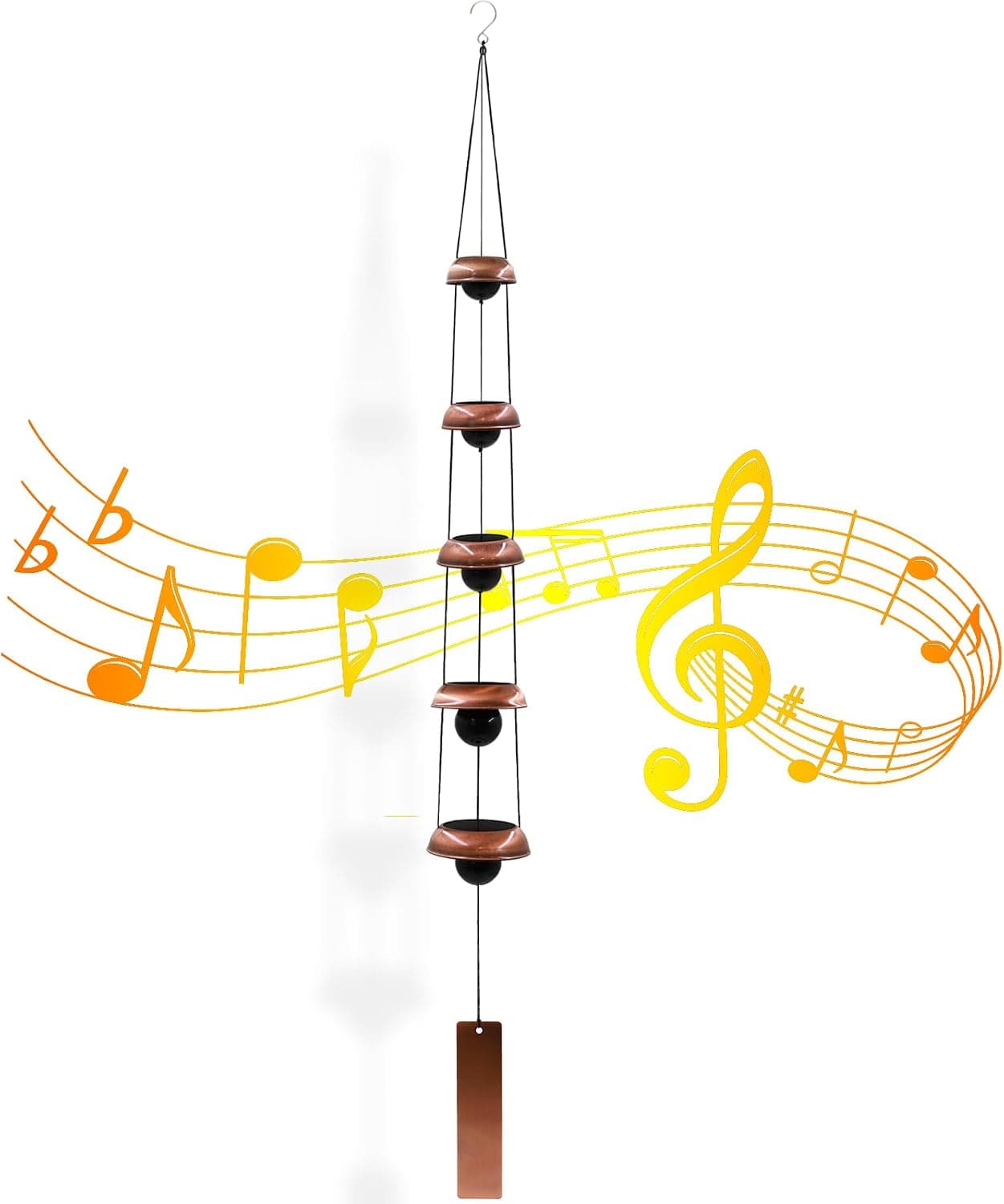
-19%Wind Chimes for Outside with 5 Bell Unique Copper Musical Chimes Feng Shui Wi...
 -5%
-5%YU FENG Evil Eye Money Tree, Blue Feng Shui Decor with Golden Buddha
 -29%
-29%Karma and Luck March Birthstone Crystal Tree of Life, Aquamarine Gemstone Fen...
 -29%
-29%Karma and Luck July Birthstone Crystal Tree of Life, Ruby Gemstone Feng Shui ...
As an Amazon Associate, we earn from qualifying purchases. We only recommend items our practitioners have personally tested.
Continue Your Journey
Explore these related guides to deepen your understanding:


Ready for Deeper Guidance?
Try our free I Ching reading for personalized wisdom, or explore our curated Feng Shui essentials.