Your front door color is doing more than looking nice—it may be setting the tone for the whole house before you even step inside.
When the door looks right, the whole house feels less resistant
I once walked into a small brick townhouse where the entry hall felt oddly tight, even though the layout was open and the furniture was decent. The homeowner had painted the front door a glossy neon red because a design blog called it “bold.” It looked sharp in photos. In person, it felt like the house was yelling before anyone had said hello.
That is the mistake people make with front door feng shui: they pick a color they like, then wonder why guests linger, energy feels jumpy, or the home never quite settles. The door is not a decorative afterthought. It is the face of the house, and in feng shui, the face speaks first.
The good news is that you do not need superstition or a perfectly staged home to improve this. You need the right relationship between direction, element, and atmosphere. Get that right, and the door stops fighting the rest of the space.
One thing surprises people: the “best” color is not universal. A color that supports a south-facing entrance can feel wrong on a north-facing one, even if both are beautiful. Context matters more than trend.
The method is simple, but not simplistic
Start with the compass direction of your front door, then match that direction to its governing element. This is where the bagua map approach becomes practical instead of abstract. You are not decorating for approval. You are supporting the type of qi that enters first.
Here is the logic in plain language. North is linked with water energy, so deeper blues and black can be supportive. East and southeast lean wood, which works well with green and brown tones. South is fire, so red, burgundy, coral, and strong warm colors can fit. West and northwest carry metal, which often likes white, gray, silver, or soft metallic tones. Northeast and southwest are earth, so ochre, tan, beige, and muted sandy colors usually settle well.
That framework helps, but I do not recommend treating it like paint-by-number feng shui. The actual door has to cooperate with the building, the neighborhood, and the amount of light hitting the entry. A color that looks balanced in a shaded courtyard may look harsh on a door blasted by afternoon sun.
If you want the door to support the home rather than compete with it, think in layers. Direction sets the base note. The surrounding walls, trim, steps, plants, and hardware create the harmony around it. A smart entrance feels complete, not loud.
Choose the color by reading the house, not the trend
I have seen dozens of homes where the front door color made sense on paper but failed in real life because the owner ignored the rest of the entry. A navy door can be excellent, but if the porch is already dark and the entry is under a deep overhang, it can sink the front of the house visually. A white door can feel clean, yet on a bright stucco façade with silver hardware and no contrasting detail, it may disappear.
That is why a good front door color choice begins with observation. Stand across the street, look at the door in morning light and again in late afternoon, and notice whether the entrance feels open, stern, sleepy, or overexposed. You are reading the house’s body language.
For a north-facing entry, I often like deep blue, charcoal, or black if the architecture can carry it. For east or southeast, moss green, jade, olive, or warm wood tones can work beautifully, especially if the surrounding garden already has healthy movement. For south-facing doors, red is classic, but not the only answer; terra-cotta, wine, and warm rust can create fire without looking theatrical. For west or northwest, white, cream, pale gray, and brushed metal accents keep the metal element clear and clean. For northeast or southwest doors, clay, sand, taupe, and muted gold tend to feel grounded.
None of that matters if the paint finish is wrong. A high-gloss finish on a small door can look aggressive. A chalky matte on a weather-beaten entry can look neglected. Choose a finish that suits the house’s temperament.
There is also a practical twist people overlook. If your door is hidden in shadow, a color that should be supportive on paper may read too dull from the street. If it is exposed to blazing sun, overly bright paint can become exhausting. Feng shui is not divorced from climate. It has always lived inside it.
Use the door to balance what the house is missing
Sometimes the best color is the one that balances the larger picture. If your home already feels cold, too much gray at the entry can make it colder. If the house feels frantic, a calmer earth tone may slow the pace. If the whole façade is soft and washed out, a deeper door color can give it a spine.
One client, a retired nurse in a pale yellow bungalow, had a front door painted mint green with brass numbers. The house was charming, but the entry felt vague, almost unanchored. We shifted the door to a warm slate blue, kept the brass, and added two black planters with compact shrubs. Within a week, she told me the house felt “less like it was floating.” That is a real feng shui result: not magic, just better definition.
If you are using the bagua, remember that the front door is not only about the sector it sits in. It also affects how qi enters the entire home. A strong, appropriate color can steady the flow. A mismatched one can make the whole place feel slightly off, even if every other room is arranged well.
That is why I often pair door advice with the rest of the entry sequence. The threshold should not be cluttered. The porch should not block movement. The path should feel obvious. If the door is beautiful but the approach is awkward, the energy still hesitates.
For readers who like objects and symbols, resist the urge to fix a poor door color with random cures. A crystal by the shoe rack will not correct a door that is screaming fire in a metal sector. The structure has to be right first. Then accessories can help. If you want to understand how decorative objects behave in context, the crystal guide is useful, but it should never replace the logic of the entrance itself.
How to make the color work in real life
Begin by identifying the direction of the door and the dominant material around it. Brick, stone, wood siding, metal railings, and glass all change how a color lands. Then decide whether you want the door to blend, support, or gently stand out. Not every entrance needs to announce itself. Some should simply feel correct.
If your door is in a strong elemental sector, choose a color that supports rather than clashes. For example, a west-facing metal door does not usually need a fiery red just because red is dramatic. A soft white or pale gray can be more effective, especially if the surrounding trim is busy. On the other hand, a south-facing entrance that already has bright sun can carry rich warm tones beautifully.
Look at the hardware too. Black handles on a black door can feel heavy unless the wall color gives enough contrast. Brass on blue often sings. Silver on white can feel modern and clean. These details matter because feng shui is not only symbolic; it is visual psychology with a long memory.
Then test the emotional effect. Stand at the curb and ask a simple question: does this doorway invite, steady, or push? Your body usually knows before your intellect does. That response is worth more than a generic color chart.
One practical note: repainting the door without cleaning the entry is half a fix. Wash the threshold, clear broken items, repair loose trim, and replace a tired doormat. A fresh color on a neglected frame creates a strange contrast. The house feels cosmetically improved but energetically unresolved.
If your front door opens directly into a room that needs more protection or softness, the color should work with that interior path too. A home office near the entry may benefit from a calmer, more disciplined tone, which is why a well-placed work space can feel more stable when the entrance does not overexcite it. Energy travels. The door sets the pace.
Two mistakes that create more friction than people expect
One common mistake is painting the door a color you love without checking the direction. That is the design equivalent of wearing the right outfit to the wrong weather. It can look good and still feel off. Another mistake is choosing a color so trendy that it ignores the architecture. Trendy is not the same as supportive.
People also overcorrect. They hear that red is lucky and paint every south-facing door bright fire-engine red, then wonder why the entrance feels too harsh. Lucky is not automatically balanced. You still have to ask whether the shade fits the scale of the house.
And here is the quiet mistake nobody likes hearing: a beautiful door cannot compensate for a blocked approach. If you want the entrance to work, keep the path open, the lighting clear, and the area free of dead plants or broken décor. The color is the signal. The surrounding space has to receive it.
FAQ
Does the front door color really matter in feng shui?
More than most people expect. The door is the main point where energy enters, so the color influences the tone of arrival before anyone crosses the threshold. I have seen a home feel noticeably calmer after a color change alone, especially when the new shade matched the direction and light.
Can I use black on a front door?
Absolutely, especially for a north-facing entrance or a home that needs more water or metal energy. Black can look elegant and grounded, but it needs clean lines and good maintenance. On a door that is chipped or hidden in deep shadow, it can look tired instead of strong.
What if my favorite color does not match the direction?
Use it in a softer way. You might choose it for the interior side of the door, the wreath, a planter, or a nearby accent instead of the whole surface. That way you honor the color you love without forcing the entry to carry a mismatched element.
Can I change the door color if I rent?
Paint may be out of reach, but you still have options. A bold mat, polished hardware, clean lighting, and healthy potted plants can shift the feeling of the entrance. The effect is not identical, but it is often enough to make the doorway feel less stagnant.
Mei Chen
Traditionally informed guidance • Cross-referenced with classical Chinese source texts
Content draws from both Compass (Luopan) and Form (Xingshi) school traditions. Illustrative examples are composites based on consultation experiences.
Practitioner-Selected Tools for This Topic
Items our team has tested and found effective for the principles discussed above. Individual results may vary.
 -19%
-19%Wind Chimes for Outside with 5 Bell Unique Copper Musical Chimes Feng Shui Wi...
 -5%
-5%YU FENG Evil Eye Money Tree, Blue Feng Shui Decor with Golden Buddha
 -29%
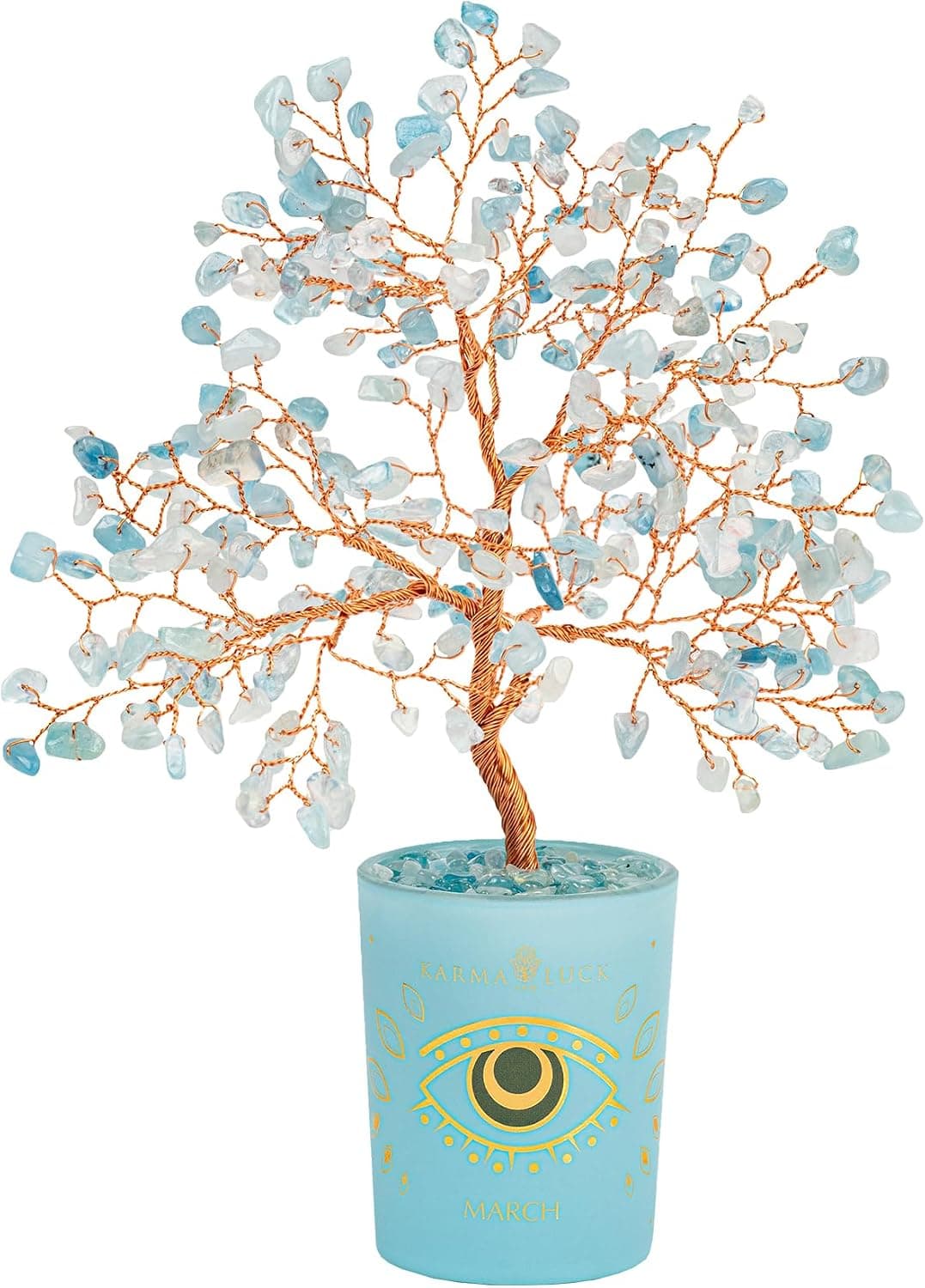
-29%Karma and Luck March Birthstone Crystal Tree of Life, Aquamarine Gemstone Fen...
 -29%
-29%Karma and Luck July Birthstone Crystal Tree of Life, Ruby Gemstone Feng Shui ...
As an Amazon Associate, we earn from qualifying purchases. We only recommend items our practitioners have personally tested.
Continue Your Journey
Explore these related guides to deepen your understanding:


Ready for Deeper Guidance?
Try our free I Ching reading for personalized wisdom, or explore our curated Feng Shui essentials.