The frog cure fails less because of the object than because of what greets you when you open the door.
Beyond the Surface of Feng Shui Frog
When you study Feng Shui Frog in depth, patterns emerge that casual guides miss. I first noticed it in a townhouse foyer in Portland, where a glossy jade frog sat on a walnut console table, angled toward the front door like it was waiting for a delivery. The owner had followed every rule she found online. Yet the apartment still felt jumpy, bills arrived late, and her husband kept putting off decisions he had already made three times.
That room taught me a simple thing: the frog does not work in isolation. Your first look from the threshold matters more than the object itself. Stand at the doorway and ask what your eyes hit first. A sharp coat rack, a mirror throwing light back at you, a pile of shoes, a corridor cutting straight through the home? That view sets the tone before the frog can do anything useful.
People love a lucky object because it feels manageable. Buy the thing, place the thing, wait for the magic. Not even close. In classical terms, the frog is a wealth-and-opportunity symbol, but it only behaves well when the qi entering the home can gather instead of scatter. If the front hall shoves your attention straight past the frog and into clutter, the object becomes a decoration, nothing more.
I've seen this mistake in a cedar-shingled bungalow with a red umbrella stand beside the door. From outside, the frog was visible, but from inside the first sight line was a narrow hallway ending at a bright kitchen window. The family kept saying money came in and slipped out. After they moved the umbrella stand, softened the hallway with a runner, and turned the frog slightly so it faced into the room rather than the exit, the house felt less frantic within a week. Small change. Big relief.
That is the hidden test. Ask what your home makes you see first, not what you think you placed correctly. The doorway is a verdict.
Common advice treats the frog like a charm you can drop anywhere near wealth. Useful? Sometimes. Complete? No. The front entrance, the line of sight, and the path qi takes through the room all decide whether the symbol reads as invitation or as clutter. If you want a deeper map of how entry points shape the whole layout, compare it with how to map energy in your home without overthinking it, because the front sector often explains why a cure lands or fails.
One more thing people miss: a frog near the door should feel collected, not performative. A tiny ceramic one lost beside a stack of packages does nothing. A heavier piece on a clear surface, with open space in front of it and no hard glare from above, reads differently to the eye and to the room. That difference matters. The room feels it before you do.
Why the doorway changes everything
Walk into a house and your nervous system starts making decisions in seconds. You scan for obstacles, exits, brightness, and whether the place feels coherent. Feng shui works with that same instinct. If the first line of sight is calm, qi slows. If it is chaotic, qi rushes. A frog placed in a messy entry can look like hope, but the body reads the mess first.
What surprised me most was how often the frog itself had the right symbolism while the room sabotaged it. In a narrow condo near Seattle, the owners had set a brass frog on the left side of the foyer. Nice piece. Wrong context. Across from it hung a large mirror reflecting the front door, and directly under that mirror sat a mail sorter overflowing with unopened envelopes. They wanted wealth movement. They had a visual echo chamber instead.
Mirror on mirror. Mail on mail. That kind of repetition makes the mind restless.
In feng shui terms, the entrance should receive qi and gather it before distributing it. A straight shot from door to window lets energy leak out. A frog in that path does not stop the leak; it usually gets caught in the same current. That is why some people swear by the cure and others quietly give up. They copied the symbol, not the scene.
There is a deeper reason this matters. Symbols persuade the mind through context. Place a wealth symbol where the eye has room to settle and the home begins to feel held together. Put it where the sight line fractures, and it becomes one more object asking for attention. The frog doesn't need applause. It needs a stage that doesn't collapse under it.
What to do when the frog backfires
Start at the threshold and stand still for ten seconds. Don't touch anything yet. Look inward and note the first three things your eye catches. If one of them is clutter, a mirror, or a door aligned too directly with a window, you have found the real problem. The frog is only the messenger.
In one small dining room I visited, the frog sat on a sideboard under a green lamp. The room was painted a heavy mustard yellow, and the front door opened directly toward a glass patio door at the back. Every afternoon the sunlight shot through that path and flattened the whole space. The family had arguments at dinner that always seemed to start over nothing. We moved the frog onto a low shelf to the right of the entrance, cleared the sideboard, and hung a woven curtain in the back opening. The tone changed first. Then the conversations did.
Placement matters, but placement is really a sentence about movement. Face the frog toward the room, not out through the front door. Give it breathing room. Keep it away from trash, dead plants, and anything with a hard, stabbing line pointing straight at it. If you have a console table, leave open surface around the object so the eye can rest instead of skidding past. That open space is not empty. It is functional.
And yes, the direction of the gaze matters more than people admit. A frog aimed at the outside world looks like it is escaping. A frog aimed into the home looks like it is receiving. The difference sounds minor until you live with it for a month and notice the pace of the house changing around you.
For households with a bedroom immediately off the foyer, I am even more cautious. Noise at the entrance leaks into sleep faster than most people expect. If the home already feels thin at night, study turning a bedroom into a sanctuary requires less than you'd think so the entrance cure does not fight the rest of the floor plan. A front-door symbol cannot compensate for a sleeping room that is exposed to every sound and glare.
Scenes that explain the rule better than theory
I remember a retired teacher in Tucson who kept her jade frog on a low stand beside a blue ceramic bowl of keys. Cute setup. From the doorway, though, the first thing you saw was a long view straight through the living room to a sliding door with bright desert light pouring in. She had a talented-looking cure and a room that bled attention. Her bills kept feeling urgent, as if they arrived with a sigh already attached.
We moved the frog to the left side of the foyer, just inside the door, where it could be seen without being hit head-on by the outside glare. Then we turned the entry bench ninety degrees so it interrupted the straight run toward the back. She called three weeks later and said the house had become easier to enter. That is the sort of sentence I trust. Not fireworks. Ease.
Here is the part that catches people off guard: the frog works best when it is almost humble. If it becomes the star of a scene crowded with symbols, coins, ribbons, and shiny metal, the eye gets overstimulated. Wealth qi likes clarity. Too many signals, and the whole setup starts to feel like a souvenir shelf.
Wrong room, wrong angle, wrong story.
That doesn't mean the object is useless. It means the home must agree with it.
How to read your front door before buying anything else
Stand outside and open the door slowly. Notice where your body wants to pause. Then step in and check whether your gaze lands on openness, a wall, a mirror, a sink, or a hallway that runs like an arrow through the house. The answer tells you far more than any shopping page does. A welcoming entry gathers qi. A sliced-up one scatters it.
From there, use the frog as a finishing move, not the opening act. Place it where it can be seen from the door but not directly blasted by the line coming in. In a square foyer, that often means a side console or a shelf slightly off-center. In a longer entry, it may mean the first landing point after the initial rush of the hallway, where the eye can settle. Keep the surface clean. Keep the surrounding wall quiet. Let the object have a little dignity.
There is also a practical reason this works. The brain likes landmarks. When the frog sits in a calm, legible spot, your mind associates entry with order and receipt. When it hides in clutter, it becomes background noise. The emotional effect is subtle at first, then obvious: fewer half-finished thoughts, less vague irritation when you come home, and a steadier way of moving through the front hall.
Some readers ask whether the frog should ever face a window or the door. Rarely. If it faces out, the symbolism leaks. If it faces in, the symbolism stays available to the house. That is the whole game in one sentence. Not decorative superstition. Visual direction.
For people who want to go further, the shape of the whole home matters too. A frog can support a wealth intention, but it cannot fix a badly read floor plan by itself. That is where the center rules the room. Corners only pretend to matter. becomes relevant, because an overactive entry often means the middle of the home is not anchoring anything.
The mistake people keep repeating
The biggest error is treating the frog like a standalone fix. The second is placing it where the doorway sight line is already broken by clutter, glare, or a hard corridor. Both feel sensible when you are standing in the room. Both fail in practice. If you have a small house, this becomes even more important, because every object has a louder voice.
One couple I worked with had their frog on a black lacquer tray beside a stack of unopened mail in the foyer. They had chosen the tray because it looked elegant. Fine. But the mail stack told the real story: delayed decisions, postponed action, money sitting in a queue. We cleared the tray, moved the frog to the opposite side of the door, and put a simple lamp there instead. The entry stopped feeling like a holding pen.
People hate hearing that the fix is often less dramatic than the problem. They want a symbol that overwhelms the mess. Houses do not work that way. They reward coherence. Sometimes the change is as plain as turning an object five degrees, moving a bench, or taking a reflective surface off the wall so the first look is no longer split in two.
That can feel almost insulting. Good. The home is telling the truth.
And if your entry has an aggressive kitchen line or knives visible from the front door, you are not imagining the tension. Sharp objects in sight can make a house feel braced for impact, which is why I often point people to kitchen knives carry more energy than you'd think — here's why placement matters. A frog cannot calm a doorway that is already shouting.
FAQ
Is conventional Feng Shui Frog advice reliable?
Often not, because it usually skips the doorway view. A frog can be placed “correctly” by measurement and still fail if the first thing you see from the threshold is clutter, a mirror, or a fast exit path. The object matters, but the room is speaking louder.
Should the frog face the front door or the room?
Face it into the room most of the time. Facing outward can read like departure, while inward placement supports receiving and holding. I prefer to test it by standing at the door and checking whether the frog feels like part of the home or part of the exit.
Can a wealth frog work in a messy entry?
That kind of setup usually produces mixed results at best. The mind notices the mess first, which makes the symbol feel decorative instead of directional. Clear the sight line, then decide whether the frog still earns its place.
What if the frog is in the “right” area but the house still feels off?
Then the problem is probably larger than one object. Check the flow from door to back of house, the brightness at the threshold, and whether your main rooms support the same intention. A useful next step is studying how five elements theory explains why good feng shui still feels wrong.
Do size and material matter?
They do, but not as much as people hope. A modest piece in a calm, legible spot beats an expensive one buried in visual noise. Material should fit the room, yet the eye still decides whether the cure feels steady or strained.
What should I notice after moving it?
Pay attention to the first moments at the door: do you slow down, exhale, and orient yourself more easily? That response tells you more than a week of superstition ever will. The house will answer in small ways first.
Mei Chen
Traditionally informed guidance • Cross-referenced with classical Chinese source texts
Content draws from both Compass (Luopan) and Form (Xingshi) school traditions. Illustrative examples are composites based on consultation experiences.
Practitioner-Selected Tools for This Topic
Items our team has tested and found effective for the principles discussed above. Individual results may vary.
 -19%
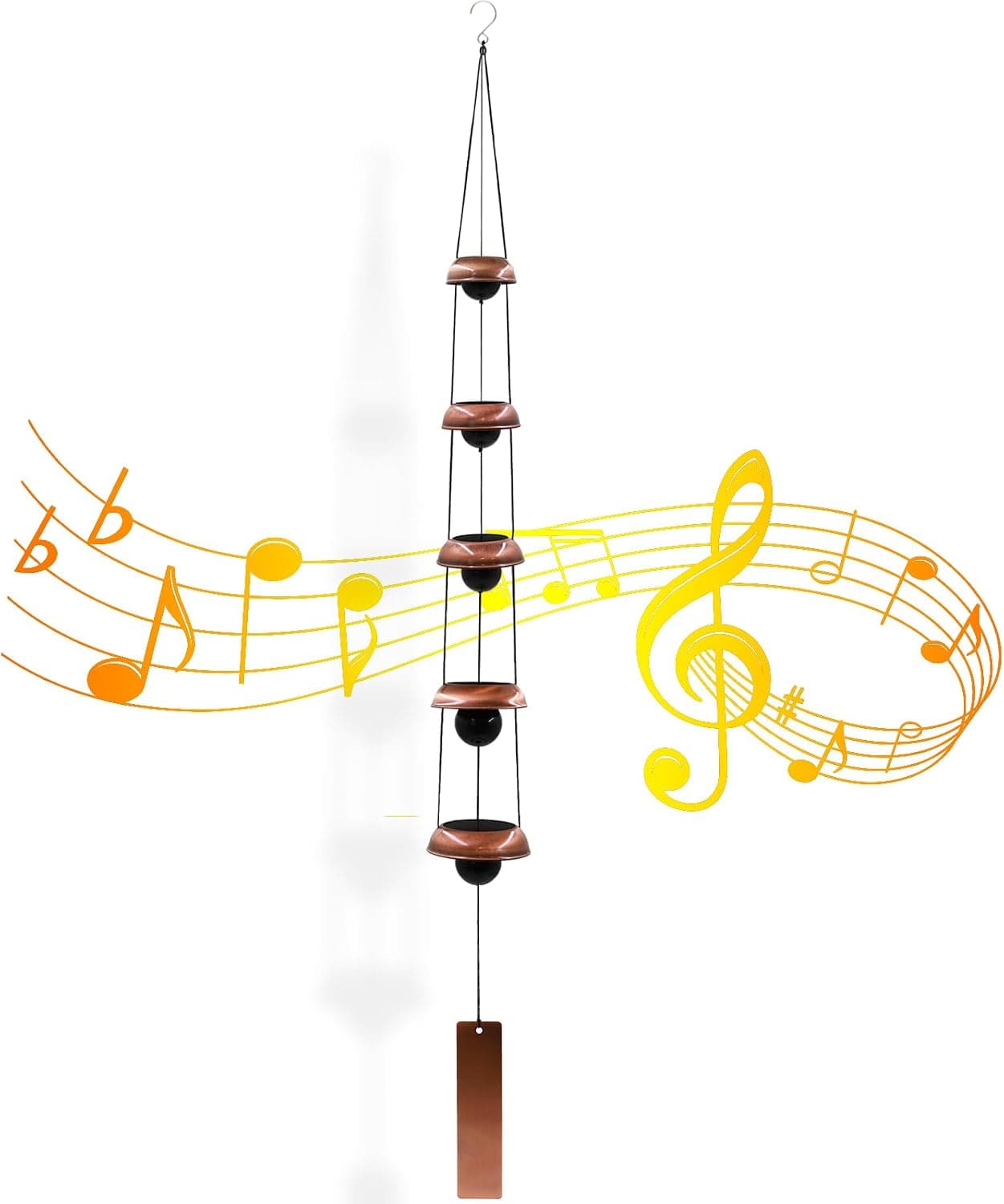
-19%Wind Chimes for Outside with 5 Bell Unique Copper Musical Chimes Feng Shui Wi...
 -5%
-5%YU FENG Evil Eye Money Tree, Blue Feng Shui Decor with Golden Buddha
 -29%
-29%Karma and Luck March Birthstone Crystal Tree of Life, Aquamarine Gemstone Fen...
 -29%
-29%Karma and Luck July Birthstone Crystal Tree of Life, Ruby Gemstone Feng Shui ...
As an Amazon Associate, we earn from qualifying purchases. We only recommend items our practitioners have personally tested.
Continue Your Journey
Explore these related guides to deepen your understanding:


Ready for Deeper Guidance?
Try our free I Ching reading for personalized wisdom, or explore our curated Feng Shui essentials.