The wrong bearing can make a healthy room feel restless, and your body notices that before your mind does.
The Hidden Truth About for weight loss health feng shui
People move the snack bowl, add a green plant, maybe place a water feature near the kitchen, and still end up eating late, sleeping lightly, and feeling oddly driven toward the pantry at 10:30 p.m. The missing piece is usually not the object. It is the angle. A room can look “balanced” and still send motion through the body because the compass direction alters how qi enters, slows, and exits.
That sounds abstract until you watch it happen. In a compact dining room I once studied, the table sat only two feet off the south wall, with a cobalt-blue runner and a bright pendant light directly overhead. The owner had followed every wellness suggestion she found online. Yet she felt wired after dinner, then hungry again an hour later. We checked the compass, and the seating line was pushing her face toward a harsh east-southeast vector while the room’s strongest light blasted the center. The setup was not calm; it was stimulative. Her appetite was reacting to the room before her willpower could intervene.
Most advice skips that step. It tells you to add the right color, the right symbol, the right plant, as if a room were a shopping cart. It isn’t. A room is a flow system. Air moves, attention moves, and appetite follows attention. That is why a south-facing kitchen with a sharp diagonal circulation path can feel like a constant invitation to graze, while a calmer north-facing nook with slower movement can support more settled meals. I’ve seen people blame themselves for “lack of discipline” when the real problem was a corridor that sliced straight through the eating zone.
So start with the bearing, not the décor. Then look at the pathway from the door, the seat, and the stove. Those three lines decide whether the room gathers you or scatters you.
How the Directional Mechanism Actually Works
First comes intake. A doorway acts like a valve, and its angle determines the quality of movement entering the room. If the door opens toward a fast diagonal, qi arrives as a rush. That rush tends to produce quick decisions, quick bites, and quick exits. If the entry feels compressed, the body often compensates by reaching for stimulation through sugar, caffeine, or overeating. Neither pattern supports stable health. The room is asking the nervous system to adapt, and the nervous system usually chooses appetite as its easiest lever.
Next comes directional pressure. Every compass sector has a different feel, and the body reads that feel through posture, light, and route. A northeast corner that is overloaded with clutter often creates a stopped sensation in the chest and upper belly. A southwest sector with heavy furniture can create a dragging, too-settled mood that invites sitting too long after meals. Neither problem looks dramatic. Both quietly change how you pace, chew, and stop eating. That is why people can “eat well” and still feel off in the same room.
Then attention locks onto a fixed target. The eyes settle where the room is brightest, most open, or most visually loud. When that target sits on an aggressive angle to the bed, sofa, or table, the mind keeps checking it. That checking costs energy. It can show up as restless sleep, uneven cravings, or a strange habit of wandering back to the kitchen without remembering why. The mechanism is simple: direction shapes attention, attention shapes habit, and habit shapes the body’s schedule.
The output is visible. When a room disperses qi too quickly, you get snacking, pacing, and late-night fridge visits. When it traps qi, you get heaviness, low drive, and meals that stretch longer than they should. Different directions produce different failures. That is the part most people miss.
What to Check Before You Move a Single Object
Measure the room with a compass, not a guess. Stand in the doorway, then confirm the facing direction of the main seating area and the bed if this is a studio or open-plan space. A kitchen may be officially “east,” but the actual eating table could sit on a sharper northeast line that changes the feel completely. Use the room’s functional center, because that is where the body spends its time.
Next, notice whether the path from entrance to table or bed cuts straight through the room. Straight runs are fast. Fast is fine for a hallway; it is not fine for recovery. I would rather see a gentle offset, a lamp that bends sightlines, or a chair position that asks people to turn slightly before settling. Small turns slow the system down. Slower often means fewer impulsive reaches for food.
Watch the stove as well. A stove shoved into a harsh compass line can overheat the whole eating pattern, especially when it faces the sink across a narrow gap. Fire and water without enough separation create a fight the body feels as irritability, bloating, or a jittery “I need something sweet now” sensation after dinner. The fix is not mystical. It is spatial breathing room.
No — I’m not asking you to buy more symbols. Start by removing one visual spear: a mirror aimed at the table, a knife block in full sight, or a light that strikes the face at eye level. Then shift one chair so the sitter faces into the room rather than directly at the busiest traffic line. That single adjustment often does more than five decorative cures.
One more thing: if you keep a basket of snacks on an exposed counter, the room keeps offering them back to you. Hide the cue, and the urge weakens. Obvious? Maybe. Yet people are still surprised when the body stops demanding what the eyes no longer keep rehearsing.
A Mistake That Looks Healthy Until It Backfires
Someone can follow every wellness rule and still create the wrong pattern. Picture a pale gray breakfast nook near an east window, with a white round table, a jade plant on the sill, and two chrome stools placed precisely on a north-south axis. It looks disciplined. It photographs well. Then the morning sun lands hard across the tabletop, the stools face the sink, and the fridge door is in constant view. The result is not calm nourishment. It is bright, efficient agitation.
That setup often leads to quick breakfasts and second breakfasts. The body does not feel satieted; it feels managed. Managed spaces are not the same as supportive ones. If the compass line is too sharp, the room becomes a trigger for speed, and speed makes people miss the signal that they have had enough.
Here is the unpleasant twist: some people do better with less “perfect” symmetry and more directional softness. A slightly off-center table can reduce direct tension if it interrupts a line from door to chair. A warmer lamp in the southwest may settle evening eating more effectively than a perfectly placed crystal tray on the counter. Surprising? Good. Real rooms are rarely helped by textbook neatness.
Money corners fail for the same reason food corners do: exposure matters more than decoration. When the cue sits out in the open, the mind keeps returning to it. That is why a snack bowl, a pile of takeout menus, or a scale positioned in direct view can train the room toward obsession rather than balance.
Directions, Elements, and the Body’s Schedule
Compass work becomes clearer when you treat each sector as a different behavior engine. East tends to initiate. South amplifies. West gathers and reflects. North conserves. If your eating area sits in a high-amplification sector, the room may push you toward stimulation instead of steadiness. That can be useful for a lively gathering, not for regulating appetite. You want enough energy to digest, not so much that you keep chasing more input.
Wood-heavy directions often support growth, but growth without containment can become craving. Fire-heavy directions can lift mood, yet they also accelerate. Earth-heavy zones can soothe, though too much Earth starts to feel sticky and overdone. Water-heavy zones can quiet the mind, but too much quiet sometimes turns into lethargy. The point is not to “choose a good direction” in the abstract. The point is to match the sector to the task.
If the bedroom or dining space sits on a direction that wakes you up when you need downshifting, adjust the objects before you chase remedies. Lower the visual temperature with muted textiles. Move bright red items out. Stop pointing the bed or chair straight at the doorway. Then test what happens for seven nights. The body will usually tell the truth faster than a checklist.
A bedroom that settles sleep often settles appetite too. I’ve seen people improve their late-night snacking simply because the bed stopped facing a hot traffic line and the room no longer felt like a corridor with blankets. Sleep and appetite are not separate systems here. They share the same nervous-system wiring, so one improvement often nudges the other.
Practical Adjustment Points That Actually Change the Pattern
Begin with the main line of approach. If the door points straight toward the table, bed, or desk, interrupt that sightline with a plant, screen, or lamp placed slightly off-axis. Slightly. Not dramatically. The goal is to slow the eye just enough to soften the body’s reflex to accelerate. I’ve watched a square room become noticeably calmer after a single chair moved eighteen inches to the left.
Then look at the eating seat. Sit where your back is supported and your face can scan the room without being hit by the brightest glare. That position reduces alertness and gives the stomach a better chance to register fullness. A seat with no support behind it tends to keep people in a defensive posture, which often looks like rushed chewing and an urge to keep going after the plate is empty.
Bedrooms need similar discipline. Keep the bed out of the direct line between door and window if you can. If you can’t, use curtains, a headboard, and a grounded bedside table to create a feeling of enclosure. The goal is not decoration; it is reduced vigilance. A body that stops scanning the room can stop scanning the pantry, too.
Front-door flow sets the pace for the whole home. When the entry is too exposed, the rest of the house inherits that speed. That is one reason a chaotic front hall often shows up as chaotic eating, especially in apartments where the kitchen is only a few steps away from the entrance.
One useful test is to stand still for thirty seconds in the room and notice where your eyes keep jumping. A fridge handle, a shiny appliance, a hallway opening, or a mirror can pull attention again and again. The body follows that pull. If the room keeps asking you to look, it will also keep asking you to act.
How to Tell the Room Is Helping or Hurting
You don’t need a ceremonial reading every time. Watch the pattern after meals. Do you sit for a clean twenty minutes and then move on, or do you drift back for more because the room never lets the meal end? Do you sleep through the night, or wake up thirsty, hungry, or strangely alert? Those are directional clues.
Another sign is how you behave at the threshold. If you pause, breathe, and enter smoothly, the room is probably not fighting you. If you rush, brace, or head straight for the kitchen without thinking, the entry may be driving stress into the system. Small repeated reactions are more telling than grand theories.
Don’t chase every decorative trend. A bowl of oranges in the wrong angle can be less useful than a cleared walkway and a softer lamp. That may sound unglamorous. It is. It also works more often.
Still wondering whether the compass really matters that much? Check the room where you eat on your worst days. The angle is usually doing more than the color palette ever did.
FAQ
Is conventional for weight loss health feng shui advice reliable?
Not always. A lot of advice treats symbols as if they override layout, but the body responds first to movement, light, and direction. If the bearing is wrong, a lucky object just sits there looking optimistic.
Do I need a professional compass reading for my apartment?
Not right away. Start by identifying the facing direction of the room you use most, then note where the door, table, and bed actually point. If those lines feel tense, a simple adjustment can reveal more than a complicated reading.
Can bedroom placement affect appetite and weight?
Absolutely. Poor sleep pushes appetite hormones in the wrong direction, and a bed aimed into a busy line keeps the nervous system partially awake. When the room stops demanding vigilance, eating patterns often soften with it.
What if my kitchen has terrible direction and I can’t remodel?
Then work with interception. Break the straight lines, reduce glare, and keep food cues out of direct sight. Counterflow is often enough to change how the room feels at breakfast, dinner, and midnight.
Sometimes the fix is only a chair turn and a lowered light. Sometimes it’s the difference between a room that keeps asking, and a room that finally lets you stop. Who knew the angle of a doorway could make a snack feel like a decision?
Mei Chen
Traditionally informed guidance • Cross-referenced with classical Chinese source texts
Content draws from both Compass (Luopan) and Form (Xingshi) school traditions. Illustrative examples are composites based on consultation experiences.
Practitioner-Selected Tools for This Topic
Items our team has tested and found effective for the principles discussed above. Individual results may vary.
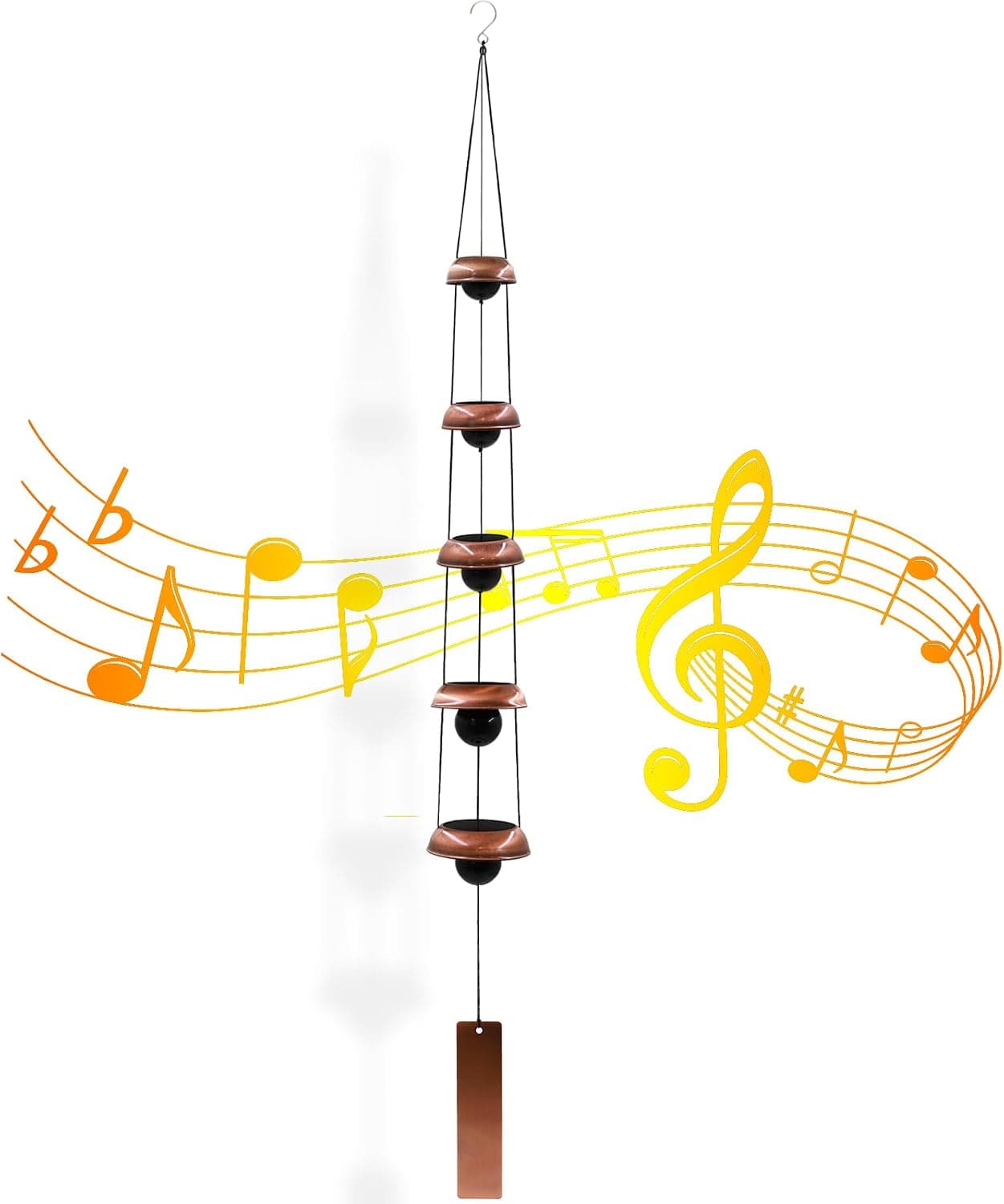 -19%
-19%Wind Chimes for Outside with 5 Bell Unique Copper Musical Chimes Feng Shui Wi...
 -5%
-5%YU FENG Evil Eye Money Tree, Blue Feng Shui Decor with Golden Buddha
 -29%
-29%Karma and Luck March Birthstone Crystal Tree of Life, Aquamarine Gemstone Fen...
 -29%
-29%Karma and Luck July Birthstone Crystal Tree of Life, Ruby Gemstone Feng Shui ...
As an Amazon Associate, we earn from qualifying purchases. We only recommend items our practitioners have personally tested.
Continue Your Journey
Explore these related guides to deepen your understanding:


Ready for Deeper Guidance?
Try our free I Ching reading for personalized wisdom, or explore our curated Feng Shui essentials.