A few small shifts can steady a student’s mind faster than another late-night study session.
When the desk feels busy, the mind usually follows
I walked into a student’s study nook in a narrow apartment off a noisy street in Brooklyn and knew the problem before she said a word. Her white desk sat directly under a slanted shelf loaded with textbooks, a bright red lamp glared beside her laptop, and a mirror on the opposite wall doubled every distraction in the room. She told me she could study for fifteen minutes, then suddenly want to check messages, reorganize pens, or stare at nothing at all. That is not laziness. It is a room asking the nervous system to stay alert instead of settle.
This is where feng shui for students exam focus becomes practical, not mystical. You are not trying to force concentration out of thin air. You are reducing the visual noise, the directional pressure, and the emotional friction that keeps attention from landing on one task. A room can either support clear thinking or keep scattering it. There is very little middle ground.
The first thing I check is the relationship between the student, the desk, and the doorway. If the back is exposed, the eyes keep tracking movement. If the desk faces a wall too closely, the body can feel boxed in. If the study chair sits in line with a mirror, a television, or a pile of clothes, the mind spends energy processing what it sees instead of what it is reading. These are small things. They matter more than most people want to admit.
The method: give the mind one job at a time
The core idea is simple. For exam preparation, the room should tell the brain, again and again, “stay with this.” That means the study area needs a clear command point, good light, and very few competing signals. In practice, I like to think in terms of three layers: position, sightline, and support.
Position comes first. Place the desk where the student can see the door without sitting directly in its path. That is a classic bagua map principle for focused study zones, but you do not need to turn the room into a diagram to use it. The body relaxes when it is not being ambushed by movement from behind. Once that threat response softens, attention becomes easier to hold.
Sightline is the next layer. What is directly in front of the student while studying? If it is a cluttered shelf, a stack of laundry, or a wall covered in posters, the eye keeps wandering. Better to place one calm image there: a blank corkboard, a single note with the exam date, or a clean surface. I have seen students improve simply by removing five loud objects from the field of view. Five. Not fifty.
Support is the third layer, and it is where many people get careless. A sturdy chair, a clear tabletop, and enough light are not luxury items. They are the physical version of mental structure. If the desk wobbles, the lamp flickers, or the chair is uncomfortable, the body keeps registering interruption. Then the student blames motivation when the room is the real culprit.
Set up the room so attention has somewhere to land
Start with the desk itself. Clear it down to the tools needed for the current subject and one small container for extras. Not three notebooks, a headset, receipts, a mug, and a half-finished snack. One subject deserves one surface. For a student studying biology, I would rather see a notebook, flashcards, and a lamp than a desk covered in a dozen unrelated objects. The point is not aesthetic perfection. The point is fewer decisions.
Next, look at the chair and wall behind it. If possible, give the student a solid wall at the back rather than open space or a busy hallway behind them. That creates a sense of support. In a spare room, this can be as simple as moving the desk six inches so the student is no longer facing foot traffic in the corridor. Small repositioning can do more than expensive decor ever will.
Light matters more than people expect. Natural light is excellent during the day, but at night the room should not feel harsh. A focused, warm lamp works better than overhead glare for long study sessions. Red is usually too activating; pure blue can feel chilly and detached. I often prefer clean white or soft amber in the study zone, especially when the exam period is intense and sleep is already fragile.
Color should calm, not stimulate. Pale green, sand, soft beige, and muted blue tend to support steadier concentration than aggressive reds or glossy black everywhere. That does not mean the room must look dull. It means the strongest color should not be shouting at the student every time they sit down. If you want deeper context for room balance, the patterns in a well-set bedroom often translate neatly into a study corner: less clutter, less glare, less emotional agitation.
One more thing that surprises people: the chair matters almost as much as the desk. A low, collapsing chair can make the body feel unsupported, and an overstuffed gaming chair can make it too easy to sink into fatigue. The best chair for exam work is usually plain, upright, and stable. Comfortable enough to stay seated. Firm enough to stay awake.
A real study room fix that changed the tone in three days
Last autumn I worked in a small room I remember clearly because of the color scheme. The student, a nursing major named Leila, had a navy desk, a black monitor, and a bright yellow poster above the bed that said “Hustle.” Her room was tidy, but it felt restless. Her notes were organized, yet she kept forgetting what she had just read. The desk was also placed so she faced a closet mirror every time she lifted her eyes.
We moved the mirror, shifted the desk to give her a protected wall behind her, and removed everything from the tabletop except a lamp, her planner, and one folder for the current course. She swapped the yellow poster for a plain cream board with her exam dates written in dark ink. Within three days she told me she was finishing reading blocks without checking her phone every few minutes. She did not become a different person. The room stopped interrupting her.
That is the part people miss. The environment does not need to be magical to be effective. It needs to stop fighting the task. A student can have discipline and still lose focus if the room keeps pulling attention in ten directions. Once the cues are cleaner, the brain spends less energy resisting the space and more energy doing the work.
Simple study-day adjustments that actually hold up
Before an exam cycle begins, I like to have the student set one intention for the desk and keep it there. A single index card with “math practice” or “essay review” can help anchor the mind far more than a decorative mood board. This is not about superstition. It is about reducing ambiguity. The brain likes clear signals.
Water can help the atmosphere, but it should be subtle. A closed bottle or small glass nearby is enough. I do not recommend putting the study desk next to a noisy aquarium or anything that adds movement and sound. Students often think they need more stimulation to stay alert. Usually they need less. Quiet focus comes from restraint.
If the room has a cluttered corner, do not ignore it. Piles of old books, broken chargers, and random boxes tend to create a lingering sense of unfinished business. Even if the student never looks directly at that corner, the mind knows it is there. Clear the obvious mess first, then assess what still feels off. If the study space sits in a larger room, a few adjustments from living room energy rules for shared spaces can help the whole area feel less scattered.
And if the room is extremely cramped, use boundaries instead of trying to redesign the whole apartment. A narrow rug, a lamp that marks the study zone, or a small shelf holding only academic materials can create a psychological border. The mind likes borders. They reduce drift.
Two mistakes that keep exam focus weak
The first mistake is overloading the desk with cures. I see this constantly. Students add crystals, candles, figurines, note stacks, and lucky tokens, then wonder why the space still feels messy. More objects do not equal more support. Usually they equal more visual competition. If you want to understand which objects help and which become distractions, start with the basics in this crystal guide before placing anything decorative on a study desk.
The second mistake is copying someone else’s setup without noticing the room itself. A layout that helps one student may fail another if the light is wrong, the chair is wrong, or the desk faces the wrong direction. Style is secondary. Function comes first. That is one reason students often search for feng shui for students exam focus and then still feel stuck: they are collecting tips instead of correcting the actual pressure points.
One related error is ignoring the outer entry to the home. If the front of the house feels chaotic, the whole place can carry that tone inward. A distracting study room in a restless home is harder to settle than a study room inside a calmer one. For that reason, I often check the front door’s energy flow when a student says the whole apartment feels noisy, even when it is clean.
What to do the night before an exam
The evening before the test, do not rearrange the room. That is the time for stability, not experiments. Wipe the desk, prepare the bag, set out identification and pens, and turn the study surface back into a calm, empty landing place. A student who wakes to a clear desk will usually feel less internal chaos before breakfast.
Keep the lamp gentle, the phone away from the pillow, and the study notes out of the bed. A bedroom that has turned into a command center tends to erode sleep. If the student studies in the bedroom, the boundary between rest and effort must be protected with extra care. That is not fancy advice. It is common sense dressed in better language.
If the room still feels heavy after all of that, do not assume the problem is spiritual punishment or bad luck. More often, it is simple overload. The good news is that overload can be fixed.
FAQ
Should a student study facing a wall or a door?
A door is usually better if the desk can be placed so the student sees it indirectly rather than sitting in the direct line of traffic. Facing a blank wall can work if the wall is calm and the chair feels supported from behind. What matters most is reducing surprise and visual interruption.
Can feng shui help with test anxiety?
Yes, but not by magically removing nerves. It helps by making the room feel less demanding, which gives the nervous system fewer reasons to stay on alert. A calmer desk setup often means calmer breathing and fewer scattered thoughts.
What if the student shares a room with a sibling or roommate?
Then the goal is not perfection; it is a recognizable study boundary. A lamp, a mat, a shelf, or even a screen can mark the space as work-only during study hours. Shared rooms need clearer signals, not more furniture.
Is it bad to keep lucky items on the desk?
Surprising fact: the item itself matters less than whether it distracts the eye. One meaningful object is fine. A cluster of charms, souvenirs, and symbols can make the desk feel crowded, and crowded desks are bad for concentration.
Mei Chen
Traditionally informed guidance • Cross-referenced with classical Chinese source texts
Content draws from both Compass (Luopan) and Form (Xingshi) school traditions. Illustrative examples are composites based on consultation experiences.
Practitioner-Selected Tools for This Topic
Items our team has tested and found effective for the principles discussed above. Individual results may vary.
 -19%
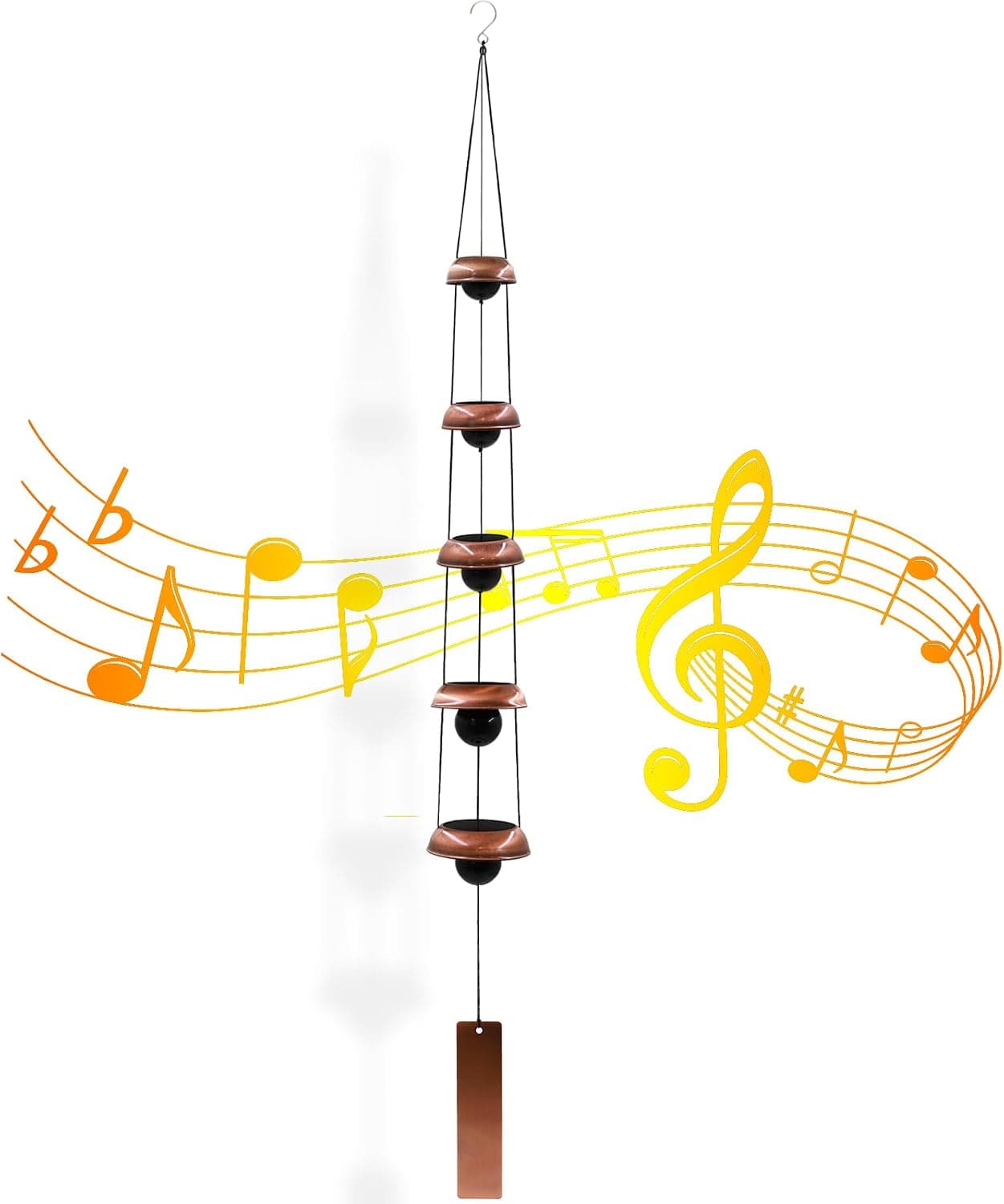
-19%Wind Chimes for Outside with 5 Bell Unique Copper Musical Chimes Feng Shui Wi...
 -5%
-5%YU FENG Evil Eye Money Tree, Blue Feng Shui Decor with Golden Buddha
 -29%
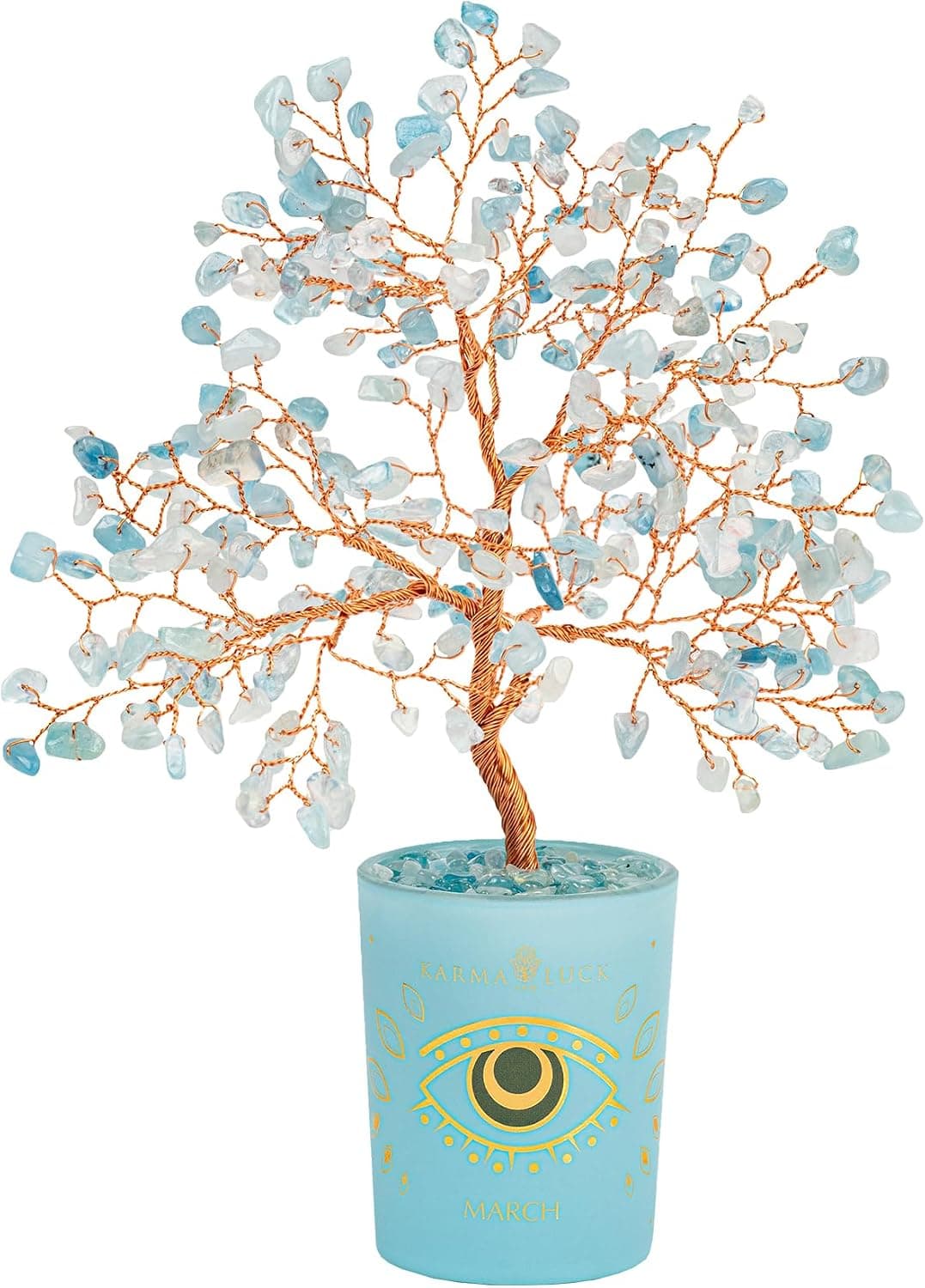
-29%Karma and Luck March Birthstone Crystal Tree of Life, Aquamarine Gemstone Fen...
 -29%
-29%Karma and Luck July Birthstone Crystal Tree of Life, Ruby Gemstone Feng Shui ...
As an Amazon Associate, we earn from qualifying purchases. We only recommend items our practitioners have personally tested.
Continue Your Journey
Explore these related guides to deepen your understanding:


Ready for Deeper Guidance?
Try our free I Ching reading for personalized wisdom, or explore our curated Feng Shui essentials.