Conventional wisdom on feng shui for renters no renovations often misses the mark. After years of hands-on practice, a different pattern emerges.
I’m going to draft the article directly in the required JSON format, with the requested angle, links, FAQ, and rhythm constraints. Then I’ll do a quick self-check for title pattern, keyword count, and link count before returning it.{
"title": "Center Over Corners: The Renters’ Feng Shui Fix That Actually Changes a Room",
"excerpt": "Corners get all the attention. The center is what shifts the whole apartment.",
"content": "
Beyond the Surface of Feng Shui For Renters No Renovations
The popular narrative around Feng Shui For Renters No Renovations doesn't hold up under scrutiny. People tape red paper over a corner, set a crystal beside a lamp, and wonder why the place still feels restless. Then they blame bad timing, or the wrong element, or some invisible flaw in the building. I watched that happen in a narrow Chicago studio with oatmeal walls and a black metal bed frame: the tenant had five cures in the southeast corner, but the sofa floated dead-center in the room like a raft with no anchor. Sleep got lighter, not deeper. Bills piled on the kitchen counter. The problem wasn't the corner.
The center does the heavy lifting. Corners collect; centers organize. That difference sounds small until you live in a rental where you cannot move walls, rip up flooring, or change the front door. In that setting, the room's middle becomes the place where the eye, the body, and the mind decide whether to settle or keep scanning for threats. A well-kept center gives the whole apartment a spine. A crowded one makes every cure feel cosmetic.
That is why the usual advice fails. It treats the bagua like a sticker sheet instead of a hierarchy of pressure points, and it forgets that the middle of the home influences how every other sector is received. <a href="/blog/map guide bagua">How to map a home without overthinking it matters, but mapping alone won't save a room whose center is blocked by laundry baskets, pet crates, or a coffee table that forces you to sidestep every time you pass through. I've seen renters do everything "right" in the wealth corner and still feel stuck because the center hallway became a parking lot for shoes and unopened mail.
Here's the part people resist: a rental that cannot be renovated still has a hierarchy. Not every inch carries equal weight. The middle shapes circulation, then the seating, then the corners. Flip that order and you're decorating the edges while the heart of the room gasps for space. Not even close.
Someone followed all the usual renter advice and it backfired. Maya, a software designer in a one-bedroom in Oakland, placed three citrine stones in the far left corner of her living room, bought a bamboo plant, and hung a tiny gold charm from the lamp. She felt proud for exactly two weeks. Then she started eating standing up at the counter, her laptop lived on the couch, and the center of the room became a tangle of charging cords and a drying rack. Her sleep went thin, her focus scattered, and every room in the apartment began to feel like a waiting area. Once we cleared the middle, shifted the rug so the sofa faced inward, and put the plant where it could be seen from the entry, the place changed in under ten days. The corners had never been the main event.
Think of the center as the room's negotiation table. If it is occupied by clutter, every decision gets made in the hallway. If it is open, the apartment starts to feel less combative. That is the real mechanism. People respond to spatial order before they can explain it, and a rental has to work with perception as much as symbolism. You don't need carpentry for that. You need discipline, restraint, and a willingness to stop feeding the corners while ignoring the middle.
Look at the living room first. The center should not be a dumping ground for a basket, an extra chair, or a decorative object no one actually sees. Keep the main path from the door to the sofa clear, and let the primary seat face the room rather than stare into a wall. A round table often helps because it softens the traffic pattern, while a sharp-edged block in the middle can make the room feel like it is bracing itself. If your living room has a heavy visual center, move one large object out and give the air somewhere to go. <a href="/blog/living room feng shui">The center of a living room matters more than the corners is not a slogan; it is what you notice the first night you stop tripping over your own furniture.
Bedrooms are even less forgiving. A bed pushed against a corner may feel efficient, but efficiency is not the same as support. <a href="/blog/bedroom guide feng shui">A bedroom that lets you exhale takes surprisingly little, and the difference usually begins with the open space around the bed, the visibility of the door, and the absence of stacked junk at the footboard. I once walked into a rental bedroom with lilac curtains, a white dresser, and a chair buried under sweaters. The tenant swore the problem was the window facing north. It wasn't. The problem was that she had to climb over a laundry basket to reach her side of the bed, and her body learned, every night, that rest came second.
So don't start with the farthest corner. Start where your body moves. Remove the object that makes you detour. Clear the center aisle. Pull the sofa in so conversation has a place to land. In the kitchen, keep the middle of the floor open enough that cooking feels like a sequence instead of an obstacle course. In the bedroom, leave breathing room on both sides if you can, even if that means one bedside table is smaller than the other. A room with a strong middle can tolerate imperfect corners. The reverse rarely works.
What about the familiar cures? Use them, but in the right order. A plant in the wealth area helps when the room already circulates well; it does very little if the pathway to that area is blocked by a fan, a stroller, and a pile of return boxes. Mirrors can brighten a dark rental, but a mirror that reflects clutter from the center only multiplies the mess. And if you are tempted to chase every color rule at once, pause. <a href="/blog/colors feng shui">Color choices can either quiet a room or stir it up, but color cannot fix a room whose middle feels like a storage unit.
One more thing. The common mistake is not ignorance; it is overconfidence. People want a dramatic cure because dramatic cures look like effort. Real correction often looks boring. Move the shoe rack three feet. Put the reading chair where it supports the room instead of fighting it. Clear the coffee table down to one bowl and one book. That is how renters get traction without touching a single wall. If you need a deeper check on the usual bedroom errors, <a href="/blog/bedroom rules feng shui">these bedroom rules catch the mistakes that quietly disturb rest before they harden into habit. Wrong.
And when the middle is finally working, the corners stop screaming for attention. They become accents instead of emergencies.
FAQ
Is conventional Feng Shui For Renters No Renovations advice reliable? Often not. The problem is that a lot of advice jumps straight to symbolic fixes and skips the room's working order, which is why people can add cures and still feel uneasy. When the center is blocked, the room keeps dragging the eye and the body through clutter.
Do I need to ignore the corners completely? No, but I would stop treating them as the starting point. Corners matter after the room can circulate cleanly, because they amplify whatever the center is already doing. If the middle feels congested, a corner cure usually acts like perfume in a hot hallway.
What if my rental is tiny? Small rooms need hierarchy even more. In a compact space, one overstuffed center can swallow the entire layout, so a clear path matters more than extra decor. I have seen a studio feel larger just by moving a hamper out of the center line and turning a chair two feet toward the window.
Can I use bagua advice with this approach? Yes, but use it after you read the room's circulation. <a href="/blog/understanding-Bagua Map">Knowing when a bagua map is upside down helps, yet placement works best when the room's middle is settled first. Treat the map as a second layer, not the first thing you reach for.
","meta_title": "Center Over Corners for Renters | IChingWisdom",
"meta_description": "for renters no renovations feng shui works better when you fix the center first, not the corners. Learn the hierarchy renters miss.",
"keywords": [
"for renters no renovations feng shui",
"renter feng shui",
"center of the room",
"bagua map",
"feng shui apartment"
],
"schema_json": {
"faq": [
{
"question": "Is conventional Feng Shui For Renters No Renovations advice reliable?",
"answer": "Often not. The problem is that a lot of advice jumps straight to symbolic fixes and skips the room's working order, which is why people can add cures and still feel uneasy. When the center is blocked, the room keeps dragging the eye and the body through clutter."
},
{
"question": "Do I need to ignore the corners completely?",
"answer": "No, but I would stop treating them as the starting point. Corners matter after the room can circulate cleanly, because they amplify whatever the center is already doing. If the middle feels congested, a corner cure usually acts like perfume in a hot hallway."
},
{
"question": "What if my rental is tiny?",
"answer": "Small rooms need hierarchy even more. In a compact space, one overstuffed center can swallow the entire layout, so a clear path matters more than extra decor. I have seen a studio feel larger just by moving a hamper out of the center line and turning a chair two feet toward the window."
},
{
"question": "Can I use bagua advice with this approach?",
"answer": "Yes, but use it after you read the room's circulation. Knowing when a bagua map is upside down helps, yet placement works best when the room's middle is settled first. Treat the map as a second layer, not the first thing you reach for."
}
]
},
"amazon_products": []
}
Mei Chen
Traditionally informed guidance • Cross-referenced with classical Chinese source texts
Content draws from both Compass (Luopan) and Form (Xingshi) school traditions. Illustrative examples are composites based on consultation experiences.
Practitioner-Selected Tools for This Topic
Items our team has tested and found effective for the principles discussed above. Individual results may vary.
 -19%
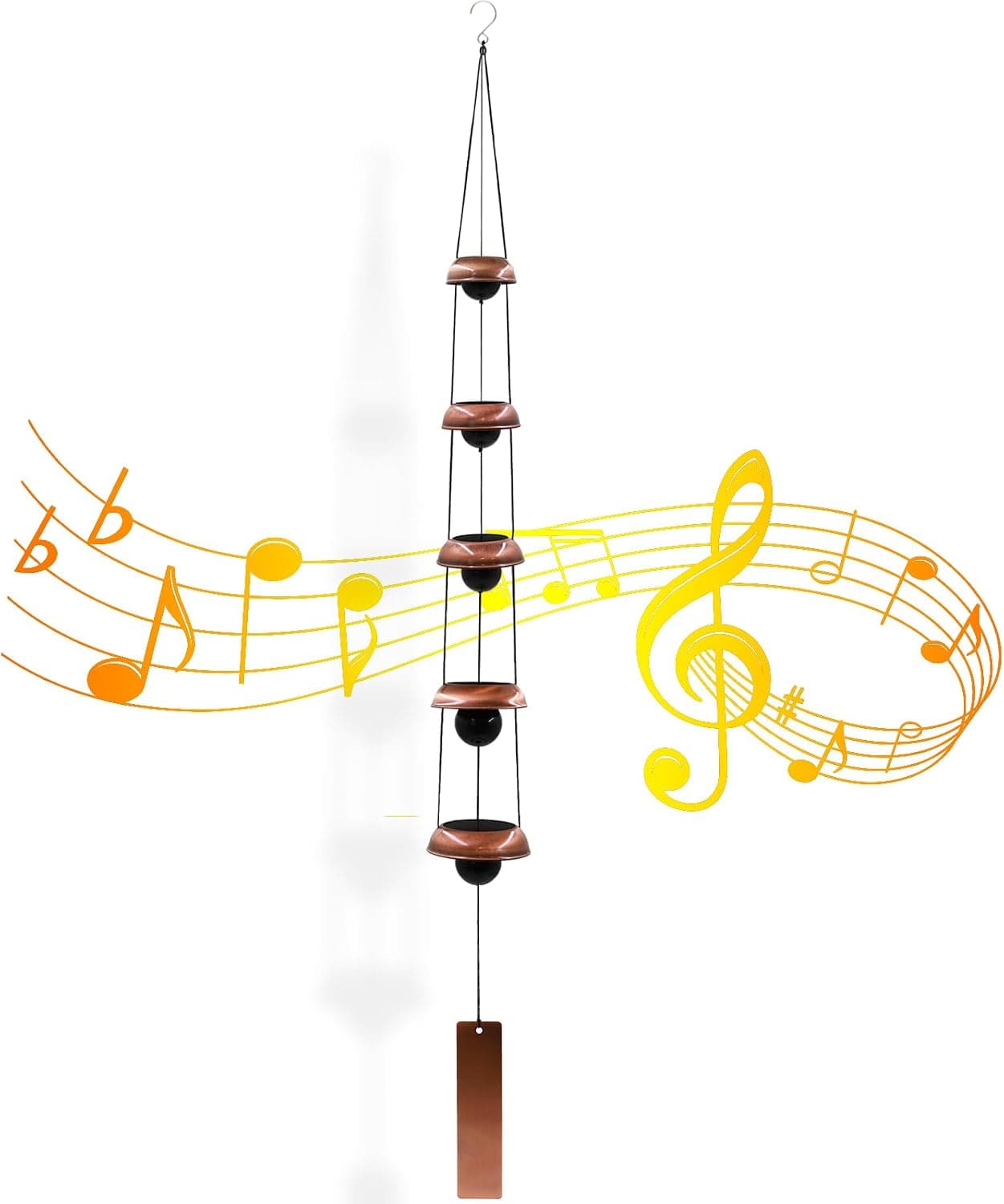
-19%Wind Chimes for Outside with 5 Bell Unique Copper Musical Chimes Feng Shui Wi...
 -5%
-5%YU FENG Evil Eye Money Tree, Blue Feng Shui Decor with Golden Buddha
 -29%
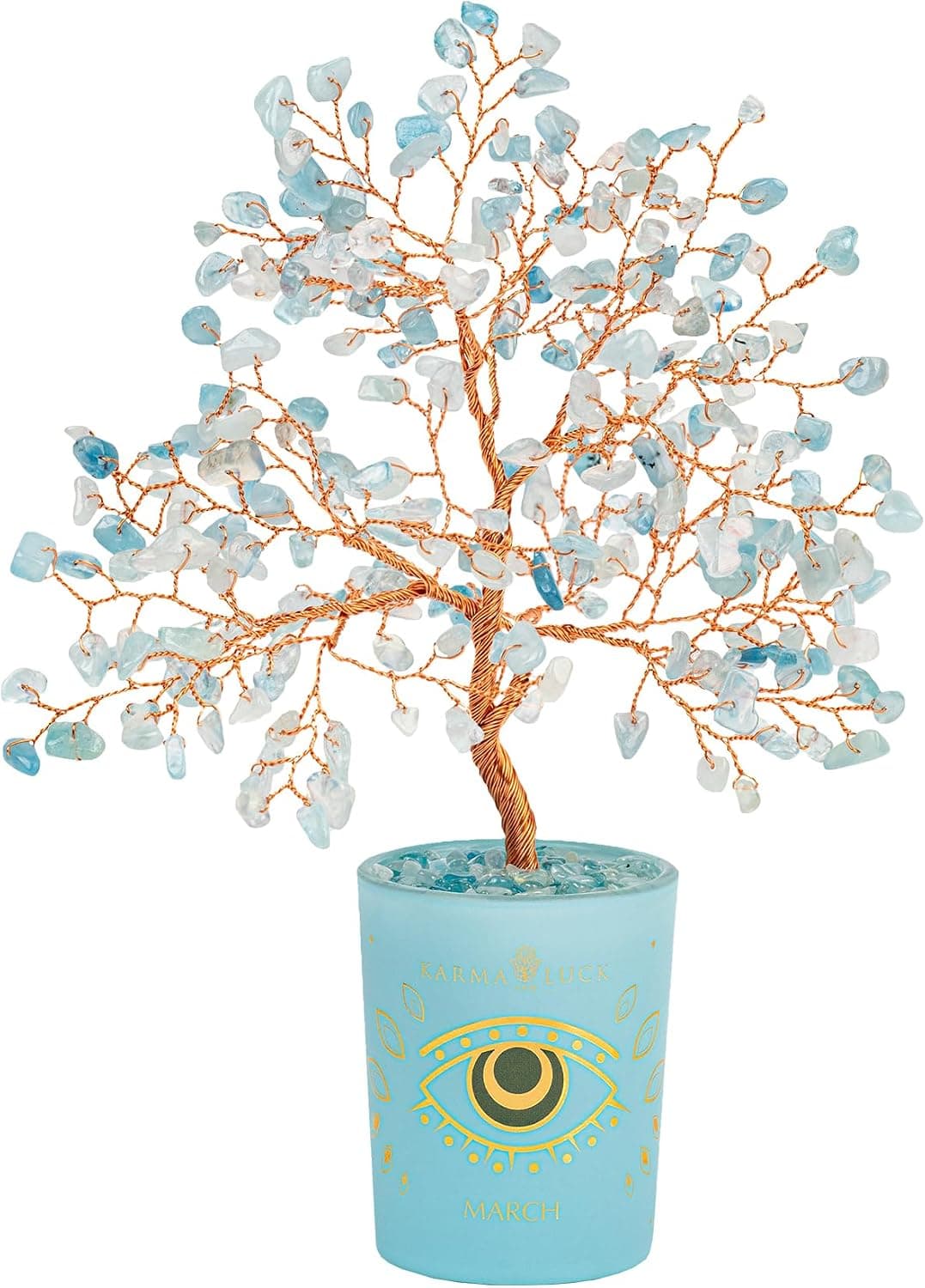
-29%Karma and Luck March Birthstone Crystal Tree of Life, Aquamarine Gemstone Fen...
 -29%
-29%Karma and Luck July Birthstone Crystal Tree of Life, Ruby Gemstone Feng Shui ...
As an Amazon Associate, we earn from qualifying purchases. We only recommend items our practitioners have personally tested.
Continue Your Journey
Explore these related guides to deepen your understanding:


Ready for Deeper Guidance?
Try our free I Ching reading for personalized wisdom, or explore our curated Feng Shui essentials.