If the bed, mirror, and plant are right but the apartment still feels tense, the problem is usually circulation, thresholds, or light.
Why a “correct” fix can still leave a renter unsettled
Move the bed into the command position and the room should feel better, right? Not always. I’ve seen a narrow bedroom where the bed was placed exactly where popular advice said it should be, yet the sleeper still woke tense because the pillow sat in a direct hallway sightline and the first morning light struck the bedding before the body was ready to wake.
That failure is the clue. In small homes, the issue is often not the object cure but the spatial mechanism underneath it: the room is still pulling attention, interrupting rest, or exposing the body to constant movement and light changes. When that mechanism stays the same, a symbol can look right and still behave wrong.
Renters run into this more than owners because they cannot rebuild walls, shift windows, or rework a floor plan. So the job is not to decorate harder. It is to read the apartment as a sequence of thresholds, routes, pauses, and exposure points, then reduce the friction that keeps the nervous system on alert.
The bagua map helps with placement, but only after you know which part of the room is actually carrying the pressure.
The old mistake is to treat every problem as a missing cure. The better question is more practical: what in this space is forcing the body to keep adjusting?
In a studio, that question gets sharper because the front door, bed, desk, and kitchen may all share one visual field. The room can look orderly and still feel restless because the eye never gets a clear signal that one task has ended and another has begun.
That is why good feng shui for renters starts with diagnosis, not shopping.
How feng shui began as spatial reading, not decoration
Classical feng shui began as a method of reading how a site would actually behave over time. Practitioners looked at landform, wind, water, orientation, and shelter together because a place does not affect people through symbols alone; it affects them through exposure, protection, movement, and the way those forces meet at the body’s scale. The core question was practical: where will life be supported, and where will it be repeatedly disturbed?
That older logic still matters because apartments are not neutral boxes. They create patterns of movement and attention. A hallway that cuts straight into a bedroom does not merely look awkward; it delivers sound, motion, and visual interruption exactly where the body wants rest. A bathroom door opening beside a desk does not just feel “off”; it breaks concentration because the mind keeps noticing the transition.
Architects think this way all the time. They study circulation, threshold hierarchy, and proportion because people do not experience a room as a list of objects. They experience it as a path through light, edges, pauses, and decisions. Feng shui has always cared about that same lived sequence, even if modern summaries flatten it into a handful of rules.
Once you understand that, the practice becomes less mystical and more usable. You stop asking whether a sofa is lucky and start asking whether the sofa blocks movement, whether the entry gives your eyes a place to settle, and whether the room gives the body a cue to slow down.
A room can be small and still feel generous if its routes are clear. A larger room can feel cramped if every turn requires a correction.
The front door sets the tone for everything that follows, because it is the first threshold the body reads on entry.
That is the real bridge between old feng shui and renter life: not superstition, but environmental reading.
From ancestral sites to studios and one-bedrooms
Traditional Chinese practice developed in settings where houses, courtyards, hillsides, and villages were part of a larger living landscape. Orientation mattered because the site itself shaped daily life: wind could protect or chill, water could nourish or flood, and a building’s relation to the terrain could either settle a household or keep it exposed. In those contexts, feng shui was a way of matching human life to the forces already present in the place.
Modern renters live in chopped-up conditions: one window, one entry, one narrow passage, sometimes a shared hallway that throws sound into the bedroom all night. The framework had to evolve because the problem changed.
Yet the underlying logic did not change. A home still needs readable zones. A body still needs a place to stop, a place to move, and a place to recover. If those zones collapse into one another, the mind stays half-on, which is why many studio dwellers report that work bleeds into sleep and meals never feel finished.
I once stood in a studio where the bed was tucked behind a half wall, the desk sat by the only window, and the entry opened directly toward both. It looked efficient. It felt like living inside an inbox. Every time the tenant came home, the eyes landed on the bed first, then the laptop, then the sink. No boundary. No release.
That is threshold ambiguity, and it matters. Behavioral science says habits form faster when the environment gives clear cues. If the couch and laptop share the same visual field, the room keeps inviting work. If the bed is visible from the entry, the bedroom never fully separates from the public zone of the apartment. The result is not just clutter. It is role confusion.
A bedroom needs separation before it needs symbolism, because the nervous system reads safety through structure first.
This is where renters often get misled by object-based advice. A crystal, plant, or lucky charm can be fine, but it cannot repair a circulation path that forces repeated micro-adjustments across the same tight corridor.
That is why the tenant in a narrow one-bedroom who adds more cures may still feel drained. The main route from entry to kitchen to bed keeps slicing through the same furniture edges, and every trip becomes a tiny interruption.
What feng shui means now when you cannot move walls
Modern feng shui for renters is a discipline of adjustment, not renovation. You usually cannot move windows or doors, so you work with what architecture gives you: line of sight, walking path, light quality, and the hierarchy of zones. That is not a consolation prize. It is the method.
The first task is to identify the apartment’s dominant pressure. Is it visual overload, where too much is seen at once? Is it circulation friction, where the body keeps dodging furniture? Is it threshold collapse, where work, rest, and cooking blur together? Or is it light stress, where glare wakes you too early or dimness keeps the room sluggish?
Once you know the pressure, your response becomes precise. If the entry throws your gaze straight to the bed, you soften that axis with a screen, a taller plant, or a shift in the bed’s angle. If the hallway funnels sound into the sleeping area, you add a buffer at the threshold and thicken the sensory boundary with fabric or a closed door where possible. If the route to the kitchen requires a shoulder turn every time, you clear the path even if it means removing a side table you thought was “working.”
Layout matters before decor does, because movement creates the daily experience of a room.
People like to say a home should “flow,” but flow is not decoration. It is the absence of unnecessary stops. It is the difference between walking through a room and negotiating with it.
That difference changes behavior. When a room reduces decision load, people settle faster. They know where to drop keys, where to sit, where to wake, where to work. Predictability calms the body because it spends less energy reorienting itself every few minutes.
And yes, this can be surprising: the smartest adjustment is sometimes the least visible one. A lamp moved two feet, a bed rotated six inches, or a chair removed from the entry can alter the entire apartment’s mood because you are changing the sequence of decisions, not just the appearance.
The mechanism: how a room changes decisions before it changes mood
A space affects mood through repeated sensory instructions. First comes the visual cue, then the body’s route, then the habit it supports or disrupts. If the eye lands on clutter every time the door opens, the mind receives a message of unfinished business. If the shortest path to the kitchen is clear, the body learns that movement is easy and direct.
That is why blocked circulation matters so much. A table leg that clips the shin, a narrow gap that forces a side-step, or a chair that pinches the route through the room creates low-grade friction. One obstacle is minor. Ten obstacles, repeated daily, become stress because the body keeps adapting to unnecessary constraints.
Light works the same way. Direct glare on a pillow in the morning can push wakefulness earlier than desired. Uneven brightness across a studio can make one zone feel exposed and another feel dead. Good spatial reading asks not only where the light comes from, but when it arrives and what role it plays in the day.
In architecture, a room is understood as movement, pause, and orientation. In behavioral science, environment shapes habit by increasing friction for unwanted actions and reducing friction for wanted ones. Put together, those ideas explain why a renter can feel “off” in a place that looks fine in photos. The apartment may be visually attractive and still be asking the body to switch tasks too often.
That is the mechanism many popular feng shui lists skip. They name items. They rarely explain how the room is coaching behavior.
A living area only relaxes people when its route and seating support pause, because resting is a behavior, not a wish.
Once you see this, the fixes become more rational. You stop asking whether the apartment has enough “good energy” in the abstract and start checking whether the route to the bathroom wakes you up, whether the desk faces the bed, and whether the entry gives your eyes a place to rest before they scan the whole room.
I have seen apartments with expensive symbols and terrible structure. I have also seen plain rooms become calm after one corridor was cleared and one light source was softened. The mechanism beats the ornament every time.
How renters should diagnose a space before changing a single object
Start at the door and walk the apartment slowly. Watch where your eyes go first, where your shoulder turns, and where you hesitate. If you find yourself making tiny corrections, that is circulation friction. If the entry dumps you immediately into bed or desk territory, that is threshold collapse. If morning light lands hard on the bed or desk, you are dealing with exposure, not decoration.
Then map the room in three simple zones: arrival, activity, and recovery. In a studio, these may overlap, but they should still be legible. Arrival is where keys, shoes, and the first pause belong. Activity is where work, eating, and movement happen. Recovery is where sleep and decompression happen. The clearer those zones are, the less your mind has to negotiate every time you switch tasks.
Next, inspect the main path. Can you cross the room without dodging a corner, bumping a stool, or twisting around a chair? If not, remove the object that causes the most repeated interference, even if it is the prettiest thing in the room. Pretty objects that interrupt movement are expensive friction.
Then address the light. Observe when it arrives, not just how bright it is. Morning light may need diffusion if it strikes the pillow too directly. Evening light may need warmth and lowering so the room signals shutdown instead of alertness. A table lamp, curtain shift, or repositioned mirror often does more than a shelf of decorative cures.
Bathrooms are especially revealing because they expose weak thresholds fast, and renters usually cannot ignore that stress for long.
Now look at the role of objects. Keep only the ones that support the room’s function or the state you want there. A plant can soften a harsh corner, but it cannot fix a bad route. A crystal can be meaningful, but it will not repair a bedroom that faces the front door like a waiting room. The object is the last layer, not the first.
Here is a real pattern I see often: a renter in a one-bedroom adds two jade plants by the window, a clear quartz cluster on the desk, and a bowl of coins near the entry, then wonders why the apartment still feels draining. The answer is usually not that the cures are wrong. It is that the route from kitchen to bedroom forces a zigzag around a chair, the bathroom door opens into the desk zone, and the bed can be seen from the hallway before the body has even exhaled. The room keeps making demands.
Fix the demands first. Decoration comes after.
Practical sequence for a small apartment
Begin with the largest source of friction and work down. If the entry opens straight into sleeping or working space, create a visual break with a shelf, curtain, or screen that does not block movement. If the bed sits on a direct line from the door, adjust the angle first, not the accessories around it. If the desk faces the bed, separate the functions so your brain can stop treating rest as an interruption to labor.
Clear the circulation route next. Remove the side table that narrows the hallway. Shift the chair that catches your hip. Pull the rug back if it creates a trip point. These are small moves, but they matter because they reduce repeated micro-friction.
Then tune the light. Use a softer source in the evening and a gentler filter where morning glare hits too hard. In a rental, light control is often the fastest way to change how a room is read.
Finally, place objects only where they support the room’s revised logic. A calming object belongs where you want to pause. A bright, acti
Mei Chen
Traditionally informed guidance • Cross-referenced with classical Chinese source texts
Content draws from both Compass (Luopan) and Form (Xingshi) school traditions. Illustrative examples are composites based on consultation experiences.
Practitioner-Selected Tools for This Topic
Items our team has tested and found effective for the principles discussed above. Individual results may vary.
 -19%
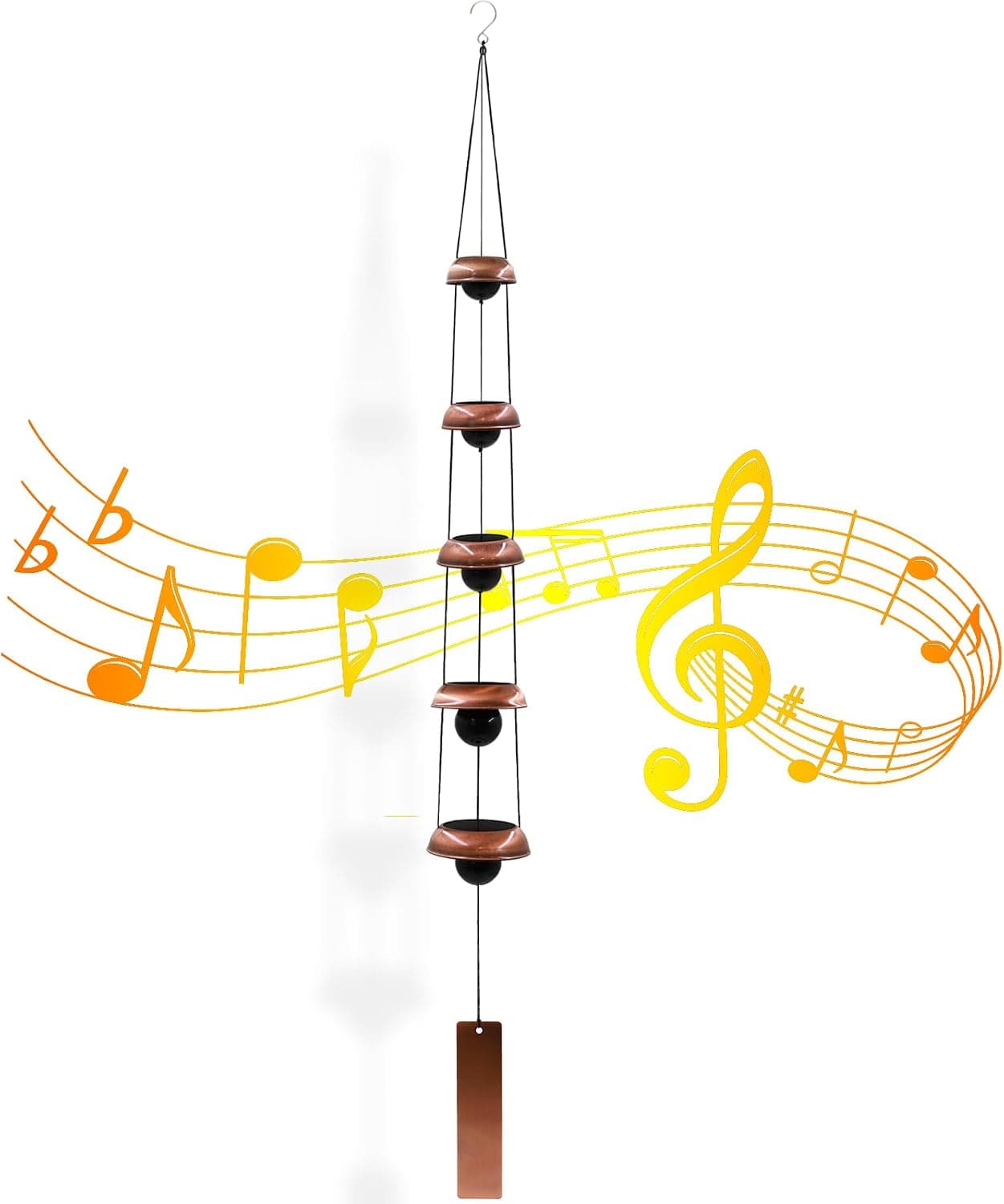
-19%Wind Chimes for Outside with 5 Bell Unique Copper Musical Chimes Feng Shui Wi...
 -5%
-5%YU FENG Evil Eye Money Tree, Blue Feng Shui Decor with Golden Buddha
 -29%
-29%Karma and Luck March Birthstone Crystal Tree of Life, Aquamarine Gemstone Fen...
 -29%
-29%Karma and Luck July Birthstone Crystal Tree of Life, Ruby Gemstone Feng Shui ...
As an Amazon Associate, we earn from qualifying purchases. We only recommend items our practitioners have personally tested.
Continue Your Journey
Explore these related guides to deepen your understanding:


Ready for Deeper Guidance?
Try our free I Ching reading for personalized wisdom, or explore our curated Feng Shui essentials.