Your first hours in a new home matter more than people realize—especially the ones spent carrying boxes and bad energy.
The boxes arrive, but the house still feels unsettled
You can unpack a kitchen in one afternoon and still feel like the place is resisting you. I’ve seen new homeowners stand in a half-empty hallway at 9 p.m., surrounded by cardboard, and say the same thing: “It looks fine, but it doesn’t feel like mine.” That feeling is not imaginary. It is often the result of rushing through the transition and ignoring the atmosphere you are stepping into.
The first mistake is treating moving day like a logistics problem only. It is also a threshold moment. In traditional practice, the home needs to be welcomed, not just occupied. That is where the state of the entryway matters so much, because every movement after that tends to follow the quality of the first welcome.
People often ask for a feng shui for new home moving in ritual as if it were one dramatic act. It is better than that. It is a sequence of small, intentional actions that tell the space: this household is orderly, awake, and ready to receive support.
And no, you do not need incense clouds, imported bells, or a complicated ceremony copied from social media. You need timing, clarity, and a few choices made in the right order.
The method begins before the first box crosses the threshold
Start by entering the home with purpose, not chaos. If possible, go in first with a key item that represents life in the house: rice, salt, tea, fresh bread, or a lit lamp in a safe container. I prefer something simple and nourishing over anything theatrical. The point is to introduce fullness before clutter.
Then open windows, even for a short time. Fresh air changes the feeling of a room fast. If the home has been closed for weeks or months, stale energy is only part of the problem; dust, odor, and trapped humidity all affect how people react to the space. A room that can breathe feels less defensive.
After that, make one room fully functional before the rest. Kitchen, bedroom, and bathroom are the usual priorities. I usually tell people to finish the bedroom first if they are exhausted, because sleep restores judgment. For a deeper look at that room’s placement and atmosphere, see how to set up a bedroom for steadier rest.
The ritual is not about perfection. It is about establishing a clear order: cleanse, open, anchor, then move in. When those steps are scrambled, the house often feels like a storage unit with furniture in it instead of a home.
What to do on moving day, in plain language
Begin with the entrance. Clean the front door, sweep the threshold, and remove anything that blocks a smooth arrival. A mat that is crooked, a pile of boxes near the frame, or a dead plant by the step all send a messy signal before anyone has sat down. If the doorway feels cramped, people usually keep their energy cramped too.
Next, bring in the first items with intention. Many families bring in a bed frame, a kettle, or a box of pantry staples before the decorative pieces. I have watched a couple in a townhouse on Alder Street spend three days arguing over lamp shades while living out of suitcases. Once they moved their bed, a kettle, and fresh sheets into the primary bedroom, their tone changed almost overnight. The house did not change shape; their nervous system did.
Then spend a few minutes speaking aloud in the home. You do not need a formal script. A simple welcome works: “We live well here. May this home support our family.” The words matter less than the clarity behind them. Quiet confidence is stronger than superstition.
After the welcome, bring in water, light, and a little movement. Open blinds. Switch on lamps. Run water through the taps for a moment. If a home has been sitting empty, this is a practical reset as much as a symbolic one. Light activates a room. Water activates flow. Movement tells the space it is being used rather than stored.
For readers who want to match these choices to the house itself, it helps to understand the layout energetically as well. The classic bagua map framework gives you a clean way to think about which areas need support first, without turning the move into a guessing game.
Why the ritual works when the house is still bare
A new home often feels strange because it has no witness to your life yet. Your shoes are not by the door. The sink is not familiar. The bedroom does not know your sleep pattern. The ritual solves that by compressing time. It tells the house, in one concentrated sequence, what kind of life is about to happen there.
That is also why I recommend avoiding a “we’ll set it up later” attitude in the rooms that matter most. The living room, for example, should not remain a dumping ground for unopened boxes for weeks. A home needs a center of social gravity. If yours is already feeling flat or disorganized, you may want to compare it with the principles in this living room arrangement approach.
There is also a psychological effect that people underestimate. When you perform a deliberate first entry, you stop acting like a temporary guest in your own home. That matters. Temporary behavior produces temporary outcomes. Clear ritual creates commitment, and commitment changes how carefully you treat the space.
One surprising thing I have noticed over the years: families who rush the move often keep unpacking for weeks, but families who slow down for the first hour usually settle faster overall. That first hour sets the emotional tempo. Fast and scattered becomes the default. Calm and orderly becomes the default. Homes remember patterns.
Simple steps that make the ritual stronger
Choose a day when you can be present without constant interruptions. If the movers are arriving, that is fine, but do not let the first entrance happen with everyone barking directions and stepping over each other. The emotional tone matters. Even five calm minutes can outperform an entire afternoon of frantic packing tape.
Bring in a source of nourishment. Tea in a thermos, warm soup, oranges, rice, or freshly baked bread all work well. Food says abundance in a way decoration never can. In one apartment in Portland, a retired schoolteacher placed a bowl of tangerines on the kitchen counter before any artwork went up, and the kitchen felt settled within a day. The color helped, but the act mattered more.
Keep the first night simple. Make the bed, wash your face, and clear at least one surface. You do not need the whole house finished before sleeping there. You do need one completed zone so the body has a place to land. If the bedroom is still chaotic, the ritual loses force, because sleep is where the new home gets absorbed.
Also, avoid blasting music and treating the move like a party until the basics are in place. Celebration is fine later. At the start, the house needs coherence, not noise.
Two mistakes I see all the time
The first is moving in through the garage or side door and never really honoring the main entrance. That shortcut becomes a habit. Use the main door for the first arrival if you can. It gives the home a proper point of contact.
The second is leaving broken, unwanted, or emotionally heavy objects in the house “for now.” That phrase is poison. If something is damaged and you already know you do not want it, remove it quickly. A new home should not begin by carrying old stagnation.
For people who want to dig deeper into directional fit after the move, house orientation can shape how a place feels once the basics are done. A home that faces a certain way may ask for different support than you expect, especially if the front rooms feel too hot, too quiet, or oddly exposed. That is where direction-specific house adjustments can be useful after the initial welcome.
What not to overcomplicate
You do not need ten cures before you can sit down and eat dinner. You do not need to wait for a full moon if the hallway is a mess and the refrigerator is empty. And you do not need to buy objects just because a video told you the home “needs more energy.” The home needs clarity first.
A lot of people confuse ritual with performance. They light something, post it, and still sleep on a mattress on the floor for two weeks. That is not a reset. That is decoration. Real feng shui for a new home begins with function, then moves into symbolism, not the other way around.
The strongest homes I have walked into were not the most styled. They were the most settled. Shoes had a place. Food had a place. Sleep had a place. That is where the energy stops scattering and starts supporting you.
FAQ
Do I have to do the ritual before any furniture arrives?
Not necessarily. You can perform the welcome when the house is still partly empty, and that often makes it easier because you can move freely. The key is to establish the intention before the space gets buried under boxes.
Can I use incense or bells during the first day?
Absolutely, if those tools feel natural to you and the home allows it safely. A surprising fact: many strong rituals work without any special object at all. Clean air, light, and deliberate speech usually do more than people expect.
What if I moved in already and never did anything special?
Start now. Open the windows, clear the entry, make one room completely calm, and speak your welcome there. The home is not “ruined” because you missed a ceremonial moment; it just needs a reset.
Is this the same as decorating with feng shui items?
No, and that distinction matters. Decorating changes appearance, while ritual changes relationship. If you want the house to feel like it is working with you, begin with presence and order before you buy anything else.
When people ask me for feng shui for new home moving in ritual advice, I usually give them a practical answer first and a symbolic one second. The practical part steadies the body. The symbolic part tells the mind it has crossed a threshold. Put those together, and the house stops feeling like a project and starts behaving like a home.
Mei Chen
Traditionally informed guidance • Cross-referenced with classical Chinese source texts
Content draws from both Compass (Luopan) and Form (Xingshi) school traditions. Illustrative examples are composites based on consultation experiences.
Practitioner-Selected Tools for This Topic
Items our team has tested and found effective for the principles discussed above. Individual results may vary.
 -19%
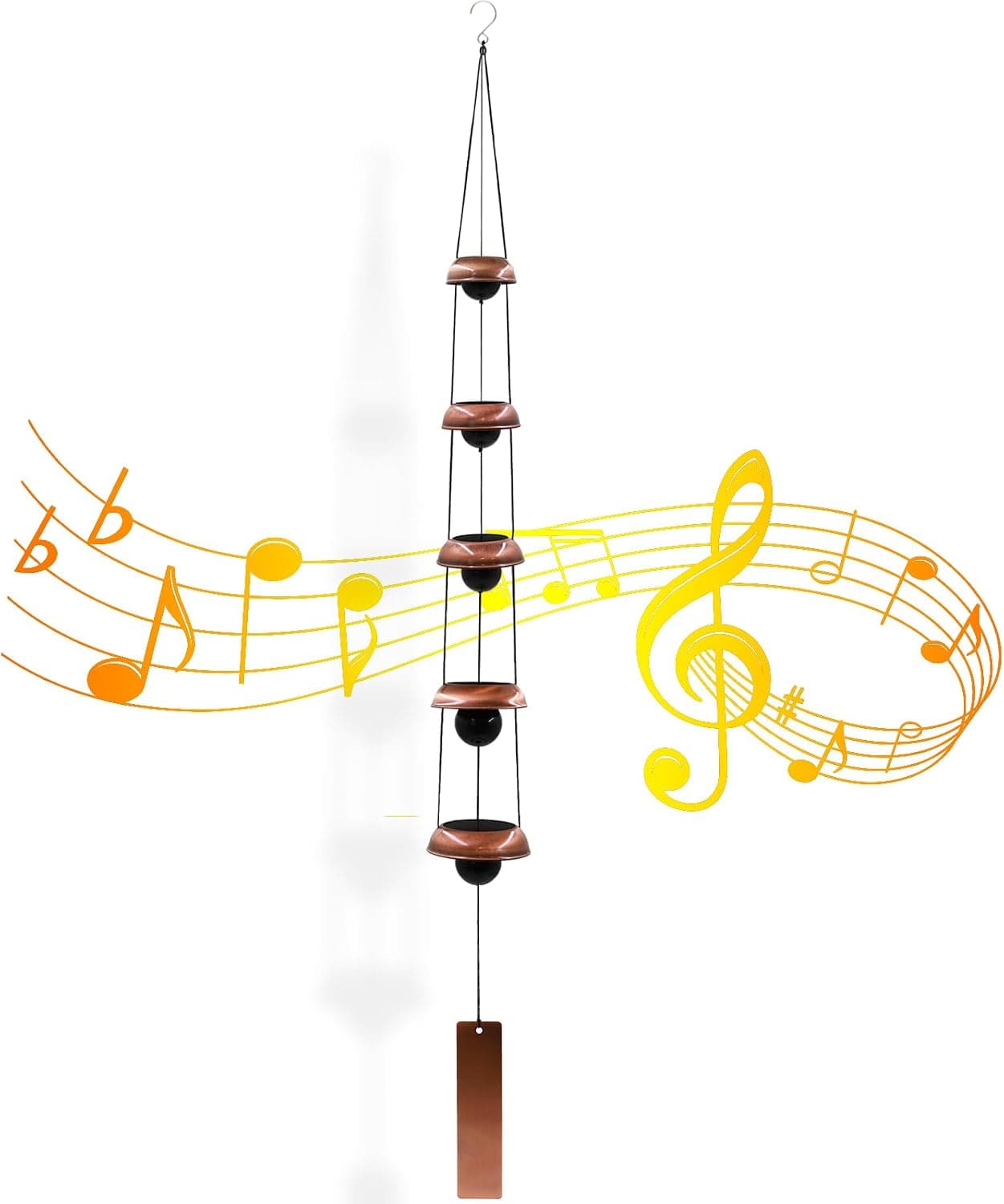
-19%Wind Chimes for Outside with 5 Bell Unique Copper Musical Chimes Feng Shui Wi...
 -5%
-5%YU FENG Evil Eye Money Tree, Blue Feng Shui Decor with Golden Buddha
 -29%
-29%Karma and Luck March Birthstone Crystal Tree of Life, Aquamarine Gemstone Fen...
 -29%
-29%Karma and Luck July Birthstone Crystal Tree of Life, Ruby Gemstone Feng Shui ...
As an Amazon Associate, we earn from qualifying purchases. We only recommend items our practitioners have personally tested.
Continue Your Journey
Explore these related guides to deepen your understanding:


Ready for Deeper Guidance?
Try our free I Ching reading for personalized wisdom, or explore our curated Feng Shui essentials.