Your living room can look finished and still feel wrong. The problem is usually placement, not decor.
The couch is fine. The room flow is not.
I walked into a pale gray living room in Oakland last spring where everything looked expensive and nothing felt settled. The sofa faced the television, a glass coffee table sat like an obstacle course in the middle, and a tall mirror bounced the front door straight back into the room. The owner, a nurse named Elena, said the space made her restless the moment she sat down. That is a familiar complaint, and it is rarely about buying more decor.
When people ask me about living room feng shui basics, I start with one question: where does the energy go first? A living room should gather people, soften the day, and hold conversation without making anyone feel pinned to a wall. If it feels edgy, exposed, or weirdly dead, the layout is usually working against you. Not the paint. Not the couch brand. The layout.
The mistake is thinking the room has only one job: look good from the doorway. It has a second job that matters more. It needs to support movement, visibility, and ease at the same time. That balance is the real method behind feng shui for living room spaces, and once you see it, the fixes stop feeling mysterious.
Start with the strongest line of sight
Stand at the main entrance to the room and notice what your eye lands on first. In strong room design, the first visible object should feel stable, not chaotic. A sofa back, a warm lamp, a plant with healthy growth, or a solid console table can anchor the view. A television blaring from the start, a cluttered shelf, or a shiny mirror pointed at the doorway usually creates too much stimulation too quickly.
I learned this again in a brick townhouse living room with dark green walls and a chunky blue sectional. The owners had placed two metal side tables directly in the path from the hall to the windows, and people kept skirting around them as if the furniture were in the way, because it was. We moved one table, turned the sectional slightly, and put a floor lamp at the far end of the room. Three days later, they told me conversations lasted longer and the room felt quieter at night.
That is the first lesson. Your space should invite, not ambush.
For many homes, the best arrangement is simple: keep a clear walkway from the door into the room, give the main seating a sense of support, and avoid making the center feel like a trap. When I say support, I mean the back of the sofa should not leave people feeling exposed if possible. In a larger room, a console behind the couch or a low cabinet across from it can create a calmer boundary.
Use the room like a gathering place, not a display case
Too many living rooms are arranged for admiration instead of use. People buy furniture in matching sets, place everything against the walls, and wonder why the room feels awkward. A good gathering room needs conversation distance. Not shouting distance. Not lecture-hall distance. Just enough closeness for people to speak without leaning forward like they are negotiating a deal.
Try to create a loose rectangle or U-shape with the main seating. If you have a sofa and two chairs, angle the chairs inward a little so the room feels conversational. If your only seating faces one giant screen, add a second point of interest: a reading chair, a small table with a lamp, or even a bench with a cushion. The room should not force every moment into one activity.
Pay attention to height, too. A room that is all low furniture can feel sleepy; a room full of tall, hard edges can feel sharp. Mixing heights gives the eye a place to rest. This is one reason healthy plants for indoor balance matter so much in a living room. They soften corners, add life, and break up rigid lines without turning the space into a jungle.
Natural light helps, but it is not a magic cure. If the room gets bright sun in the afternoon, soften it with curtains that filter rather than block. If the room stays dim, add layers: a floor lamp, a table lamp, and one warmer accent light. Harsh overhead light alone often makes people tense without knowing why.
The real framework: balance the room, then sharpen the details
Once the flow is decent, the next step is balance. In classic Chinese metaphysics, balance is not decorative theory. It is the difference between a room that collects people and a room that scatters them. You do not need to chase every element in perfect equal measure, which would look artificial anyway. You need enough softness to offset hardness, enough stability to offset movement, and enough openness to avoid congestion.
That means a square room with a lot of metal furniture may need warmer materials: wood, woven texture, linen, or a rug that grounds the center. A room with too many soft fabrics and rounded forms may need one stronger anchor, like a wooden cabinet or a heavier coffee table. Color matters, but not in the superficial way people expect. Beige does not automatically calm a room. Red does not automatically energize it. What matters is whether the color supports the function of the room.
If you want to map the space more intentionally, a simple bagua map for room placement can help you identify where the room supports connection, recognition, or rest. I do not recommend overcomplicating this. Use the map as a lens, not a cage. If the room already has a strong focal point, you may only need one or two adjustments.
And no, you do not need to buy a dozen cures. I know that is disappointing to the retail impulse. But most rooms improve more from removal than addition. Clear the broken lamp. Remove the stack of unread mail. Put the oversized decorative basket somewhere useful or out of sight. Space has memory. Crowding it with objects makes the room feel louder than it is.
Place furniture where the body feels protected
People keep asking where the sofa should go, as if there is one universal answer. There is not. Still, there is a dependable principle: the main seat should feel protected without becoming boxed in. If the back of the sofa is exposed to a major traffic route, the room can feel unsettled. If the couch is pushed so tightly into a corner that no one can approach it naturally, the room can feel defensive.
One of the cleanest solutions is to let the sofa command the room with a view of the entrance or at least the room opening, then use chairs to complete the conversation circle. If the television is the dominant object, do not let it become the only focal point. A framed piece of art, a bookshelf, or even a pair of lamps can bring the room back into human scale.
Small rooms need extra discipline here. Every inch matters, and oversized furniture becomes a bully fast. Choose pieces with legs if possible, because visible floor space helps energy move. Heavy skirts and bulky storage ottomans can swallow a room whole. That does not mean the space should be bare. It means the room should breathe.
If you are drawn to symbolic objects, place them with intent rather than superstition. A well-positioned money tree in the living area can support an abundance mindset, but only if it is not shoved into a dark corner beside a dead outlet and a pile of cables. Good placement matters more than the object itself.
Common mistakes that drain the room fast
The first mistake is a mirror aimed directly at the front door or at a cramped, cluttered wall. Mirrors are useful, but they do not always help by reflecting more of what is already there. If the reflection doubles the mess or pushes energy right back out, the room will feel unsettled. Move the mirror until it reflects light, art, or an attractive view.
The second mistake is using the living room as a storage annex. I see this constantly. Strollers by the sofa. Exercise equipment beside the bookshelf. Extra chairs stacked in a corner because “we might need them someday.” Someday is not a design strategy. If the room must serve storage, make that storage intentional and closed.
Front entry energy also affects the living room more than people realize. If the entrance is chaotic, the room often absorbs that stress first. Many homeowners keep trying to fix the living room while the real problem is upstream. That is the kind of oversight that costs time and money.
How to adjust the room without making it feel staged
Work in layers. First, remove whatever blocks movement. Then decide what the room should feel like at the human level: calm, social, elegant, grounded, or bright. Only after that should you edit decor. If you skip the feeling step, the room may end up polished but lifeless.
Use one anchoring object on each major side of the room. That could be a lamp, a chair, a plant, or a cabinet. Keep the center relatively open. If the room is large, define zones without turning it into a furniture showroom. A reading corner with a chair and lamp can coexist with a conversation area and still feel unified.
I have seen homeowners transform a room in one afternoon by moving just three objects: a mirror, a side table, and a lamp. That sounds too simple to some people. It is not. Real change in feng shui for living room spaces often begins with subtraction, then alignment, then a little warmth.
If you want a deeper sense of the energetic “tone” of a room, a small reading from a practical feng shui reference can help you understand why certain placements feel naturally supportive. Read it with a skeptical eye, not a shopping eye. The goal is not decoration. The goal is a room people want to stay in.
FAQ
Should the sofa face the door? Ideally, the main seat should have awareness of the entry without sitting directly in the blast of traffic. That usually means facing into the room or angled enough to see who enters. People relax more when they are not startled from behind.
Do I need a television in the living room? No, but if it is there, it should not dominate every other object. A TV can be part of the room without becoming the room’s personality. Balance it with softer and more human elements.
What if my living room is tiny? Small spaces often improve faster than large ones because there is less clutter to manage. Use fewer, better pieces and keep pathways clean. A narrow room can still feel generous when the furniture scale is right.
Can plants replace other adjustments? Surprising answer: not usually. A healthy plant helps, but it cannot fix poor traffic flow, awkward seating, or a room overloaded with visual noise. Think of plants as support, not a substitute for good layout.
Mei Chen
Traditionally informed guidance • Cross-referenced with classical Chinese source texts
Content draws from both Compass (Luopan) and Form (Xingshi) school traditions. Illustrative examples are composites based on consultation experiences.
Practitioner-Selected Tools for This Topic
Items our team has tested and found effective for the principles discussed above. Individual results may vary.
 -19%
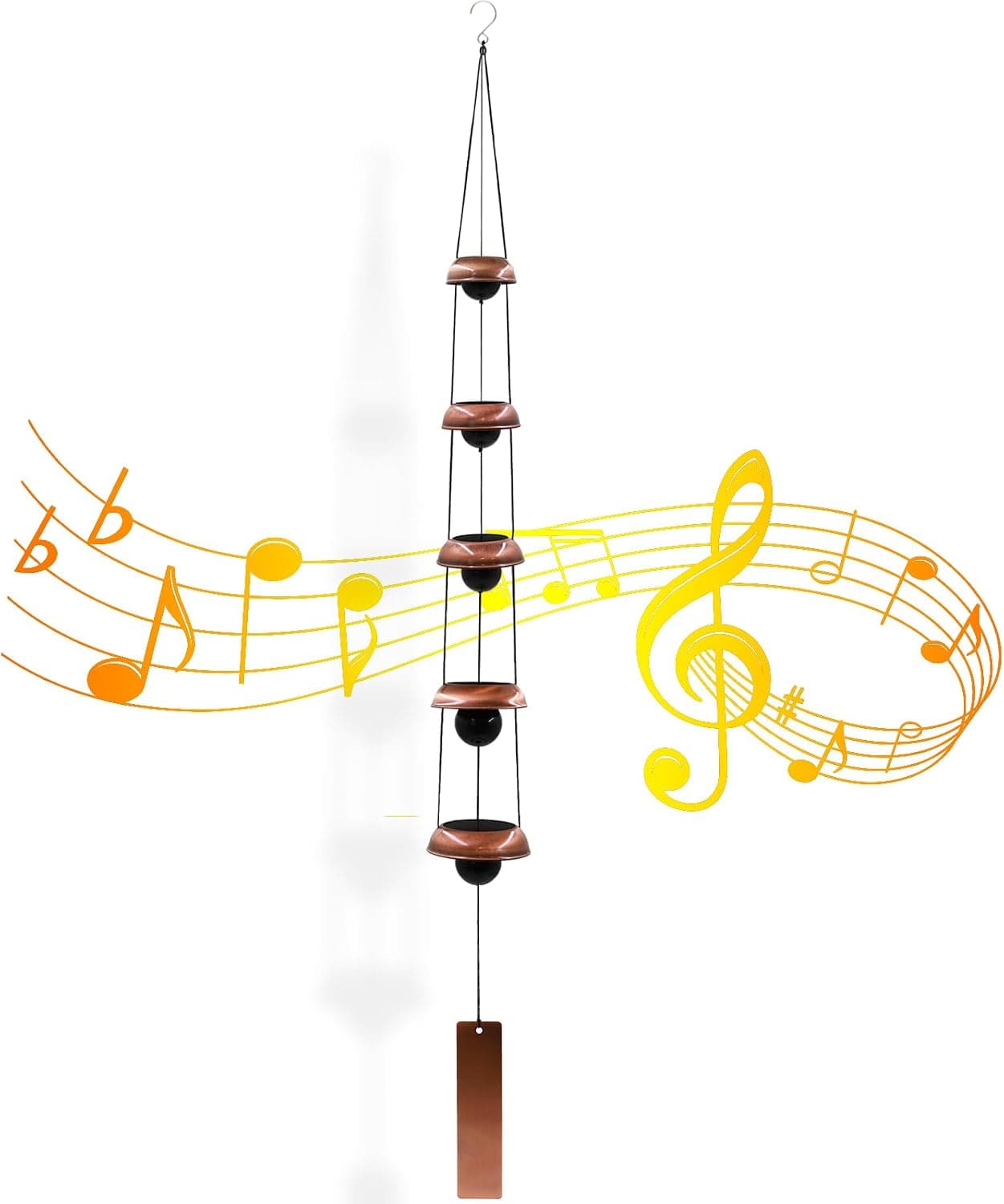
-19%Wind Chimes for Outside with 5 Bell Unique Copper Musical Chimes Feng Shui Wi...
 -5%
-5%YU FENG Evil Eye Money Tree, Blue Feng Shui Decor with Golden Buddha
 -29%
-29%Karma and Luck March Birthstone Crystal Tree of Life, Aquamarine Gemstone Fen...
 -29%
-29%Karma and Luck July Birthstone Crystal Tree of Life, Ruby Gemstone Feng Shui ...
As an Amazon Associate, we earn from qualifying purchases. We only recommend items our practitioners have personally tested.
Continue Your Journey
Explore these related guides to deepen your understanding:


Ready for Deeper Guidance?
Try our free I Ching reading for personalized wisdom, or explore our curated Feng Shui essentials.