A small desk shift can do more for your next promotion than another productivity app.
When the work is solid, but the promotion still stalls
You’ve done the late nights. You’ve handled the impossible deadlines. Yet the raise goes to someone else, and your manager says you’re “doing great” without naming the next step. I’ve seen that pattern in apartments, home offices, and even corner cubicles with excellent people sitting under bad energy.
The frustrating part is that career stagnation often shows up in the room before it shows up in the calendar. A cluttered desk, a chair facing a wall, a harsh overhead light, or a missing sense of support behind you can all create a subtle feeling of pressure instead of forward movement. That pressure affects how you speak, how long you stay focused, and how confidently you take credit for your own work.
If you want the career area of your space to work harder for you, start by noticing whether your workspace encourages visibility or concealment. Promotion energy likes order, clear lines, and a path that does not feel blocked. It does not respond well to chaos disguised as “creative mess.”
The method: clear the channel, then strengthen the seat
For feng shui for career promotion success, the method is simpler than people expect. First, remove anything that makes your working position feel temporary, cramped, or exposed. Then reinforce the part of the room behind you so your nervous system stops acting like it has to defend itself all day. That is the real foundation.
Think of your desk as a command post, not a storage shelf. You want a clean surface, your most-used tools within easy reach, and a chair that feels anchored. If you sit with a wall at your back, that is often better than sitting in the middle of a room with people moving behind you. If you sit at home, this matters even more, because your brain never fully leaves the room.
I once worked with a nurse named Elena who had a beautiful home office in a pale gray spare bedroom, but her desk was angled toward a mirrored wardrobe door. She kept reporting that her ideas felt scattered and that every performance review turned tense. We moved the desk so she could see the entrance, covered the mirror with a soft cream curtain, and placed a dark wooden file box behind her chair. Within three weeks, she said her meetings felt calmer. Six weeks later, she was asked to lead a new team.
That kind of shift surprises people because they want a dramatic cure, not a practical one. But career promotion rarely comes from a single lucky symbol. It comes from a room that supports consistent follow-through, good judgment, and the confidence to be seen.
If your workspace already feels noisy, begin with the living room energy principles that reduce visual stress, then bring the same discipline into your office. The point is not decoration. The point is to stop leaking attention every time you sit down to work.
What to change first, and what to leave alone
Start with the chair. A solid chair with a high back sends a stronger message than a fashionable stool or a deep lounge seat that swallows your posture. Your back should feel supported, especially near the shoulders. If your chair wobbles, squeaks, or forces you to hunch, you are literally rehearsing uncertainty.
Next, look at what is directly in front of you. A blank wall can be better than a wall cluttered with old notes, tangled cords, and unopened mail. Better still is a clean view with a clear focal point: a framed certificate, an orderly shelf, or a picture that makes you think in a forward direction. Keep the imagery calm and professional. Save the dramatic art for another room.
Then check the space behind you. This is where people get careless. A window at your back can make it hard to feel settled, and an open path behind your chair can leave you mentally on guard. If you cannot move the desk, add a substantial object behind you: a tall bookcase, a closed cabinet, or even a heavy-backed chair in the right place. Support matters.
Lighting matters too. A dim workspace can make you hesitate, while glare can make you irritable and unfocused. Use a lamp that lights the desk evenly without blasting your eyes. Career energy likes clarity. It does not like squinting through your own to-do list.
One more thing: leave room for movement. Promotions often arrive after sustained visibility, and visibility requires you to stay in the flow of projects rather than get buried under old tasks. A small in-tray, a tidy notebook, and a clear landing spot for completed work can make the room feel like it knows how to finish things. That matters more than people think.
If you are unsure where this sector sits in your home, revisit the bagua map and how to read it correctly. A lot of confusion disappears once you stop guessing and start placing intention on the actual career zone.
Practical adjustments that create momentum
Keep one surface genuinely empty. Not nearly empty. Empty. A clear patch of wood or desk space acts like a breath for the room, and it gives your mind a place to reset between meetings, emails, and decisions. The empty area does more work than a crowded shelf full of inspirational objects.
Choose one or two elements that signal steady progress. A dark blue folder, a black pen cup, or a framed image of water can all support the feeling of depth and movement. You do not need to build a shrine. You need a few deliberate signals that your work is going somewhere.
Be careful with mirrors. They can amplify movement, but in the wrong position they also multiply distraction. I’ve seen a narrow office in a downtown apartment where a mirror opposite the laptop kept reflecting the hallway and every person walking by. The owner wondered why she felt drained by noon. The answer was sitting right in front of her, bouncing her attention around the room.
Another useful adjustment is to protect your left side, especially if that side feels open and exposed. A small lamp, a stack of aligned books, or a low cabinet can help create a sense of support. The right side can stay a little lighter, but the overall feeling should be balanced, not lopsided. Career growth likes structure more than drama.
If you work from a bedroom, be stricter. Bedroom offices tend to blur rest and ambition, and that blur can dull both. In that case, consider the layout lessons from a sleep-friendly room that still supports focus, then make the work zone clearly distinct with a rug, a screen, or a change in lighting. Your brain needs a signal that it is in work mode.
Do not ignore the front door either. Promotions are not only about skill; they are also about opportunities entering your life with less friction. If the entryway is dark, congested, or chaotic, career movement can feel harder than it should. A cleaner path through the home often shows up as a cleaner path at work, which is not as mystical as skeptics think. It is pattern recognition.
The mistakes that quietly block recognition
One common mistake is overloading the office with motivational clutter. Five quotes on the wall do not make you more promotable. They make the room noisier. If you want to avoid the most common traps, read how entry flow affects the rest of the home, because the same principle applies: blocked energy at the threshold eventually reaches your work.
Another mistake is placing your desk where you can be easily startled. Back to a hallway, elbow to a door, monitor facing a distraction-filled corridor—those setups keep the body slightly braced all day. And a braced body is not a persuasive body. You want a room that lets your words land cleanly.
People also overtrust “good luck” objects. A crystal on a cluttered desk will not rescue a messy system. A plant in a dark corner will not fix poor placement. The cure has to match the problem, or you are just decorating the stress.
What promotion-ready energy actually feels like
When the room is right, work starts to feel less like pushing uphill. You answer faster. You sit straighter. You stop second-guessing every email. That is not magic. That is reduced friction.
I saw this with a software architect named Marcus in a narrow home office painted off-white with a red metal shelf that sat directly behind his chair. He felt agitated every afternoon and kept missing the chance to present ideas in meetings. We replaced the red shelf with a matte charcoal cabinet, shifted the desk a few feet so he faced the doorway at an angle, and removed a pile of old notebooks from the corner. Two months later, he was leading client calls with noticeably more authority.
That is the quiet power of feng shui for career promotion success. It doesn’t force recognition. It makes recognition easier to receive by reducing resistance around you. The room stops arguing with your goals.
If your home office is already crowded, start small. Move the desk a little. Clear one shelf. Improve one light. A career shift rarely begins with a grand ritual. It begins with a room that finally supports the person who is trying to grow inside it.
FAQ
Do I need a separate office for this to work?
No. A dedicated room helps, but it is not required. What matters more is creating a clear work zone that feels stable, visible, and mentally distinct from rest areas.
Can I use plants in my workspace?
A small plant can be helpful if the room already has good light and enough breathing space. If the desk is crowded or the plant is struggling, it becomes another source of maintenance rather than support.
What if I cannot move my desk?
Then work with what you can control: chair support, desk clarity, lighting, and a stronger backdrop behind you. Surprisingly, those smaller changes often produce a bigger shift than a full rearrangement.
How quickly should I expect results?
Some people feel calmer the same day. Promotion outcomes take longer because they involve timing, visibility, and performance, but the right room setup can improve focus and confidence almost immediately.
Mei Chen
Traditionally informed guidance • Cross-referenced with classical Chinese source texts
Content draws from both Compass (Luopan) and Form (Xingshi) school traditions. Illustrative examples are composites based on consultation experiences.
Practitioner-Selected Tools for This Topic
Items our team has tested and found effective for the principles discussed above. Individual results may vary.
 -19%
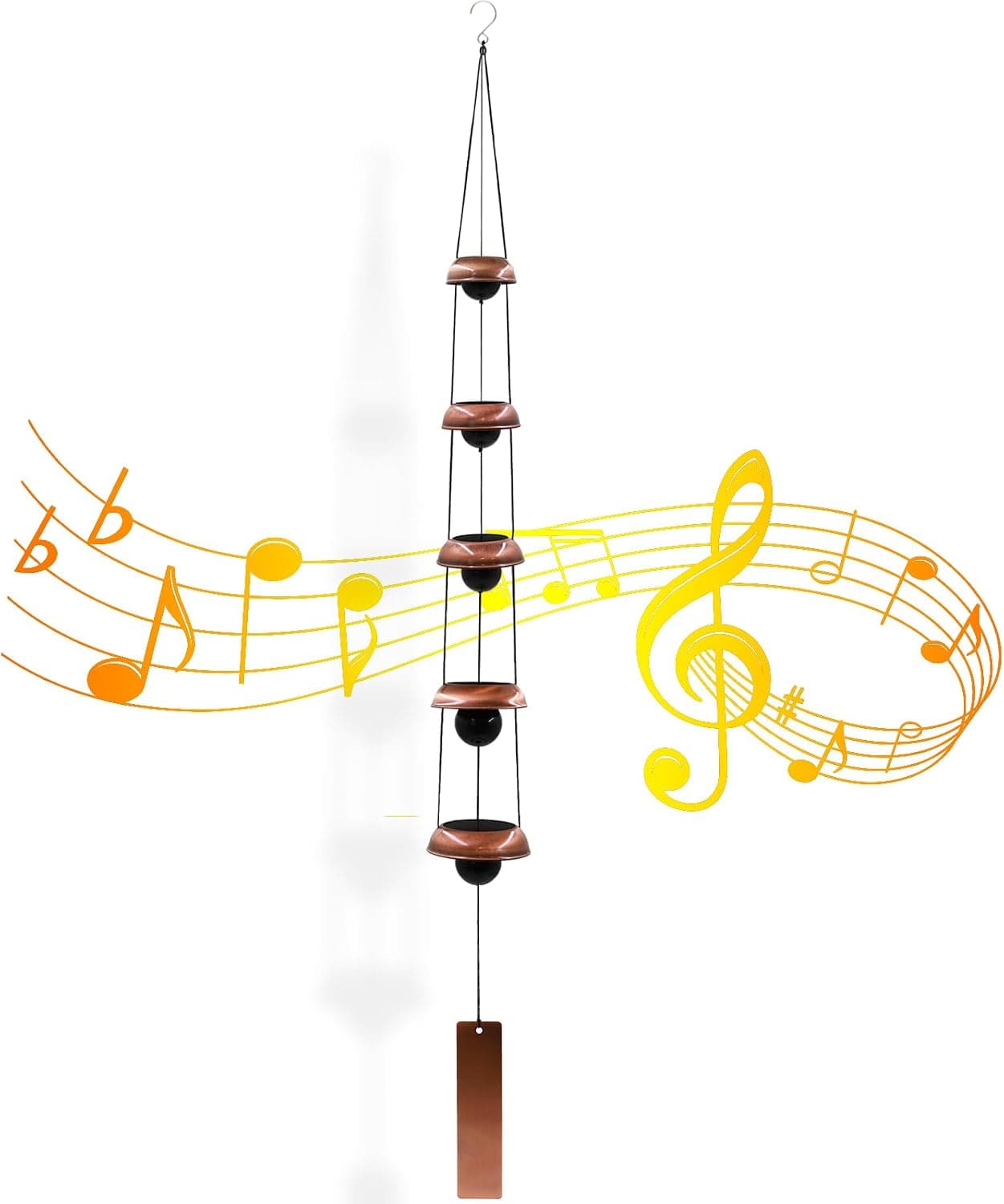
-19%Wind Chimes for Outside with 5 Bell Unique Copper Musical Chimes Feng Shui Wi...
 -5%
-5%YU FENG Evil Eye Money Tree, Blue Feng Shui Decor with Golden Buddha
 -29%
-29%Karma and Luck March Birthstone Crystal Tree of Life, Aquamarine Gemstone Fen...
 -29%
-29%Karma and Luck July Birthstone Crystal Tree of Life, Ruby Gemstone Feng Shui ...
As an Amazon Associate, we earn from qualifying purchases. We only recommend items our practitioners have personally tested.
Continue Your Journey
Explore these related guides to deepen your understanding:


Ready for Deeper Guidance?
Try our free I Ching reading for personalized wisdom, or explore our curated Feng Shui essentials.