Small bedroom changes can stop restless sleep, frantic mornings, and that strange wired feeling at bedtime.
You can buy a better pillow and still sleep badly.
I have seen that happen more times than I can count. The room looks tidy, the sheets smell clean, the lamp is expensive, and yet the body stays alert as if something in the room refuses to settle. That is where bedroom feng shui principles become practical instead of decorative. The question is rarely whether your room is beautiful. The question is whether it helps your nervous system stand down.
The most common complaint I hear is simple: people wake at 3 a.m., feel tense in the morning, or notice their mind racing the second they lie down. A room can do that. Not with magic. With position, clutter, visual pressure, and the kind of unfinished energy that keeps the body on alert.
I walked into a spare bedroom last spring in a narrow Victorian house in Bristol and found a black metal chair facing the bed, a stack of laundry under the window, and a mirror reflecting the hallway light straight across the pillow. The owner, a nurse named Elaine, had been sleeping there for eight months and still felt like she was sleeping in a hotel room she did not trust. We moved three things. Her sleep changed within a week.
That is the real work of feng shui for bedroom: not superstition, but reducing friction. The room should not ask you to stay vigilant. It should tell the body, unmistakably, that it is safe to let go.
Start with the bed, because the bed sets the tone.
The bed needs a strong position. That means a solid wall behind the headboard, a clear view of the door without being directly in line with it, and space on both sides if possible. People often ignore this and then wonder why they feel exposed. Humans sleep better when the body knows where the exits are.
If your bed is pressed against a window, floating in the center of the room, or wedged into a tight corner, the room can feel unstable. I am not talking about perfection. I am talking about removing the obvious sources of tension. If the bed must stay where it is, strengthen the wall behind it with a proper headboard and keep the area under the bed clear.
Clutter under the bed is not harmless storage. It presses the room downward. It keeps movement trapped where your body is supposed to rest. A few soft items may be acceptable in a pinch, but shoes, cables, receipts, and old boxes belong somewhere else. Sleep needs breathing room.
Color matters more than trend. Soft neutrals, muted blues, pale earth tones, and warm whites usually support rest better than high-contrast black-and-white schemes or strong reds. I know that sounds boring to design magazines. It works anyway. A bedroom does not need to impress a guest. It needs to calm a nervous system.
Then remove the things that keep the room mentally busy.
Mirrors deserve special care. A mirror facing the bed can make the room feel active even when it is quiet. For some people that means restless sleep. For others it means feeling watched, which is not much better. If you cannot remove the mirror, shift it so it does not directly reflect the bed, or cover it at night.
Electronics are another common problem. A glowing clock, a phone charging beside the pillow, a TV at the foot of the bed, or a laptop on the dresser all keep the room in work mode. That is not dramatic. It is simply stimulation. The bedroom should not behave like a command center.
Keep the bedside tables light. One lamp, a book, water, maybe a small meaningful object. That is enough. I once helped a retired architect in Edinburgh who had two large lamps, three framed photos, a stack of legal pads, and a silver alarm clock on one nightstand alone. He said the room felt “busy even when nobody was in it.” We cleared the surface and moved the paperwork to his study. He slept deeper that same night.
For readers who want to understand the logic behind placement, the bagua map approach to room energy can help you see why certain corners feel active and others need quiet. You do not need to turn your home into a diagram. You do need to stop guessing.
Use the room to support rest, not to store your unfinished life.
A bedroom should not hold work materials, gym gear, broken furniture, or boxes waiting for a future decision. Every unfinished object quietly asks for attention. Bedrooms are especially sensitive to that kind of pressure because you meet the room when you are tired and more open to its mood.
Windows should feel balanced. Heavy curtains can help if light keeps waking you, but too much darkness and heaviness can make the room feel shut down. Bare windows can feel exposed. Aim for soft control rather than extremes. Same with bedding: choose textures that feel generous, not scratchy or visually harsh.
One thing people misunderstand is that a bedroom cure must be dramatic to be effective. Not true. Sometimes the fix is as ordinary as changing a lamp bulb from icy white to warm white, removing a noisy fan from beside the bed, or replacing a reflective throw pillow with something matte and soft. Small adjustments matter because sleep is sensitive.
If you like symbolic support, choose it carefully. A single calming object can help, but too many cures start to turn the room into a collection of intentions instead of a place to rest. If you are drawn to stones, for example, use them with restraint and purpose. The meaning of amethyst in feng shui makes sense in a bedroom only when the rest of the room is already quiet. Put the room first. The object second.
Pay attention to the part of the house people ignore.
Bedrooms rarely exist in isolation. If the front of the home is chaotic, loud, or difficult to enter, the bedroom often inherits that tension. A poor entrance can keep the whole house unsettled, and that unsettled feeling travels farther than people expect. For that reason, I often tell clients to look at the flow from entry to bedroom before they start buying decor.
The same applies if the rest of the home is full of visual noise. A crowded living room, for instance, can make the bedroom feel like the only place where anything gets stored. That is a problem. If your home’s common areas are overloaded, the bedroom becomes the dumping ground for whatever does not have a clear home. The fix is not a prettier duvet. It is better circulation throughout the house, starting with the front door and entry flow and then extending into shared rooms.
This is where people get surprised. They assume the bedroom issue is isolated, but often it is a whole-home pattern showing up in one room because that is where exhaustion finally makes it visible.
A practical way to reset the room without overthinking it.
Begin by standing in the doorway and looking straight in. Ask yourself what your eye lands on first. If the first thing you see is clutter, a mirror, a bright screen, or the foot of the bed, the room is likely too active. Change that first view. Put something calm there: a headboard, a soft wall color, a simple piece of art, or a clean table surface.
Next, check the bed position against the walls and windows. Give the bed support. Keep both sides as even as the room allows. If one side is tighter, make it intentional rather than accidental. Hang a curtain, move the lamp, or remove the obstacle. Asymmetry becomes tiring when it feels cramped.
Then deal with the floor. Open floor space matters more than people think. A bedroom with clear floor around the bed feels easier to move through, and that movement affects the body even when you are half asleep. I have watched people sleep better after removing two laundry baskets and a chair they never used.
Finally, remove one thing that does not belong. Just one. Do not try to purge the entire room in a single evening. Take out the broken fan, the overflowing basket, the exercise bike, the box of cables, or the folder of old bills. The room responds to decisive change better than to endless planning.
Two mistakes keep showing up.
The first is placing the bed so the feet point directly at the door, especially if there is no visual buffer. That position can feel too exposed, and many sleepers report lighter rest there. The second is turning the room into storage for items that belong elsewhere. If you need a deeper reference on these patterns, the common bedroom placement mistakes page will help you spot them quickly.
People also overdo “cures.” They add crystals, plants, salt lamps, scented candles, and bright art, then wonder why the room still feels busy. More objects do not equal better energy. Often they create another layer of attention the body must process before it can relax.
FAQ
Should a bed face the door?
Not directly if you can avoid it. A clear view of the door is helpful, but being in the direct line of the door often feels too exposed at night. A slight angle is usually much calmer.
Are mirrors always bad in the bedroom?
Surprisingly, no. A mirror that does not reflect the bed can be fine. The trouble starts when it throws movement, light, or your own image back at you while you are trying to sleep.
What if my room is tiny?
Then precision matters more than size. Keep the bed supported, remove visual clutter, and choose a few calm pieces rather than many small ones. Small rooms punish clutter faster, so restraint helps more than decoration.
Do I need to follow every rule for this to work?
No. Bedrooms respond best to the biggest corrections first. If you fix bed placement, reduce clutter, and stop the room from feeling overstimulating, you will usually notice a difference before you fine-tune anything else.
Mei Chen
Traditionally informed guidance • Cross-referenced with classical Chinese source texts
Content draws from both Compass (Luopan) and Form (Xingshi) school traditions. Illustrative examples are composites based on consultation experiences.
Practitioner-Selected Tools for This Topic
Items our team has tested and found effective for the principles discussed above. Individual results may vary.
 -19%
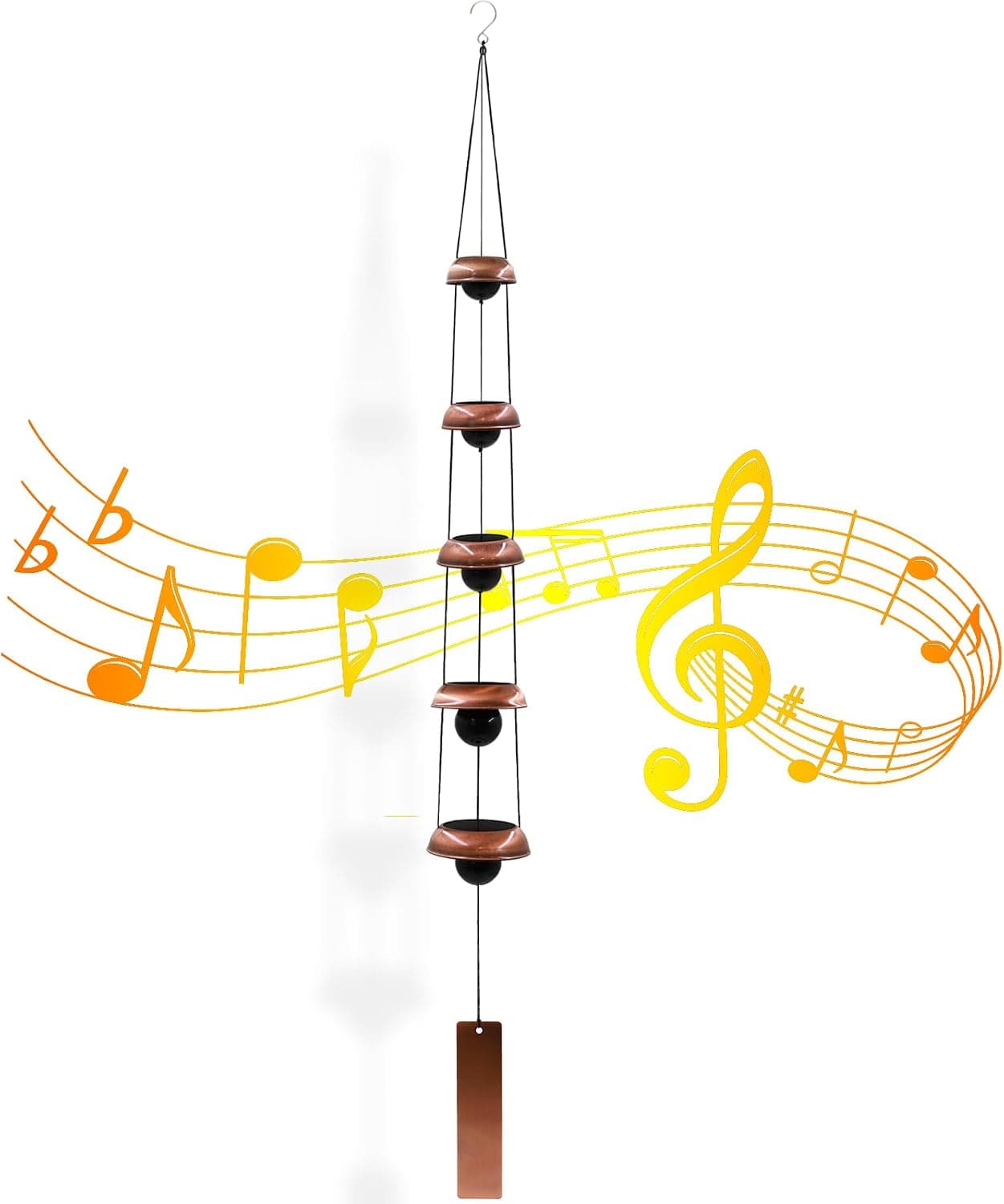
-19%Wind Chimes for Outside with 5 Bell Unique Copper Musical Chimes Feng Shui Wi...
 -5%
-5%YU FENG Evil Eye Money Tree, Blue Feng Shui Decor with Golden Buddha
 -29%
-29%Karma and Luck March Birthstone Crystal Tree of Life, Aquamarine Gemstone Fen...
 -29%
-29%Karma and Luck July Birthstone Crystal Tree of Life, Ruby Gemstone Feng Shui ...
As an Amazon Associate, we earn from qualifying purchases. We only recommend items our practitioners have personally tested.
Continue Your Journey
Explore these related guides to deepen your understanding:


Ready for Deeper Guidance?
Try our free I Ching reading for personalized wisdom, or explore our curated Feng Shui essentials.