Love rarely arrives in a room that feels unfinished, split, or emotionally shut down.
The room may look neat, but does it feel open?
That is the part most people miss. I have walked into bedrooms with perfect bedding, expensive lamps, and neatly folded throws, yet the energy felt like a polite shutdown. The couple had stopped speaking kindly to each other, or the single homeowner kept meeting people who disappeared after three dates. The room was not the only cause, of course, but it was broadcasting the same message: stay cautious, stay separate, stay alone.
For feng shui for attracting love relationship work, the starting point is not romance decor. It is permission. Your space has to feel like it can receive another person, not just protect the life you already built. That means fewer visual barriers, fewer mixed signals, and fewer objects that say “I am already complete, do not disturb.” If you want a deeper foundation for the room itself, start with bedroom energy that supports rest and closeness.
I once visited a teacher in a small apartment near Oakland. Her bedroom had a steel-gray bed frame, one bright red wall, two mismatched nightstands, and a single chair piled with laundry that had been there so long she had named it “the witness.” She laughed when I pointed it out, but three weeks after clearing that chair, replacing one broken lamp, and softening the red with cream bedding, she sent me a photo of the room with fresh peonies on the dresser and a new man reading by the window. Coincidence? Maybe. But the room had stopped arguing with itself.
That is the real method. You are not trying to force love. You are removing the static that makes connection feel unsafe, rushed, or impossible.
Start with the relationship sector, then let the rest of the room follow
In classical feng shui, the southwest area of a home is commonly linked with partnership, commitment, and receptive earth energy. You do not need to become obsessive about a compass and a tape measure, but you do need to know which part of the room holds the tone for relationship. If your bagua overlay is new to you, use the bagua map as a practical orientation tool rather than treating it like a superstition test.
Once you find that area, look for what is sitting there. A lonely stack of bills, a workout bench, a box of old phone chargers, or a sad-looking mirror all send very different messages than two paired objects, a soft lamp, or art that suggests harmony. The southwest likes stability and warmth. It does not like sarcasm.
Do not overdecorate in the name of love. People often buy pink candles, rose quartz hearts, and a dozen “romance” symbols, then wonder why the room feels childish or tense. More is not better. In fact, too much emphasis on one cure can make the room feel needy, and neediness repels the exact energy you are trying to invite.
Instead, use pairs with intention. Two bedside lamps. Two pillows in balanced tones. Two artwork elements that relate to each other without matching too literally. Paired objects work because they quietly train the eye—and the nervous system—to expect partnership rather than lack.
Make the bed the center of gravity, not the storage shelf
If the bed is crowded, the relationship field gets crowded too. I mean that literally. Clothes under the frame, books stacked on one side, a tray of skincare, and a suitcase half-open beside the dresser create a room that never fully settles. No one sleeps deeply in a room that behaves like a transit lounge.
Keep the space under the bed clear whenever possible. Sleep wants downward support, not clutter pressing up from below. If you have to store something there, choose soft, calm items and keep them minimal. Hard boxes and sharp edges are poor companions for rest, intimacy, and emotional openness.
Then check the bed’s access. Both sides should be reachable if the room size allows it. A bed shoved against one wall often works for small spaces, but it can create a subtle “only one of us is welcome” message. Even in a solo bedroom, I prefer the room to suggest future partnership rather than permanent self-isolation.
Light matters as much as furniture. Harsh overhead light can make a room feel clinical. A gentle lamp on each side of the bed softens the emotional temperature fast. I have seen more than one strained household calm down simply because the couple stopped arguing under a bright ceiling glare and began talking in lower, warmer light.
Choose objects that look like mutual support
Here is where people get surprised: the best love adjustments are often boring at first glance. A stable nightstand. A warm earth-tone rug. A ceramic vase with a rounded shape. These things do not scream romance, and that is the point. They create emotional reliability, which is what healthy attraction needs before passion can stick.
Avoid symbols of solitary life in the main relationship area. If you are serious about feng shui for attracting love relationship, remove images that reinforce separation, especially lonely figures, broken pairs, aggressive animals, or art that feels emotionally cold. One framed photograph of a solo mountain summit may be fine in a study, but in a bedroom it can overpower softness. The room should not feel like a personal victory lap.
Color works best when it is subtle. Soft beige, blush, muted coral, cream, warm white, and gentle earth tones usually do more than saturated red. Red has its place, but too much of it can make a room restless. For many homes, the smartest move is to use red as a small accent rather than the entire message.
Texture matters too. Linen, cotton, wool, and smooth ceramics tend to read as more supportive than shiny metal or heavily patterned synthetics. Your senses register these details before your conscious mind does. The room begins teaching your body what kind of relationship is possible.
If you like symbolic support, one or two carefully chosen objects can help. Some people place a rose quartz pair or a rounded stone in the relationship sector, and that can be fine when the rest of the room already feels balanced. For a broader look at selecting stones without overdoing it, see the best feng shui crystals for gentle support.
Practical steps that actually change the atmosphere
Begin by removing anything broken, lonely, or half-finished from the bedroom. That means the lamp that flickers, the mirror with a chip, the one chair nobody sits on, and the tote bag that still contains work papers. Repair what can be repaired. Recycle what cannot. A room full of unresolved objects tends to keep emotions unresolved too.
Next, clear a visible landing zone on both sides of the bed. You do not need a magazine spread. You need enough space for water, a book, and a sense that another person could sit down without navigating a maze. If there is only room for one person’s life, you have already answered the love question for the room.
Then soften the sightlines. If the bed faces a mirror directly, move the mirror if possible or change its angle so it does not bounce sleep energy back at you all night. If the bed is dominated by a TV, cover it, move it, or reduce its visual presence. Bedrooms are not meant to behave like command centers. They are meant to invite surrender.
After that, adjust what the room “says” when you enter. One pair of candles, one balanced artwork, one fresh vase of flowers, one clear surface. That is enough. The point is not romance theater. The point is coherence.
Now look at the home’s flow toward the bedroom. A chaotic hallway, a slammed front door, or a living room full of unfinished business can leak into intimacy faster than people realize. Stronger arrival energy helps relationship energy settle. If your entry feels abrupt or blocked, review simple front door adjustments that improve the whole home before you blame the bedroom alone.
One more detail many people ignore: scent. A light natural fragrance from lavender, rose, or sandalwood can support calm, but it should never be overpowering. If the room smells like perfume store air freshener, it reads as artificial. Love does not need a fog machine.
Finally, spend time in the room in a different posture. Sit on the bed without your phone. Read for ten minutes. Put away the laundry instead of leaving it for later. The room changes when your behavior changes, and your behavior changes when the room no longer feels like a battleground.
Two mistakes that quietly block relationship energy
The first is treating the bedroom like a storage closet with a mattress. I see this constantly. People clear the southwest corner, buy a cute candle, and then ignore the suitcase, the exercise equipment, the shipping boxes, and the pile of extra blankets that no one uses. That is not a love environment. That is delayed decisions.
The second is using romantic cures without emotional honesty. A pair of mandarin duck statues will not fix a room that is resentful, lonely, or over-controlled. If you want the subtle structure behind these mistakes, read how the living room can either support or dilute household harmony, because relationship tension often begins outside the bedroom and spills inward.
FAQ
Do I need a perfect southwest corner for this to work? No. A missing corner does not cancel the entire intention. What matters more is whether the room feels balanced, uncluttered, and emotionally receptive.
Can I use pictures of couples even if I am single? You can, but choose images that feel calm and sincere rather than overly staged. A photo that looks fake or desperate can create more pressure than support.
What if my bedroom is very small? Small rooms can work beautifully because they reveal clutter fast. A tiny space with clear surfaces, soft light, and one or two well-chosen pairs often feels more welcoming than a large room full of noise.
Is this only for people looking for romance? Not at all. A good relationship field also supports self-respect, trust, and better boundaries. That is a surprise to many people, but a room ready for healthy partnership usually helps you stop settling for confusion in every area of life.
Mei Chen
Traditionally informed guidance • Cross-referenced with classical Chinese source texts
Content draws from both Compass (Luopan) and Form (Xingshi) school traditions. Illustrative examples are composites based on consultation experiences.
Practitioner-Selected Tools for This Topic
Items our team has tested and found effective for the principles discussed above. Individual results may vary.
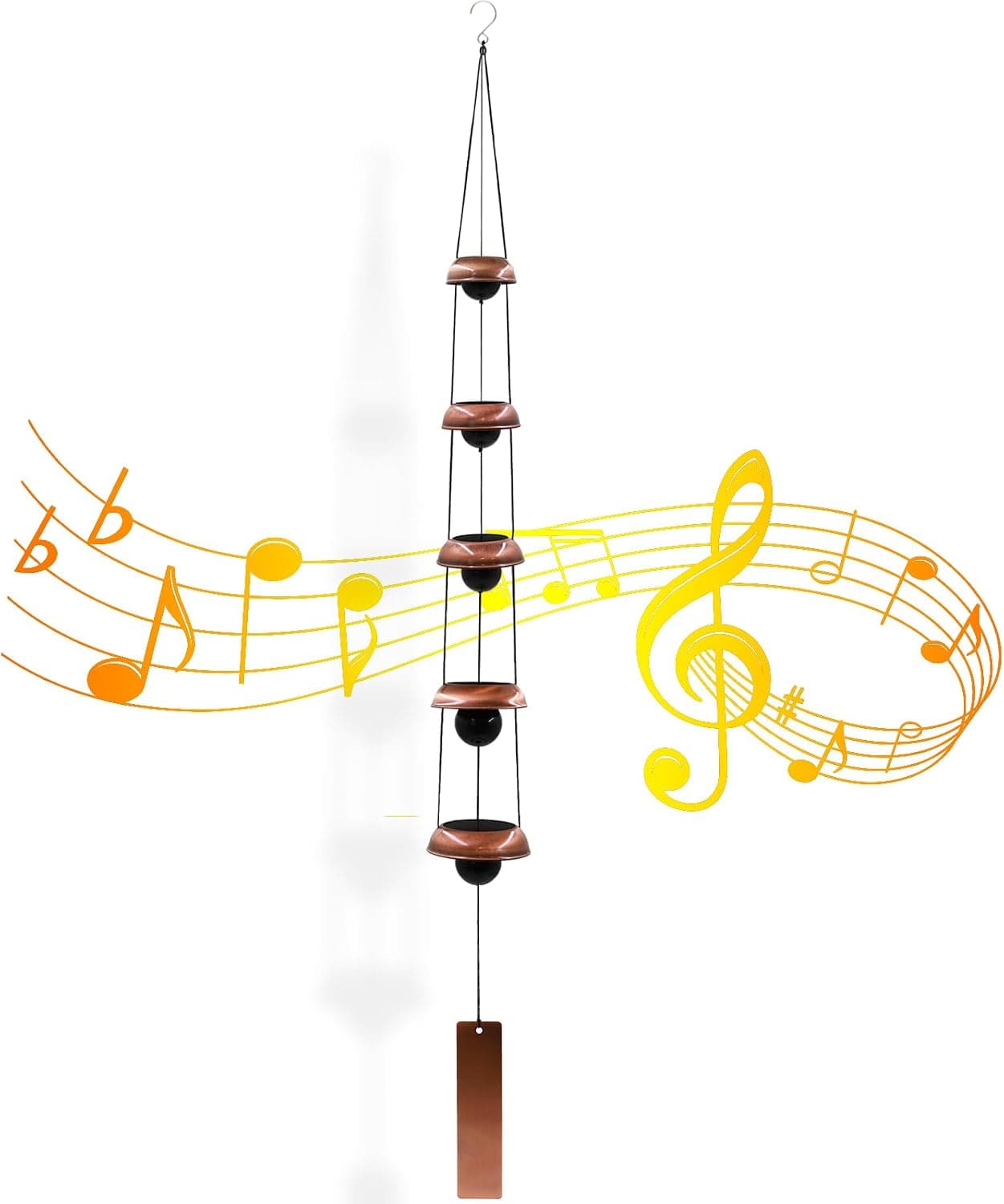 -19%
-19%Wind Chimes for Outside with 5 Bell Unique Copper Musical Chimes Feng Shui Wi...
 -5%
-5%YU FENG Evil Eye Money Tree, Blue Feng Shui Decor with Golden Buddha
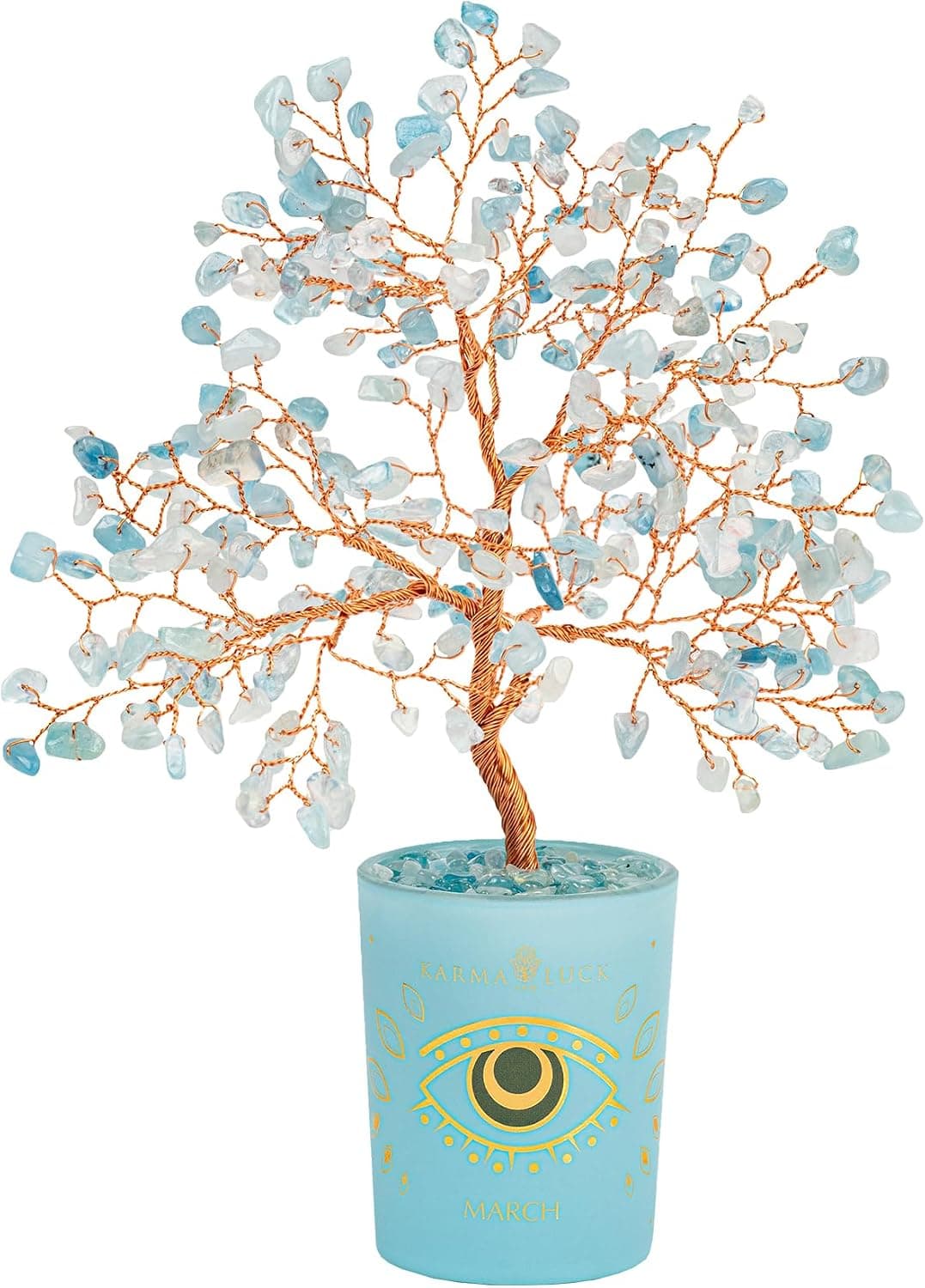 -29%
-29%Karma and Luck March Birthstone Crystal Tree of Life, Aquamarine Gemstone Fen...
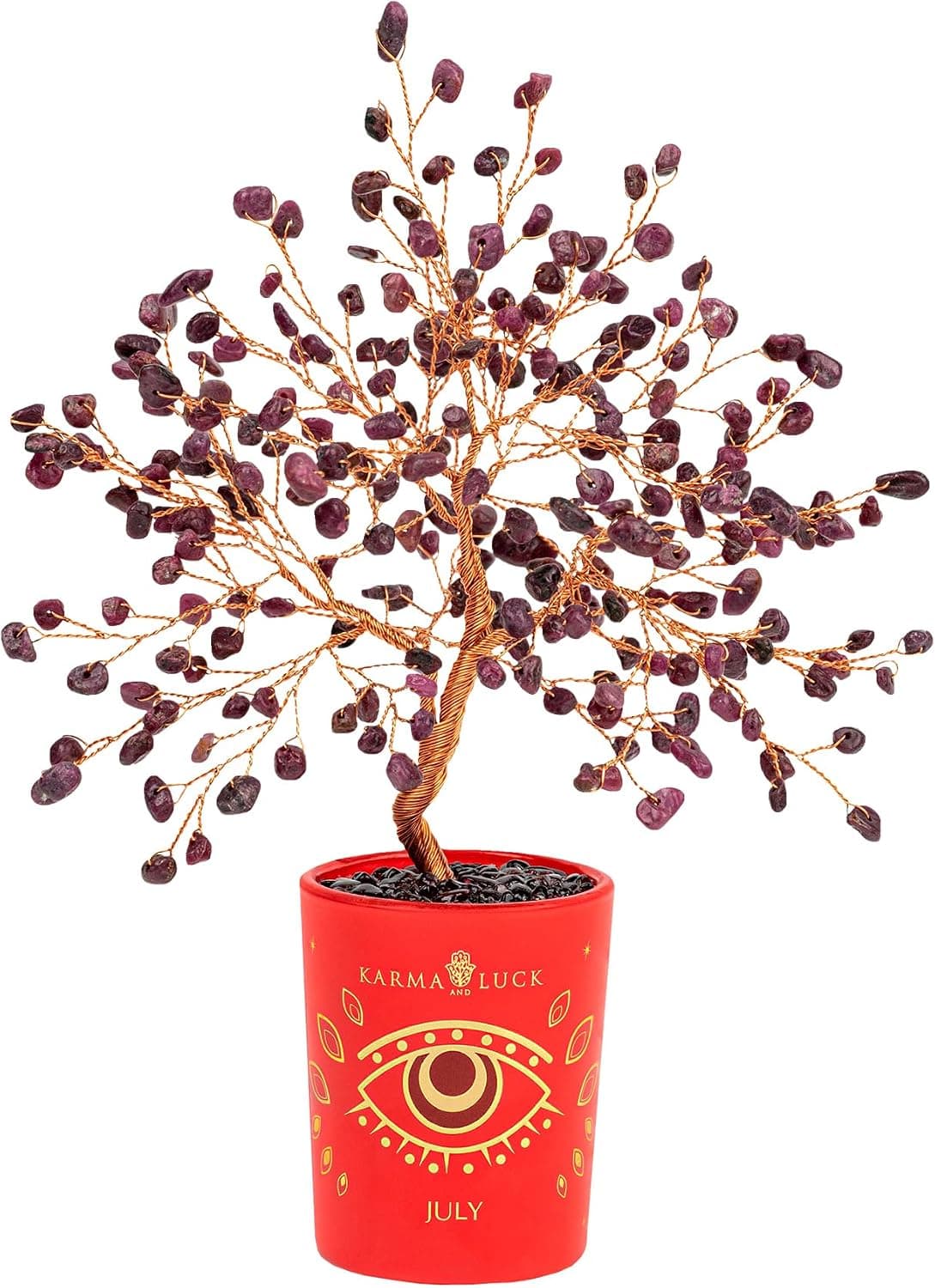 -29%
-29%Karma and Luck July Birthstone Crystal Tree of Life, Ruby Gemstone Feng Shui ...
As an Amazon Associate, we earn from qualifying purchases. We only recommend items our practitioners have personally tested.
Continue Your Journey
Explore these related guides to deepen your understanding:


Ready for Deeper Guidance?
Try our free I Ching reading for personalized wisdom, or explore our curated Feng Shui essentials.