The quickest way to calm an apartment is to stop the first ten feet from training the wrong habit.
From ritual order to lived space
Apartment feng shui started as a way of reading movement, not decorating surfaces. The old question was never “What looks lucky?” It was “What does the body do here, again and again?” That matters in a small home because repeated actions become automatic fast. If the entry points straight at the bed, the brain starts treating arrival like collapse. If the desk sits in your line of sight from the sofa, work keeps pulling attention even after you meant to rest.
That is the real mechanism: space trains behavior because the easiest action usually wins. In philosophy, balance is not static symmetry; it is the ability of a place to support proper transitions. In behavioral terms, the apartment becomes a set of cues. A clear cue by the door invites a clean arrival. A soft corner with warm light invites settling. A cluttered threshold tells the nervous system to stay alert.
I once walked into a narrow studio where the bed was visible from the entrance, the desk sat beside a compact kitchen, and a black rolling chair was parked half under the table. Nothing was “wrong” in the decorative sense. But the room was teaching three behaviors at once: sleep, work, and eat. That is exhausting because the mind has fewer signals telling it which mode to enter.
The old language of qi helps here, but you do not need mysticism to use it well. Think of qi as the path attention takes when it moves through a room. Where attention moves easily, habit follows. Where attention gets interrupted, the home gives you a moment to choose instead of merely reacting.
For readers who want the larger framework, the bagua map still has value, but only after you understand circulation and sightlines. If you want a deeper map of that method, start with how the apartment grid is read in practice rather than treating every corner as a magical fix.
Why apartments behave differently
A detached house can hide a lot of poor organization because rooms are separated by doors, distance, and sometimes just enough inconvenience. Apartments are harsher. They compress functions, shorten sightlines, and make every cue louder. The result is not just less space; it is less mental separation. When the bed, kitchen, and work surface are all visible from one standing point, the brain has to sort competing signals before it can settle, which is why even a tidy apartment can feel busy.
Shared walls add another layer. Thin construction means sound leaks, which means your nervous system receives more interruptions. A chair scrape, elevator ding, or hallway conversation can pull you out of focus before you realize it. That is why soft textiles, a runner rug, and even a curtain over a hard wall can matter more in an apartment than in a larger home. They reduce sensory friction and absorb the micro-noise that keeps attention fragmented.
A long narrow floor plan creates a different problem. The eye runs in a straight line from door to window, and the body follows the eye. People rush through corridors because the layout gives them no reason to pause. If everything feels like a passage, nothing feels settled. In feng shui terms, the home leaks momentum; in behavioral terms, the apartment fails to interrupt autopilot. A pause point matters because the nervous system needs a cue that movement can stop here.
There is a common mistake here: people buy a cure before they identify the friction point. A mirror, plant, or crystal placed randomly cannot compensate for a layout that forces the same overactive path every day. If your front door opens into the whole unit, your first job is not ornament. It is creating a transition.
That transition starts at the edge. A clear mat, visible landing spot for keys, and one contained surface for mail can dramatically change what happens in the first minute after entry. The calmer the entry ritual, the less likely you are to carry corridor tension all the way to the kitchen table. For many apartments, the door is the real pivot, which is why a focused front-door adjustment can change the whole unit.
One more thing surprises people: a cramped apartment often needs fewer objects, not more. Not because emptiness is fashionable, but because every object adds another cue. In small spaces, cues stack quickly, so visual simplicity is often the fastest way to reduce cognitive load.
Current meaning: balance, not perfection
Modern apartment feng shui is not about arranging a perfect showpiece. It is about making the easiest path support the life you actually want. That means sleep cues near the bed, work cues near the desk, and a clear visual break between the two whenever possible. Choice architecture lives here. If the laptop is always within reach of the pillow, your evening will drift toward unfinished tasks. If the desk disappears behind a panel, curtain, or closed cabinet at night, rest becomes the path of least resistance.
That is not superstition. It is habit design.
Balance also means not overreacting to one “bad” feature. A bed in line with the door is not a disaster by itself. A bed in line with the door, beside a glowing monitor, facing a pile of laundry, and sharing the room with a kitchen nook becomes a stronger problem because the whole field of view is sending mixed instructions. The issue is cumulative, which is why the fix usually comes from reducing contradictions rather than chasing perfection.
People often expect feng shui to fix a mood directly. It usually works indirectly first. A lamp pool at the far end of a room can make a corner feel settled, so you sit there longer. A runner rug can visually narrow a hallway and slow movement, so you stop rushing. A shelf used as a low divider can separate zones without blocking light, so the brain reads one apartment as several functional areas instead of one blurred one. In other words, the space changes behavior by making the preferred action easier to start.
That is why I pay attention to small, repeatable signals. A basket by the entry says “arrive here.” A folded throw on the sofa says “this is a pause.” A desk lamp that switches on only for work says “this zone has a job.” Repeated signals are how rooms become legible, and legibility is what turns a small apartment from chaotic to workable.
If you want to understand how those signals can be reinforced with materials and texture, the right companion reading is how color temperature changes the feel of a shared room. Color alone will not solve layout, but it can strengthen the cue structure.
Reading the apartment like a mechanism
Start with input. What does the apartment show you the moment you enter? If the first sightline lands on the bed, the desk, or a kitchen counter covered in dishes, the unit is feeding the brain too many signals at once. The nervous system has to sort sleep, work, and chores before it can settle. That sorting costs energy.
Next comes the trigger. Notice what happens after the door opens. Do you drop bags on the nearest chair? Do you walk straight to the fridge? Do you sit at the laptop because it is already open? These are not personality flaws. They are layout-induced habits. The apartment is setting the first move.
Then look at friction. Good friction interrupts unwanted automatic behavior. A screen that folds away at night creates helpful friction. A floor lamp that must be switched on to make a corner usable creates helpful friction. A basket placed beside the entry keeps shoes from spreading deeper into the room. Friction is not a nuisance when it prevents drift.
There is a subtlety here many readers miss. A space can feel active not because it is full, but because it offers too many equally visible choices. That creates decision fatigue. A room with one obvious resting spot, one obvious work spot, and one obvious landing zone is easier to use than a room with six vague options. Clarity beats cleverness.
When I see a galley apartment with the front door at one end and the window at the other, I read it as a movement machine. The eye wants to accelerate through the corridor-like shape. Without a pause point, people unconsciously keep moving, even when they are home. Put a small runner rug partway down the hall. Hang one calm artwork midway. Add a low bench or slim console if clearance allows. The goal is not decoration. The goal is to tell the body to slow down.
For a room that doubles as bedroom and office, the best remedy is not a miracle cure. It is zone definition. A curtain, bookcase, screen, or even lighting contrast can create a visual boundary. If you need a detailed approach for that overlapping function problem, see how bedroom cues affect rest and adapt the idea to apartment scale.
One sentence is enough here: if every task happens in one visual zone, the mind never gets the cue to switch off.
Studio, galley, and split-plan fixes that work with renter limits
In a studio, the bed often becomes the loudest object because it is both necessary and socially loaded. Hide it from the door if you can, even partially. A tall dresser, open shelf, or curtain can break the sightline without remodeling. If the bed must remain visible, soften its signal. Use a headboard, a grounded color palette, and bedside lighting that feels distinct from work lighting. The message should be sleep, not spillover.
For a desk that sits next to the kitchen, create a night reset ritual. Close the laptop. Put the chair in a parked position. Remove the charging cable from the desktop if possible. Then switch off the task lamp and leave only one gentler light in the room. This sequence matters because habit loops depend on repeatable endings. If work never appears to end, the brain keeps it alive.
In a galley apartment, aim to interrupt the runway effect. A long runner rug, a floor plant placed off-center, or two opposing light sources can break the tunnel. The eye should not have one uninterrupted shot from entry to window. Even a narrow console with a bowl for keys can serve as a pause marker. When the body pauses, the mind follows.
Split plans introduce a different issue: the rooms may be technically separate, but the transitions are weak. A living area can drift into the bedroom through open doorways and shared light. Here, use boundaries you can control. Keep bedroom textiles softer and warmer. Keep work surfaces visually cleaner. If the apartment allows only one heavy object move, place the biggest visual weight away from the bed so the sleeping zone does not dominate the whole plan.
A renter-safe upgrade can be as simple as a second lamp and one folded textile. That is not glamorous, and that is exactly why it works. The brain notices light level and texture before it notices intention. Warm lamp pools make corners feel settled. Soft textiles absorb sound in thin-walled buildings. A room that sounds gentler is easier to inhabit.
And yes, plants can help when they are used as structure, not decoration. One healthy plant near a window can soften a hard line or frame a threshold. But a crowded cluster of struggling plants near the door can do the opposite. If you want a disciplined way to use living elements without cluttering the room, consult this practical plant guide.
If you are dealing with a bathroom that opens directly into the main room, do not ignore the sensory spillover. Close the door, maintain strong ventilation, and keep the area visually quiet. For that edge case, these bathroom adjustments for apartments are worth applying because shared utility spaces change the feeling of the whole unit.
Shared corridors, weak light, and noise
Apartment feng shui does not begin at the living room. It begins in the building hall, the elevator, and the threshold outside your door. If you step off a noisy elevator into a dim corridor, your body arrives already activated. That activation can follow you home unless the entry gives you a clear landing. A welcoming mat is not trivial. It marks a boundary.
Light is another quiet driver. Dark corridors and window-starved units make everything feel heavier, which is why lighting should be layered rather than centralized. One ceiling fixture is often too blunt. A lamp near the sofa, another near the bed, and a small source near the entry create distinct zones. Distinct zones support distinct habits.
Noise deserves the same respect. Thin walls and shared plumbing can keep the nervous system on guard. Use textiles where you can: curtains, rugs, upholstered seating, fabric bins, even a throw over a hard chair. The point is not softness for its own sake. The point is to reduce acoustic bounce so the apartment feels less like a box and more like a home.
Here is the part people resist: sometimes the best adjustment is to make certain behaviors slightly harder. Put the TV remote away after dinner. Close the desk at night. Move the phone charger away from the bed. Small friction can be a kindness when it interrupts automatic overwork or screen use.
If the apartment has no clear front-door relationship because the entrance opens immediately into the main room, create one with a landing strip. A narrow table, a wall hook, a tray, and one lamp can create a recognizable arrival zone even in a tiny footprint. That small ritual changes the day because it tells the body when it has crossed from outside to inside.
One sentence to remember: apartments improve when the first few steps after entry become deliberate instead of scattered.
For readers who want the broader architectural logic behind these adjustments, the apartment-specific lens belongs inside the larger home framework. That is why the main living-area principles still matter after you adapt them to tighter space.
Practical application: the sequence I use
Begin at the door. Stand outside the apartment and look in, then step inside and stop. What do you see first? What do you do first? If the answer is “the bed” or “the sink full of dishes,” you have found the cue that dominates the unit. Fix the cue before you buy anything.
Then choose one boundary to make visible. In a studio, that might be a curtain, bookcase, or lighting shift. In a galley plan, it might be a runner rug and a midway pause point. In a split plan, it might be keeping the bedroom visually quieter than the rest of the apartment. One boundary is enough to start with because the goal is not instant transformation; it is making the next action clearer.
After that, remove one source of visual noise. Clear the entry table. Hide one cable. Fold one chair out of the way. Each small reduction lowers the number of competing cues, which makes the room easier to read.
Only then add support. Choose one lamp, one textile, or one plant where it will reinforce the new boundary. The best additions do not shout. They confirm the new pattern.
If you want to keep the method simple, use this order: identify the dominant cue, create a pause, reduce visual noise, then reinforce with light or texture. That sequence works because it follows the way attention actually moves through apartments.
The final test is practical: after the change, do you arrive more cleanly, work with less spillover, and rest with fewer reminders of unfinished tasks? If yes, the space is doing its job.
Mei Chen
Traditionally informed guidance • Cross-referenced with classical Chinese source texts
Content draws from both Compass (Luopan) and Form (Xingshi) school traditions. Illustrative examples are composites based on consultation experiences.
Practitioner-Selected Tools for This Topic
Items our team has tested and found effective for the principles discussed above. Individual results may vary.
 -19%
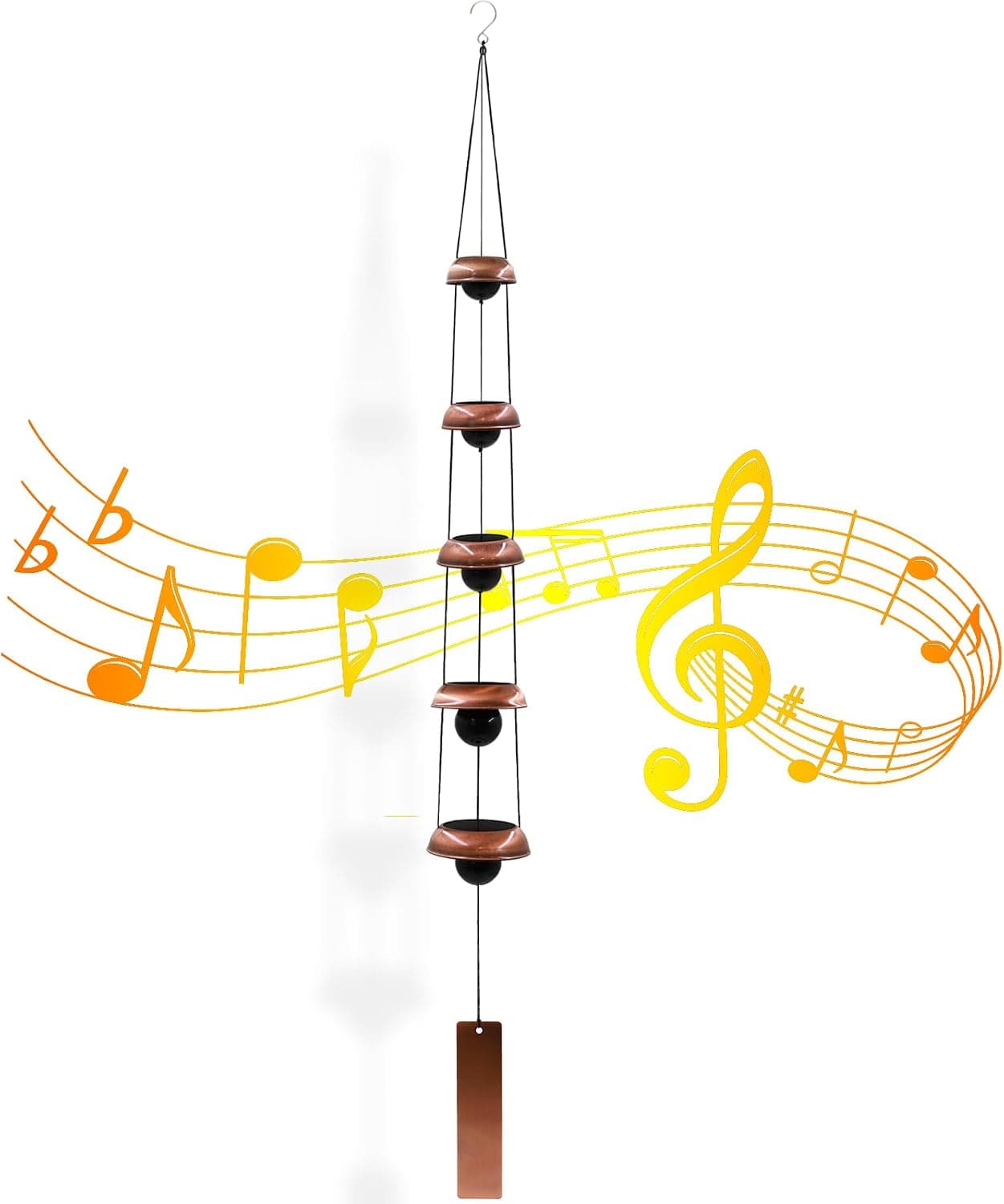
-19%Wind Chimes for Outside with 5 Bell Unique Copper Musical Chimes Feng Shui Wi...
 -5%
-5%YU FENG Evil Eye Money Tree, Blue Feng Shui Decor with Golden Buddha
 -29%
-29%Karma and Luck March Birthstone Crystal Tree of Life, Aquamarine Gemstone Fen...
 -29%
-29%Karma and Luck July Birthstone Crystal Tree of Life, Ruby Gemstone Feng Shui ...
As an Amazon Associate, we earn from qualifying purchases. We only recommend items our practitioners have personally tested.
Continue Your Journey
Explore these related guides to deepen your understanding:


Ready for Deeper Guidance?
Try our free I Ching reading for personalized wisdom, or explore our curated Feng Shui essentials.