The 2026 star pattern rewards precision. One misplaced cure can stir noise, tension, and bad sleep.
The southeast can turn from supportive to sharp
In one apartment I visited, a quiet bamboo tray sat in the southeast corner of the dining room, right beside a blue ceramic lamp. The owners had been told that “more wood” always meant better energy. By the second week of January, the husband was waking at 3 a.m. with a racing mind, and their teenage daughter had started arguing over nothing at the table. The room looked beautiful. It felt wrong.
That is the kind of mistake I see when people try to use the bagua map as a one-size-fits-all answer. The yearly stars change the tone of a sector, and in 2026 the southeast is not a place to decorate blindly. If you only remember one thing, remember this: a good-looking corner can still be a bad energetic choice.
The reason matters more than the cure. Flying stars are not about superstition or random taboos; they describe how time activates different parts of a home. In feng shui flying stars 2026, the southeast deserves careful handling because its influence can spill into communication, sleep, and household mood faster than people expect.
And no, you do not need to panic and strip the room bare. You need to understand which kind of activity belongs there and which kind does not.
What the 2026 annual stars are really doing
Think of the yearly chart as weather, not fate. A sector can be productive, noisy, sick, tense, or restorative depending on which star lands there and how it interacts with the room already existing in that location. That is why one family can thrive in a southeast study while another starts feeling edgy in the same layout.
The common mistake is treating annual flying stars like a magic switch. They are closer to a seasonal pressure system. A metal object can calm a harsh sector. Too much red can agitate it. Heavy movement can wake it up. Silence can help in one place and make another corner feel stagnant.
In 2026, the practical question is not, “What cure should I buy?” It is, “Which room activities will this sector support, and which will amplify friction?” A bedroom, for example, asks for very different treatment than a hallway or a storage nook. That is where a lot of online advice gets lazy.
I have seen people place a wind chime because a chart said “metal,” then wonder why their guest room started feeling unsettled. Metal is not a toy. It is a tool. Use it where the sector actually needs to be softened, not where you want decoration.
Where people usually get 2026 wrong
They overcorrect. The moment they hear a sector is challenging, they load it with cures, mirrors, bells, salt, crystals, and a plant. That is not feng shui. That is clutter with spiritual intent.
In one home office near a window, I found a white metal file box, a silver lamp, a round mirror, and three red notebooks stacked beside a printer that ran all day. The owner, a software architect, said he felt “wired but unproductive.” Of course he did. The room had become a stimulus machine. Within ten days of simplifying that corner, moving the printer out, and removing the mirror, his concentration returned in a way he could actually feel before lunch.
That surprise is common. People assume more remedies equal more protection. Often, the opposite is true. You are trying to reduce the sector’s friction, not announce that you are afraid of it.
Another error is ignoring the room’s function. A loud annual star in a storage closet is annoying but manageable. The same star in a master bedroom can disturb sleep, relationships, and recovery. Bedroom placement changes how a yearly chart lands in real life, because the body is less forgiving at night than the mind is during the day.
How to work with the 2026 pattern without guessing
Start with the room that matters most. If the southeast contains your bedroom, office, or main family gathering area, handle it first. If it holds only shoes and old boxes, do not spend three weekends trying to “activate” it. That is wasted effort.
Then check what is already there. Ask five questions: Is this room active or quiet? Is there strong light? Are there moving appliances? Is red or bright orange dominant? Is there any heavy metal decoration already in place? The answers will tell you more than a generic cure list ever will.
If the sector feels too sharp, I usually calm it with lighter use, less motion, and cleaner surfaces. If it feels dead or unresponsive, I may add a controlled boost depending on the annual influence and the room’s purpose. This is where front-door energy can shape the whole house, because the entry often feeds movement into the sectors around it. A front-facing corridor that keeps funneling activity into a sensitive area can undo good work elsewhere.
Here is a simple method I use with clients:
- Stand in the center of the home and mark the southeast on a floor plan.
- Identify the main object there: bed, desk, television, storage, plant, mirror, or appliance.
- Remove anything noisy, flashing, or emotionally charged for seven days.
- Leave the area visually calm and physically clear.
- Watch what changes in sleep, mood, arguments, or focus.
That last step matters. Feng shui is not a belief contest. It is observation. If the room feels easier within a week, you are on the right track. If nothing changes, the issue may be elsewhere in the chart or in the way the space is used.
Which objects deserve attention in 2026
Some objects amplify the annual mood more than others. Mirrors are one of them. A mirror does not just “open space.” It doubles activity, and in a volatile sector that can mean doubling irritability. Red accents are another. A little can help in the right place; too much can turn a manageable corner into a hot one.
Plants are often misunderstood, too. A healthy plant can soften a space, but a thirsty, dropping, or crowded plant does the opposite. The right plant placement depends on the room’s job, not on a vague belief that green always equals good. A drooping money plant in a stressful sector is not auspicious. It is a warning sign.
Metal objects can be useful when a sector needs calming, but they should be chosen with restraint. One clean lamp or a simple brass detail can be enough. You do not need to turn a room into a hardware store.
And then there are the objects nobody thinks about: spinning fans, speakers, exercise equipment, and pet feeders. If they are in an already reactive sector, they can keep the energy from settling. That is often what people feel as “bad luck,” when the real issue is constant agitation.
A practical way to use the year, room by room
Begin with priority, not with fear. The biggest effect usually comes from the rooms you use most. Bedrooms, work areas, and the main family zone matter far more than a spare closet. If you spend hours in a sector, its yearly influence will show up in your body and habits first.
Next, simplify. Remove extra movement, extra noise, and extra symbolism. If a corner is already unstable, piling on cures only creates visual stress. People often feel relieved the moment the room looks less busy. That relief is not cosmetic. It is energetic.
Then choose one deliberate adjustment. Not five. One. Maybe the lamp changes position. Maybe the mirror leaves. Maybe the red throw gets replaced with a neutral one. Small, exact changes let you see cause and effect.
If you want the broader framework behind these decisions, link the annual chart to the rest of the home, not just one sector. A strong layout still depends on entry flow, room function, and the way the household actually lives. That is why I always cross-check with the home’s structure before I touch a single object. A chart is only as useful as the room it lands in.
For readers who want a wider reference point, this is also where the larger principles behind a practical feng shui book can help. Annual stars are powerful, but they make sense only when you can see the whole house as one system.
What feng shui flying stars 2026 asks you to stop doing
Stop chasing every cure you see online. A chart without context is dangerous because it encourages overreaction. You are not trying to impress a diagram. You are trying to support a household.
Stop assuming a beautiful room is automatically a balanced room. I have walked into polished interiors with perfect styling and found the energy so tense that nobody wanted to sit down. The furniture was impeccable. The room was not.
Stop using the same remedy in every sector. That habit turns subtle work into blunt force. The best results come from knowing when to quiet, when to support, and when to leave a space alone.
And stop waiting for a dramatic sign. Most shifts are quiet at first: better sleep, fewer arguments, less hesitation at the desk, a calmer tone at dinner. Those are the real markers.
FAQ
Do I need a full house chart to start?
You can begin with the room you use most. A full chart gives you better precision, but one well-handled room often reveals enough to see whether the adjustment is working.
Should I buy a cure for every difficult sector?
No. That is usually the fastest way to create visual and energetic clutter. One or two well-chosen adjustments are stronger than a shelf full of symbolic objects.
Can a sector be both supportive and troublesome?
Surprisingly, yes. A sector can help one activity and disrupt another. A corner that works for short visits may be terrible for sleep, which is why room use matters as much as the annual chart.
If you want the deepest result from feng shui flying stars 2026, treat it like fieldwork. Observe the room. Make one change. Watch the response. The house will tell you more than any generic list ever can.
Mei Chen
Traditionally informed guidance • Cross-referenced with classical Chinese source texts
Content draws from both Compass (Luopan) and Form (Xingshi) school traditions. Illustrative examples are composites based on consultation experiences.
Practitioner-Selected Tools for This Topic
Items our team has tested and found effective for the principles discussed above. Individual results may vary.
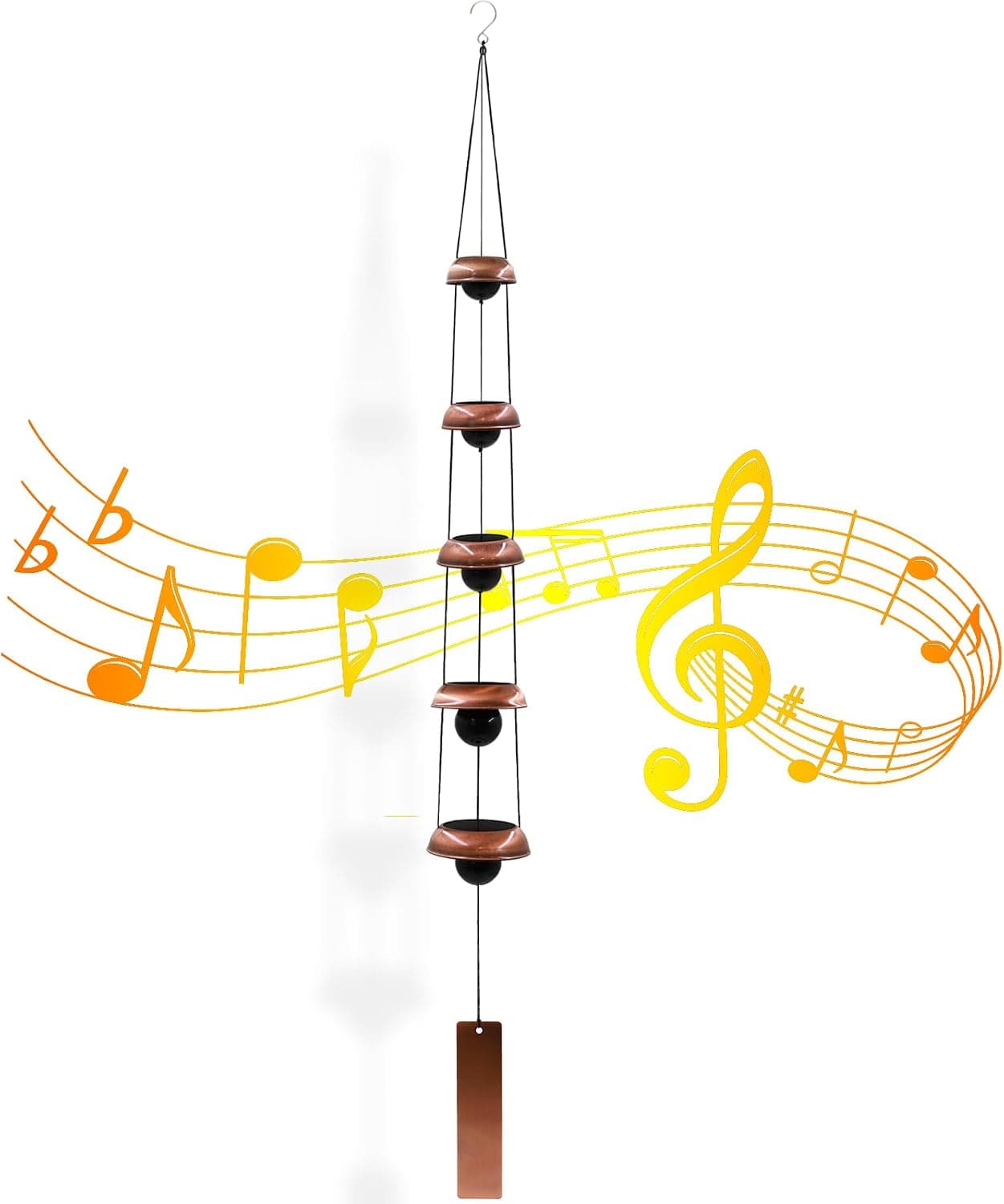 -19%
-19%Wind Chimes for Outside with 5 Bell Unique Copper Musical Chimes Feng Shui Wi...
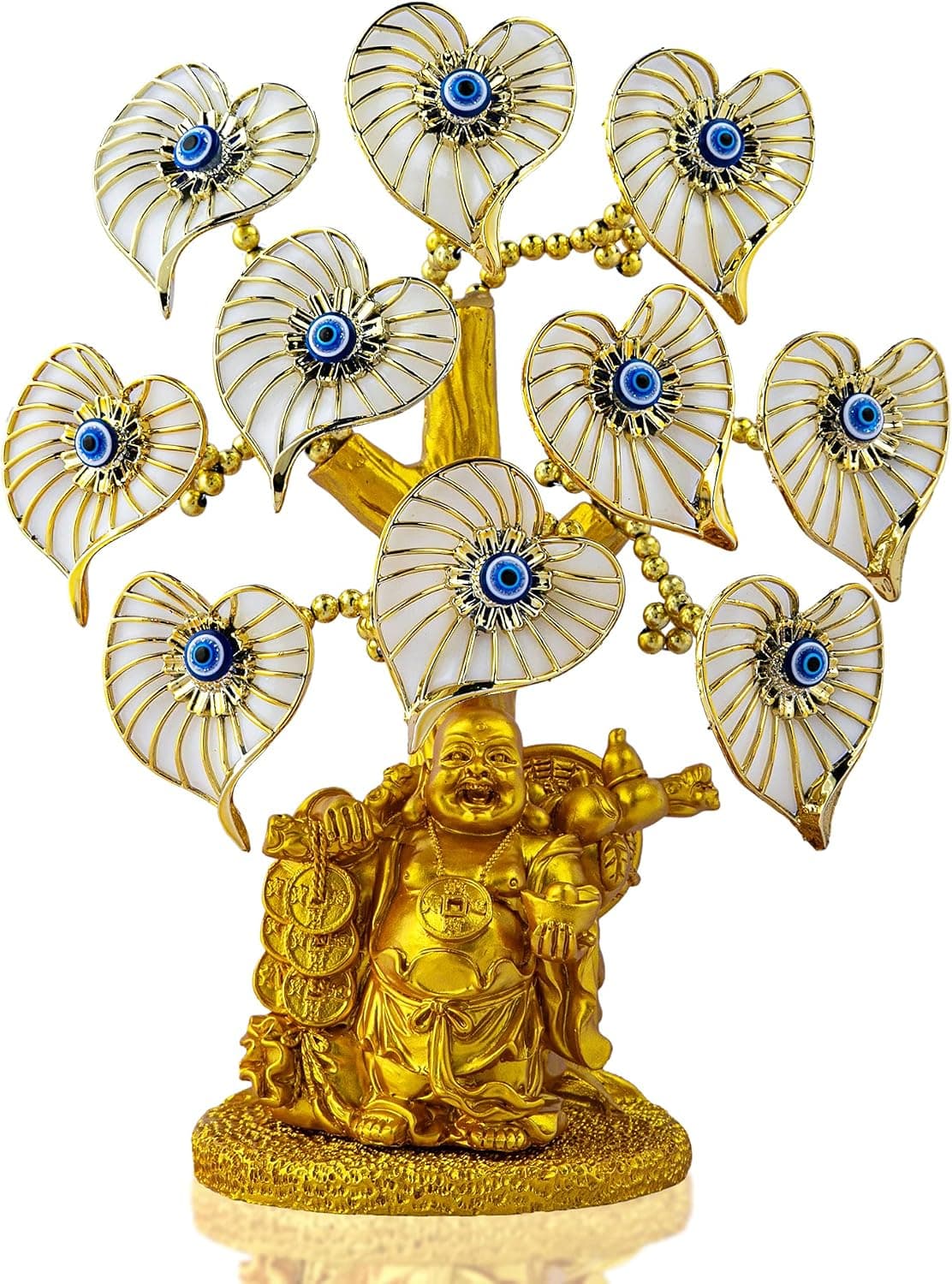 -5%
-5%YU FENG Evil Eye Money Tree, Blue Feng Shui Decor with Golden Buddha
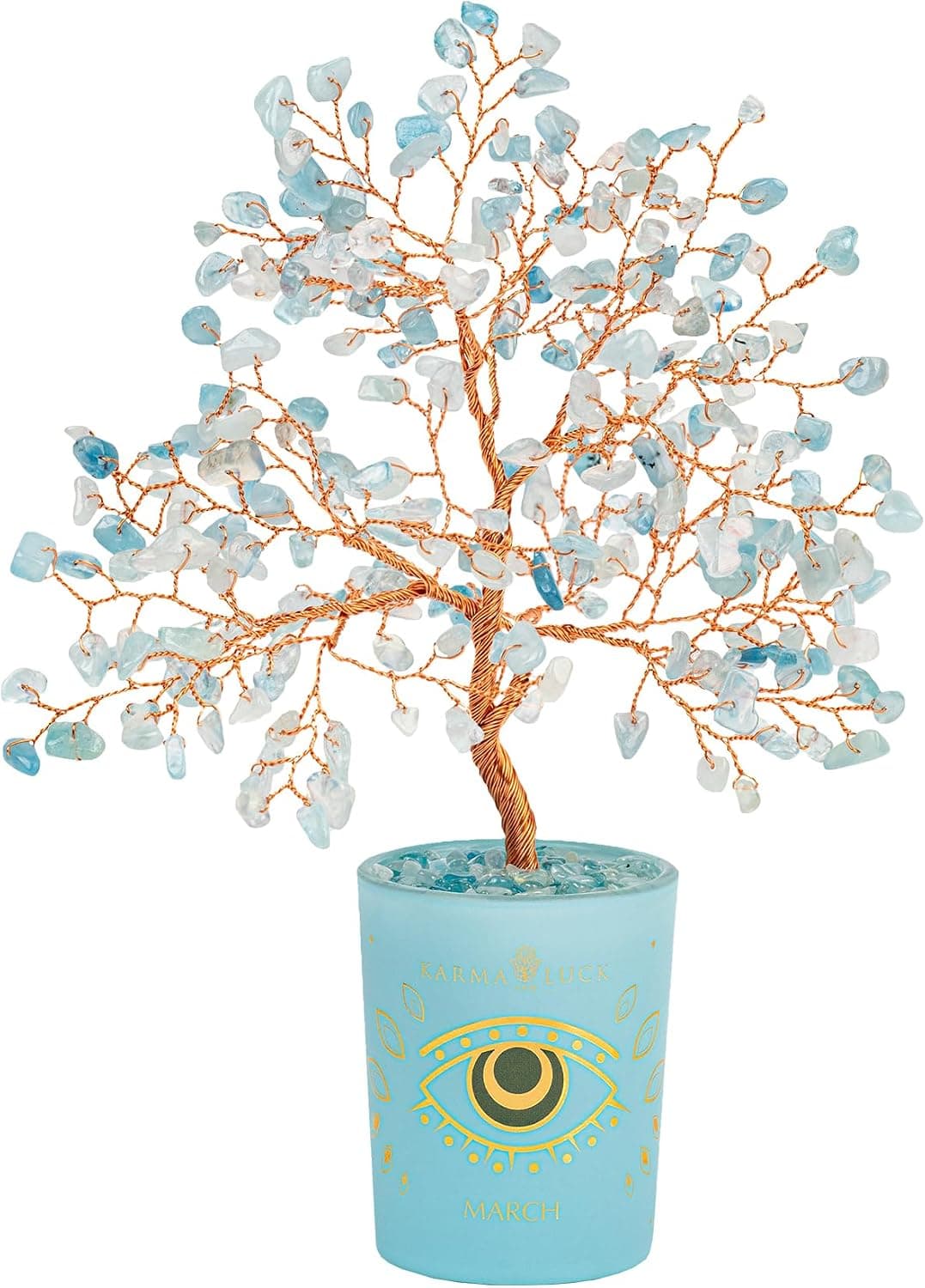 -29%
-29%Karma and Luck March Birthstone Crystal Tree of Life, Aquamarine Gemstone Fen...
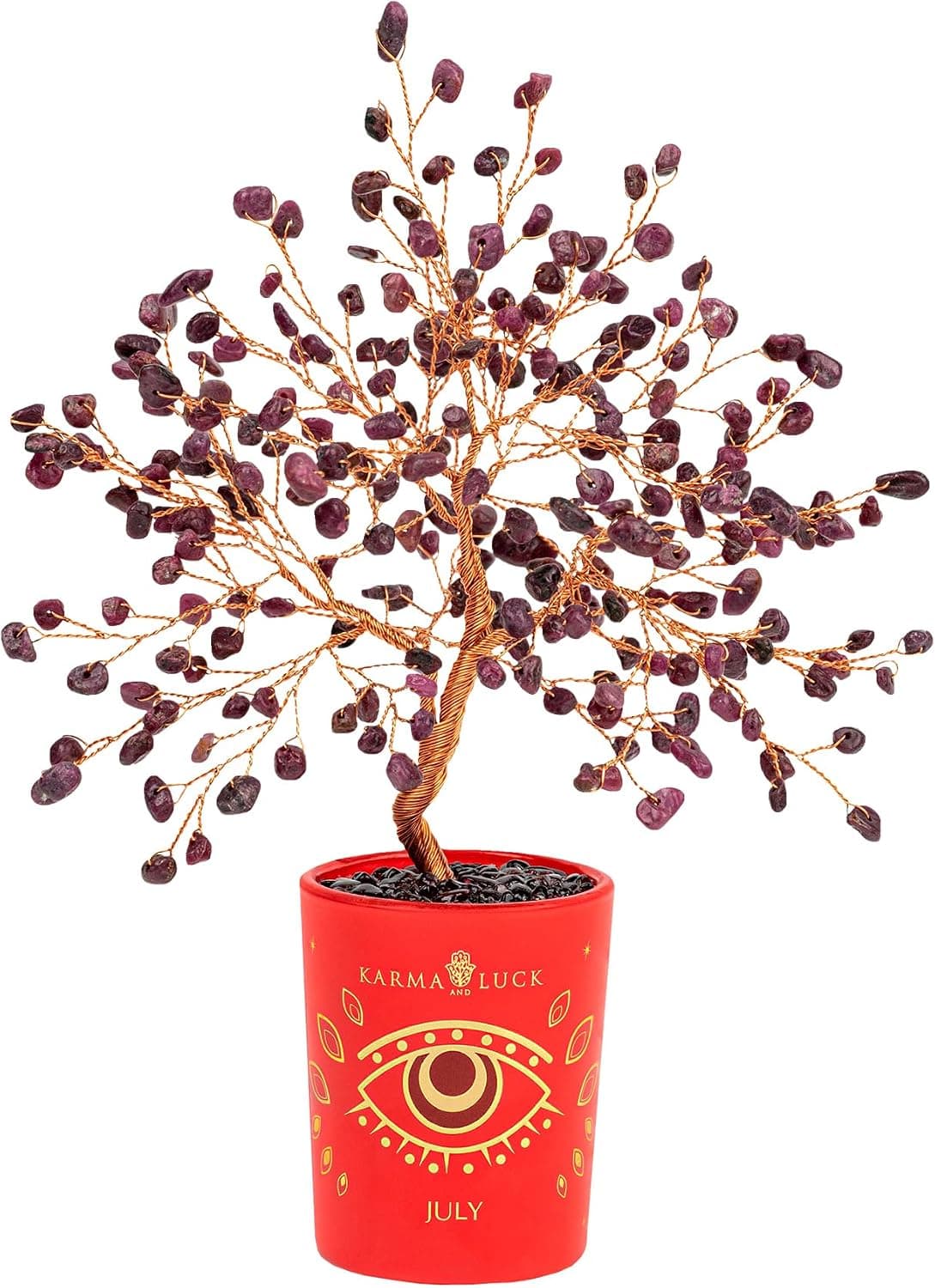 -29%
-29%Karma and Luck July Birthstone Crystal Tree of Life, Ruby Gemstone Feng Shui ...
As an Amazon Associate, we earn from qualifying purchases. We only recommend items our practitioners have personally tested.
Continue Your Journey
Explore these related guides to deepen your understanding:


Ready for Deeper Guidance?
Try our free I Ching reading for personalized wisdom, or explore our curated Feng Shui essentials.