Some cures calm the room; the wrong ones quietly stir up sleep problems, money leaks, and friction.
You did everything right. The room still felt wrong.
You bought the crystals. You placed the brass cure. You even printed the bagua map and taped it to the wall like a serious student. Then the master bedroom started feeling wired at 2 a.m., the wallet felt thinner by Friday, and nobody in the house wanted to sit in the living room for long. I have seen that pattern more times than I can count.
The issue is rarely effort. It is usually placement, timing, or treating every sector like it needs a big cure just because a chart said so. That is how people end up making the bagua map into a blunt instrument instead of a diagnostic tool.
And yes, the phrase feng shui flying stars 2021 cures got people moving fast. Too fast. That year had its own annual energy pattern, and a lot of homes were patched with the wrong metals, too much red, or cures dropped into rooms that were already overstimulated.
Mistake 1: Treating every unlucky star as an emergency
What people do: they panic when they see a difficult star and immediately place heavy metal, salt water, bells, or six coins in every affected room. Why it feels right: the logic sounds clean. Bad number, strong cure. Simple. What actually happens: the room becomes overcorrected, and the qi turns stiff. Instead of calming a bedroom, you can get sleep disruption; instead of stabilizing a workspace, you get a flat, stuck feeling.
I walked into a guest room in Queen Anne with a dark gray quilt, a chrome lamp, and two separate metal cures on the dresser. The owner, a retired accountant named Elise, said she kept waking at 3:10 a.m. after the cures went in. We removed one metal remedy, softened the light, and the room stopped feeling like a clinic. That is the part people miss: cure does not mean more objects. It means the right response.
Mistake 2: Using red as a universal fix
What people do: they add red candles, red pillows, red paper, or red ribbon anywhere a chart looks hostile. Why it feels right: red looks active, protective, and decisive. What actually happens: in the wrong sector, red can feed a star that is already hot. That can lead to relationship tension, irritability, and a home that feels like it is always one conversation away from an argument.
If you want a simple rule, keep it simple: fire does not calm fire. A study with burgundy curtains and a bright scarlet throw may look stylish, but if the annual energy is already agitated there, you are not balancing the room. You are cheering it on. A better first move is often reducing visual noise and letting the sector breathe.
Mistake 3: Putting metal cures where you actually need warmth
What people do: they place brass pagodas, heavy brass ornaments, or six-rod metal remedies in rooms that already feel cold or hollow. Why it feels right: metal is the classic answer for certain annual afflictions, so people assume more metal equals more protection. What actually happens: the space gets drier, sharper, and less livable. I see this especially in bedrooms and family rooms, where the result is emotional distance and a subtle drop in comfort.
One architect I worked with had a pale-blue sitting room in Portland, a steel side table, and a neat row of metal pieces on the windowsill. The room looked controlled, but nobody lingered there. We shifted one cure out and brought in a softer balance through texture and lighting. Within a week, the family started using the room again. Not because the furniture became magical. Because the energy stopped feeling like a warehouse.
Mistake 4: Ignoring the room’s actual job
What people do: they follow the chart and forget the function of the room. Why it feels right: the annual star seems more important than the room itself. What actually happens: a cure that might be acceptable in a hallway can become a problem in a bedroom, nursery, or kitchen. That is how you get sleep disruption in a room that should restore you, or stagnant wealth qi in a space where people handle bills, plans, and decisions.
There is a big difference between a lively family area and a private rest space. A living room can tolerate more movement than a bedroom, and a workspace can tolerate more focus than a dining nook. If you want a useful companion piece, study how the living room carries household energy before you start dropping cures into every corner.
This is where people get surprised. The chart may be correct and the application still wrong.
Mistake 5: Overloading a wealth sector with symbols
What people do: they stack coins, wealth frogs, citrine, gold items, and extra activation cures all in the same corner. Why it feels right: prosperity should be visible, right? What actually happens: clutter replaces flow. The space becomes crowded, and instead of healthy money movement you get financial anxiety, stalled opportunities, or the feeling that you are forever managing money rather than growing it.
I once visited a home office with a green desk mat, three yellow crystals, a gold money tree, and a fountain that hummed day and night. The owner, a nurse named Priya, said her invoices were getting paid slower every month. We cleared the excess, kept one clean money symbol, and changed the desk orientation. The relief was immediate. Money qi does not like desperation dressed up as decoration.
Mistake 6: Forgetting the front door still leads the whole house
What people do: they obsess over cures in the back rooms and ignore the entry. Why it feels right: the front door seems too ordinary to matter when the annual chart is dramatic. What actually happens: weak entry energy undermines everything else. If the house is taking in messy qi at the door, the annual remedies inside have less to work with. That can show up as tiredness, scattered attention, and money that seems to slip away before it settles.
Look at the foyer before you touch another cure. Is the path clear? Is the door easy to open fully? Is there a pile of shoes, a dead plant, or a mirror aimed badly? The humble fixes often do more than the dramatic ones. If you need a practical reference, start with a stronger front door setup and work inward from there.
Mistake 7: Copying a cure list without checking the year, the house, and the person
What people do: they save a screenshot, buy the items, and install them exactly as shown online. Why it feels right: internet lists are comforting. They make complex systems look finished. What actually happens: the house, the occupants, and the timing are ignored. A cure that helps one family may aggravate another, especially if the room already has strong natural light, an active stove nearby, or a resident who is sensitive to clutter and noise.
That is why I never treat annual remedies as stickers you paste onto a floor plan. I treat them as adjustments. Some sectors need cooling. Some need restraint. Some need nothing dramatic at all. The quiet answer is often the smartest one.
What actually works after the mistakes are removed
First, stop stacking cures on top of one another. Then look for the real condition of the room: too hot, too cold, too crowded, too empty, too active, too dead. Match the remedy to the problem, not the fear.
If the issue is sleeping poorly, look at the bedroom as a system before adding more objects. If the issue is money slipping through the cracks, simplify the wealth area instead of loading it with symbols. If the issue is tension, remove excess fire before you add protection. That is the practical side of feng shui flying stars 2021 cures, and it still applies whenever people try to force a chart onto a real home.
When you are ready to go deeper, compare the annual fix with the room’s base condition, then read the money page and choose the simplest adjustment that actually changes the current.
That is the part people resist. Less often does more.
FAQ
Do I need every annual cure the moment I see a bad star?
No. A chart is not a shopping list. Start by checking whether the room is already under stress from light, clutter, or poor use; many problems improve before a single object is added.
Can one cure work for the whole house?
Usually not. A doorway, a bedroom, and a work area do different jobs, so the same remedy can help in one place and feel wrong in another. The house needs coordination, not one-size-fits-all fixes.
What if I already bought the wrong cure?
Use it only if the placement makes sense, not because you spent money on it. A surprising amount of correction comes from removing extra objects, reducing heat, or shifting the item to a less active zone.
Are flying star remedies still useful after 2021?
Absolutely, but the year matters. The annual pattern changes, and a cure that fit one year may be mismatched in the next. The principle stays the same: respond to the actual energy, not the label on the cure.
Mei Chen
Traditionally informed guidance • Cross-referenced with classical Chinese source texts
Content draws from both Compass (Luopan) and Form (Xingshi) school traditions. Illustrative examples are composites based on consultation experiences.
Practitioner-Selected Tools for This Topic
Items our team has tested and found effective for the principles discussed above. Individual results may vary.
 -19%
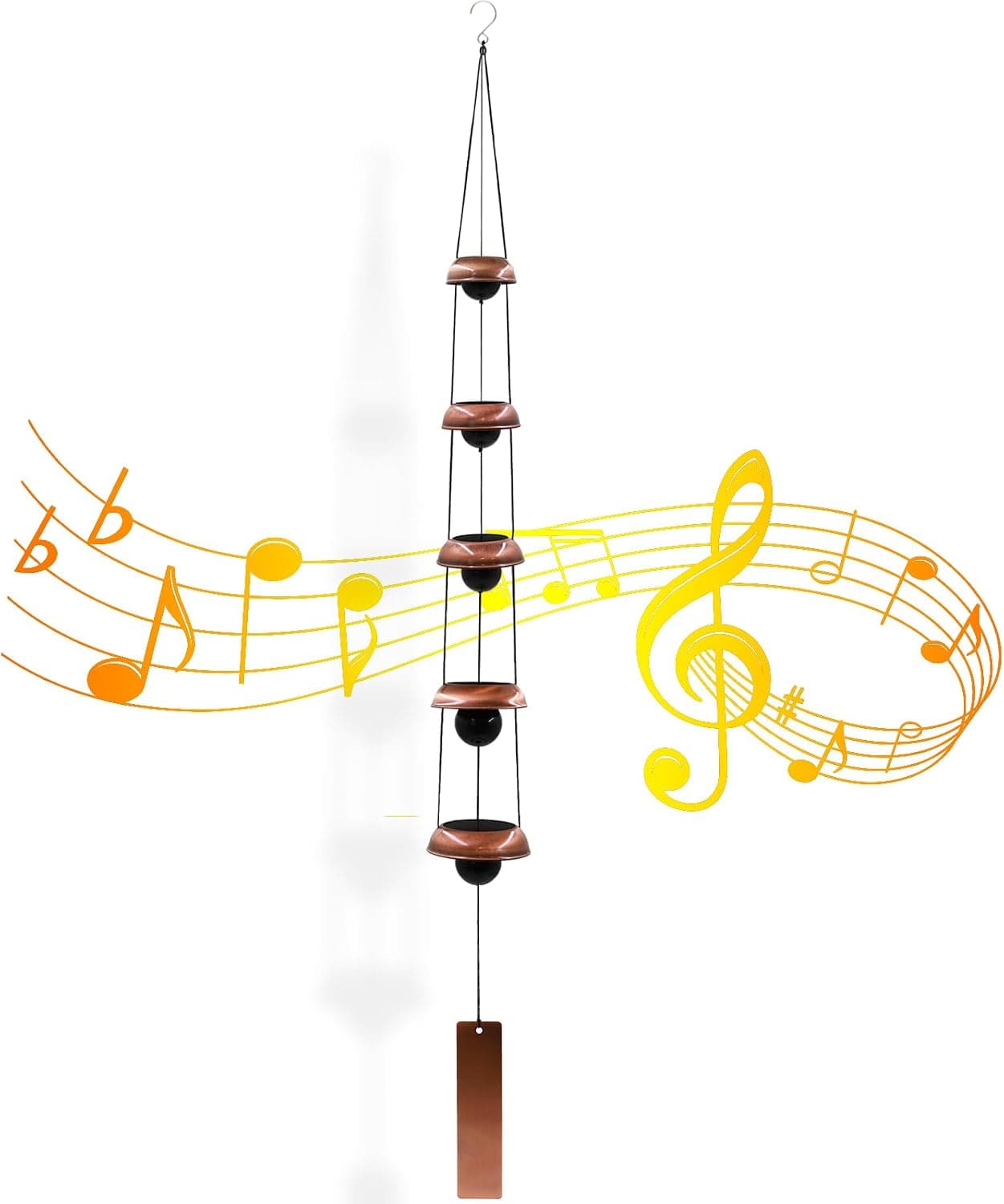
-19%Wind Chimes for Outside with 5 Bell Unique Copper Musical Chimes Feng Shui Wi...
 -5%
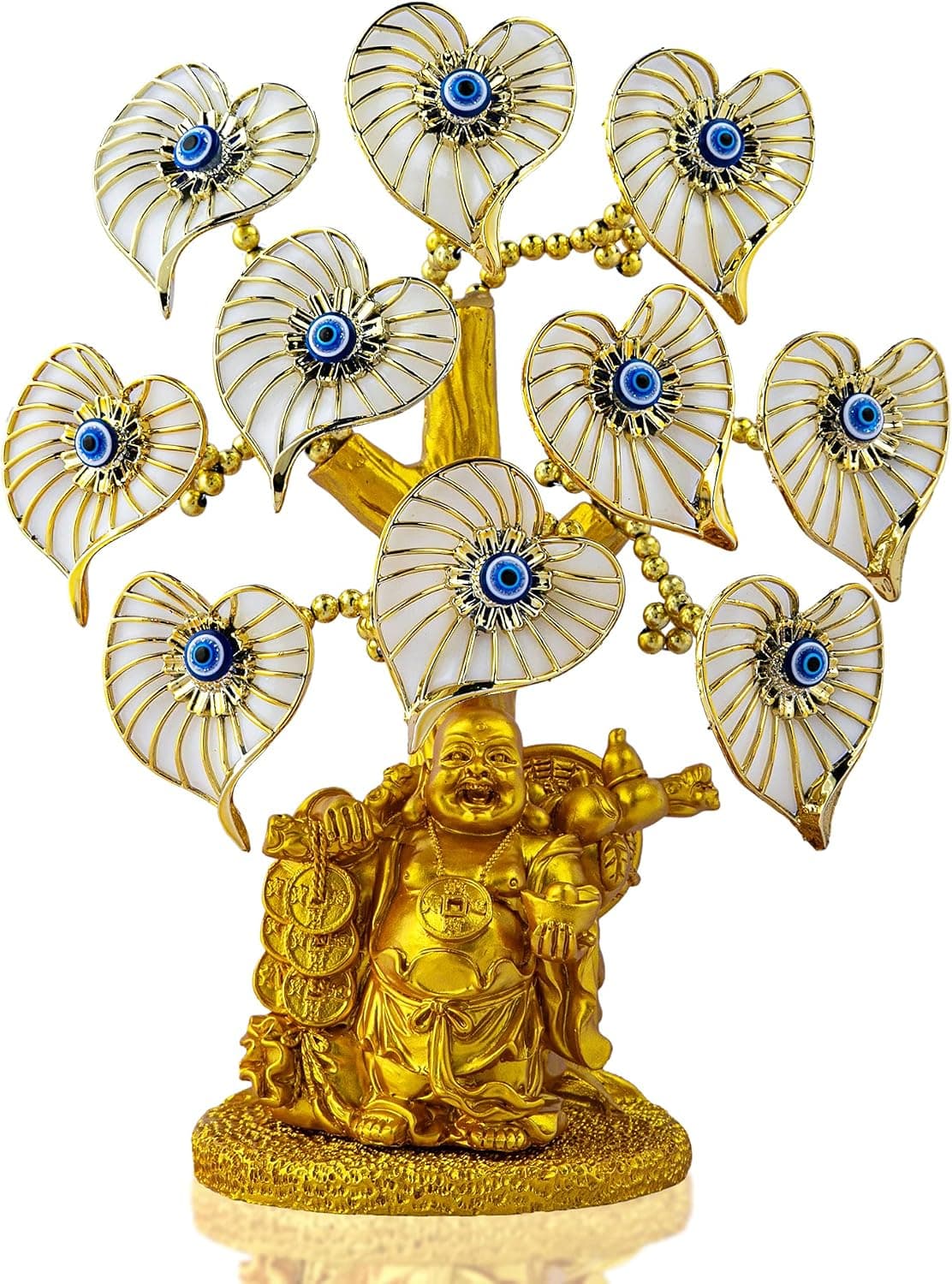
-5%YU FENG Evil Eye Money Tree, Blue Feng Shui Decor with Golden Buddha
 -29%
-29%Karma and Luck March Birthstone Crystal Tree of Life, Aquamarine Gemstone Fen...
 -29%
-29%Karma and Luck July Birthstone Crystal Tree of Life, Ruby Gemstone Feng Shui ...
As an Amazon Associate, we earn from qualifying purchases. We only recommend items our practitioners have personally tested.
Continue Your Journey
Explore these related guides to deepen your understanding:


Ready for Deeper Guidance?
Try our free I Ching reading for personalized wisdom, or explore our curated Feng Shui essentials.