A room can stay beautiful and still stop working. That’s usually the sign the five elements need recalibration.
When a room starts feeling wrong after years of feeling right
Yes, a room can go stale after a few years, and the fix is usually a recalibration of the five elements, not a full redesign.
I once walked into a north-facing bedroom with taupe walls, a walnut bed low to the floor, and linen curtains heavy enough to hold the morning cold. For a long time it had felt settled. Then work stress, closed windows, and longer nights turned that same room flat and oddly heavy. Nothing had been “ruined.” It had simply drifted out of step with the life happening inside it.
That is the real issue. A room does not only answer to furnishings. It also answers to habit, season, airflow, light, and the way the body has learned to use it.
If you want the short version, begin with the room you have now, not the room you arranged five years ago. Check which element is dominating, ask what the room is supposed to support, notice whether light, sound, air, and clutter have changed, then adjust one layer at a time. A bagua map gives the room its directional context, but the five elements tell you how the space is behaving in practice.
Once a layout “works,” people assume it will keep working. Rooms do not sign that contract.
Why a layout can age badly without looking wrong
Many people want feng shui to behave like a formula: place the object, match the color, solve the problem. That is comforting, but interiors are lived-in systems, not static diagrams.
A bedroom designed for rest can become a site of tension when a laptop takes over the nightstand, blackout curtains block the morning sun, and the air feels stale by noon. The room may still look polished. The experience changes anyway.
That is where the bedroom layout lens becomes more useful than décor alone. Sleep spaces need softness, but too much softness without circulation turns heavy. Earth supports, yet excess earth can make a room feel sluggish and mentally sticky. In practice, that happens when one element keeps doing all the work: the bed stays visually dominant, the lighting stays low, and nothing breaks up the visual weight or refreshes the air. The room still reads as calm, but the body reads it as slower, warmer, and harder to leave.
People adapt faster than they realize. Repeated cues train the nervous system. A room that once signaled rest may later signal unfinished work, low energy, or avoidance simply because the habits in it have changed.
The room did not fail. Its job changed.
The cycle is alive, not decorative
The feng shui five elements cycle is best used as a diagnostic rhythm. Wood expands, fire activates, earth stabilizes, metal defines, and water cools and refreshes. Those relationships can support one another, weaken one another, or become excessive when the conditions in a room shift.
Consider a kitchen. Strong fire from appliances and bright metal from hardware can make the space feel sharp and overactive. If the kitchen is already tense, adding more metal is rarely the remedy. If it feels scattered, a little metal may help contain the movement. Context decides everything. The same element can be either help or harm depending on whether the room needs containment, momentum, warmth, or release.
The same principle applies to a hallway or entry. These spaces move chi quickly. Too much metal can make them feel impatient and hard-edged; too much wood without structure can make them feel loose and unfocused. You feel the difference in the way you walk, pause, and breathe when you enter.
For a grounded look at growth energy in real interiors, I often point readers to the role of plants in a living layout. Wood is not only greenery. It is expansion, flexibility, and the sense that a room still has room to breathe.
Wood should open a space, not turn it into a jungle.
How a five-year rhythm shows up in daily life
A home office can work beautifully for a while and then slowly become a source of distraction. Picture a desk facing a bright window, a comfortable chair, tidy shelves, and good intentions. Then the workday turns into nonstop video calls, a neighboring building throws glare across the screen every afternoon, and the room begins to feel restless before lunch.
Nothing mystical has gone wrong. The conditions changed. Light became harsher, street noise grew louder, and the person using the room shifted from focused writing to constant task-switching.
Environmental science explains part of this in plain language. Light affects alertness and mood. Poor airflow raises fatigue. Noise increases stress load. Stale indoor air can make a space feel compressed even when it appears clean. Feng shui notices the lived experience first, then describes it in elemental terms.
That is why a setup may seem to “expire” after several years. Not because the calendar is magical, but because life does not stand still for long. The room accumulates use, and use changes meaning.
What expired energy looks like before it looks obvious
Expired arrangements usually show up as visual fatigue before they become obviously wrong. A bedroom that once felt serene now feels sleepier in the wrong way. An entry that used to welcome you now fills with shoes, parcels, and unopened mail. An office that once sharpened focus now leaks it.
Clutter is not only a feng shui concern. It increases cognitive load. When the eye keeps editing what it sees, the mind works harder, and the room feels heavier than its square footage suggests.
I remember a narrow apartment entry with pale oak flooring, a brass mirror, and a slim bench that looked elegant on move-in day. A year or two later, the bench had become a parking spot for mail, the mirror reflected stacked deliveries, and the hallway had started to feel like a bottleneck. The solution was not more decoration. It was clearing the path, reducing visual noise, and introducing a little wood to soften the metal edge without making the corridor blur.
If a room feels blocked, the front door is often where the reading begins. Entry spaces reveal circulation problems quickly, and they do not hide them well.
A cluttered threshold changes the mood before anyone speaks.
Why direction changes the reading
The same mix of elements does not mean the same thing in every room. Direction, function, and the surrounding environment alter the message. A water-forward room near a north-facing window may feel cooling and restorative in one home, then chilly and withdrawn in another.
Take an east-sector office. Wood supports learning, growth, and forward motion there. But if the room already has hard morning glare, traffic noise, and too much screen time, adding more wood through plants or tall furniture will not fix the deeper problem. The room may need gentler light control, quieter acoustics, and a simpler workflow first.
This is where beginners often get stuck in charts. They see one missing element and rush to fill it. Yet a room is not a worksheet. It is a living pattern of use, direction, and perception.
For readers who want to place those directions on a floor plan with more precision, the bagua framework helps translate room zones into practical action. Just do not let the map override what your senses already know.
A room with low light, soft textiles, and too much earth tone can feel comforting for a season, then slide into heaviness. If ventilation is poor, that earth quality moves from supportive to smothering. Remove one layer, open the air path, and the room can feel alive again without changing its identity.
How I would recalibrate a room that has gone stale
I start with function, not with cures. Ask what the room needs to do now. Rest, focus, gather, recover, or move people through quickly? The answer tells you which element relationship should lead.
Then I look for the strongest sensory signal. Is the room too bright, too dim, too warm, too noisy, too still, too sharp, or too dense? That usually reveals where the current cycle is breaking. A bedroom that feels restless often needs less visual stimulation and better airflow, not a pile of new objects. A kitchen that feels overactive usually needs the fire tempered and the metal clarified, not more decorative energy.
After that, I remove before I add. Clearing clutter, opening a passage, changing curtain weight, adjusting lamp temperature, and restoring air movement typically do more than a shopping list of remedies. People dislike hearing that because it sounds too simple. It is also what works most often.
If a room needs a steadier touch, I would consider subtle crystal placement after the layout stops fighting itself. Ornament cannot rescue a circulation problem.
Sound matters too. Traffic, neighbors, appliance hum, and an overworked exhaust fan can sharpen a room into metal-like tension. Sometimes the “energy issue” is really an acoustic one that the body recognizes long before the mind names it.
Start with air, light, and sound before you start buying symbols.
How to tell whether the room is back in balance
The test is not whether the room photographs well. The test is whether your behavior changes inside it. Do you enter more easily? Do you sit down without bracing yourself? Do you sleep, focus, or cook with less friction?
I watch for small signs. People stop avoiding the chair by the window. They stop piling books on the nightstand. They close the closet door less often because the room no longer feels as if it is holding something back. Those are quiet markers, but they are reliable.
Seasonal timing matters as well. In 2026, with many people spending long stretches under artificial light and moving between home and hybrid work setups, more interiors need regular adjustment than they did a decade ago. What survived one lifestyle cycle may not survive the next.
If a room feels almost right but not quite, change one variable for two weeks. Adjust the lighting, clear the entry, improve airflow, or remove a dominant color block. Then watch your mood, your attention, and your willingness to stay in the space. Rooms tell the truth through use.
When the room supports the behavior you want without constant effort, the cycle has begun moving again.
FAQ
How often should I check the five elements in a room?
A quick yearly review is enough for many homes, but if your work, sleep, or household routine changes, reassess sooner. A room that served one schedule may not suit the next one.
Does every room need equal amounts of all five elements?
No. Equal amounts often make a room feel generic. A good layout emphasizes the element that supports the room’s purpose and keeps the others from overpowering it.
Can a bedroom have too much earth energy?
Yes. Heavy bedding, muted browns, low light, and too many grounded materials can make sleep feel dull or sticky instead of restorative.
My room looks balanced but still feels off. What does that mean?
Usually it means something sensory has changed. Look at airflow, glare, noise, stale air, or clutter before you blame the décor.
Do small apartments go out of balance faster than houses?
Often they do. Tight square footage collects habits quickly, and shared walls, limited airflow, and frequent transitions can push the room out of sync sooner.
Is the five-year cycle meant to be literal?
Not like a stopwatch in the sky. Think of it as a practical pattern: after several years, the room, the people, and the routines usually change enough to justify a new reading.
Once you learn to read a room this way, the question is no longer whether the original chart was correct. The better question is whether the room is still being asked to do the same job.
Mei Chen
Traditionally informed guidance • Cross-referenced with classical Chinese source texts
Content draws from both Compass (Luopan) and Form (Xingshi) school traditions. Illustrative examples are composites based on consultation experiences.
Practitioner-Selected Tools for This Topic
Items our team has tested and found effective for the principles discussed above. Individual results may vary.
 -19%
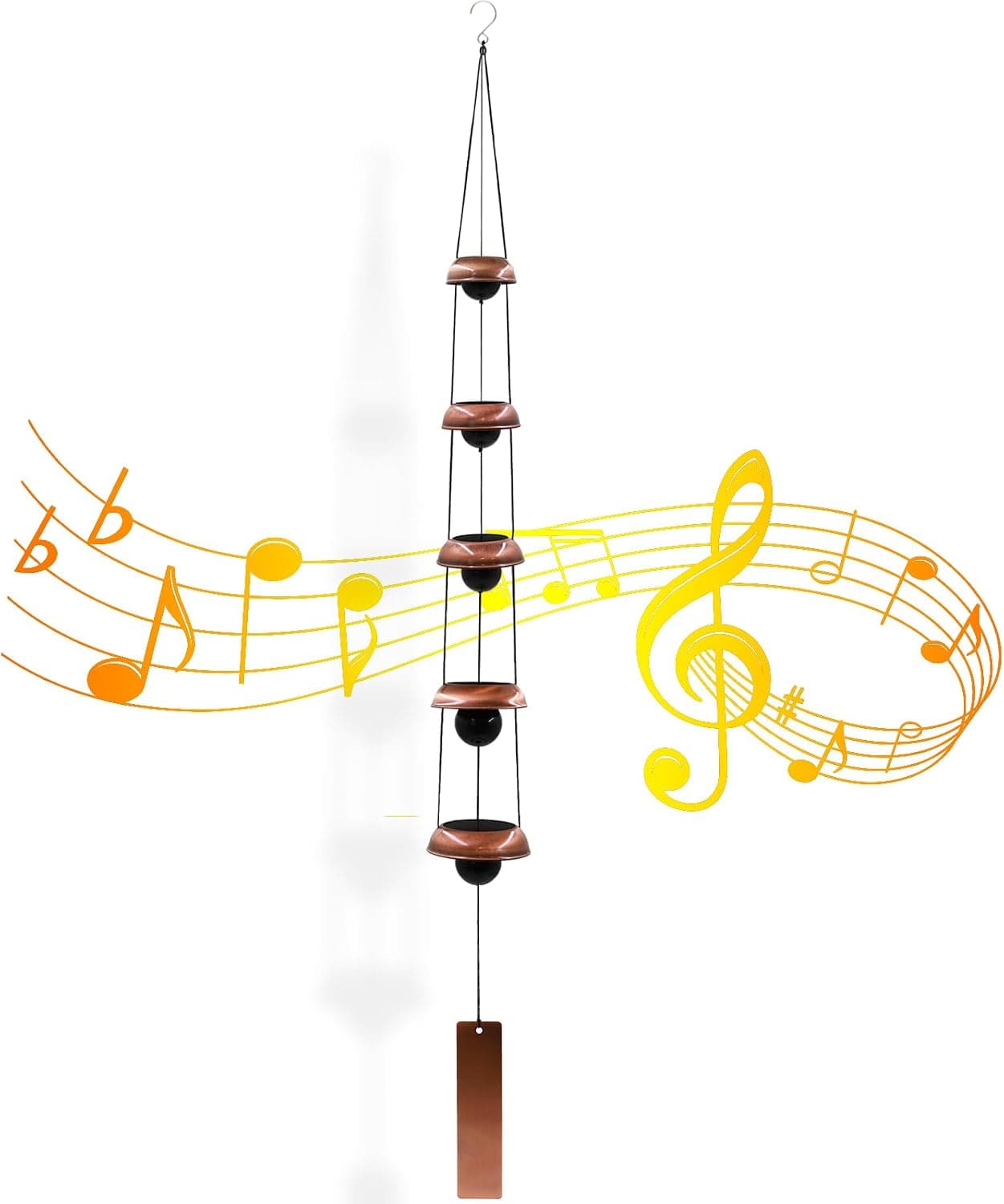
-19%Wind Chimes for Outside with 5 Bell Unique Copper Musical Chimes Feng Shui Wi...
 -5%
-5%YU FENG Evil Eye Money Tree, Blue Feng Shui Decor with Golden Buddha
 -29%
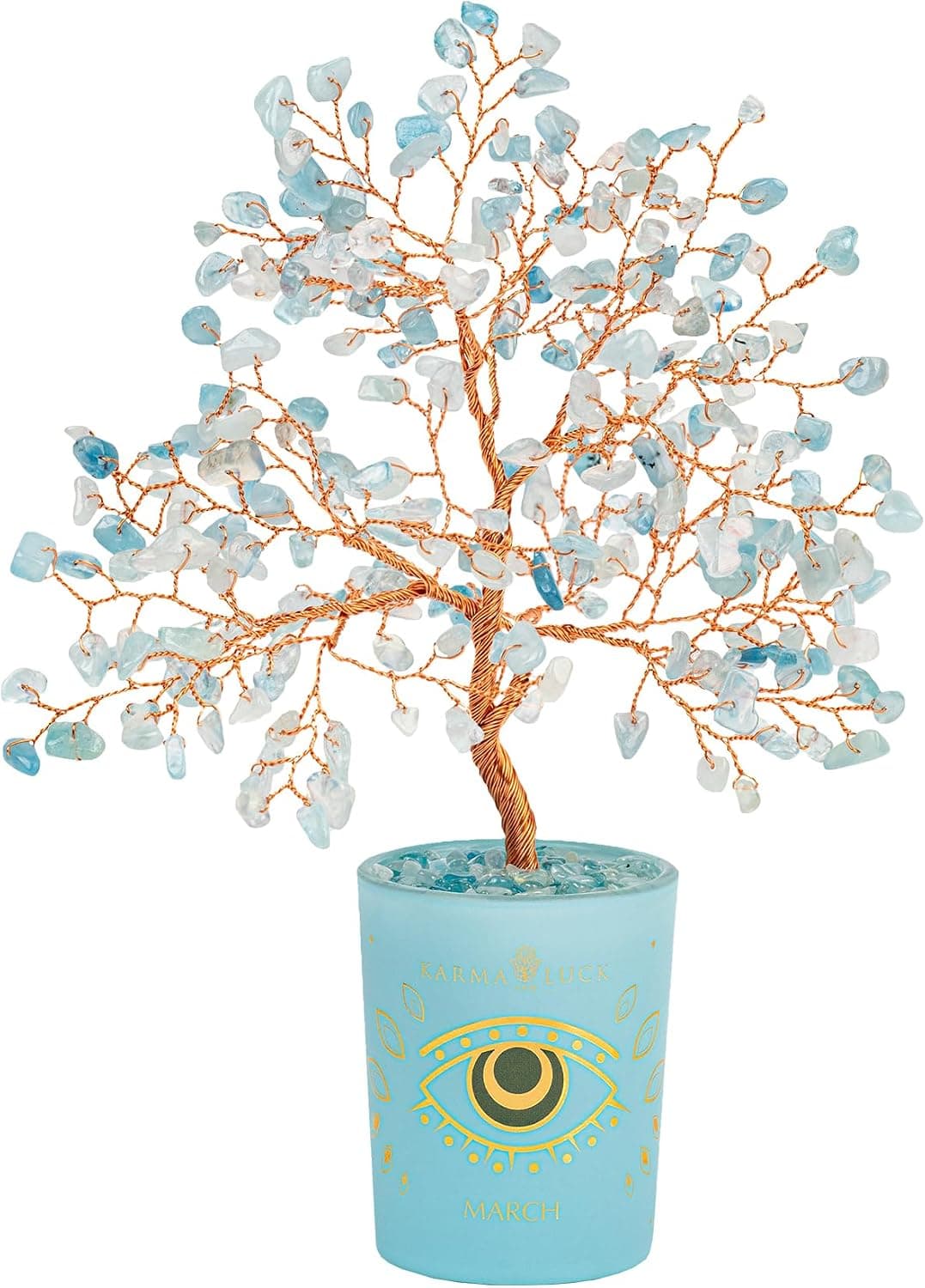
-29%Karma and Luck March Birthstone Crystal Tree of Life, Aquamarine Gemstone Fen...
 -29%
-29%Karma and Luck July Birthstone Crystal Tree of Life, Ruby Gemstone Feng Shui ...
As an Amazon Associate, we earn from qualifying purchases. We only recommend items our practitioners have personally tested.
Continue Your Journey
Explore these related guides to deepen your understanding:


Ready for Deeper Guidance?
Try our free I Ching reading for personalized wisdom, or explore our curated Feng Shui essentials.