A good consultant doesn't sell luck; they trace why one room keeps producing the same problems.
The Hidden Truth About expert feng shui
, and the mismatch shows up fast in a home that keeps behaving badly. A woman can move a crystal, buy a money frog, and still wake at 3:17 a.m. with her jaw clenched. That is not failure of faith; it is the wrong diagnosis. I once walked into a narrow apartment where the dining table sat directly in line with the front door, a black umbrella leaned against a mirror in the entry, and a red lamp threw hard light across a cramped hallway. The owner had followed every online rule she found, yet the place still felt jumpy, and her bills arrived late in uneven stacks as if the mail itself had learned to hesitate.
So what is someone actually trying to solve? Usually not “energy” in the abstract. They want sleep that stays deep, arguments that stop repeating, money that stops leaking through obvious cracks, or a room that no longer makes them keep checking their phone. That is why front-door layout choices that change a home fast matter before any decorative cure does. The entry tells you where movement enters, where it stalls, and where the household starts bracing itself.
Conventional advice often skips the chain reaction. A consultant who only names lucky objects may miss that the bed is angled toward the door, the stove sits under a shelf of sharp utensils, or the wealth corner is boxed in by a storage tower. The home then keeps expressing the same complaint in different rooms. sleep and relationship patterns often begin in the bedroom, not in the living room where people first look, and that surprises owners who assumed the biggest room must be the loudest problem.
Here is the part people dislike hearing: a competent reader spends less time selling cures than identifying the first broken link. Broken sightlines. Overheated colors. Dead corners. Too much glare at dusk. Too little breathing room near the bed. Those details sound plain, but plain details are where the pattern lives.
Case Notes from a Room That Looked Fine
In one case, the office was the apparent trouble spot. The desk faced a wall painted pale gray-blue, a brass task lamp sat on the left, and a pile of unopened envelopes had formed beside a ceramic mug with a chipped rim. On paper, nothing looked dramatic. In practice, the room made the owner skim, postpone, and forget. The correction did not begin with a charm. It started by moving the desk three feet so the sitter could see the doorway without being hit by it, clearing the envelopes, and removing a dried plant that had been holding the corner in a stale, papery state.
What changed was not mystical fog. The body stopped guarding. Shoulders dropped. The mail got opened the same day it arrived. That is the kind of result people are after when they search for a expert feng shui: not theory, but the point where daily friction finally names itself.
Some consultants miss this because they are trained to decorate the diagnosis. A red ribbon here, a metal object there, and the home still feels like a hallway with no exit. Better questions matter more: Which room gets avoided after dark? Where does clutter gather without effort? Which chair is never chosen unless guests force it? Those are the pressure points. mapping a home by function and flow helps, but only if it is used as a field note, not a poster on the wall.
What a Good Consultant Actually Tests
Ask a sharper question than “What should I buy?” Ask which problem is being solved. A money issue can come from blocked movement near the entry, but it can also come from a kitchen that feels dry and overcontrolled, or from a bedroom where no one sleeps long enough to make clear decisions. In the west, many people want a simple remedy. Reality rarely cooperates.
One useful test is this: stand in the room at different times of day. Morning light may make the space tolerable, while late afternoon turns the same corner flat and dry. Another test is sound. Does the refrigerator hum dominate the kitchen? Does the stairwell echo into the bedroom? Does a fan create a nervous pulse over the desk? These are not small things. They change how the body reads safety, momentum, and rest.
That is why a good practitioner studies the site before recommending anything decorative. The five elements are not wallpaper theory; they describe what a place is already doing. A room with too much metal—chrome edges, white surfaces, hard reflections—can leave a person exacting and chilly. Too much fire—scarlet cushions, bright bulbs, aggressive art—can make sleep thinner and patience shorter. When the five elements are out of balance, the mismatch is felt before it is understood.
And yes, there are times when the answer is almost absurdly simple. A mirror aimed at the bed. A knife block by the walkway. A pile of moving boxes acting like permanent scaffolding in the corner. People often want something ceremonial because ceremony feels sophisticated. Yet the room usually wants a chair moved, a surface cleared, or a lamp softened.
Where the Advice Backfires
Someone followed all the rules and still ended up more unsettled. I have seen that more than once. The reason is not that the rules are fake; the reason is that they were copied without context. A wealth object in the wrong room can feel like pressure, not support. A bracelet worn on the wrong side can feel performative rather than anchoring. Even a well-placed cure can fail if the room it sits in is already overloaded. wealth-corner mistakes often begin at the threshold, where traffic, shoes, and random bags keep shredding the quiet the corner needs.
Another common misstep: people buy objects before they remove visual noise. The shelf stays crowded, the window is half covered, and the new item gets stranded inside the mess. Of course it looks weak there. Any object would. A clear line of sight gives a room room to speak. Without it, every cure looks like clutter wearing a costume.
One more surprise. Sometimes the best answer is not to strengthen a sector at all, but to reduce what is already overactive. A southeast corner stuffed with glossy greens, glass, and bright light can become restless; a bedroom with too many “uplifting” accents can refuse to settle. If that sounds rude to the advice you have been given, good. Rudeness often saves time.
For money issues specifically, I send people first to objects that organize rather than agitate. A small bowl that contains loose change by the entry. A proper tray near the desk. A closed box for papers that circulate through the house too long. The point is not superstition. It is helping the mind stop scattering itself every time it sees a pile.
Items That Help the Right Problem
For a cramped apartment where finances feel slippery, coin placement works best when it looks intentional, not theatrical. A set of coins tied with red cord on the inside of a desk drawer can support focus for someone who handles invoices or freelance income. Place it where your hands meet paper every day. That is why coin placements that make money feel managed, not chaotic are more useful than random displays on a shelf nobody touches.
If you live in a shared home and arguments begin in the hallway, you need less symbolism and more containment. A covered basket for shoes. A mat that does not curl at the corners. A lamp with a warmer shade near the entry so the corridor stops feeling like a checkpoint. These changes help because they reduce the sense that one must hurry through the space. Hurry breeds irritation.
For people working long hours at a desk, a stable plant can help, but only if it is alive, upright, and not crowding the monitor. Put it slightly to the left or right, not directly between you and the room. A plant in decline does the opposite of what people hope. It reminds the eye of delay. If the leaves are yellowing or dusty, take that as information rather than decoration.
A bedroom wants different tools. Softness. Less glare. Nothing sharp aiming at the sleeper. A nightstand that holds only what is used. Curtains that remove streetlight without trapping the room in gloom. The room should invite the body to let go, not monitor itself. That is why a calmer sleeping room starts with the layout, not the accessories.
| Item | Best for | Why it helps | Where to place it |
|---|---|---|---|
| Coin bundle | Income tracking and money focus | Contains scattered attention | Desk drawer or entry console |
| Live plant | Stagnant corners | Adds movement and visible care | Near a window, not blocking a path |
| Warm lamp | Cold, tense hallways | Softens the visual tone | Entry or dark transition space |
| Covered storage box | Papers and loose financial items | Stops visual drip-feed anxiety | Office shelf or cabinet |
If you buy just one thing, buy a lamp you actually like turning on at dusk. It changes the feel of a room faster than most decorative cures, and it reveals whether the space needs warmth, containment, or simply less visual noise.
The Diagnostic Order That Saves Time
Start with the room that creates the first complaint, not the room that looks most impressive. A noisy entry can make the whole house feel rushed. A hot, overlit living room can keep everyone talking too loudly and staying too long. A bedroom with open shelves full of mixed objects can keep the mind editing itself instead of sleeping.
Then test the obvious fixes. Remove what leaks attention. Shift furniture off collision lines. Reduce glare. Clear the floor near the bed. A consultant worth listening to will ask what happened after each adjustment, not just what the adjustment was.
Some readers want a more technical lens, and that is fair. A compass reading matters when the site is complex. Annual stars matter when a room suddenly changes character. Yet tools work best after the basic read is done. Misread the space, and the numbers become ornaments. reading the compass correctly changes how every other decision lands, especially in homes that seem fine until evening.
There is also the I Ching side of this work, though people sometimes resist it because it sounds too abstract. It is not abstract when a changing line tells you the issue is not acquisition but restraint, not pushing but editing. The pattern matters. The behavior follows.
On a cold morning in a west-facing study, I once noticed a blue file box sitting exactly under a shelf loaded with glass awards and metal picture frames. The owner said the room made her feel “serious.” She meant tense. We moved the file box, replaced one harsh bulb with a warmer one, and removed two frames that flashed into her eyes every time the sun dropped. A week later she reported fewer headaches and fewer abandoned tasks. No ceremony. Just less friction.
What to Ask Before You Hire Anyone
Ask whether the person is diagnosing the cause or selling a template. Do they ask where the trouble shows up first? Do they look at sleeping positions, entry flow, and the places you unconsciously avoid? A useful answer usually contains specific spatial language, not just spiritual language.
Also ask what they would remove before they add anything. That question exposes a lot. People who understand homes know that subtraction often does more than addition. People who only know shopping will start listing objects before they mention the door, the bed, or the desk.
Surprising fact: a lot of so-called “bad luck” is just an overworked nervous system responding to bad room logic. When the hallway is sharp, the sleeping area is bright, and the work surface is crowded, the body stays on alert and then the mind builds a story around that alertness. The story can be about luck, timing, or fate. The mechanics are closer to architecture.
That is also why some homes improve after only one change. A bed moved away from a direct door line. A mirror rotated so it no longer catches movement in the night. A storage rack taken out of the wealth corner. Each change gives the room a cleaner sentence.
The best consultants I know do not promise to fix your life. They identify where the home is teaching the body to brace. That distinction matters. One sounds like marketing. The other sounds like someone who has stood in enough bad layouts to recognize the pattern without needing theater.
If you want a broader framework, the main map still matters. wealth-corner placement deserves a full reading, and so does the front entry, the bedroom, and the desk area. Yet none of those parts work when treated like isolated charms. They speak to each other.
FAQ
Is conventional expert feng shui advice reliable?
Often not by itself. A lot of mainstream advice copies symbols and skips diagnosis, so the home keeps producing the same friction under a prettier label. Reliable guidance starts with the room’s actual behavior: where you avoid standing, where clutter returns, and which corner feels oddly loud.
Do I need a full audit before changing anything?
Not at all. Move the piece that blocks the first clear issue, then observe the result for a few days. A direct line of sight, a calmer bed position, or a cleared entry often tells you more than a dozen decorative objects.
Can money problems really show up in the layout?
Yes, but not in a simplistic “put this object here” way. If bills pile near the door, papers scatter across the kitchen, and the desk faces a wall that makes work feel pinned down, the house is reflecting the same difficulty in several forms. Fixing the pattern usually helps the behavior change.
What should I do if the advice I already followed made things worse?
Check whether the cure was added before the clutter, glare, or pathing issue was removed. A red object in an already overheated room can make sleep thinner, not better. Pull back, simplify, and watch what happens when the space stops trying so hard.
The strange part is that the room often tells on itself quietly: a chair never used, a lamp always off, a stack of envelopes that keeps reappearing beside the same bowl, as if the house has chosen one corner to make its point.
Mei Chen
Traditionally informed guidance • Cross-referenced with classical Chinese source texts
Content draws from both Compass (Luopan) and Form (Xingshi) school traditions. Illustrative examples are composites based on consultation experiences.
Practitioner-Selected Tools for This Topic
Items our team has tested and found effective for the principles discussed above. Individual results may vary.
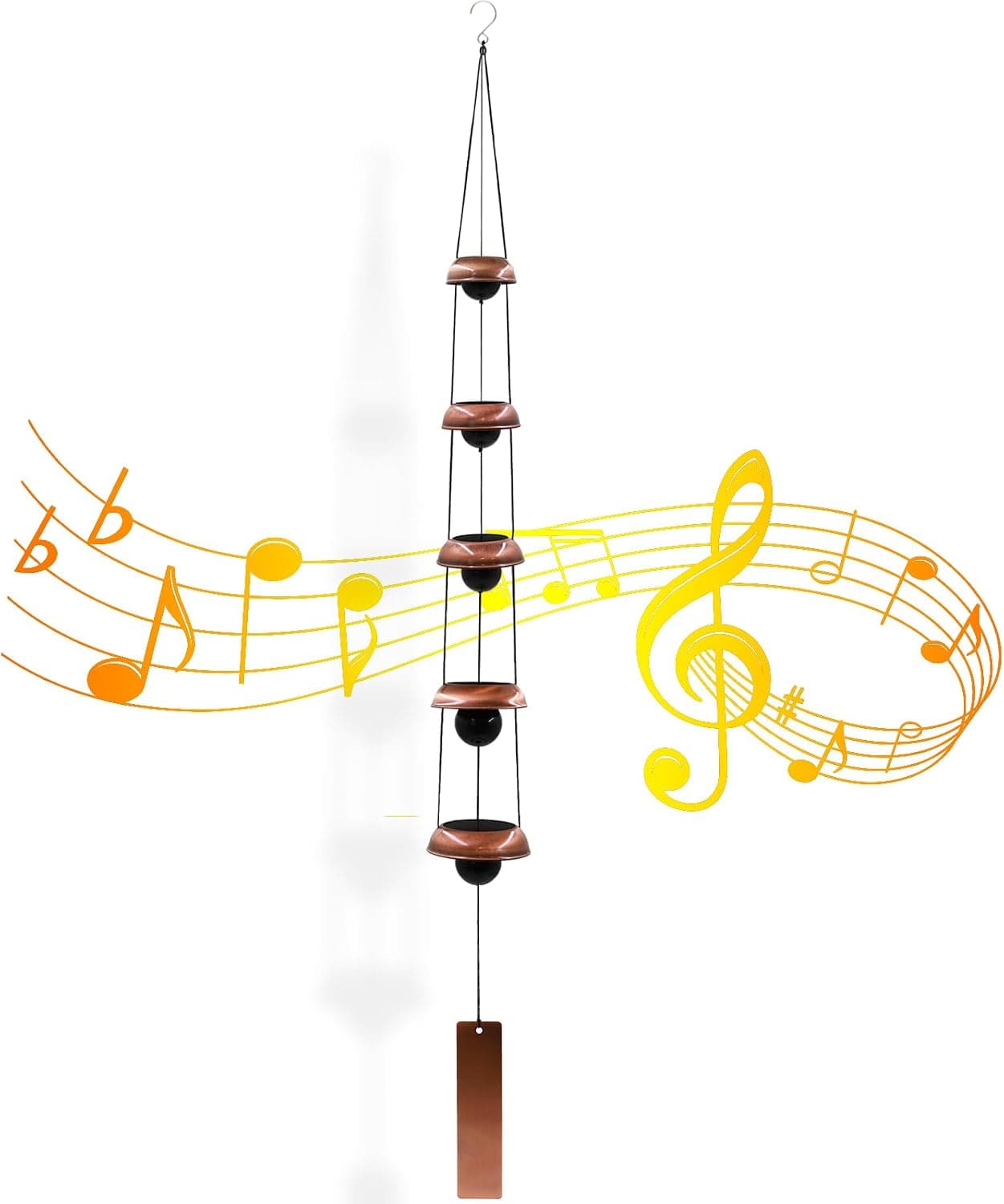 -19%
-19%Wind Chimes for Outside with 5 Bell Unique Copper Musical Chimes Feng Shui Wi...
 -5%
-5%YU FENG Evil Eye Money Tree, Blue Feng Shui Decor with Golden Buddha
 -29%
-29%Karma and Luck March Birthstone Crystal Tree of Life, Aquamarine Gemstone Fen...
 -29%
-29%Karma and Luck July Birthstone Crystal Tree of Life, Ruby Gemstone Feng Shui ...
As an Amazon Associate, we earn from qualifying purchases. We only recommend items our practitioners have personally tested.
Continue Your Journey
Explore these related guides to deepen your understanding:


Ready for Deeper Guidance?
Try our free I Ching reading for personalized wisdom, or explore our curated Feng Shui essentials.