A cluttered door doesn’t just look messy; it can quietly train wealth to pass you by.
The first few feet decide more than most people think
When I walk into a home, I do not start in the kitchen or the living room. I go straight to the entry, because that is where the house shows its habits. A pile of shoes, a sticky latch, a dead fern in a chipped pot, or a narrow path blocked by a stroller all send the same message: this home is working harder than it should.
Money reads that message too. In feng shui, the front entrance is where qi enters, slows down, and decides whether to settle. If you want practical front-door energy work that actually supports wealth, the goal is not to decorate harder. It is to make the threshold easy to enter and easy to trust.
Most people do not realize how fast an entryway can affect the rest of the house. In my experience, once the door area improves, people are less rushed, bills stop breeding in stacks, and the whole place feels less argumentative.
I remember a small townhouse in Portland where the foyer held an open black umbrella, a red plastic sorter packed with mail, and two muddy boots pointing outward like they were trying to leave before anyone else did. The homeowner was a middle-school teacher who kept saying her side income never stayed steady. We cleared the umbrella, tucked the boots into a bench cabinet, and replaced the red sorter with a closed oak tray. Two weeks later she called to say a former student had reached out for tutoring, and that one lead turned into three.
That was not magic. It was relief.
If you are using the bagua map, the entry sets the tone for how prosperity enters the home. The doorway does not need to shout wealth. It needs to look like it can hold it.
Simple fixes that cost little but change the feel fast
Start with the easiest things first. In small homes, the cheapest adjustment is often the one that does the most because it removes visual drag. A clean entry has a different emotional temperature from a crowded one, and that matters.
Shoes are usually the first problem. One low cabinet, one basket, or one tray is enough if it actually contains the mess. Shoes scattered at the threshold suggest constant motion with no landing place. That is a poor story to tell at a money-facing entrance.
Lighting comes next. A dim foyer feels unfinished, even if the rest of the home is polished. A warm bulb, a fresh lampshade, or a small lamp on a narrow console can make the space feel cared for in under a minute. Wealth tends to behave better in a room that feels welcomed.
A mirror can help in a tight space, but only when it is used with restraint. I like it when the mirror catches light or reflects a plant, artwork, or a clean interior wall. I do not like it facing the front door directly, because that can make the entry feel like energy is bouncing straight back out.
One banker I worked with had a beige apartment hallway that looked flat and tired no matter how carefully she cleaned it. We added a brass lamp with a soft cream shade, and the shift was immediate. The hall no longer felt like a tunnel. It felt like an arrival point.
That is why the best entryway updates often resemble the most practical money-supporting feng shui pieces: they clear the path first.
Clear space is the luxury.
Mid-range pieces that support prosperity without crowding the doorway
If you can spend a little more, choose items that create structure instead of decoration. The entry is a threshold, not a showroom. I remind clients of that constantly, because once people start buying pretty objects for the foyer, clutter returns wearing nicer clothes.
An entry bench with storage is one of the best purchases for this zone. It gives guests a place to pause, gives children a place to drop backpacks, and prevents the whole area from turning into a race track. Put it against a side wall rather than in the direct line from the front door.
A healthy plant can also do a lot, especially if the entry gets real daylight. Rounder leaves tend to feel softer and more welcoming than sharp, spiky shapes. I have seen a simple jade plant in a ceramic white pot do more for a narrow entrance than an expensive sculpture. For more plant ideas, see the right plants for welcoming abundance.
A runner is useful when the flooring feels cold or visually harsh. Choose something calm, not sleepy. Avoid patterns that point outward like arrows. In one Brooklyn brownstone, a wool runner in muted olive made the hallway feel grounded immediately, and the homeowner said she stopped hurrying through it every time she came home.
You can also add a small bowl or tray for keys, coins, and the odd receipt. That is not superstition. It is containment. When incoming and outgoing items land in the same messy pile, money energy gets scrambled with daily debris.
If the front door opens straight into the room or down a long corridor, use a console, tall plant, or screen to slow that rush. The layout matters more than the decor. Before buying anything large, it helps to check which directions support wealth at the front of the home.
When the entry needs a stronger correction
Sometimes the space is not just untidy. Sometimes it is structurally awkward. In those cases, a better-quality piece can solve the real problem instead of dressing it up.
A solid wood console with a stone top is one of my favorite upgrades for a foyer that feels too airy or flimsy. Wood brings growth and steadiness. Stone adds weight. Together they make the entrance feel like it can hold itself together. Just keep it far enough from the walking path that people do not brush against it every time they pass.
Lighting can move into this category as well. A proper flush mount or a well-scaled fixture can change an old foyer that always seemed underlit. The point is not drama. It is to remove the subtle feeling that says, “Get through here fast.”
Sometimes the best investment is the door itself. If the exterior is warped, scuffed, or painted in a flat color that drains the house of presence, no pile of accessories will fully fix that. A fresh coat from the best front-door colors for attracting prosperity can change the way the entire home is received.
One retired architect in Santa Fe showed me a beautiful entry with perfect proportions and a gray front door that felt oddly severe. We repainted it a deep blue with a satin finish, polished the brass hardware, and added a woven mat with neat edges. A month later he told me he had started slowing down when he came home, as if the house had finally earned his attention.
That detail matters. People spend a lot on symbols and forget the first thing money sees.
Your doorway is always speaking.
Buy for the actual problem, not for the trend
Different homes need different solutions. A narrow rental hall is not the same as a mudroom in a suburban house, and copying a trend without checking the layout usually creates prettier clutter.
If the entry is tiny, focus on wall hooks and one closed shoe container. If it is dark, fix the light before buying decor. If it feels emotionally cold, choose a textured runner or a healthy plant. If the front door opens straight into stairs, use a piece that slows the visual rush.
Families and roommates usually need storage more than symbolism. Once coats, keys, and shoes all have a place to land, the house stops fighting itself at the door. That matters for wealth because disorder at the threshold often becomes disorder in time, attention, and spending.
I have seen this in over 200 homes: once the entry calms down, people are less likely to misplace things and more likely to make better financial decisions without even trying.
Some readers want a lucky charm to do the heavy lifting. I understand that impulse. But if umbrellas, gym bags, and random paper stacks are still camping by the door, the charm is just sitting inside the noise.
If you want a symbolic layer, place one clean crystal on a side table only after the entry is organized. The object should support the room, not compete with it. If you want to explore that route, these entryway crystal choices are the ones I reach for most often when the space can handle them.
What each upgrade does best
| Item | Best for | Price range |
|---|---|---|
| Shoe cabinet or basket | Busy entries with daily mess | $20-$250 |
| Warm lamp or upgraded fixture | Dark foyers and flat hallways | $25-$400 |
| Healthy plant | Softening a small or plain entry | $15-$120 |
| Entry bench with storage | Families and shared homes | $80-$600 |
| Console table | Spaces that need grounding and structure | $120-$1,200 |
| Front-door repaint | Homes where the entrance feels tired or disconnected | $40-$250 |
If you only buy one thing, make it storage
Closed storage solves the most common entryway problem: visual leakage. Shoes, mail, dog leashes, and tote bags all stop broadcasting disorder the second they have a home. When the door area stops scattering attention, the rest of the house usually follows.
People often assume wealth support means adding more things. More often, it means removing whatever keeps fragmenting focus. A calm entrance can make opportunities feel easier to receive because the home itself is no longer signaling panic.
What should stay away from the front door
Do not leave broken umbrellas, cracked decor, dead plants, or anything you intend to fix “someday” near the entry. Someday is not a maintenance plan. The front door is active space.
Avoid harsh visual noise too. Overloaded red accents, aggressive imagery, and shelves packed edge to edge can make the threshold feel pushy instead of receptive. Prosperity usually prefers confidence over theatrics.
Keep bills, unopened mail, and tax paperwork out of the front zone as well. I have seen more household anxiety created by a paper pile than by any so-called unlucky object. When money news lands at the doorway, it should land gently.
FAQ
Do these feng shui entryway tips attract wealth right away? Not usually in a sudden, dramatic way. What they do is lower resistance. Once the entry feels easier, people often move differently, breathe differently, and make cleaner decisions. That is where the shift starts.
Can I use a mirror in a money-focused entryway? Yes, but place it with care. In a narrow foyer, a mirror can bring light and make the space feel larger. I prefer it when it reflects something pleasant or bright rather than throwing the front door back at itself.
What if my entry is only a tiny apartment hallway? Then keep it simple. One closed shoe solution, one source of warm light, and one plant or tray can outperform a room full of decorative objects. Small spaces reward restraint.
Is a lucky charm enough if the area is messy? No. A charm can be supportive, but it cannot carry a cluttered threshold by itself. In a messy entry, the charm gets lost. In a tidy one, it can feel intentional and clear.
What if my door already looks good but money still feels stuck? Then I look at function next. Is the path blocked, is storage missing, or is the entry too dark? In my practice, those practical issues are often the hidden cause behind the financial drag people blame on bad luck.
The most effective front-door orientation work is never flashy. It is clean, grounded, and easy to cross. That is the real foundation behind wealth-friendly entryway feng shui.
Mei Chen
Traditionally informed guidance • Cross-referenced with classical Chinese source texts
Content draws from both Compass (Luopan) and Form (Xingshi) school traditions. Illustrative examples are composites based on consultation experiences.
Practitioner-Selected Tools for This Topic
Items our team has tested and found effective for the principles discussed above. Individual results may vary.
 -19%
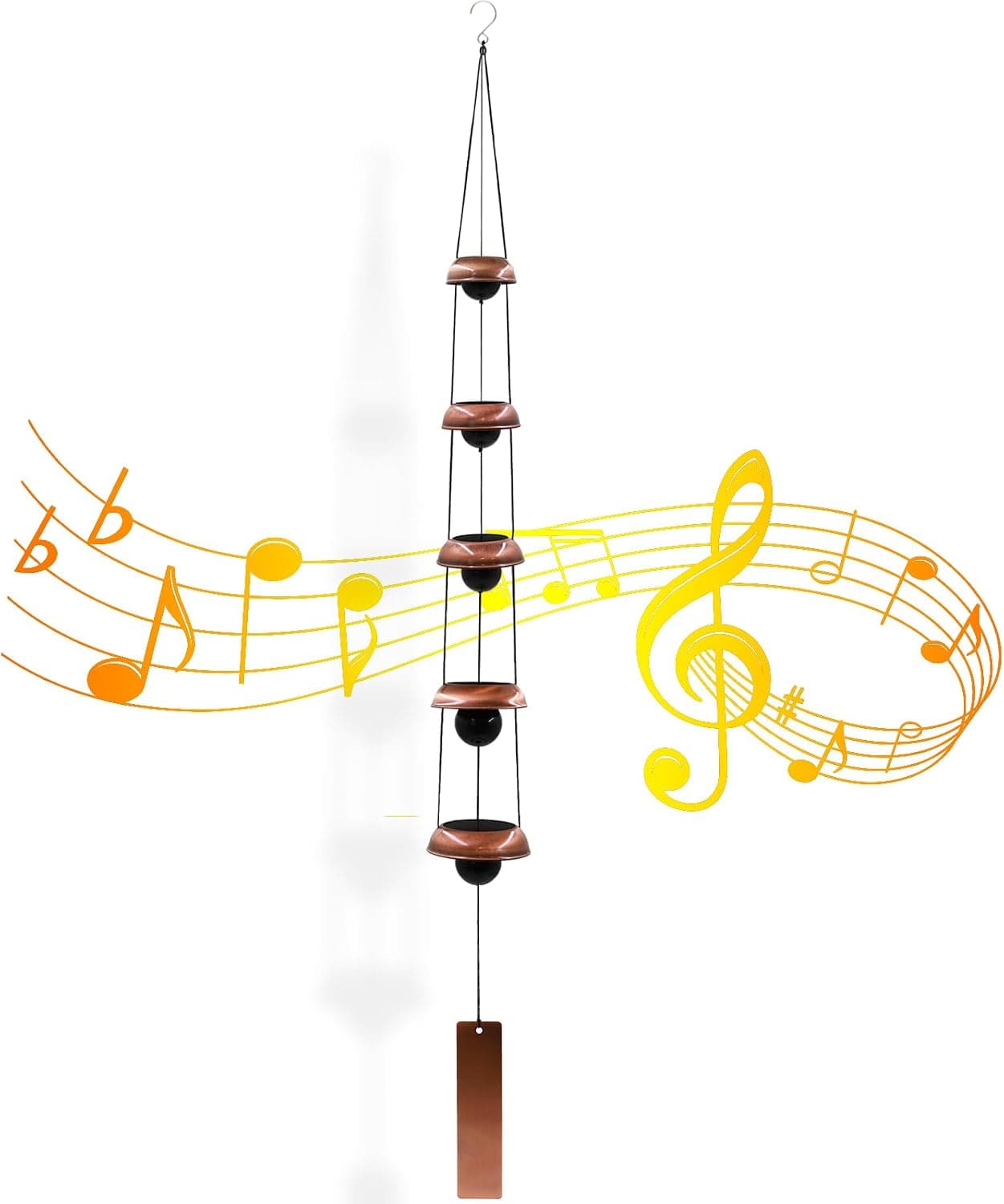
-19%Wind Chimes for Outside with 5 Bell Unique Copper Musical Chimes Feng Shui Wi...
 -5%
-5%YU FENG Evil Eye Money Tree, Blue Feng Shui Decor with Golden Buddha
 -29%
-29%Karma and Luck March Birthstone Crystal Tree of Life, Aquamarine Gemstone Fen...
 -29%
-29%Karma and Luck July Birthstone Crystal Tree of Life, Ruby Gemstone Feng Shui ...
As an Amazon Associate, we earn from qualifying purchases. We only recommend items our practitioners have personally tested.
Continue Your Journey
Explore these related guides to deepen your understanding:


Ready for Deeper Guidance?
Try our free I Ching reading for personalized wisdom, or explore our curated Feng Shui essentials.