A cluttered, dark entry can slow a home down more than you think—and the fix is usually simpler than people expect.
Your house can feel exhausted before you even take off your shoes
Last spring I walked into a narrow townhouse foyer where a black umbrella stand, three mismatched mats, and a stack of unopened mail sat under a dead bulb. The homeowner, a nurse named Elena, told me the whole place felt "heavy by 6 p.m." even though the rest of the house was spotless. She had tried candles. She had tried a lucky ceramic cat on the windowsill. She had even repainted the living room. Nothing helped. Because the problem was not in the living room. It was in the first four feet inside the door.
That is the thing most people miss entirely. The entryway is not a hallway. It is a verdict. And it is being delivered the moment the door swings open.
A strained front-door setup can make a home feel like it is holding its breath. And no amount of expensive furniture deeper inside the house will fix what the threshold gets wrong.
What the entry actually needs to do
People spend money on the wrong fixes. Candles. Fragrance sprays. A lucky object on a console table. Then they stand there wondering why nothing shifts. The entryway is not a decorative afterthought. It is a transition space, and transition spaces either welcome qi or scatter it.
The method is simple, but not simplistic. Your entry should receive energy, slow it slightly, and guide it inward without friction. That means three things: a clear path, a grounded feeling, and a sense that someone actually lives there. Not a showroom. A lived-in threshold.
Start with the most basic test. Stand in the doorway and look in. If your eyes hit a wall of shoes, a bicycle wheel, a leaning broom, or a pile of boxes, you already know why the energy feels agitated. If your eyes hit a blank, lifeless corner, the space may feel abandoned rather than welcoming. Both extremes cause trouble. Different problems. Same result.
Light matters more than most people admit. A dim foyer makes every arrival feel like a descent into fog. A harsh overhead bulb feels like interrogation. The sweet spot is soft, even illumination with enough brightness to eliminate shadows around the door and floor. This one change alone can shift how a home feels within minutes of arriving.
This is where bagua thinking helps, but only if you use it practically. The entry activates the home's first impression and influences the whole flow of qi, especially when the door opens into a long corridor or directly toward stairs. If you are new to this system, the bagua map explanation will help you place the entry in context instead of treating it as an isolated corner.
One more thing people resist: order is not the same as emptiness. A bare hallway with no warmth feels just as wrong as a cluttered one. Think of the best hotel lobby you have ever entered. Clean lines, one focal point, a clear direction, no visual shouting. That is the target.
What most feng shui advice gets wrong about entryways
Most advice tells you to add things. A mirror here. A plant there. A bowl of crystals. A red accent. More, more, more. That is exactly backwards.
Here is the first counter-intuitive truth: a beautiful entry can still be completely wrong. I have seen marble floors, expensive art, and a perfectly placed rug that looked impressive but made the home feel oddly restless. The eye said luxury. The body said no rest here. Beauty and function are not the same thing, and in an entryway, function wins every time.
Second: mirrors are not automatic fixes. The feng shui internet loves mirrors at the entry. But a mirror that reflects the front door directly throws energy back out of the house before it even settles. A mirror that doubles a chaotic scene just amplifies the chaos. The mirror is not magic. It is a tool, and like any tool, it does damage in the wrong hands.
Third: "good luck" objects make things worse when there are too many of them. One well-chosen element is stronger than a shelf crowded with symbols competing for attention. An entry loaded with cures feels needy. Anxious, even. The house is trying too hard, and visitors feel it without knowing why.
Fourth: the floor is doing more work than the walls. Most people obsess over what hangs at eye level and completely ignore what is underfoot. Wrong direction entirely. The rug sets the proportion, the pace, and the welcome. Get the floor right first. Then worry about the walls.
How to set up the space without overthinking it
Begin by removing anything that blocks movement or attention. Shoes should be contained, not spilled. Bags need a home. Packages should not linger for days. If the entry collects objects from the rest of the house, it will behave like a stagnant basin instead of a passage.
Then choose one anchor object and let everything else quiet down around it. A round mirror may work in some homes, but not when it reflects the door directly or doubles a chaotic scene. A bowl for keys, a framed print, or a ceramic lamp often does the job better. It gives the eye a place to settle without bouncing energy back out. If you want to use a plant, choose one that looks healthy and upright. A sad plant does not symbolize growth. It advertises neglect. My practical favorites are covered in this guide to healthier plant placement.
Color should support the function of the space, not dominate it. Warm neutrals, soft earth tones, and one confident accent usually work better than loud contrasts at the threshold. In a cramped entry, too much red or black can feel aggressive. In a large, echoing foyer, a little weight in the palette keeps the room from floating away.
Then look down.
Floors tell the truth. If the rug is too small, it looks timid. If it is curled, dirty, or slippery, it creates subtle resistance every time someone enters. In one apartment I visited, a rust-colored runner kept lifting at the corner near the shoe cabinet. The resident had been dealing with restless sleep for months. We replaced the mat with a flatter, wider one and moved the cabinet six inches to the left. The entrance felt calmer within days. Small change. Big signal.
If you are tempted to place crystals near the entry, do it carefully and for a reason, not as decoration. Some homes do well with a grounded stone near the door, but the object should fit the architecture and not clutter the first sightline. The crystals placement overview goes deeper on this. The entry is not the place to dump every remedy you own.
Furniture belongs only if it earns its space. A slim bench helps people remove shoes and makes the area feel intentional. A bulky console with sharp corners can choke a narrow foyer. I have seen a beautiful walnut table ruin an entrance simply because it was two inches too deep for the room. Pretty is not the same as right.
And do not ignore the transition from outside to inside. If the door opens directly onto a hard, empty wall, soften it with art, a lamp, or a taller object that creates visual movement. If it opens into a hallway, add enough presence near the threshold so the energy slows before it shoots straight through the house. That is the real art of the feng shui entryway: not decoration, but direction.
Common mistakes that keep producing the same result
The first mistake is treating the entry as storage. Shoes, coats, recycling, sports gear, and mail all migrate there. The trouble is not just visual. When the entrance becomes a dumping ground, the house learns to expect interruption before welcome. That is why some homes feel tiring the moment you walk in. For related issues, see the front-door mistakes that quietly drain momentum before you even step inside.
The second mistake is fixing the wrong layer. People repaint walls, buy new rugs, and rearrange furniture while leaving the underlying problem untouched. A dead bulb. A curled mat corner. A plant that has not been watered in two weeks. These small signals override everything else. The eye notices them even when the brain does not.
Big mistake. And it is almost always invisible until someone points it out.
What to do if your entry is tiny or awkward
Small spaces can still work beautifully. Some of the best entrances I have seen were barely wider than a person's shoulders. The secret was restraint. One mirror placed correctly, one source of light, one compact landing spot for keys, one rug that fit the proportions. Not more. Better.
If your door opens directly into the living room, do not pretend the problem does not exist. Use a screen, a console, a bench, or even a shift in rug texture to create a sense of arrival. That first pause matters. Your body needs a moment to shift from outside mode to home mode, and the room should help it do that.
Sometimes the issue is not clutter at all but emotional weather.
I once worked with a retiree named Martin who had a cream-painted hallway with a bare bulb, a dead fern in a blue ceramic pot, and a metal umbrella stand no one ever used. He kept saying the home felt "unfinished," even though every other room was tidy and well-furnished. We changed the bulb to a warmer tone, removed the dead plant, added a small framed landscape at eye level, and placed a woven basket near the door for shoes. The house felt warmer immediately. No drama. No expensive purchases. Just better cues.
A good entrance does not shout prosperity. It signals ease. There is a difference, and most people feel it the moment they walk through a door that gets it right.
FAQ
Should a mirror face the front door?
Not automatically. A mirror can be useful in an entry, but if it reflects the door back at itself or amplifies clutter, it works against the room. Mirrors that expand light without creating a fast bounce of energy outward tend to perform better than mirrors placed directly opposite the entrance.
What if my entryway has no natural light?
Then layered lighting becomes non-negotiable. Use a lamp, a softer overhead source, or wall lighting that spreads evenly instead of spotlighting the floor. Dark entrances make even neat homes feel less inviting, and no amount of decor compensates for poor light.
Can I place a plant near the doorway?
A healthy plant is often a good choice. Upright leaves, a clean pot, enough space that it does not block movement. A struggling plant, though, sends the opposite message. Condition matters more than species.
Do I need expensive decor to make this work?
No. Good entryway energy comes from clarity, proportion, and care, not price tags. A clean rug, proper lighting, and one strong focal point often do more than a collection of ornate objects ever will. Elena, the nurse with the heavy foyer, spent less than thirty dollars on her fix. The dead bulb was the whole problem.
Mei Chen
Traditionally informed guidance • Cross-referenced with classical Chinese source texts
Content draws from both Compass (Luopan) and Form (Xingshi) school traditions. Illustrative examples are composites based on consultation experiences.
Practitioner-Selected Tools for This Topic
Items our team has tested and found effective for the principles discussed above. Individual results may vary.
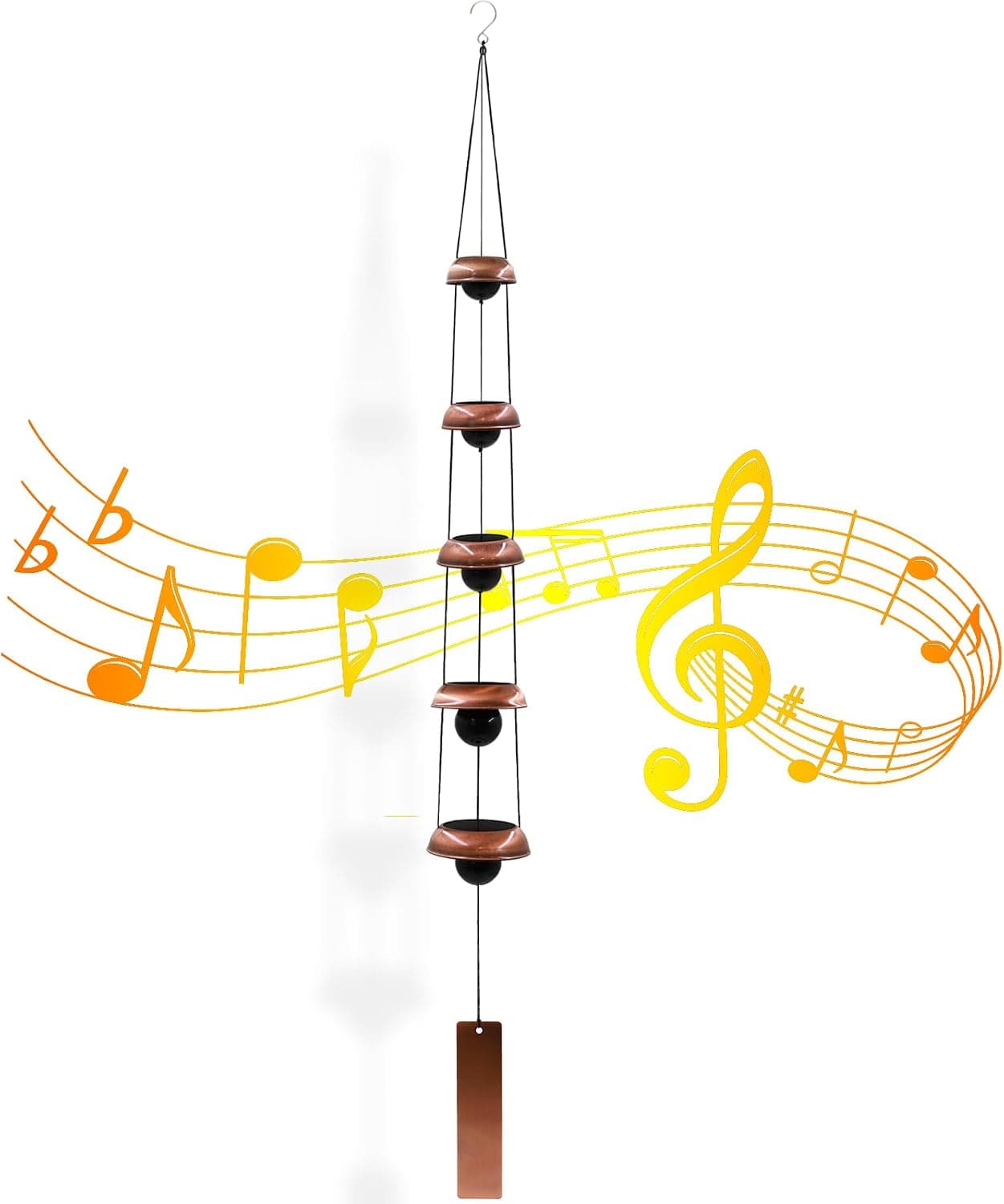 -19%
-19%Wind Chimes for Outside with 5 Bell Unique Copper Musical Chimes Feng Shui Wi...
 -5%
-5%YU FENG Evil Eye Money Tree, Blue Feng Shui Decor with Golden Buddha
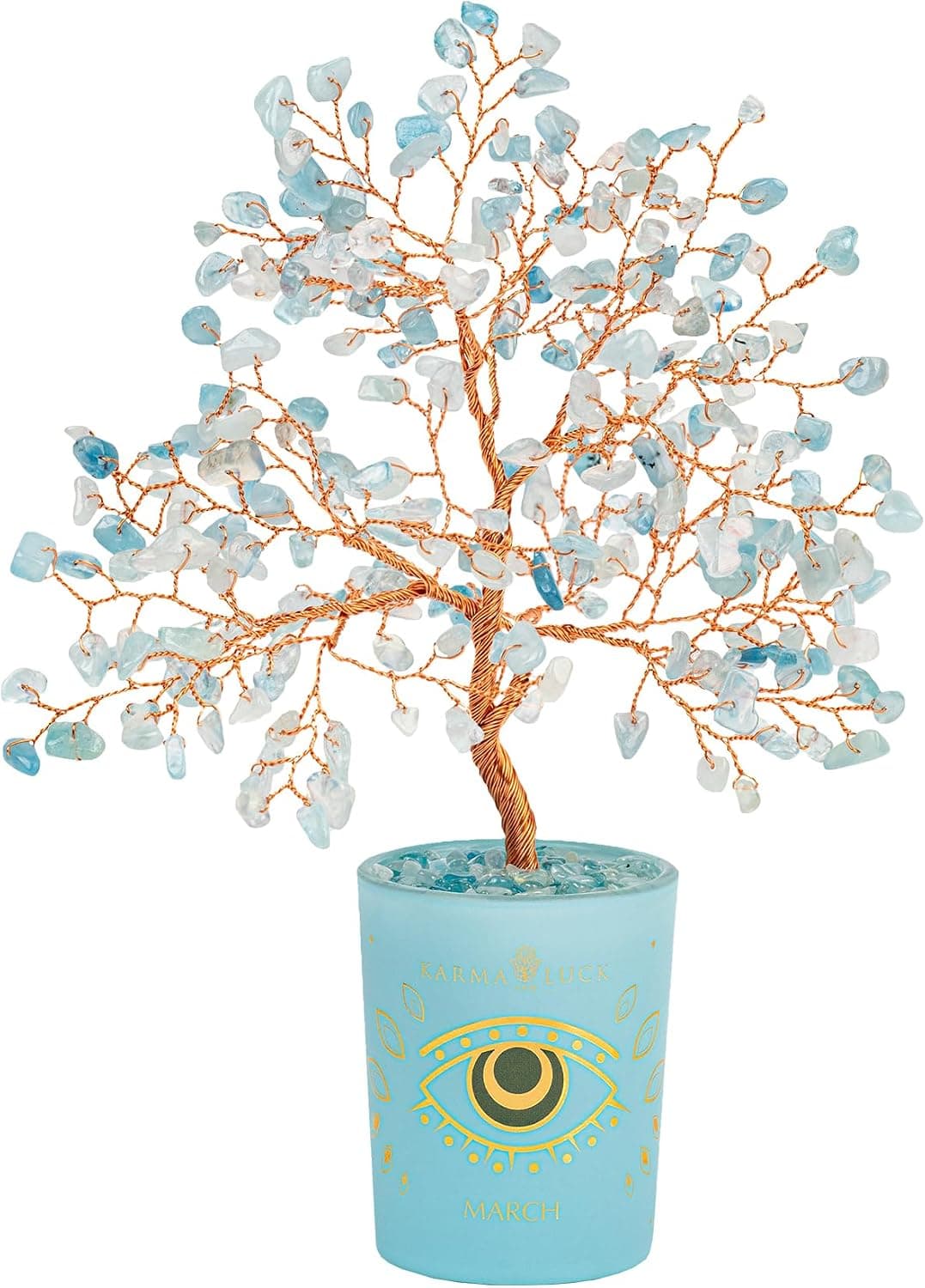 -29%
-29%Karma and Luck March Birthstone Crystal Tree of Life, Aquamarine Gemstone Fen...
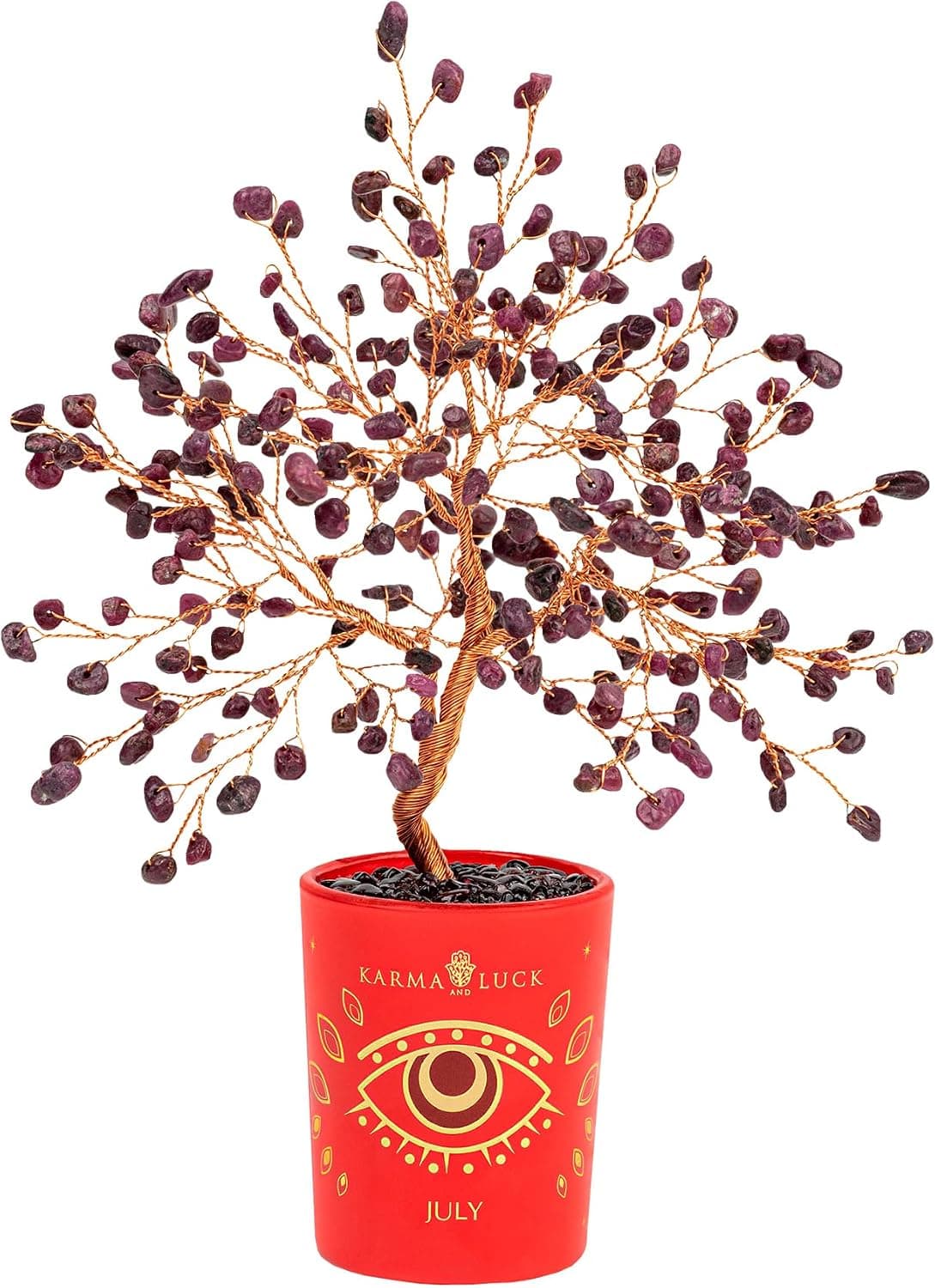 -29%
-29%Karma and Luck July Birthstone Crystal Tree of Life, Ruby Gemstone Feng Shui ...
As an Amazon Associate, we earn from qualifying purchases. We only recommend items our practitioners have personally tested.
Continue Your Journey
Explore these related guides to deepen your understanding:


Ready for Deeper Guidance?
Try our free I Ching reading for personalized wisdom, or explore our curated Feng Shui essentials.