A lucky elephant in the wrong place can make a room feel heavier, not calmer.
The Hidden Truth About elephant placement feng shui
I keep seeing the same scene: a ceramic elephant near a front entry, trunk lifted, carefully angled toward the hall, and the owner still feels blocked, distracted, or oddly tense in the house.
The myth is simple. Put the elephant in, and the symbol will do the rest. Reality is less romantic. An elephant works like a carrier, not a generator, so it amplifies the conditions already in the room.
That matters because a symbol near a narrow corridor behaves differently from one in an open living room. The same object can help a stale corner feel more settled, or it can make a cramped passage feel even more congested. The object did not change. The field around it did.
I've seen this in a townhouse entry with a blue runner, a brass umbrella stand, and a pale gray elephant set on a shoe cabinet just inside the door. The owner had placed it there after reading that elephants “attract protection,” but the cabinet sat directly in the path of the opening door, and every arrival became a tiny collision. Coats landed on the chair, keys vanished under the mail pile, and the space felt rushed before anyone even crossed the threshold. That is the mechanism in plain sight: the symbol sat in a bottleneck, so it inherited the bottleneck's behavior.
Start with the room, not the mascot. Then the object makes sense.
For a broader map of flow and entry pressure, pair this with the front-door layout that shapes arrival energy and the principles in how to map energy in your home without overthinking it. If the elephant sits in the wrong sector, even a lucky symbol can feel like clutter with a pedigree.
Step 1: Understand what the elephant is actually doing
An elephant is not a cure-all. It represents steadiness, memory, and measured force, which means it suits spaces where you want pressure to soften without turning sluggish.
That is why the object often helps in homes with erratic movement, too much visual noise, or a doorway that opens straight into the main room. The form is broad, grounded, and slow to read, so the eye drops instead of skittering. That visual drop matters. The body follows it. Breathing slows. Shoulders lower. The room becomes easier to occupy.
Yet the same quality can backfire when the piece is oversized, shiny, or placed where people need to move quickly. A glass elephant on a narrow shelf beside the kitchen pass-through does not calm traffic; it creates a little snag every time someone reaches for a mug. The object starts broadcasting “careful” where the household needs “clear.”
Placement, then, depends on the job. Ask what the room is doing all day.
Step 2: Match the symbol to the flow problem
If your entry feels thin and exposed, the elephant can act as a visual anchor just inside the door, but only if it has space to breathe. Leave a clean buffer around it. No stacks of shoes. No umbrella tangle. No dangling coats brushing its ears.
In a living room, an elephant belongs where the eye needs a resting point, such as beside a low lamp or on a console away from the main walking line. There the form can gather the room instead of interrupting it. A matte finish tends to read calmer than high-gloss lacquer because it avoids flashing light back into the space.
Bedrooms need more caution. I rarely recommend a large elephant near the bed because its weight can feel like watchfulness, especially if the room already has a heavy headboard or dark curtains. A small one on a dresser may be fine if the rest of the room is airy and the object is not facing directly at the pillow.
One sentence: trunk direction changes the message, but only after placement is right.
For bedroom pressure and visual rest, see the room setup that makes sleep easier and the bedroom rules that affect both sleep and relationships. A symbol cannot rescue a room that keeps tripping over itself.
Step 3: Use the material, scale, and direction intelligently
Material changes the effect because different surfaces reflect different moods. Wood feels warmer and less ceremonious, so it suits family spaces or a child's study. Metal reads sharper and more exact, which can work in a professional office but feel too cool in a room already stripped of softness. Stone or ceramic carries more visual weight and should be used where you need stillness rather than motion.
Scale matters just as much. A hand-sized elephant on a crowded shelf may disappear, but an elephant larger than the cabinet can dominate the room and turn into a visual demand. That demand is the problem. People do not describe it that way, though. They say the room feels “off,” then they stop using the chair near the shelf and never sit there again.
Trunk direction is useful, but not magical. Pointing the trunk upward tends to read as uplift or accumulation. Pointing it inward toward the room can suggest bringing support into the household. Still, if the elephant faces a wall six inches away, the symbolism gets trapped by the wall. A symbol that cannot “see” the room does very little.
One clean rule: let the elephant face open space, not obstruction.
Step 4: Notice when the advice backfires
People love a neat ritual, so they copy what they saw online: pair of elephants by the door, elephant beside the cash register, elephant under the TV, elephant on the window ledge. That feels orderly. It also ignores context. Two elephants by a front door can be fine if the entry is wide, but in a narrow hall they create visual congestion and make the passage feel ceremonial when it should feel easy.
Another common error is using the elephant to cover a problem that should be fixed structurally. A wobbly table, a cluttered corner, or a door that bangs into furniture will not improve because a symbol sits nearby. The room keeps leaking attention through the original flaw. The elephant merely decorates the leak.
Mirrors and elephants are a tricky combination too. A mirror can double the image, which sounds auspicious until the object is reflected in a cramped line of sight and the entrance feels busier than before. In that case, the eye keeps checking the mirror, the hallway feels shorter, and the body stays alert instead of settling.
Don't let decoration pretend to be diagnosis.
For placement errors tied to entry flow, the threshold problem behind wealth corner mistakes is worth reading, because the same mistake repeats there: people treat a symbol like a substitute for spatial order. It never is.
Step 5: Place it for the result you want
Choose the room first, then the outcome. If you want calmer arrivals, place the elephant near the entry but off the direct path, with enough breathing room that people do not brush past it. If you want support in a study, set it on the left side of the desk from the seated position, where the eye can catch it without being blocked by papers.
Need to steady a restless living room? Put one elephant on a sideboard at a gentle angle toward the center of the room, not toward the exit. That helps the object read as gathering rather than scattering. A single piece often works better than a herd because repetition can turn symbolism into noise.
For a child’s space, keep the figure small and friendly, and place it where it can be seen during play but not grabbed every five minutes. Too much interaction turns the symbol into a toy, and once that happens the room stops reading it as support.
Place it where the house already wants to settle.
That idea lines up with broader Chinese metaphysics: form follows the field, and the field follows behavior. If a room already has good circulation, an elephant can make that steadiness more visible. If the room is pinched, dark, or overfurnished, the object gets pulled into the problem instead of solving it.
Which is why the same advice can help one home and fail in another. The object is not the headline. The room is.
Step 6: A real mechanism, not a superstition
Here is the causal chain. First, the eye registers the elephant as a grounded shape. Next, the body slows because the shape suggests weight and stability. Then the room's movement pattern changes as people avoid bumping into the object, pause to look at it, or orient around it. After that, the atmosphere shifts because repeated behavior becomes the room's new habit.
That last part is the one most advice skips. Symbols matter because they train behavior. They do not override physics, and they do not rescue bad layout. They work when they help the room tell a clearer story to the people inside it.
In that sense, an elephant is closer to a cue than a cure. Put it where you want attention to land. Put it where the path is already calm. Put it where the object can support a better habit instead of competing with a bad one.
For a deeper pairing with directional reading, the method in reading a feng shui compass without guessing helps you decide which wall, corner, or sector deserves the weight of a symbol. That article gives the coordinates; this one shows why the placement changes the room's behavior.
What to do when the elephant seems wrong
Move it before you buy another one. Seriously. If the room feels tighter after the elephant arrives, shift it six to twelve inches and clear the surrounding surface. Often the problem is not the object itself but the traffic pattern it landed in.
Try a simpler version if the first piece is too loud. Swap a glossy figure for a matte ceramic one, or trade a large pair for a single smaller piece. A symbol should support the room's rhythm, not perform on top of it.
And if the space is already carrying too many signals, remove the elephant completely for a week. Notice what changes. Do people enter more easily? Does the hallway stop feeling staged? Does the room finally let you drop your keys without thinking about where the trunk points?
That last question matters more than the shopping list.
FAQ
Is conventional elephant placement feng shui advice reliable?
Often not, because most of it ignores the room's actual traffic and scale. A good symbol in a bad bottleneck still behaves like an obstacle, and people feel that before they can explain it.
Should the elephant face the door?
Sometimes, but not by default. Facing the door can make sense in a spacious entry where the figure is meant to receive and hold attention, yet in a narrow hall it can turn the approach into a stare-down.
Can I keep two elephants together?
You can, but only if the surface is wide enough that they read as a pair instead of a crowd. Put them where the room has visual slack, not on a crowded shelf already carrying books, mail, and keys.
What if my elephant feels lucky but the room still feels wrong?
Counterpoint: the elephant may be fine and the layout may still be bad. Check the chair paths, the door swing, and any mirror reflections before blaming the symbol itself; the room usually confesses first.
A small ceramic elephant sits on a walnut console under the hallway lamp, trunk raised, while the shoes stay neatly lined beneath it. The room does not chant anything. It simply stops tripping over itself. Who noticed the shift first, the body or the mind?
Mei Chen
Traditionally informed guidance • Cross-referenced with classical Chinese source texts
Content draws from both Compass (Luopan) and Form (Xingshi) school traditions. Illustrative examples are composites based on consultation experiences.
Practitioner-Selected Tools for This Topic
Items our team has tested and found effective for the principles discussed above. Individual results may vary.
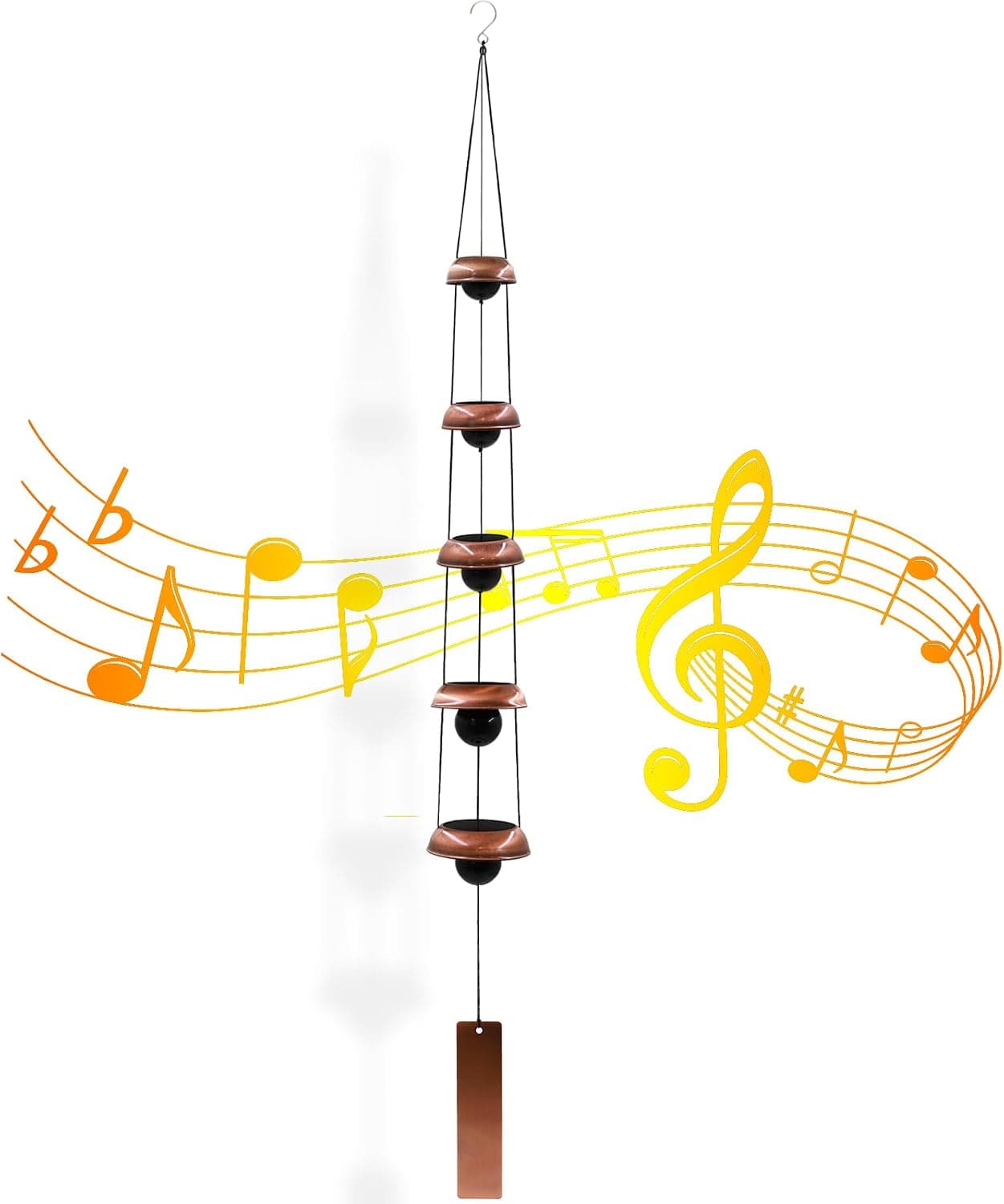 -19%
-19%Wind Chimes for Outside with 5 Bell Unique Copper Musical Chimes Feng Shui Wi...
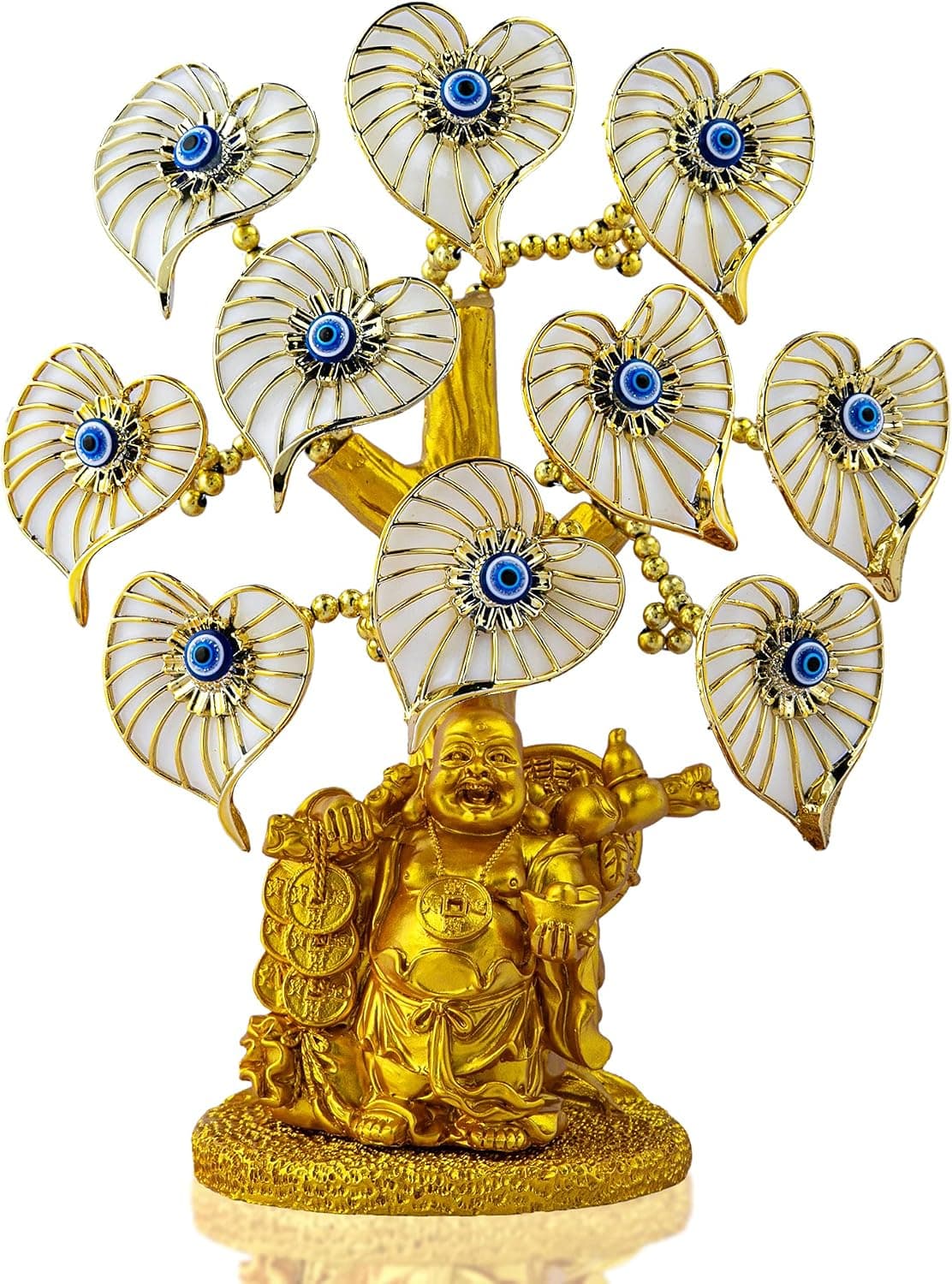 -5%
-5%YU FENG Evil Eye Money Tree, Blue Feng Shui Decor with Golden Buddha
 -29%
-29%Karma and Luck March Birthstone Crystal Tree of Life, Aquamarine Gemstone Fen...
 -29%
-29%Karma and Luck July Birthstone Crystal Tree of Life, Ruby Gemstone Feng Shui ...
As an Amazon Associate, we earn from qualifying purchases. We only recommend items our practitioners have personally tested.
Continue Your Journey
Explore these related guides to deepen your understanding:


Ready for Deeper Guidance?
Try our free I Ching reading for personalized wisdom, or explore our curated Feng Shui essentials.