The elephant in the corner may be fine. The path you walk past it all day might be wrecking the room.
The Real Story Behind Feng Shui Elephant
The popular narrative around Feng Shui Elephant doesn't hold up under scrutiny. People place the elephant, face it toward the door, maybe add a coin, and then wonder why the room still feels tense by 9 p.m. The missing piece is rarely the figure itself. It is the route your body takes around it.
I walked into a cream-colored living room last spring where a brass elephant sat on a walnut sideboard, trunk raised, exactly as the owner had read online. The problem was the traffic pattern: every trip from the sofa to the kitchen cut directly in front of it, then pinched between the coffee table and a floor lamp. By the second week, the owner had started taking the long way around the room without thinking, and that tiny detour changed everything.
That is the part most advice skips. The object matters, sure. The room’s movement map matters more. Mapping a home without overcomplicating it shows you where the pressure builds, and once you see that, the elephant stops being a decoration and starts becoming part of a larger current.
Big mistake.
Many readers assume a symbolic cure works in isolation. It does not. In real homes, the body votes first. If your hallway funnels you into a tight turn, if the dog bowls sit where your hips have to twist, if the laundry basket blocks the left side of the path, the room teaches urgency before it teaches calm. That’s why someone can follow all the usual elephant advice and still feel scattered, restless, or oddly annoyed every time they cross the space.
A room centered correctly can handle a statue, a plant, or a pair of cushions. A room with bad movement cannot. You feel it in the shoulders. You see it in the way mail lands on the console, then migrates to the chair, then gets buried under a scarf and a charger.
Why the Walking Path Changes Everything
Movement is not a side issue. It is the first impression the room makes on your nervous system. A clean path, wide enough to pass without brushing furniture, tells the body there is room to breathe. A squeezed path keeps the body slightly braced. Not dramatic. Just enough to raise the volume on every little irritation.
That is why the same elephant can feel supportive in one home and oddly heavy in another. In a narrow entry, the figure becomes part of the bottleneck. In a broad study, with open space around it and a clear line to the room’s center, it can feel grounded rather than intrusive. Position matters, but so does the flow around it.
During a consultation in a navy-and-ivory apartment in Brooklyn, I found a ceramic elephant on the right edge of a bookshelf near the front door. Nice piece. Terrible placement. The family used that hallway as a shortcut from the entry to the kitchen, and the mother kept clipping the bookcase with her tote bag. Once we moved the figure two feet inward and cleared the pinch point, she said the apartment felt quieter within a day. Nothing mystical happened on cue. The space simply stopped asking her to brace herself.
Here’s the surprise: people often blame the object when the route is the real offender. The path tells you where the room is fighting your attention. If the elephant sits in that conflict zone, the symbolism gets tangled with friction. If it sits near a stable stretch of wall, away from daily collisions, it can do its job without competing with your footsteps.
In feng shui terms, this is about qi moving smoothly rather than slamming into a stop. In plain language, it means your room should not make you sidestep a stool every time you carry a glass of water. That sounds small until you live with it for a month.
Why the Conventional Advice Persists
Because it looks tidy. A single object is easier to photograph than a circulation pattern. Advice columns love a neat fix: place the elephant here, face it there, buy the shiny version, done. Real houses are messier. Real people carry backpacks, toddlers, groceries, and unfinished conversations through the same ten-foot stretch.
The other problem is that symbolic cures are easier to sell than spatial discipline. It is much simpler to tell someone to add an elephant than to ask them to move the bar cart six inches, remove the ottoman, and stop letting shoes pile up in the entry. Yet that six inches can decide whether a room feels fluid or snagged.
Kitchen layouts that keep edges under control teach the same lesson in a harsher form: placement is not just about meaning, it is about behavior. A blade in the wrong reach changes the way you move. So does an elephant in the wrong lane.
Wrong.
The old rules survive because they contain a partial truth. Elephants do carry cultural meaning in Chinese metaphysics, especially around steadiness, protection, and the ability to hold space. But meaning without context is decoration. Context without movement is also incomplete. You need both, and the path comes first more often than people want to admit.
So yes, conventional advice can work when the room already has room. In a generous foyer, an elephant near a stable wall may reinforce a sense of welcome. In a cramped passage, the same cure can become one more thing you are forced to dodge. That is not failure of the symbol. It is failure to read the room.
How to Place It So the Room Stops Fighting You
Start by walking the space slowly, as if you are carrying a tray of tea. Notice where your shoulder turns. Notice where your foot shortens its step. That is the traffic pattern. Put the elephant where it can be seen without interrupting that line, usually beside a wall, not at the bend where your body already works harder.
For a foyer, give it breathing room near the side rather than the center strip of travel. In a living room, keep it out of the straight shot between the sofa and the exit. In a study, a desk-side shelf works better than the floor at your knees, because the figure should support focus, not become another object the chair leg brushes every hour.
Size matters too. A large carved piece in a narrow apartment can dominate the route and make the room feel smaller than it is. A modest ceramic or brass piece on a console can signal steadiness without taking over the flow. If the elephant has a trunk-up design, that detail may read as more uplifting, but the room still decides whether the effect lands.
Color changes the mood as well. A pale stone elephant near a bright window may feel airy, while a dark bronze one in a dim hall can add weight. Neither is automatically better. Ask what the room already has too much of: shadow, glare, clutter, or interruption.
And do not ignore what sits beside it. A heap of receipts, a dead plant, or a stack of unopened envelopes will drag the whole arrangement down. I have seen a white elephant on a lacquered table lose all authority because the table was sharing space with spare batteries and three random keys. That is not subtle.
A calmer bedroom arrangement follows the same principle: support the body first, symbolism second. If the route from bed to door feels smooth, the room already does half the work. If it does not, the cure has to be moved, not merely admired.
Useful placement is often boring. Good. Boring rooms sleep better, argue less, and stop making you think about where to put your elbow every time you cross them.
What to Check Before You Buy Another Cured Object
Before adding anything new, look at the room at the exact times you actually use it: morning, after work, late at night. You will catch different problems each time. Morning traffic exposes bottlenecks near the kitchen or entry. Evening traffic exposes the places where you trip over the same shoe, basket, or laptop charger again and again.
Ask one blunt question: does this object support movement, or does it interrupt it? If it interrupts, the symbolism gets diluted fast. If it supports movement, then the figure has a chance to do what people hope it will do.
Some homes also need less display and more space. That surprises people, because we are trained to add. Add the plant. Add the mirror. Add the elephant. Yet a sparse corner can be more effective than a crowded one, especially if the room already feels busy before you enter it.
Wealth corners that quietly lose momentum often fail for the same reason: too much emphasis on a symbol, not enough attention to how the room gets used. If your wallet lands there, if the laundry basket sits there, if traffic cuts through there, the so-called cure is working against the daily pattern instead of with it.
When the Conventional Advice Actually Works
There are times to follow the familiar guidance. If the room has a clear perimeter, if the path is open, and if the elephant can sit where it is seen but not bumped, the classic placement can be excellent. The figure then reads as steady, watchful, and composed rather than crowded.
That matters in guest spaces, wide entries, and offices where the circulation is calm. In those cases, a well-chosen elephant can reinforce the atmosphere you already built.
Still, I would rather see a plain room with an easy path than a decorated one with constant collisions.
Why? Because the body is a blunt instrument. It notices strain before it notices symbolism. A room that makes you pivot, crouch, or squeeze through will keep teaching tension, no matter how expensive the cure.
So start with the route. Then choose the object. Then check whether your own habits fit the setup. That order changes results more than most people expect, and it is exactly why some homes feel settled after a single move while others stay restless despite every right-looking accessory.
FAQ
Is conventional Feng Shui Elephant advice reliable?
Often not on its own. The advice can be fine if the room already has clean circulation, but once the walking path is cramped, the object becomes secondary. I would trust the room’s movement more than a generic placement rule.
Should the trunk face the door?
Sometimes that works, but not as a universal law. A trunk facing the door means little if the elephant sits in a bottleneck where everyone brushes past it. The better question is whether the piece can be seen without interrupting your route.
What if I already bought one and it feels wrong?
Move it before you replace it. Try a wall-side shelf, a console with open floor in front of it, or a spot where your daily path does not bend around it. The wrong feeling usually comes from friction, not from the object itself.
Can a small elephant still matter?
Yes, especially in a compact room. Small objects can still alter how the eye and body move through a space. A tiny figure on a narrow passageway shelf can be more disruptive than a larger one placed with room to breathe.
Does material matter more than location?
Material matters, but not first. Brass, ceramic, stone, or wood will all look and feel different, yet the placement decides whether the room uses that presence well. A beautiful object in the wrong lane still creates drag.
What should I check before keeping one in my home?
Walk the room three times a day and watch where you hesitate. If the elephant sits near that hesitation point, relocate it. The quietest rooms are often the ones where the path disappears under your feet, and you only notice the still brass shape when the afternoon light lands on its back.
Mei Chen
Traditionally informed guidance • Cross-referenced with classical Chinese source texts
Content draws from both Compass (Luopan) and Form (Xingshi) school traditions. Illustrative examples are composites based on consultation experiences.
Practitioner-Selected Tools for This Topic
Items our team has tested and found effective for the principles discussed above. Individual results may vary.
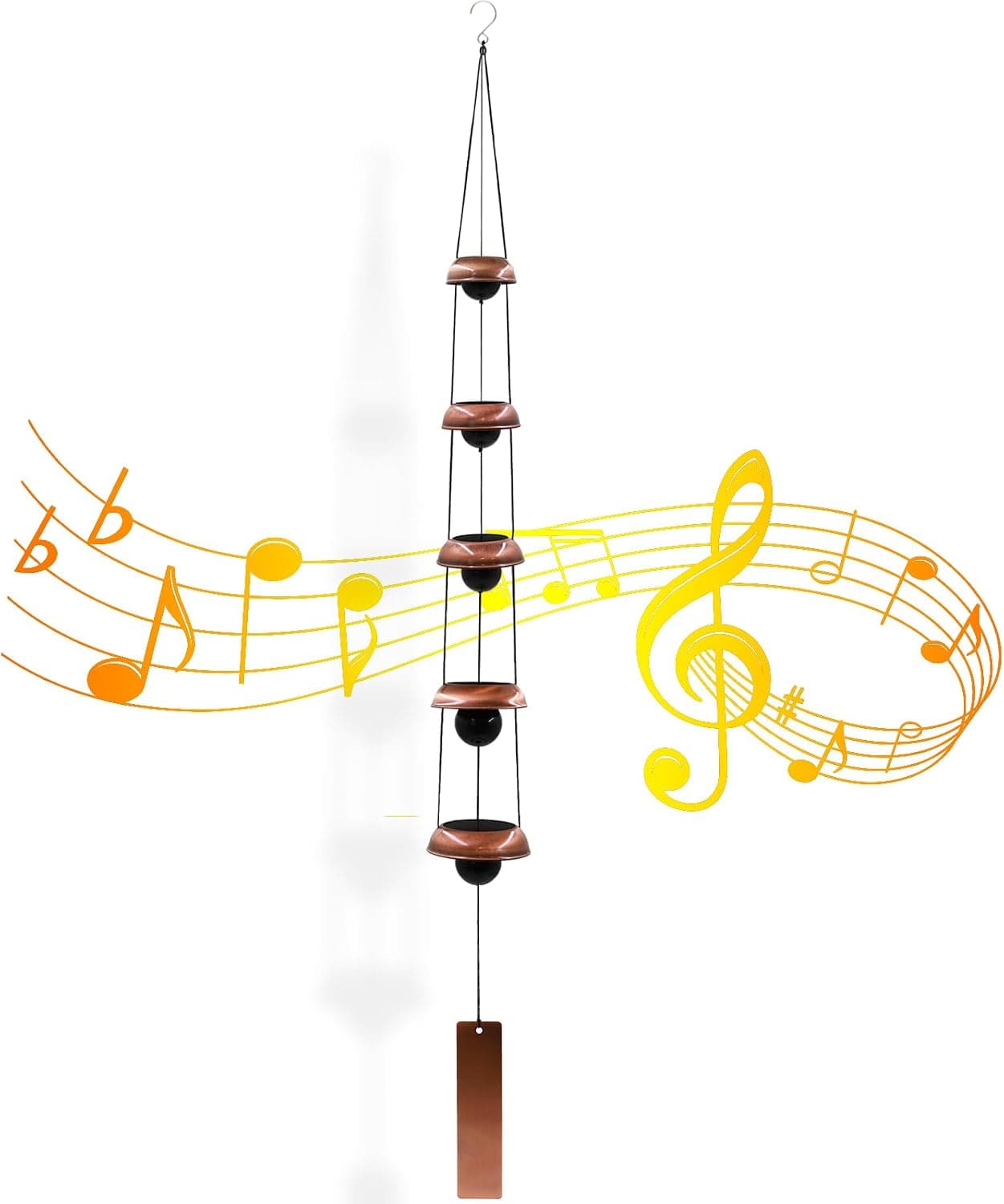 -19%
-19%Wind Chimes for Outside with 5 Bell Unique Copper Musical Chimes Feng Shui Wi...
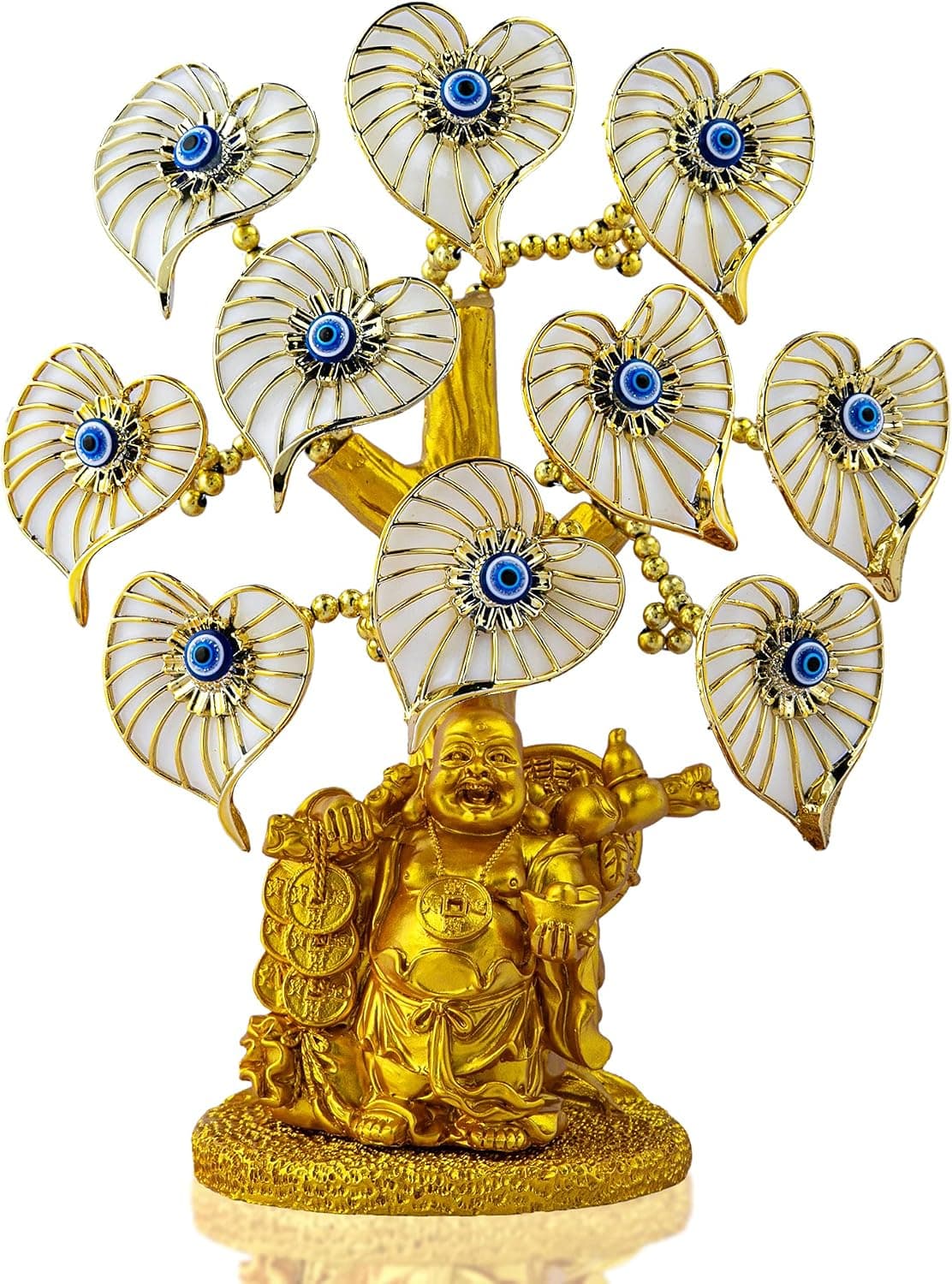 -5%
-5%YU FENG Evil Eye Money Tree, Blue Feng Shui Decor with Golden Buddha
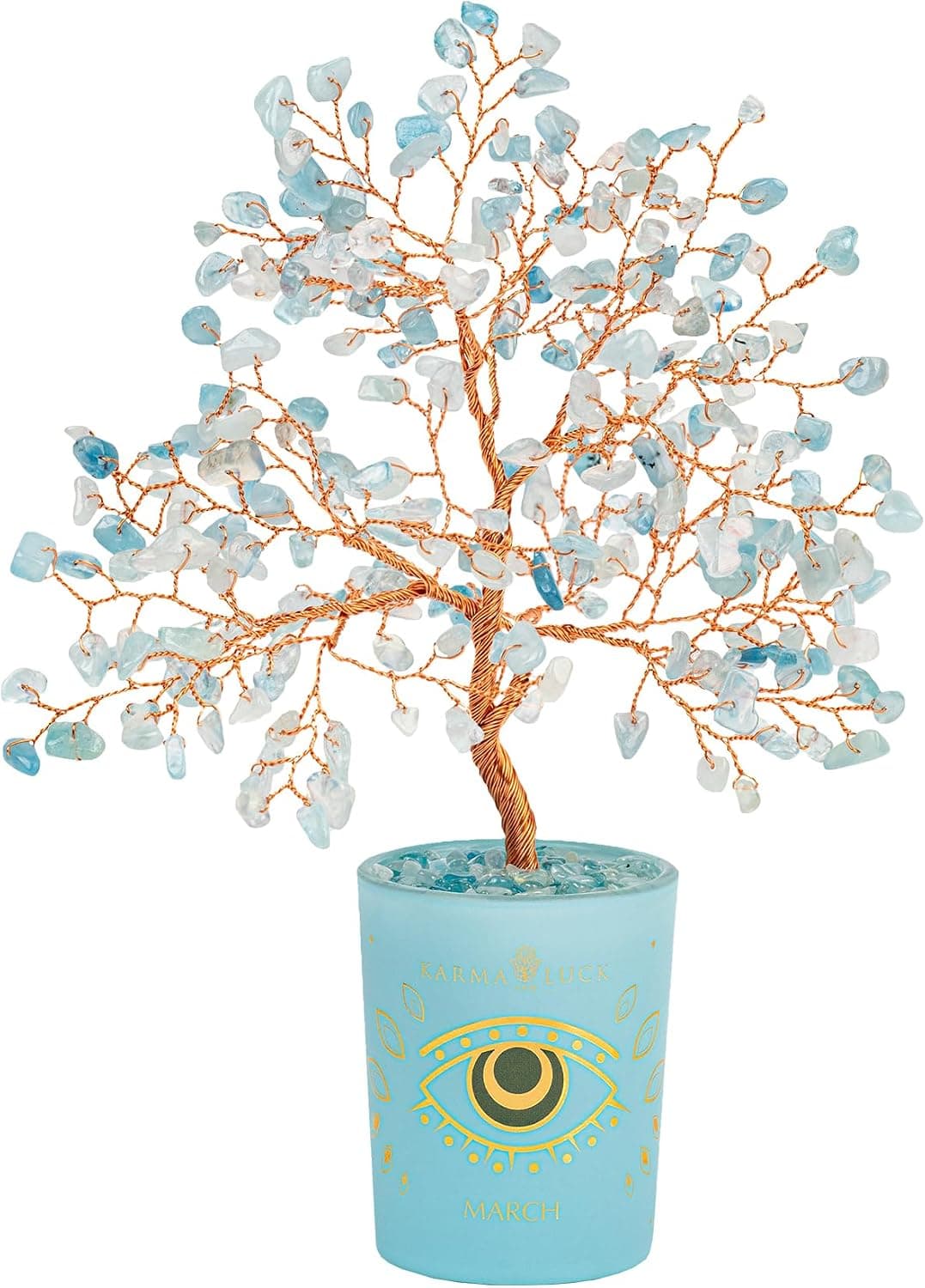 -29%
-29%Karma and Luck March Birthstone Crystal Tree of Life, Aquamarine Gemstone Fen...
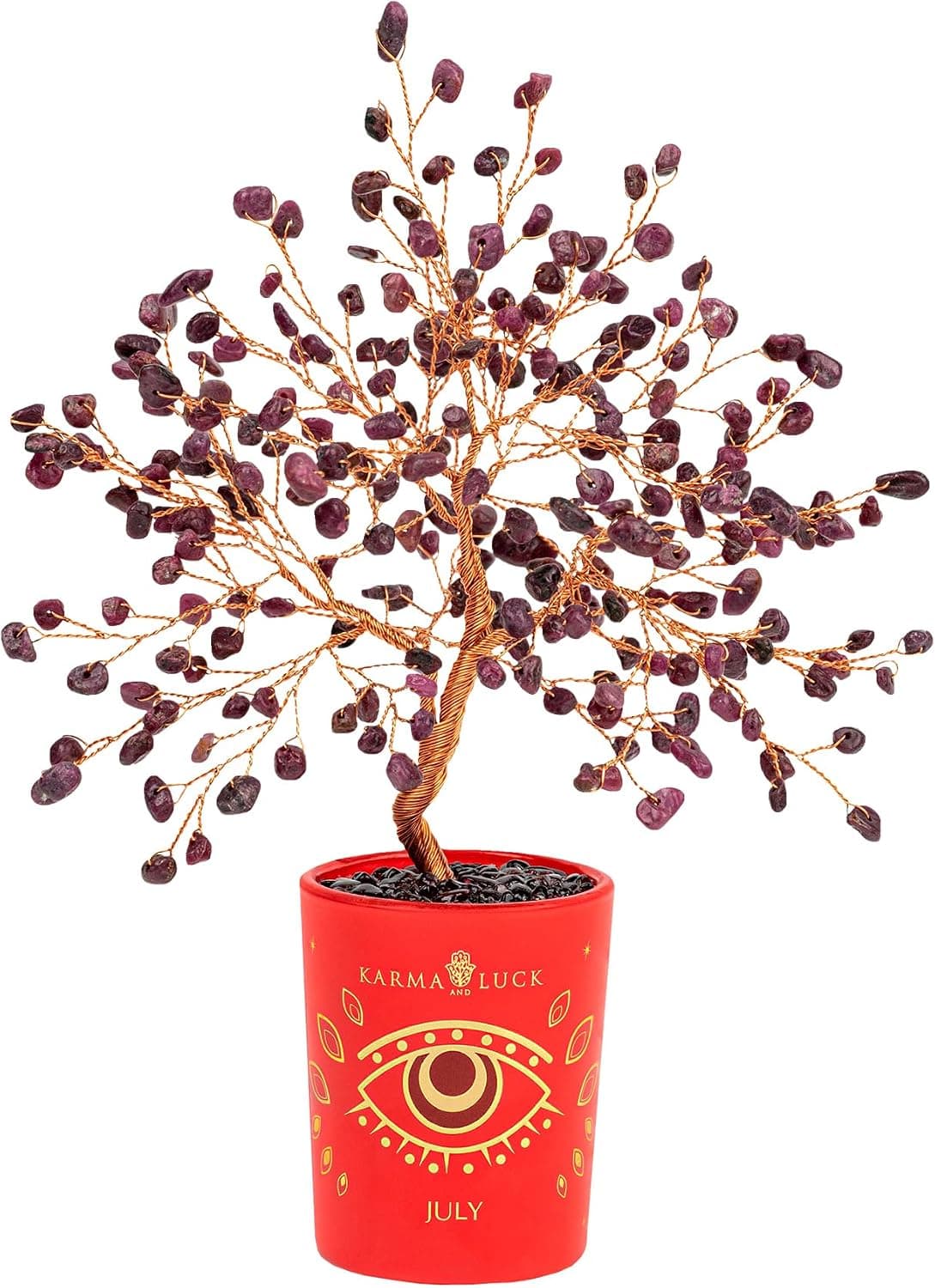 -29%
-29%Karma and Luck July Birthstone Crystal Tree of Life, Ruby Gemstone Feng Shui ...
As an Amazon Associate, we earn from qualifying purchases. We only recommend items our practitioners have personally tested.
Continue Your Journey
Explore these related guides to deepen your understanding:


Ready for Deeper Guidance?
Try our free I Ching reading for personalized wisdom, or explore our curated Feng Shui essentials.