One weak element can make a room feel restless, cold, or oddly flat.
The corner that kept making people sit down and leave too fast
I walked into a narrow dining room in Portland last spring and saw the problem immediately: a black metal chandelier, gray walls, one red chair, and a heavy oak table shoved under a bright window. The owner, a nurse named Elena, said family dinners kept ending early and conversation felt “strangely sharp.” She had tried candles, then a diffuser, then rearranging the chairs. None of it fixed the mood.
The room was not broken. It was underfed. When the balance of bagua map areas and elemental qualities is off, people feel it as irritability, drift, or a strange need to escape. That sounds abstract until you sit in a room that has too much metal and not enough warmth. Then it becomes obvious.
Here is the part many homeowners miss: balance is rarely about adding more stuff. It is about correcting the dominant note. A room can look beautiful and still behave badly.
In Elena’s dining room, the steel light fixture was visually elegant but energetically severe. The gray paint flattened everything. Even the lone red chair, instead of warming the space, looked like an argument. We changed only three things: a warm linen runner, a deeper amber bulb, and one round ceramic bowl with seasonal fruit. Within a week, she told me dinner had stretched from twenty minutes to nearly an hour. Same table. Same people. Better qi.
What the five elements are doing when nobody is looking
The Chinese five-element model is not a decorating gimmick. It is a way of reading how qualities interact: Wood expands, Fire activates, Earth stabilizes, Metal refines, and Water cools and collects. When people talk about living room energy or a “good vibe,” they are usually feeling one of these dynamics, even if they do not know the language for it.
Wood shows up in tall shapes, columns, plants, vertical lines, and growth. Fire appears in light, candles, triangles, red, orange, and anything that creates visibility. Earth is square, grounded, beige, yellow, ceramic, stone, and stable. Metal is circular, white, gray, silver, precise, and clean-edged. Water is reflective, flowing, dark, black, blue, and fluid. None of these is “good” or “bad” on its own. The trouble starts when a room becomes one-note.
I’ve seen dozens of bedrooms where people complained about sleep, then showed me rooms that were 80 percent Water and Metal: charcoal bedding, mirrored closets, black-out shades, silver lamps, polished floors. Beautiful? Often. Restful? Not always. Those rooms can feel emotionally cool, even when the temperature is fine.
And before anyone assumes fire is always the villain, no. A weak, under-lit room often needs more Fire, not less. People who are exhausted sometimes keep a home so muted that it behaves like a cave. That can be just as problematic as too much stimulation.
How each element changes a room’s behavior
Think in terms of mood, movement, and human behavior. Wood encourages initiative. It is useful where you need momentum: a study nook, a breakfast corner, a project table. Fire supports attention and social warmth. It helps in places where people gather, talk, and make decisions. Earth slows things down in a useful way; it helps a room feel settled, safe, and less reactive.
Metal sharpens. Too little, and a room can feel fuzzy or unfinished. Too much, and it can become overcontrolled, sterile, or emotionally thin. Water is excellent for depth, restoration, and reflection, but too much can encourage indecision or mental fog. This is why someone can love a space and still not use it well. The room’s behavior is off by a degree or two, and that is enough.
One of the best ways to read a room is to ask what people do in it. Do they linger? Do they avoid eye contact? Do they talk loudly and then leave quickly? Do they sit down and get sleepy? Those are all clues. The room is teaching the body something.
a balanced bedroom setup often needs more Earth and less Fire, while a dead, forgotten corner may need a little Fire or Wood to wake it up. That is not mystical language. It is practical observation.
Practical application: how to correct an imbalance without overdecorating
Start by naming the room’s current dominant element. Do not guess based on one object. Look at color, shape, material, light, and behavior together. A white kitchen with chrome fixtures and glossy cabinets usually leans Metal. A room with tall plants, wood furniture, and vertical art leans Wood. A navy den with mirrors and low lighting leans Water.
Then ask what the room needs more of, not what it lacks in a shopping sense. If a room is too sharp, soften it with Earth: stoneware, woven textures, square forms, sandy colors. If it is too flat, add Fire: warmer bulbs, a lamp with a shade that throws light upward, or a touch of red, coral, or terracotta. If it is too scattered, add Metal: clearer edges, white space, round forms, and a sense of precision.
Use restraint. One strong addition often beats five decorative ones. A single brass lamp can do more than a shelf full of “feng shui” objects. That surprises people because they expect cure by accumulation. Real adjustment is usually quieter.
Here is a simple room-by-room method I use:
1. Stand in the room and write down the first three words that describe it.
2. List the dominant colors, materials, and shapes.
3. Decide whether the room feels too hot, too cold, too stiff, too soft, or too empty.
4. Add one balancing element only.
5. Live with it for a week before changing anything else.
If you want to go deeper, pair this with the placement logic in how a front entry sets the tone for the whole home. The entry often reveals whether the home is receiving energy cleanly or already overloaded before people even walk farther inside.
Another practical point: do not force every room to contain all five qualities equally. That is not the goal. A meditation corner should not feel like a party room. A kitchen should not feel like a library. Good feng shui elements work like seasoning. You adjust for the dish.
When balance becomes visible in real life
I once worked with a retired architect in Santa Fe who insisted his study was “perfectly minimal.” It had a concrete desk, two steel shelves, slate walls, and a single black leather chair. He loved the look. He also admitted he could only work for short bursts and kept wandering into the kitchen for tea. We added a wooden tray, a warm lamp, and a small framed landscape in ochre tones. Two days later he said the room felt “less like an airport lounge and more like a place where thoughts could land.” That is exactly the point.
People think energy work must be dramatic to be real. Often it is the opposite. A room becomes easier to use after one color shifts, one hard edge softens, or one material stops dominating every other material in the room.
For that reason, I treat the five-element system as a diagnostic tool first and a decorative framework second. If you know what a room is already doing, you stop fighting symptoms and start correcting causes.
How this connects back to the wider feng shui method
The element system is not separate from the rest of the practice. It sits inside the larger map of location, direction, function, and flow. If you understand the elemental balance but ignore room function, you will still make mistakes. A wealth corner filled with cold metal may look polished and still feel uninviting. A bedroom packed with bright Fire may feel lively and still ruin sleep. The method works best when you read the room as a whole, not as a list of symbols.
That is why I keep sending readers back to the basics of layout, entry, and room purpose. The best results come when the elements support the activity happening there. If you want the broader framework behind this, the core feng shui reference for beginners can help you see how the pieces connect without turning the home into a museum of lucky objects.
Once you see it, you cannot unsee it. The wrong room feels “off” before anyone can explain why. The right room makes people exhale.
FAQ
How do I know which element my room needs most?
Start with the room’s behavior, not your favorite color. If it feels cold or overly precise, it likely needs Fire or Earth. If it feels stale or stuck, Wood or Water may help move it again.
Can I add all five elements to every room?
You can, but you usually should not force equal amounts. A bedroom should lean calmer than a kitchen, and a home office should support clarity more than relaxation. Balance is contextual, not mathematical.
Do expensive items create better results?
Surprisingly, no. A $20 lamp that warms the light and changes the mood can outperform a costly object that does nothing for the room’s energy. Function beats price every time.
Should I follow the elements or my personal taste?
Use both, but let the room’s purpose lead. Taste matters, because you have to live there. Yet if a beautiful choice makes the space harder to use, the room is telling you to adjust.
Mei Chen
Traditionally informed guidance • Cross-referenced with classical Chinese source texts
Content draws from both Compass (Luopan) and Form (Xingshi) school traditions. Illustrative examples are composites based on consultation experiences.
Practitioner-Selected Tools for This Topic
Items our team has tested and found effective for the principles discussed above. Individual results may vary.
 -19%
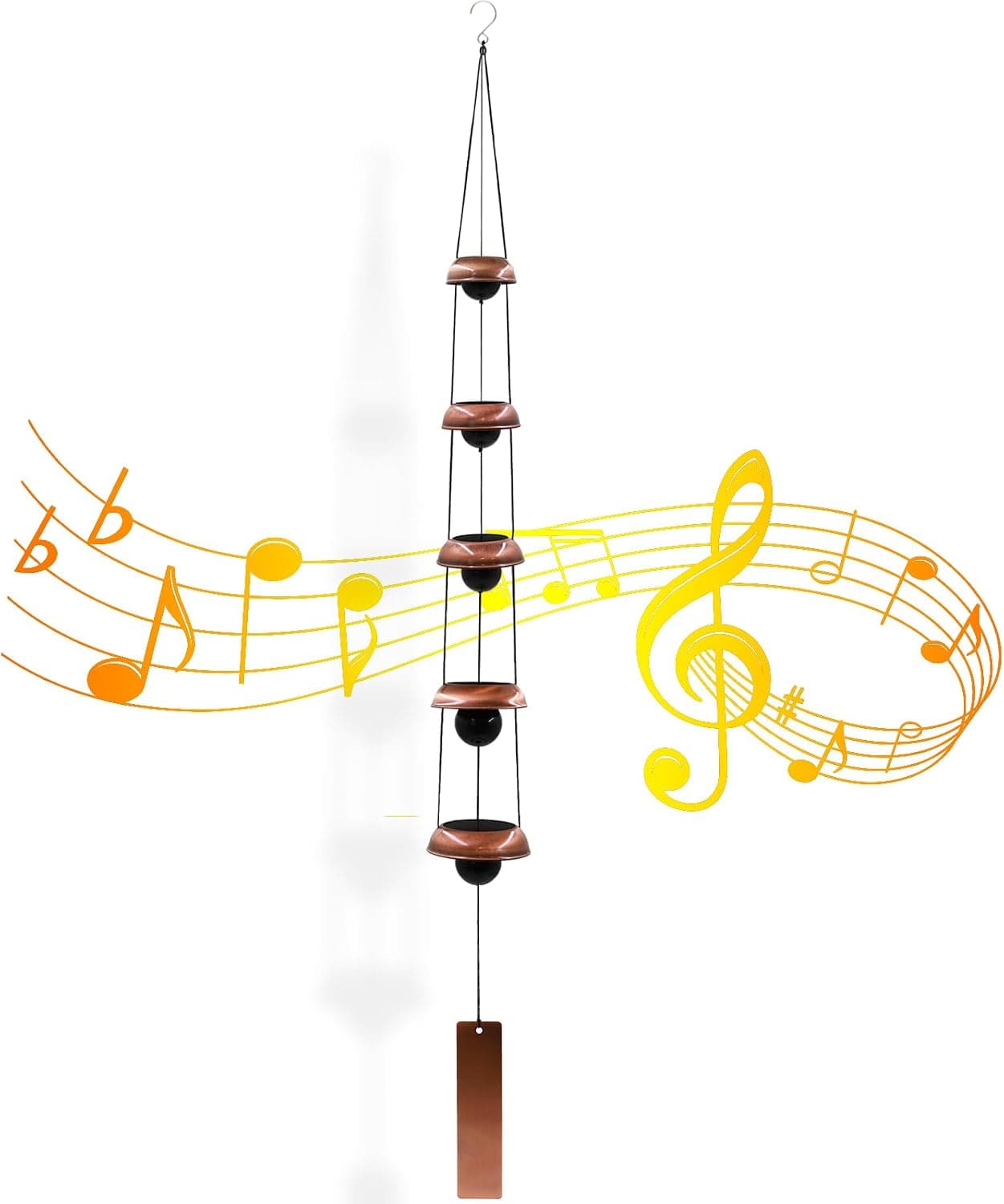
-19%Wind Chimes for Outside with 5 Bell Unique Copper Musical Chimes Feng Shui Wi...
 -5%
-5%YU FENG Evil Eye Money Tree, Blue Feng Shui Decor with Golden Buddha
 -29%
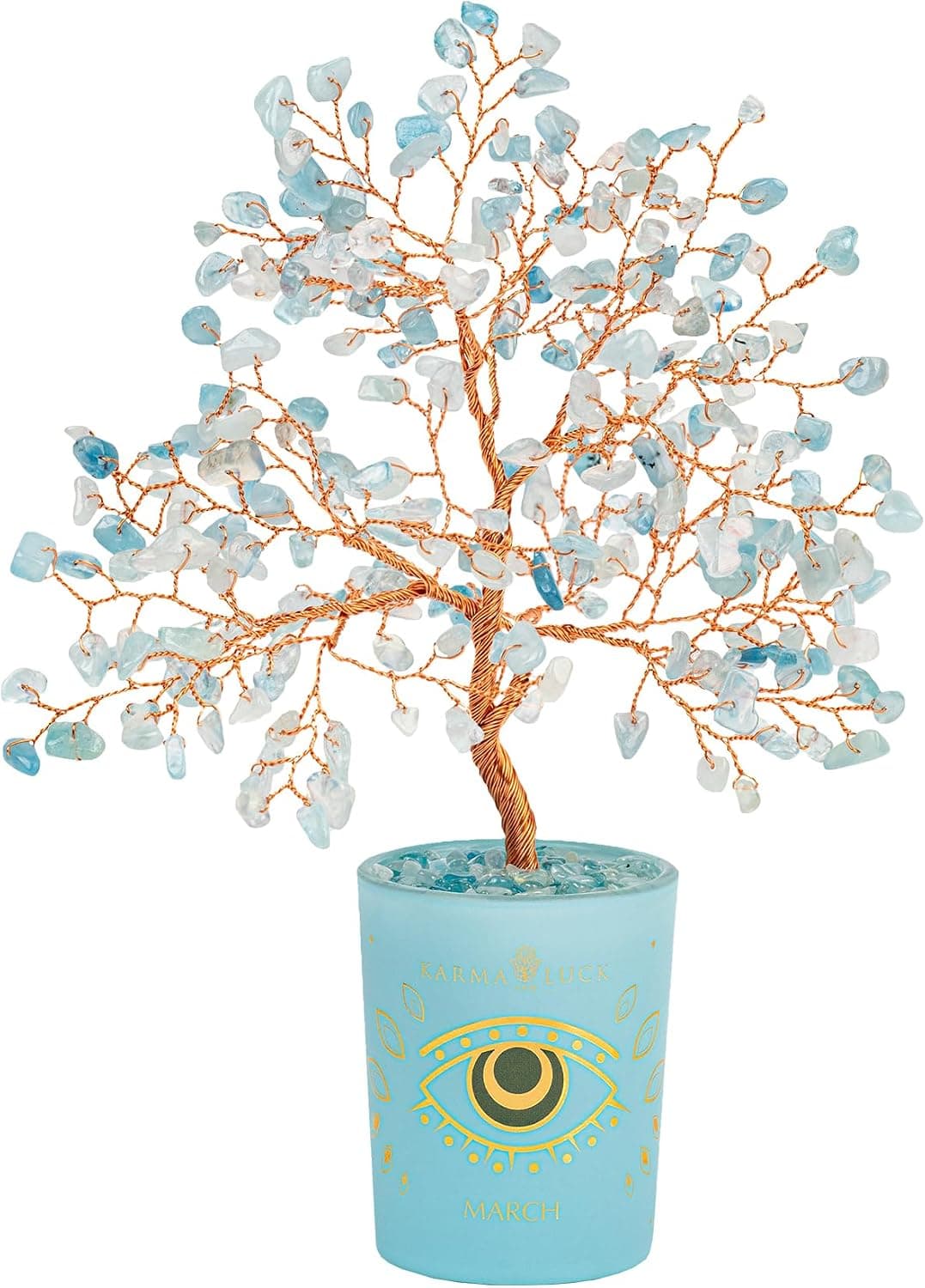
-29%Karma and Luck March Birthstone Crystal Tree of Life, Aquamarine Gemstone Fen...
 -29%
-29%Karma and Luck July Birthstone Crystal Tree of Life, Ruby Gemstone Feng Shui ...
As an Amazon Associate, we earn from qualifying purchases. We only recommend items our practitioners have personally tested.
Continue Your Journey
Explore these related guides to deepen your understanding:


Ready for Deeper Guidance?
Try our free I Ching reading for personalized wisdom, or explore our curated Feng Shui essentials.