Your room can look right and still feel wrong when the five elements are out of balance.
The shelf above the radiator is a liar
I once walked into a terraced house in Bristol where everything looked tidy: pale walls, a cream sofa, one tidy stack of books, and a single red lamp on a narrow side table. The owner, a teacher named Helen, kept saying the same thing: “I’ve cleaned this room twice a week for a year, and I still feel on edge here.”
The problem was not clutter. It was the way heat, color, shape, and material were arguing with each other. The radiator threw upward heat, the red lamp amplified it, and the sharp metal legs of the coffee table added a restless, slicing quality that never let the room settle. That is where a proper bagua map reading helps, but the deeper fix often comes from checking the element balance first.
People love shortcuts. They want one lucky plant, one crystal, one mirror. The room usually needs something simpler and harder to sell: fewer things fighting for attention.
And that is why a feng shui element chart matters. Not as decoration. As diagnosis.
What the five elements are really doing
Wood, Fire, Earth, Metal, and Water are not just poetic labels. They describe different kinds of movement, temperature, density, and tone in a space. Wood expands. Fire rises. Earth steadies. Metal refines. Water collects and flows.
When I look at a home, I am not asking whether the owner owns enough “elemental objects.” I am asking what the room feels like when you stand still for ten seconds. Is it dry and aggressive? Heavy and sleepy? Scattered and unfinished? Those clues tell you more than a shopping cart full of cures.
A room can have too much Fire even if there is no literal flame. Strong reds, sharp lighting, electronics, glossy surfaces, and triangular shapes all push energy upward and outward. A room can be overloaded with Water without a single aquarium in sight: dark blues, too many reflective surfaces, mirrors, and a lot of visual depth with no grounding.
That is where many Western readers get surprised. They think elemental feng shui is about matching colors to a chart. It is not. It is about noticing how a room behaves over time, especially after the first five minutes when the novelty wears off.
If you want a fuller foundation for how spaces are read, the best feng shui book approach is usually the one that teaches observation before decoration.
How imbalance shows up in ordinary rooms
Too much Wood often looks “healthy” at first: lots of green, tall plants, vertical lines, bamboo textures, and stacked books. But excess Wood can make a room feel impatient. I have seen this in a home office with three large plants, a green rug, and a wall of open shelving. The owner felt restless every afternoon and could not finish emails without pacing.
Too much Fire is easier to spot. The room gets loud, even when no one is speaking. Red accents, dramatic art, exposed bulbs, and high-contrast patterns can make sleep difficult and conversations shorter. You do not need a dragon motif for this. One hot pink throw blanket in the wrong room can be enough.
Earth excess feels safe for about a week, then it starts to feel stuck. Beige everywhere. Heavy furniture. Too many square shapes. Thick ceramics. The room stops breathing. People sit down and do not want to move.
Metal excess is sharper. White walls, chrome, glass, minimalism, and exact symmetry can become cold when there is no warmth to soften them. Water excess has the opposite problem: the room becomes too inward, too reflective, too private, and sometimes strangely tired.
One detail matters more than most people expect: the room’s job. A bedroom does not need the same element mix as a kitchen, and a home office should never feel like a lounge. If you are working from home, you may want to compare the atmosphere with the guidance in this home office placement resource.
The chart is a map, not a verdict
A good feng shui element chart is useful because it stops you from guessing. But it should never make you rigid. I have seen people over-correct a room because they read one list online and tried to “add Earth” with six identical beige cushions. The room got dull, not balanced.
The chart should answer three questions: what element is already dominant, what element is missing, and what element is needed for the room’s purpose. Those are not always the same thing. A room can be low on Water and still not need more blue if it is already too passive. Sometimes the better choice is to introduce Wood for movement or Metal for clarity.
Here is the part that surprises many people: you do not always fix an element problem by adding its symbol. Sometimes you correct it by changing texture, shape, or lighting. A glossy surface can increase Water. A round lamp can soften Metal. A taller plant can activate Wood without turning the room into a jungle.
That kind of thinking is closer to practice than superstition. It is also why the best results tend to come from small, measured changes, not grand gestures.
How to use the elements in one real room
Let me give you a specific example. Last spring I visited a flat in Manchester with a narrow dining room painted slate blue. The table was black glass, the chairs were silver metal, and two mirrors faced each other on opposite walls. The owner, a retired architect, said the room felt “cold and oddly busy” and no one stayed for dessert.
I told him to stop trying to make the room look modern. We swapped the blue runner for a warm taupe linen cloth, brought in a low wooden bowl, replaced one mirror with a framed print of soft earth tones, and added a cream-shaded lamp instead of the bright overhead light. Within a week, the room felt calmer and meals lasted longer. Not mystical. Observable.
The lesson was not “avoid blue” or “avoid metal.” The lesson was that the room needed Earth to stabilize Water and a little Wood to make the space feel alive. Once that shift happened, the sharpness disappeared. You could feel it when you sat down.
If you are working with a wealth area or need a more specific symbolic adjustment, the article on placing a money tree correctly is a better next step than buying random objects.
Exact steps to balance a room
Start with a single room. Do not try to fix the whole house in one weekend. Stand in the doorway and name the strongest impression in one word: hot, cold, heavy, busy, flat, sharp, or muddy.
Then check the room’s dominant features. Count the obvious repeats: red, green, black, white, square, round, reflective, tall, low, heavy, light. You are not making art school notes. You are identifying the repeating language of the room.
Next, decide what the room needs most. For example, a bedroom that feels busy usually needs Earth and a little Water, not more Fire. A kitchen that feels sluggish may need some Wood or Fire. A study that feels scattered often benefits from Metal for focus and Earth for containment.
Now change one thing at a time.
Use these adjustments as practical tools:
- Wood: add vertical lines, healthy plants, slim wooden furniture, or green accents
- Fire: use warm light, a small amount of red, candlelight, or triangular forms sparingly
- Earth: add ceramic, linen, square shapes, tan, ochre, or stone textures
- Metal: simplify clutter, introduce white or gray, round shapes, and clean edges
- Water: use darker blues, glass, reflective accents, and flowing lines in moderation
Do not decorate to prove you understand the theory. Decorate to change how the room behaves when you live in it.
And please, do not assume more is better. A single black vase can be enough Water. A single copper lamp can be enough Fire. Overdoing an element creates a different problem, usually one that is more expensive to undo.
Where the elements belong in the home
Some rooms naturally support certain elements better than others. A kitchen can carry more Fire because of the stove and the work it already does. A living room can tolerate a blend, which is why it often needs the most careful balancing. Bedrooms usually need less Fire and less Metal, because both can make rest harder.
The front entry often reveals the whole story before you even step deeper into the house. If the doorway is cramped, dark, and metal-heavy, the rest of the home often inherits that stiffness. That is why I regularly point people to front door energy corrections before they start changing accessories inside.
The living room deserves special attention because it carries social energy, family movement, and recovery after work. Too much of one element there tends to show up as either tension or inertia. Too little, and the room loses personality.
There is also a timing issue. A room can feel fine in the morning and wrong at night because the lighting changes the element mix. Bright white bulbs push Metal. Warm lamps create Fire. Shadows deepen Water. You are not imagining the difference.
Use the chart, then trust the room
A feng shui element chart becomes useful only when it leads you back to the actual space. It should make you more observant, not more mechanical. Charts are for orientation. The room itself gives the final answer.
That is the part people resist. They want a formula that works in every apartment, every climate, every house style. No serious practitioner believes that. A stone townhouse in Edinburgh, a loft in London, and a suburban family home outside Leeds will ask for different balances even if the floor plan looks similar on paper.
So yes, study the elements. Learn the cycles. Notice what supports what. Then stand in the room, quiet your opinions, and see what it is actually doing. The room is always telling you something.
FAQ
How do I know which element is strongest in my room?
Start with what your eye keeps returning to. Dominant colors, furniture shapes, lighting temperature, and surface finish usually reveal it fast. A room with lots of glass, mirrors, and dark reflective accents is speaking Water long before you label it that way.
Can I use all five elements in one space?
Absolutely, but not in equal amounts. Balance is not symmetry; it is the right mix for the room’s job. A bedroom may only need a hint of Fire and more Earth, while a study may need Metal first and Wood second.
Do I need to buy feng shui items to fix an imbalance?
Surprisingly, no. Paint, lighting, texture, furniture shape, and layout often do more than symbolic objects. If the bones of the room are wrong, expensive cures usually just sit there looking hopeful.
Mei Chen
Traditionally informed guidance • Cross-referenced with classical Chinese source texts
Content draws from both Compass (Luopan) and Form (Xingshi) school traditions. Illustrative examples are composites based on consultation experiences.
Practitioner-Selected Tools for This Topic
Items our team has tested and found effective for the principles discussed above. Individual results may vary.
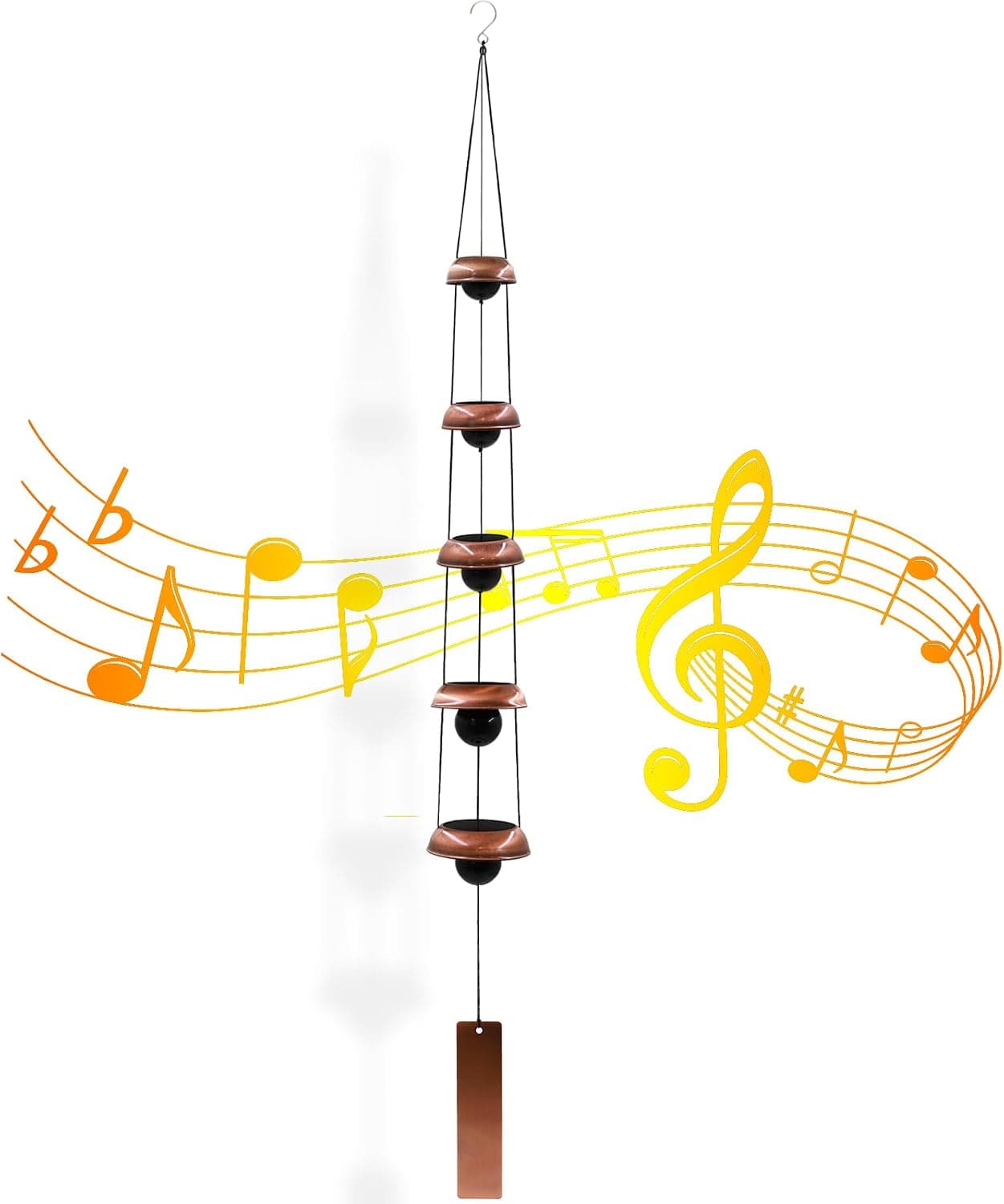 -19%
-19%Wind Chimes for Outside with 5 Bell Unique Copper Musical Chimes Feng Shui Wi...
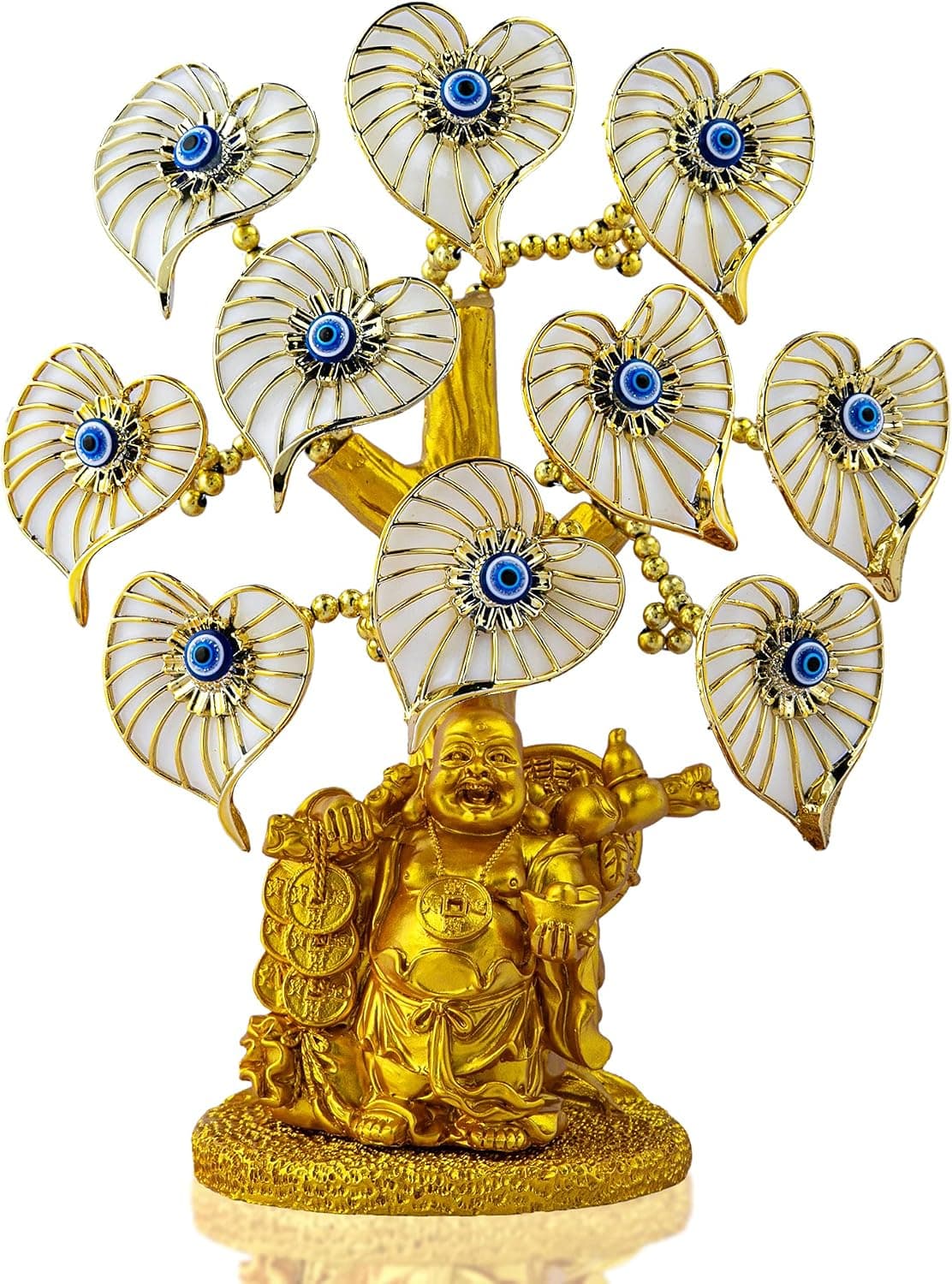 -5%
-5%YU FENG Evil Eye Money Tree, Blue Feng Shui Decor with Golden Buddha
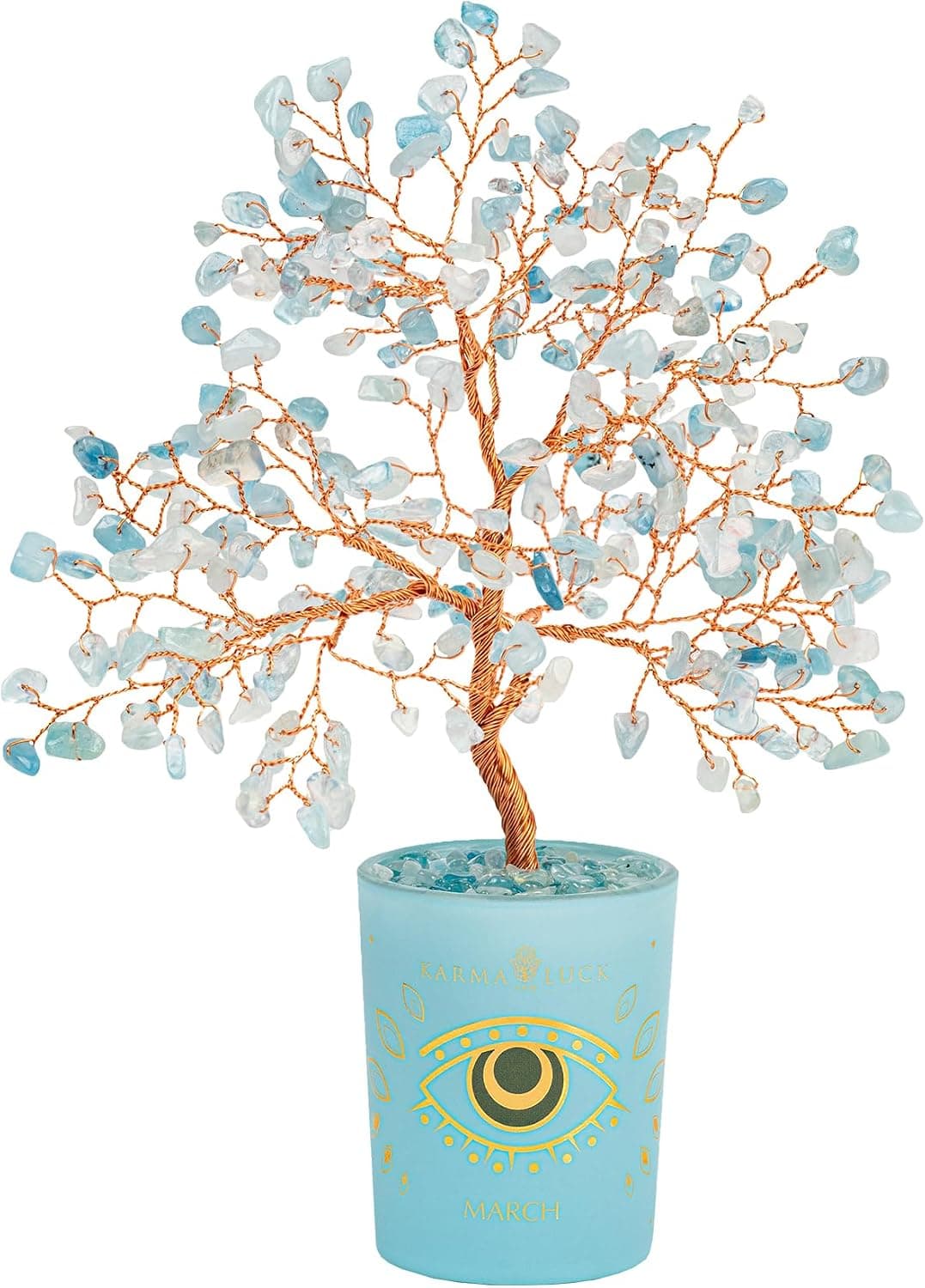 -29%
-29%Karma and Luck March Birthstone Crystal Tree of Life, Aquamarine Gemstone Fen...
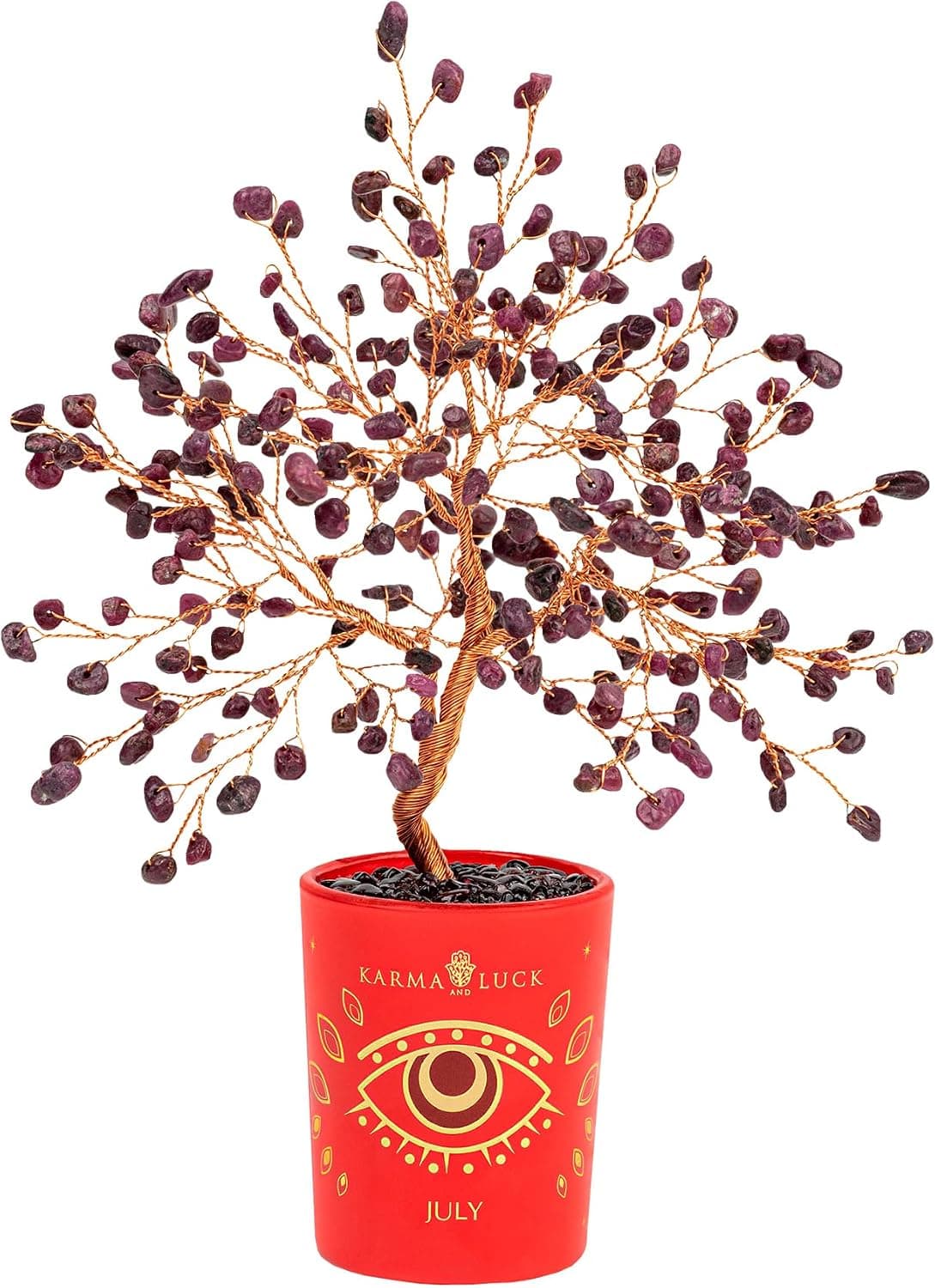 -29%
-29%Karma and Luck July Birthstone Crystal Tree of Life, Ruby Gemstone Feng Shui ...
As an Amazon Associate, we earn from qualifying purchases. We only recommend items our practitioners have personally tested.
Continue Your Journey
Explore these related guides to deepen your understanding:


Ready for Deeper Guidance?
Try our free I Ching reading for personalized wisdom, or explore our curated Feng Shui essentials.