A beautiful east-facing home can still feel wrong when the route through it keeps cutting the room in half.
The Hidden Truth About east facing house feng shui
I keep seeing rooms where the compass reading looks fine, the bed sits in a “good” sector, and yet the whole home feels jumpy because everyone walks the same crooked path across it every day.
That path matters. More than the paint. More than the lucky object on the shelf. A room behaves like a stream: when bodies, bags, shoes, and sightlines keep crossing the same line, the movement becomes a rut, and the house starts teaching people to rush, dodge, and interrupt themselves.
One afternoon I stood in an east-facing apartment with a pale green front hall, a narrow runner rug, and a dining table pushed hard against the south wall. The owner had placed a brass rooster near the window because a blog said it would “activate” the east sector, but the real problem was the traffic lane from the front door to the kitchen. Everyone entered, cut diagonally through the living room, and clipped the edge of the sofa before reaching the sink. By 8 p.m. the room looked tidy and somehow exhausted.
That is the mechanism people miss. The east-facing house can support growth, but only if the walking route carries qi without constant collisions. mapping the room first shows where the circulation line actually runs, and then the rest of the advice stops floating in theory and starts landing in the right place.
Step one is input. You have a front door, maybe slightly offset, and a room with furniture that creates a shortcut. Step two is compression: the body chooses the easiest diagonal, because people always do, and that diagonal becomes the strongest energetic track in the home. Step three is repetition; after a week the same shoes hit the same floorboard, the same elbow brushes the same table corner, and the brain begins to expect friction before it even reaches the kitchen. Output? Fatigue, short tempers, and a house that feels busier than the calendar says it should be.
That is why the standard advice often lands flat. A house can face east and still feel clumsy if the main movement line keeps slicing through the center. The cure is not mystical. It is spatial.
How the traffic pattern trap forms
The first failure happens at the door. People love to talk about auspicious orientation, yet the real test begins the instant you open the entry and ask: where does the body want to go in three seconds? If the answer is straight through the middle, the home has already built a high-speed corridor.
Then furniture joins the problem. A console table too deep, a sofa floating at the wrong angle, a dining chair left half-pulled out after breakfast — each one narrows the usable lane until the route becomes sharper and more aggressive. In a small home, even a plant stand can do this if it sits where the left shoulder always turns.
People rarely notice because they adapt. They sidestep the corner, shift their weight, and pretend the route is normal. The body pays for that adaptation with small, ugly signals: scuffed walls, dropped keys, the habit of setting groceries on the floor before the counter, the feeling that no one can ever fully enter the room and stay calm.
front-door flow matters here because the entry is the first steering wheel in the whole layout. Get that wrong and the rest of the room is forced into defense mode.
Step one: identify the real line, not the imagined one
Stand at the threshold and look for the shortest route to the place people use most. That is usually the kitchen, the sofa, the hallway, or the back balcony. You are not looking for a bagua ideal. You are looking for the path feet actually choose when they are carrying coffee, a coat, or a child who wants to stop and ask a question.
Some people are startled when I tell them to ignore symmetry for a minute. Symmetry can be beautiful and still be useless if it blocks movement. I have seen a lovely cream sofa set create a dead zone simply because the corner of the chaise forced every passerby into a tighter turn near the lamp.
A good route in an east-facing home bends softly. It should feel like being invited through a room, not escorted by cones on a highway. You want enough width that a person can pass without flinching, and enough visual openness that the eye does not brace for impact.
Not every bottleneck is visible at first glance. Some live in the morning routine. If the coffee machine sits across the main line, the whole family may cut the same diagonal path half-awake, and by noon that diagonal has become the house’s dominant habit.
Step two: remove the collision points
Here is the part people resist. They want cures before subtraction. They want a crystal, a coin, a red ribbon, a plant. Yet a blocked path with ornaments on it is still blocked, just dressed better.
Move the obvious offenders first. Shift the coffee table three inches if knees keep catching it. Pull the shoe bench back if it forces a squeeze at the entry. Turn the dining chair so it is not spearing the walkway like a fence post. In one narrow breakfast nook, simply rotating a white metal chair away from the passage stopped the daily shoulder bump that had been making the owner irritable before lunch.
Then watch the edge behavior. Do people set things down where they hesitate? That hesitation spot often marks the energetic snag. A stack of mail there, a tote bag there, a pet bowl there — each object is a clue. The room is confessing where movement gets interrupted.
wealth corner mistakes often begin in these same snags, because clutter at a turn does not just look messy; it slows the circulation that is supposed to feed the rest of the home.
Don't overcorrect. Clearing a route does not mean making the home barren. It means refusing to let a hallway or living room act like a funnel that squeezes every person into the same anxious angle.
Step three: make the line gentle, not aggressive
Once the collisions are gone, the room needs a softer steering system. A runner rug can work if it points the eye forward without making the route feel like a runway. A low plant on one side of the path can slow the visual rush just enough to make movement calmer. Light matters too; a dim entry forces people to accelerate because the body distrusts what it cannot read.
In east-facing homes, wood tones usually help because they echo growth without shouting. But wood alone will not save a bad path. I have watched a dark walnut bench with lovely grain sit in the wrong place and create more tension than a plastic stool ever could, because the bench was anchored directly in the turning zone.
Use the room to guide, not to trap. A round side table softens a corner. A floor lamp can pull attention away from a narrow pinch point. Even the direction of a chair back matters if it forces someone to twist before reaching the kitchen.
Surprise: the “best” cure is sometimes no cure at all. Removing one oversized object can do more than three symbolic additions, because qi follows use. When use becomes smooth, the home stops fighting the people in it.
When the east sector helps — and when it gets blamed unfairly
The east sector is often discussed as if it carries all the responsibility for a home’s momentum. That is convenient, and wrong. A favorable direction cannot rescue a circulation pattern that keeps grinding across the center of the room.
Some readers get frustrated here. They bought into the promise of a clean fix. Instead I am saying the route matters more than the label on the compass. That is not a downgrade; it is a more useful map.
A good east-facing setup tends to support fresh starts, learning, and a sense of forward motion, but only when the space lets people move without bracing. If the layout makes them turn sideways to pass each other, the house broadcasts caution. The body hears that message before the mind does.
reading the compass correctly is still necessary, yet compass work without circulation analysis leaves half the equation untouched.
Common mistakes that keep the trap in place
One frequent error is decorating the path instead of clearing it. People place tall objects in the walking lane because they want the corridor to feel styled, then wonder why the home feels tight. Style is not the same as support.
Another is treating every open space as wasted space. In an east-facing home, a few quiet square feet near the center can be a release valve. Pack that area with furniture and the room loses its breathing room.
There is also the habit of chasing cures from the wrong room. Someone may spend money on the wealth corner while the real problem is a bottleneck between the entry and the kitchen. The first move should be to fix the route that everyone uses five times a day.
front-door color choices can help the threshold feel more coherent, but they won't compensate for a hallway that forces the family into a shoulder-to-shoulder squeeze.
And yes, I have seen the overdecorated corner that looks excellent in photographs and fails in real life. The camera does not walk through the room. People do.
A practical way to test your own layout
Try this before buying anything. Walk from the door to the room’s main destination with a grocery bag in one hand and a coat over the other arm. Then do it again carrying nothing. If the route changes dramatically between those two versions, your layout is asking too much from the body.
Look at the floor, not just the furniture. Scuffed boards, faded rug edges, and repeated dust streaks often reveal the circulation line better than any chart. The home leaves breadcrumbs where movement is overused.
Now check the turns. A turn should be readable from a few steps back. If you cannot see where your hips need to go until the last second, the room is too sharp.
Try the change for three days, not thirty minutes. A home tells the truth over time. Move one object, leave the route open, and notice whether the evening air feels less packed when you cross the room after dinner.
One detail can change everything: a tiny brass umbrella stand moved six feet away from the doorway once turned a cramped entry into a usable landing zone. The owner did not feel “more lucky.” She felt less hunted by her own hallway, which is a far more honest result.
FAQ
Is conventional east facing house feng shui advice reliable?
Often not by itself. It can tell you where energy may be supported, but it ignores the actual walking pattern that shapes daily life. A home can face east and still misbehave if the main route cuts through the center like a shortcut through a field.
Can I fix a bad traffic path without moving major furniture?
Sometimes. Start by clearing the smallest collision points: a stool, a plant stand, a pile of shoes, the corner of a console. If the line feels smoother after that, you have evidence that the room needed breathing space more than another cure.
Does a narrow apartment need a different approach?
Yes, because narrow layouts exaggerate every turn. In a tight space, even a slim lamp base can become an obstacle if it sits where the elbow naturally swings. The best move is usually subtraction first, styling second.
What if the compass direction seems correct but the home still feels off?
That usually means the circulation pattern is louder than the orientation. The direction may be favorable, but the route is still forcing the body into defensive movement. A room that makes people sidestep all day will not feel settled, no matter how accurate the reading looked on paper.
The funny part is that people usually notice the problem with their shoulders before they notice it with their mind. A home can be technically right and still make you angle sideways past the table every morning. What does that say about the path your feet have been trusting?
Mei Chen
Traditionally informed guidance • Cross-referenced with classical Chinese source texts
Content draws from both Compass (Luopan) and Form (Xingshi) school traditions. Illustrative examples are composites based on consultation experiences.
Practitioner-Selected Tools for This Topic
Items our team has tested and found effective for the principles discussed above. Individual results may vary.
 -19%
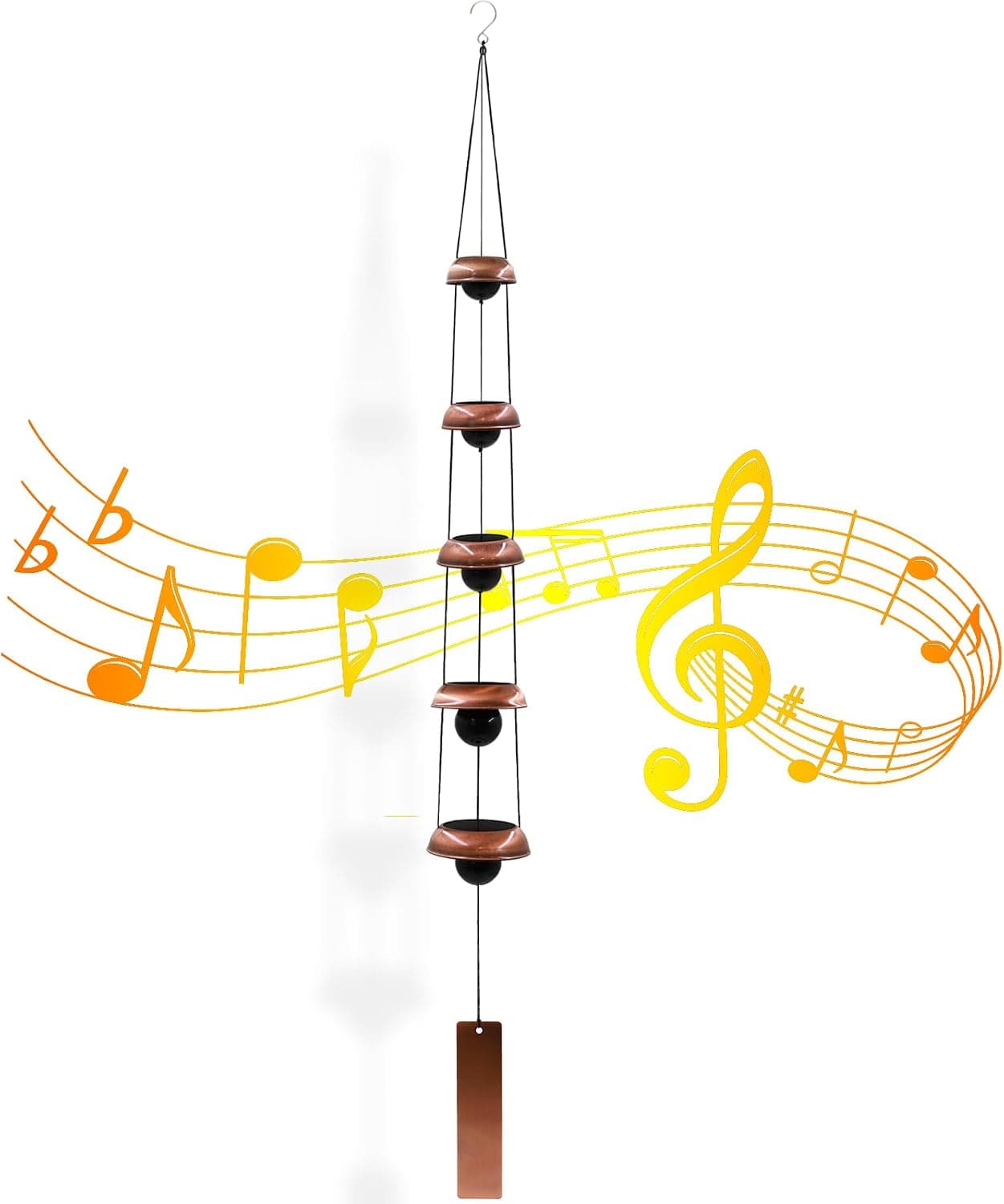
-19%Wind Chimes for Outside with 5 Bell Unique Copper Musical Chimes Feng Shui Wi...
 -5%
-5%YU FENG Evil Eye Money Tree, Blue Feng Shui Decor with Golden Buddha
 -29%
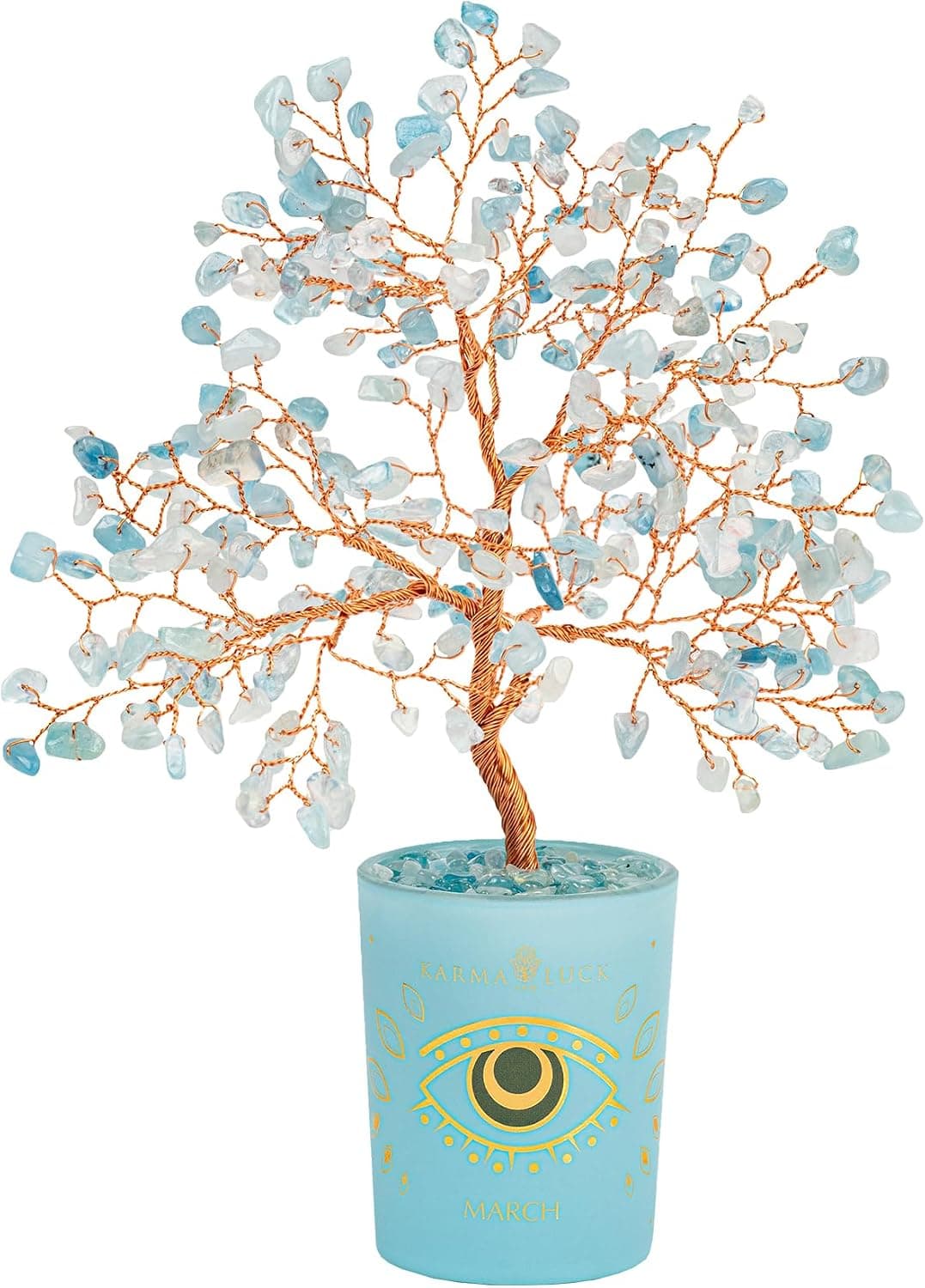
-29%Karma and Luck March Birthstone Crystal Tree of Life, Aquamarine Gemstone Fen...
 -29%
-29%Karma and Luck July Birthstone Crystal Tree of Life, Ruby Gemstone Feng Shui ...
As an Amazon Associate, we earn from qualifying purchases. We only recommend items our practitioners have personally tested.
Continue Your Journey
Explore these related guides to deepen your understanding:


Ready for Deeper Guidance?
Try our free I Ching reading for personalized wisdom, or explore our curated Feng Shui essentials.