Your room can look balanced and still face the wrong way energetically.
The north wall sets the tone before the furniture does
I once walked into a small apartment in Seattle where everything looked “fine” at first glance. The sofa was clean, the curtains were soft gray, and a brass lamp sat neatly by the window. Yet the couple living there kept arguing in the hallway and waking at 3:10 a.m. for no clear reason. The problem was not the decor. It was the way the room was aimed, and the way the main sleeping and working zones ignored the room’s natural pull.
That is the part people miss. They treat directional alignment like a minor detail, but it changes how a space feels in your body. Some areas invite movement and attention; others ask for quiet, containment, or recovery. If you place a desk, bed, or chair against that current, the room starts to work against you.
Most confusion starts with oversimplified advice about reading a bagua map correctly. The map matters, but it is not a magic sticker you slap on the floor and forget. Directional work only becomes useful when you notice what the room already wants to do.
And that is where feng shui directions become practical instead of mystical. You are not memorizing a compass chart for decoration points. You are matching human activity to the natural movement of the room so energy does not constantly crash into resistance.
Direction is not a belief. It is a pattern
Walk into any home and notice where your shoulders relax. Notice where you instinctively look for the exit. Notice which chair makes you sit up straighter and which corner makes you want to vanish into your phone. Those reactions are not random. They are directional responses.
In classical practice, each direction relates to a different quality: movement, rest, visibility, receptivity, nourishment, and authority. You do not need to memorize every correspondence on day one. Start with this simpler truth: the room is speaking through orientation, and your furniture either supports the message or interrupts it.
That is why two homes with the same layout can feel completely different. One has a bed with a solid wall behind it and a clear view of the door. The other has a headboard under a window and a mirror reflecting the entry. Same square footage. Very different nervous system.
If you want a deeper foundation, I recommend pairing this topic with how the front door shapes incoming energy. The entry sets the first tone, but the room’s inner directions determine whether that energy settles or scatters.
Stop chasing lucky directions without context
Here is the gentle confrontation: there is no universal “best” direction for every person in every room. That popular idea creates more anxiety than harmony. A direction that supports focused work may feel terrible for sleep. A direction that encourages visibility may be perfect for a dining room and awful for a meditation corner.
This is why I get cautious when people ask for a single lucky facing. Lucky for what? A business meeting? Recovery from burnout? Family dinners? Creative work? The answer changes. Direction is functional before it is symbolic.
Consider a retired teacher named Elaine, in a west-facing bedroom with pale blue walls, a walnut dresser, and a round mirror on the closet door. She thought the room was calm because the colors were soft. But every afternoon the light hit the mirror and threw a bright strip across the bed. Within a week of moving the mirror angle and turning the headboard to a steadier wall, she stopped napping in fragments and slept through until 6:00 a.m. It was not dramatic. It was precise.
That is the kind of correction that works. Small. Specific. Boring to the eye, powerful to the body.
How different directions behave in real rooms
North tends to feel quieter, cooler, and more inward. It can support reflection, study, and restorative routines, but it can also become too stagnant if you pile dark furniture and ignore light. South usually carries more activation and visibility, which can help a social room or creative area but overstimulate a bedroom. East often feels fresh and rising, good for beginnings, planning, and morning activity. West leans toward completion, enjoyment, and a softer settling quality, which is why it can feel lovely for family time and unhelpful for restless minds if overdone.
The key is not to worship these labels. Use them to notice how a room behaves during the day. Does the morning light sharpen everything? Does the afternoon make the room sleepy? Does one corner feel exposed while another feels sealed off? Directional adjustment begins with observation, not charts.
One of the fastest ways to test a room is to sit quietly in the space for five minutes and record what your body does. Do you lean forward? Do you cross your arms? Do your eyes keep returning to the window or the door? Your body is giving you data.
If you want to compare this with furniture placement, the principles in a strong bedroom layout will show you how orientation and support work together.
What actually changes when you fix the direction
People expect fireworks. They usually get relief instead.
The relief can show up in sleep that feels less broken, work that stops feeling sticky, or conversations that lose their edge. A home is full of micro-frictions. Directional corrections reduce the friction so the room stops demanding constant effort from you.
I have seen this most clearly in home offices. A desk facing a wall in the wrong direction can make a thoughtful person feel oddly defensive all day. Move it a few feet, or turn it so the sightline opens properly, and the same person suddenly writes faster, answers email with less dread, and leaves the chair without that cramped feeling between the shoulder blades. The paperwork did not change. The relationship to the room did.
How to apply feng shui directions without overcomplicating it
Start with one room, not the whole house. Bedrooms and workspaces give the clearest feedback because you spend enough time there to notice the difference. Stand in the center of the room with a compass app, but do not panic over tiny degree shifts. You are looking for the room’s dominant face, not a forensic report.
Then identify the primary activity in that space. Sleep needs containment. Work needs support and a forward view. Social rooms need openness and easy circulation. Once the activity is clear, choose the direction that best matches that purpose. If the room is already too active, lower the stimulation. If it is dead and heavy, add light, movement, or a more open orientation.
Here is the sequence I use with clients and readers:
1. Find the compass direction of the room or key object.
2. Identify the room’s main purpose.
3. Check whether the furniture supports that purpose.
4. Remove one obvious conflict first, such as a mirror facing the bed, a desk with no backing, or a chair aimed into a wall.
5. Live with the change for seven days before making another adjustment.
That last step matters. People sabotage themselves by changing everything at once and then blaming the method when they feel more confused. Real feng shui work is iterative. It rewards patience.
If your room supports abundance or focus, you can layer in symbolic cures later, but do not start there. A well-placed chair beats a decorative object every time. If you need a companion piece on object placement, the home office placement principles will help you avoid a common mistake: choosing style before function.
The rooms where direction matters most
Bedrooms come first because sleep exposes every imbalance. If the bed sits in a vulnerable direction, you feel it fast. Living spaces come next because family friction builds in shared sightlines and traffic paths. Kitchens and dining areas also respond strongly because they regulate nourishment, timing, and togetherness.
Do not ignore hallways either. They are directional channels, and when they are cluttered, the room at the end often feels pressured. A narrow hall lined with dark frames and stacked shoes can make a peaceful bedroom feel tighter than it is. Clear the passage and the room breathes differently.
Bathrooms are tricky. They are already draining spaces by nature, so direction alone will not rescue a poorly maintained one. But even there, a mirror, mat color, and door angle can reduce the sense that energy is leaking out too quickly.
Practical fixes that work without a renovation
Begin with the body, not the decor. Turn the bed, desk, or main chair so the most important action in the room faces a more supportive direction. Add a solid backing behind you when possible. A bookshelf, wall, or proper headboard gives the nervous system something to trust.
Then correct what is visually noisy. Reflective surfaces should not bounce energy back into your resting zone. Bright red accents can be too much in a room that already feels hot or rushed. Heavy dark objects in an already quiet corner can make the space sluggish. Small changes often matter more than expensive ones.
Finally, test the room at different times of day. Morning and evening can feel like different environments. A direction that works beautifully at 8:00 a.m. may feel oppressive at 9:00 p.m. The best arrangement usually survives both.
For readers who want to connect directional work to wealth symbolism, the placement advice in where to position a money tree can be useful after the room itself is balanced. Symbolic cures should sit on a stable foundation. Otherwise they become decoration with spiritual language.
Linking directions back to the whole home
Directional work becomes much stronger when you stop treating each room as a separate island. The front door introduces energy. The main room shapes it. The bedroom stores it. A house with clean directional logic feels coherent, even if it is modest. A house with mismatched orientation feels busy, even when it is beautifully furnished.
That is the deeper lesson of feng shui directions. They are not about superstition or perfect luck. They are about reducing waste. Waste of attention. Waste of effort. Waste of sleep. Waste of the calm you keep trying to recover from a room that is fighting you.
If you want the broader system behind these choices, step back to the pillar material on a practical feng shui approach for Western homes. Direction makes sense when it sits inside a larger method. Alone, it is a compass. In context, it becomes a way to live more intelligently with your space.
FAQ
Do I need an expensive compass to use this well?
No. A phone compass is enough for most home decisions. The bigger issue is not the tool; it is whether you are reading the room honestly instead of forcing a preset rule onto it.
Can one direction be wrong for every room in the house?
That would be rare. Different rooms serve different functions, so the same direction may be helpful in one place and disruptive in another. A north-facing study and a north-facing bedroom do not ask for the same treatment.
What should I fix first if my home feels off?
Start with the room where you spend the most time and feel the problem most clearly. For many people, that means the bedroom or desk area. Correct the main directional conflict there before moving on to secondary spaces.
Mei Chen
Traditionally informed guidance • Cross-referenced with classical Chinese source texts
Content draws from both Compass (Luopan) and Form (Xingshi) school traditions. Illustrative examples are composites based on consultation experiences.
Practitioner-Selected Tools for This Topic
Items our team has tested and found effective for the principles discussed above. Individual results may vary.
 -19%
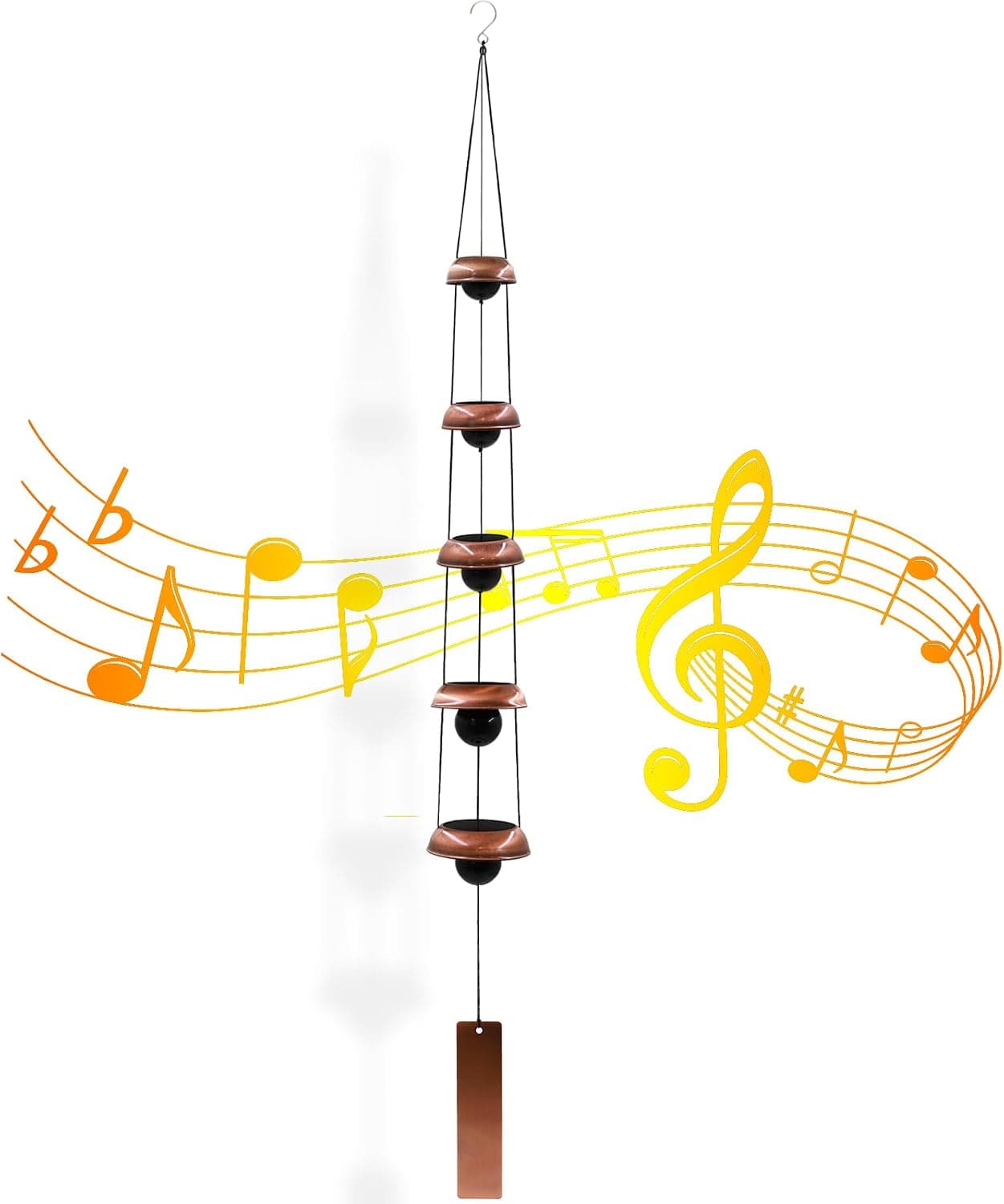
-19%Wind Chimes for Outside with 5 Bell Unique Copper Musical Chimes Feng Shui Wi...
 -5%
-5%YU FENG Evil Eye Money Tree, Blue Feng Shui Decor with Golden Buddha
 -29%
-29%Karma and Luck March Birthstone Crystal Tree of Life, Aquamarine Gemstone Fen...
 -29%
-29%Karma and Luck July Birthstone Crystal Tree of Life, Ruby Gemstone Feng Shui ...
As an Amazon Associate, we earn from qualifying purchases. We only recommend items our practitioners have personally tested.
Continue Your Journey
Explore these related guides to deepen your understanding:


Ready for Deeper Guidance?
Try our free I Ching reading for personalized wisdom, or explore our curated Feng Shui essentials.