The dining table's distance from the front door matters more than the bowl of oranges on it. Get that wrong, and everything feels rushed.
Beyond the Surface of Feng Shui Dining Room Tips
Something doesn't align in conventional approaches to Feng Shui Dining Room Tips is typically understood. People fuss over bowls, colors, and lucky objects, then place the dining table in a path where every arrival, departure, and package drop hits the room like a gust through a cracked window.
That is the part most advice skips. Proximity to the main entrance changes how the room behaves before anyone sits down. Three feet can matter. Sometimes six inches matter. Not because numbers are magical, but because the body reads distance before the mind does.
I walked into a brownstone in Brooklyn last fall and found a walnut table pressed so close to the foyer that the chairs barely cleared the coat rack. The homeowner had followed every online suggestion she could find: a round mirror, fresh peonies, even a crystal bowl on the sideboard. Still, dinners felt tense. Her teenage son ate in silence, then disappeared upstairs before dessert. Once we shifted the table back and opened a narrow passage along the entry wall, the room stopped feeling like a checkpoint.
That setup surprises people because they expect the dining room to work from inside itself. Wrong. The entrance sets the pace first. Mapping the home without overthinking it helps, but the entry corridor often tells the louder story, and that story is usually about interruption, not abundance.
Why the Door Wins Before the Table Does
A dining room near the front door absorbs motion. Shoes, voices, keys, and deliveries keep reminding the nervous system that the space is not fully settled. You can place a red runner on the table or hang a brass chime nearby, but if the first three feet are crowded, the room never fully exhales.
That does not mean every close dining room is doomed. It means you have to judge the threshold carefully. A table set three feet from the entry can still work if the path is clean, the chair backs do not block the route, and the eye has somewhere calm to land. I have seen a small apartment on the Upper West Side where a slim oval table sat just inside the dining nook, yet the owner kept the entry wall bare except for one landscape print. The room felt composed because the movement had somewhere to go.
The conventional advice persists because it sounds tidy. Put the table in the center. Add something round. Keep it balanced. Nice idea. Not enough. A room can be perfectly styled and still feel jumpy if the entrance keeps slicing through it.
That is also why some people blame the wrong cure. They buy more objects when what they need is a clearer approach path. Not even close.
When the Distance Is Too Short
One foot from the door is trouble in most homes. Guests arrive and immediately brush into the dining chairs. The nervous system notices that collision, even if nobody says a word. Over time, people stop lingering. They eat quickly, leave plates half-finished, and the room starts to feel like a transit point instead of a gathering place.
If the front door opens straight toward the table, the effect is sharper. The energy comes in fast, then bounces. You may see this as fidgeting, arguments over small things, or a strange habit of everyone grabbing food and vanishing to the sofa. A table that close can also create a practical mess: bags on chairs, jackets draped over backs, and a constant sense that the room is being borrowed, not inhabited.
One simple fix is to create a soft buffer. A console table, a tall plant, or even a low bench can slow the visual rush without blocking the route. I prefer objects that feel steady rather than decorative. A ceramic lamp with a linen shade does more than a shiny trinket because it gives the eye a place to rest.
Living rooms make the same mistake when the flow is rushed, only people notice it there sooner because they sit longer. In a dining room, the damage is quieter. Meals shorten. Conversation thins. Nobody points to the table and says, “This is the problem.” They just stop inviting people over.
How to Read the Room Instead of the Rules
Start with the door swing. Open it fully and notice what the first line of sight hits. If the table edge, chair legs, or a bright chair back land there immediately, you are dealing with a hard visual strike. That does not always require moving the table out of the room, but it does require softening the entry picture.
Next, sit in the chair closest to the entrance. Can someone walk behind you without turning sideways? Can a guest arrive without interrupting the whole table? Those two questions reveal more than any checklist. Feng shui works through lived experience, not decorative theory.
Look at traffic, not just placement. A narrow room with one clear lane may handle a dining table near the door better than a larger room with sloppy circulation. A room that gets used every day will expose problems faster than a formal dining space that stays empty until holidays. The home always votes with behavior.
People often hang a bagua map upside down on the real problem: they chase symbolic sectors while ignoring the actual entrance. That mistake explains why a dining room can look expensive and still feel unsettled.
What Conventional Advice Gets Right, and Where It Stops
Yes, the dining room should feel welcoming. Yes, the table should allow eye contact. Yes, harsh angles and clutter can make people defensive. Those basics matter. But they are secondary when the room sits in the blast path of the front door.
Common advice survives because it works in the middle of the room. It fails at the edge. A table under a pendant light with balanced chairs can still create friction if the foyer opens directly into it. That is why the same cure can feel brilliant in one house and useless in another. Context decides.
The person who follows every rule and still struggles usually made one hidden assumption: that the dining room begins at the table. It does not. It begins where the front door hands off control. Miss that, and every other adjustment feels late.
There is a reason some old homes with shallow entry halls feel calmer than newer open-plan spaces. The architecture gives the room a moment to settle. No mystery there. Just distance.
Practical Adjustments That Actually Change the Feeling
Move the table back if you can. Even eight inches can help if it clears the direct route from door to chair. If the room is tight, rotate the table so the longest edge does not face the entrance head-on. That small turn can reduce the sense that the room is waiting to be crossed instead of enjoyed.
Use the entry wall to slow the eye. A grounded piece of art, a narrow shelf, or a matte-finish lamp can soften the first glance. Avoid anything overly reflective near the door if the room already feels jumpy. Mirrors are not innocent here; they multiply movement when the space needs containment.
Choose seating that invites pause. Chairs with a bit of weight and a back that feels stable will make more difference than people expect. I have watched a family in a Queens duplex stop eating in shifts after swapping light café chairs for heavier oak ones. The room changed because the body no longer felt like it might be bumped out of place.
And please, clear the threshold. Umbrellas, backpacks, mail, shoes, all of it. A dining room that shares a doorway with a cluttered landing loses dignity fast. The same principle shows up in bedroom thresholds too, where a messy entry can keep sleep shallow and irritate relationships without anyone understanding why.
Why the Three-Foot Rule Matters More Than the Decor
Three feet gives a room room. That sounds obvious until you see how many homes ignore it. A table that sits too close to the entrance forces the body into a guarded posture. A table that has breathing space lets people arrive, sit, and stay.
Inside that distance, sound changes too. Conversations no longer get cut by the slap of a door or the scrape of shoes. Food tastes less hurried. People lean in instead of checking the hall. The change is subtle, then undeniable.
Some homes need more than three feet. Others can work with less if there is a strong visual buffer and the route is clear. The rule is not rigid law. It is a way to ask whether the room has enough distance to receive people without flinching.
The center of the home behaves the same way: if the movement is too direct, the space never fully settles. The dining room just shows it faster because food and conversation make every tension obvious.
What people call “bad luck” is often just a room that never got to become itself. A front door too close to a table can do that. It keeps the space on alert.
FAQ
Is conventional Feng Shui Dining Room Tips advice reliable?
Sometimes. The basics help when the room already has decent spacing and gentle circulation. Once the dining table sits close to the main entrance, though, generic advice loses force because the entry dominates the whole experience.
Can I keep the table near the door if my home is small?
Yes, but the room needs a buffer. A narrow console, a plant, or a clear walking line can change how exposed the table feels. Without that buffer, the space often turns into a fast-moving corridor with chairs in it.
What if I cannot move the table at all?
Then work on the first sightline and the path. Soften the entry with art or a lamp, remove clutter, and make sure the chair closest to the door is not the one people constantly brush past. That alone can reduce the sense of interruption.
Does the shape of the table matter as much as the distance?
Shape matters, but not first. A round table can help conversations flow, while a rectangular one can feel more formal. Still, if the entrance is too close, even the nicest shape will be overshadowed by the rush coming through the door.
The odd part is that the fix often looks boring from across the room. A little more space. A cleaner threshold. One lamp moved six inches to the left. Then dinner lasts twenty minutes longer, and nobody can explain exactly why.
But the room knows. It always knows.
Mei Chen
Traditionally informed guidance • Cross-referenced with classical Chinese source texts
Content draws from both Compass (Luopan) and Form (Xingshi) school traditions. Illustrative examples are composites based on consultation experiences.
Practitioner-Selected Tools for This Topic
Items our team has tested and found effective for the principles discussed above. Individual results may vary.
 -19%
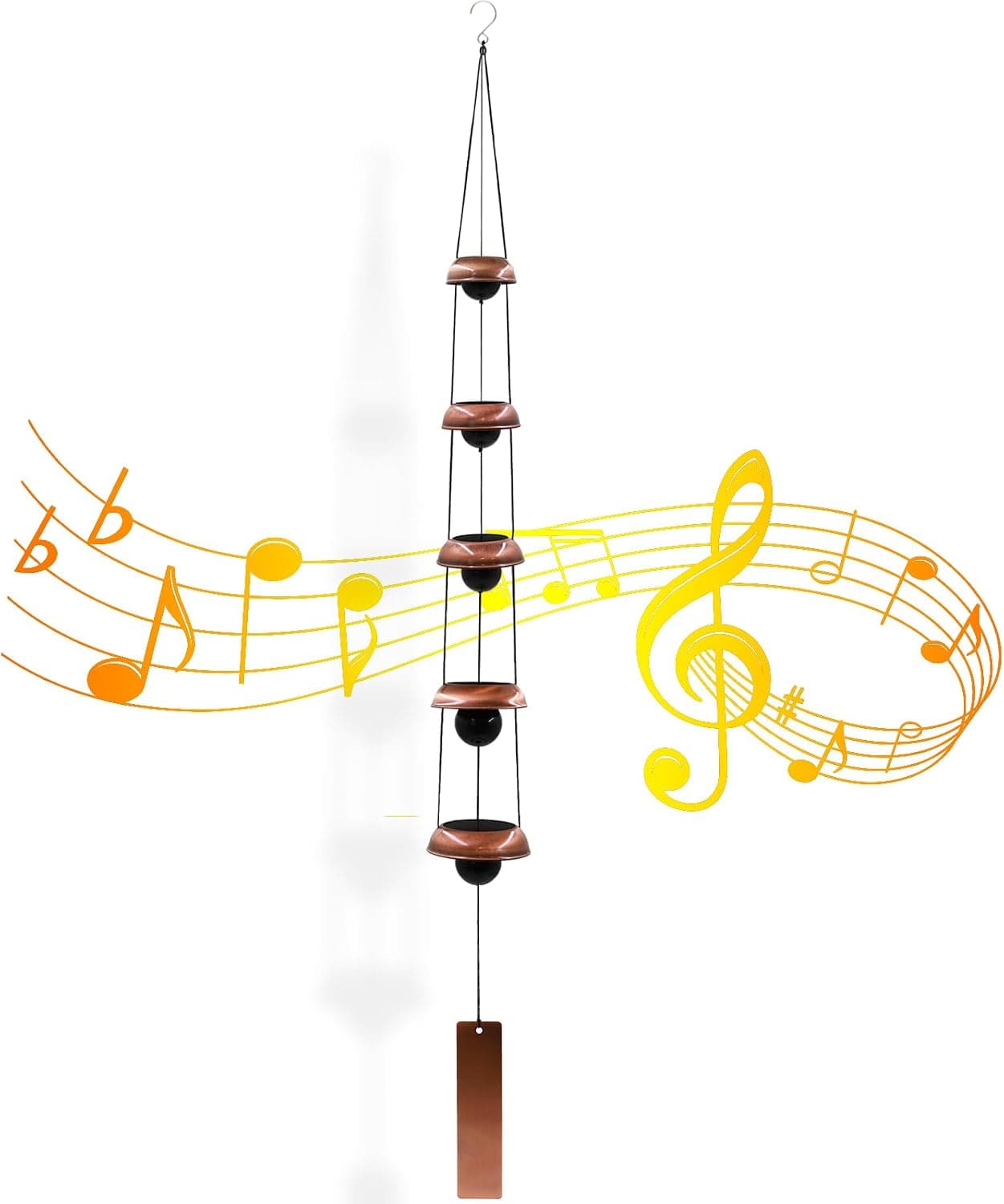
-19%Wind Chimes for Outside with 5 Bell Unique Copper Musical Chimes Feng Shui Wi...
 -5%
-5%YU FENG Evil Eye Money Tree, Blue Feng Shui Decor with Golden Buddha
 -29%
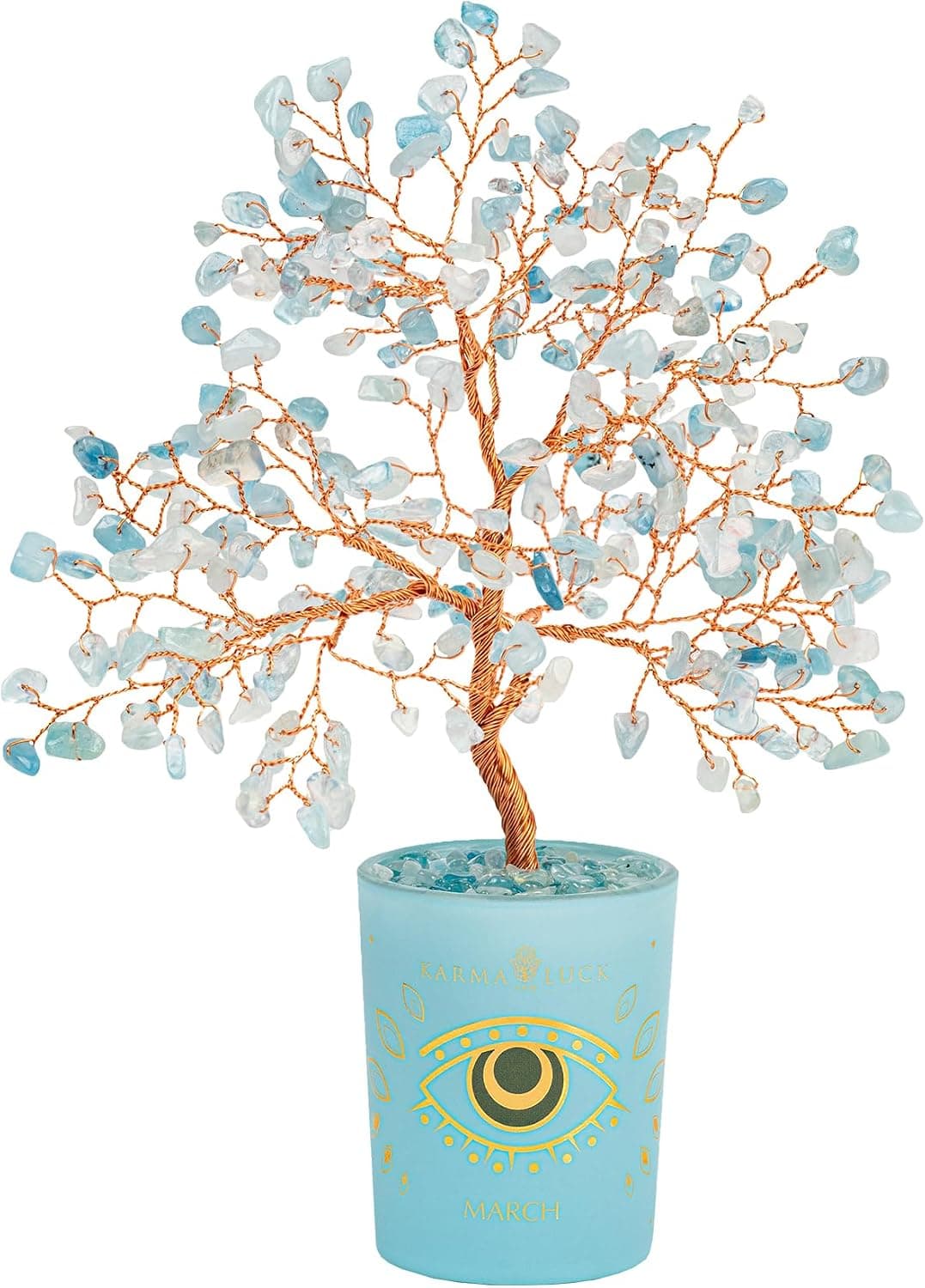
-29%Karma and Luck March Birthstone Crystal Tree of Life, Aquamarine Gemstone Fen...
 -29%
-29%Karma and Luck July Birthstone Crystal Tree of Life, Ruby Gemstone Feng Shui ...
As an Amazon Associate, we earn from qualifying purchases. We only recommend items our practitioners have personally tested.
Continue Your Journey
Explore these related guides to deepen your understanding:


Ready for Deeper Guidance?
Try our free I Ching reading for personalized wisdom, or explore our curated Feng Shui essentials.