Tearing out walls can leave the dining area exposed, restless, and strangely unused.
Beyond the Surface of Feng Shui Dining Room
Something about open plan advice doesn’t add up. A polished kitchen, a wide island, and one long space with six chairs around a pale oak table can still feel thin, almost rented out to the rest of the house. I walked into a townhouse in Portland last autumn where the owner had removed the wall between kitchen and dining room, then wondered why her family ate in the TV room instead. The table sat under a bright brass pendant, but the room had no edge. No pause. No sense that dinner belonged there.
That case looked like a layout problem. It wasn’t only that.
In classical terms, the dining area needs containment so qi can gather long enough for meals, conversation, and a settled stomach. Open plans scatter that function. Sound travels. Cooking smells drift. The eye keeps running toward the sofa, the hallway, the sink, the laptop on the counter. You can have beautiful materials and still lose the feeling of arrival that makes people sit down and stay.
Most advice treats walls like clutter. Big mistake.
What actually matters is not square footage but definition. A room can be small and feel generous if the boundaries are clear. It can also be huge and feel nervous if every zone bleeds into the next. The dining table then becomes a pass-through station, not the center of a shared ritual. That shift sounds minor. It changes how often people linger, how often they interrupt meals, and whether the room starts collecting mail, chargers, and unopened packages instead of plates.
Case Notes From a House That Looked “Perfect”
The client in Portland had followed every glossy magazine rule. She kept the table centered, used eight chairs, hung art at eye level, and placed a bowl of oranges on a linen runner. She even moved a mirror after reading about reflective doubles. Still, her teenagers ate in the basement bar and her partner stood while drinking coffee, leaning against the island instead of sitting at the table. The symptoms were practical, not mystical: half-finished meals, more takeout, and a steady sense that dinner was something to get through.
The first diagnosis was flow. Open sightlines can help a house breathe, but they can also erase hierarchy. In a good dining setup, the table should read as the gathering point before the eye gets pulled elsewhere. When the kitchen dominates, the dining area shrinks to a decorative afterthought. That is why a room with no visual pause often produces restless eating, even when every object looks expensive.
I see the same pattern in apartments where the table sits only two feet from the refrigerator door. Every opening, every clatter of cookware, every glow from the oven display interrupts the meal. People think they want convenience. They usually want ease. Those are different things.
Mapping the home without overthinking it helps identify why one zone keeps stealing attention from another. In this kind of layout, the dining area is not failing because of a missing lucky object. It is failing because the room never gets to hold its own energy long enough to do its job.
Where Open Plans Go Wrong
Removing a wall can create a better social atmosphere, but only when the new space has structure. If the old dining room loses its ceiling fixture, its rug boundary, and its visual anchor all at once, the body never receives the cue to slow down. That is why people stand at the island with one hand on a mug and the other on a phone, talking about dinner while never actually making it to the table.
One forgotten detail causes a lot of trouble: circulation paths that cut directly through the seating zone. If chairs are constantly bumped, tucked in sideways, or used as a shortcut around the kitchen, the setup starts feeling borrowed. In one Chicago condo, a navy velvet bench faced the balcony while a corridor ran behind it to the laundry closet. The owner complained that guests never stayed for dessert. Of course they didn’t. The room told them to keep moving.
Light matters too. Overhead cans flatten the table if they are the only source. A hanging fixture centered over the surface gives the meal a visual ceiling, but it should not blast the room like a showroom. Warm light, lower than you expect, changes posture. People soften. Voices drop. The whole scene slows by a few degrees.
That’s the part most styling blogs miss. They talk about décor, not behavior.
A room that keeps its center teaches the eye where to rest, and the dining area needs that same discipline. Without it, the table becomes one more object in an open field, no more commanding than the toaster or the dog bed.
What Actually Helps the Table Hold Its Place
Start by reintroducing edges. A rug that extends beyond the chairs by at least two feet on all sides can do more than a decorative screen ever will, because it gives the seating area a footprint. A pendant or lantern placed directly above the table makes the zone feel selected rather than accidental. Even a low console behind the chairs can act like a backstop, especially if the room opens into a hallway or kitchen.
Then look at sight lines. If the first thing you see from the front door is a pile of dishes, the table never gets a fair chance. Shift the chair arrangement, angle a piece of art, or place a tall plant where the eye needs a pause. Not a jungle. One healthy plant with clear shape, something like a rubber tree or a well-kept dracaena, can suggest vertical containment without choking the room.
Color plays its part, but not in the cartoonish way people expect. Deep green can settle a room with too much movement. Earth tones can keep a long narrow dining zone from feeling slippery. Strong red may energize, yet in a space already flooded by kitchen light it can push tempers up instead of appetite. The point is not to decorate for “wealth” or “luck” as if those were stickers. The point is to create a room that makes people stay seated long enough to finish a meal.
I’ve seen dozens of homes where one simple boundary changed everything. A linen curtain, a narrow shelving unit, even a shift in rug size can restore the felt difference between cooking and gathering. The change is often subtle on paper and obvious in the body. Shoulders drop. Conversation lasts longer. Someone goes back for fruit instead of wandering off with a plate in hand.
A bedroom can be restful only when it feels enclosed, and the dining space follows the same logic. Open plan layouts are not the enemy. Ungoverned openness is.
Common Mistakes That Keep the Room Unsettled
The biggest mistake is copying restaurant style at home. Restaurants use noise, movement, and bright contrast to keep people alert. A house needs the opposite. If the dining area is lit like a cafeteria and framed like a showroom, it invites quick turnover rather than lingering.
Another misstep is placing the table under a beam or harsh ceiling break and assuming décor will hide it. It won’t. People feel that pressure in their necks before they can name it. Heads tilt, meals shorten, and guests choose the sofa instead.
Mirrors deserve caution too. A mirror that doubles the table can be useful in a narrow room if it reflects a calm wall or a bowl of fruit. If it reflects the kitchen chaos, the sink, or a stack of dishes, it multiplies the very distractions you are trying to quiet. That is not enhancement. That’s echo.
And yes, clutter at the dining table does matter, but not for the lazy reason people repeat online. The issue is functional interruption. A stack of school forms, a laptop charger, and a candle that never gets lit tell everyone that this is not really a dining room anymore. It becomes a waiting area. Meals become negotiable.
Kitchen tools and visual noise around the meal zone can subtly affect how safe and calm the room feels, especially when sharp objects are visible from every seat. If the table never gets its own identity, the house keeps acting as though dinner is optional.
Not optional. Just displaced.
How to Diagnose Your Own Layout
Stand at the main doorway and look toward the table. Do you see a clear destination, or do you see competing activity zones? That question tells you more than a color chart does. If your eye lands on the sink, the recycling bin, and the hallway all at once, the dining area is leaking attention.
Walk the route from kitchen to seat with a serving plate in your hands. Notice whether you have to turn sideways, step around a stool, or dodge an open drawer. That little exercise exposes where the room is fighting itself. A smooth path supports meals. A clumsy path trains people to eat standing up.
Then sit down and wait ten seconds. Listen. If you hear the refrigerator compressor, an HVAC vent, and every footstep in the hall, you are not sitting in a dining room so much as an acoustic crossroads. Sound is a real part of the diagnosis, even if nobody wants to talk about it. People are embarrassed to say a room feels noisy. They shouldn’t be. Noise shapes appetite, patience, and conversation.
Finally, check whether the dining zone has a visual “back.” A wall, a sideboard, a screen, a painting with weight, something that gives the table a sense of being held. Without that anchor, the room can feel exposed from behind, and people stay less connected to each other.
Reading room sectors with more care can help, but only after the layout itself makes sense. A map won’t save a table that has been stranded in the middle of a traffic lane.
Common Questions About Dining Areas in Open Homes
Is conventional feng shui dining advice reliable? Often, no. A lot of it assumes a contained room and then gets repeated as if every home still has one. Once the walls disappear, you have to think about edges, sound, and movement instead of just placement rules.
Do you need to rebuild walls? Not necessarily. A partial screen, a rug, a changed light fixture, or a sideboard can restore enough separation to change how the room behaves. I’ve seen a narrow shelving unit work better than a renovation because it gave the dining area a clean threshold without making the house feel boxed in.
What if the table is already in the kitchen? Then treat it like a meal zone, not an overflow surface. Clear it every day, give it its own light, and keep the area around it free of competing objects. The body knows when a table is being respected. So do guests.
Could plants help in an open plan? Sometimes, but only when they add shape rather than clutter. One well-placed plant can soften a hard edge and suggest a boundary. A cluster of random pots just turns the dining area into a storage corner with leaves.
That Portland townhouse still has the same open plan, but the dining table now sits beneath a lower pendant, on a wool rug that extends beyond the chair legs, with a walnut sideboard marking the back edge. The family eats there four nights a week. The interesting part? The room didn’t become smaller. It finally became clear enough to use. And once a room starts acting like a dining room again, what else in the house has been pretending?
Mei Chen
Traditionally informed guidance • Cross-referenced with classical Chinese source texts
Content draws from both Compass (Luopan) and Form (Xingshi) school traditions. Illustrative examples are composites based on consultation experiences.
Practitioner-Selected Tools for This Topic
Items our team has tested and found effective for the principles discussed above. Individual results may vary.
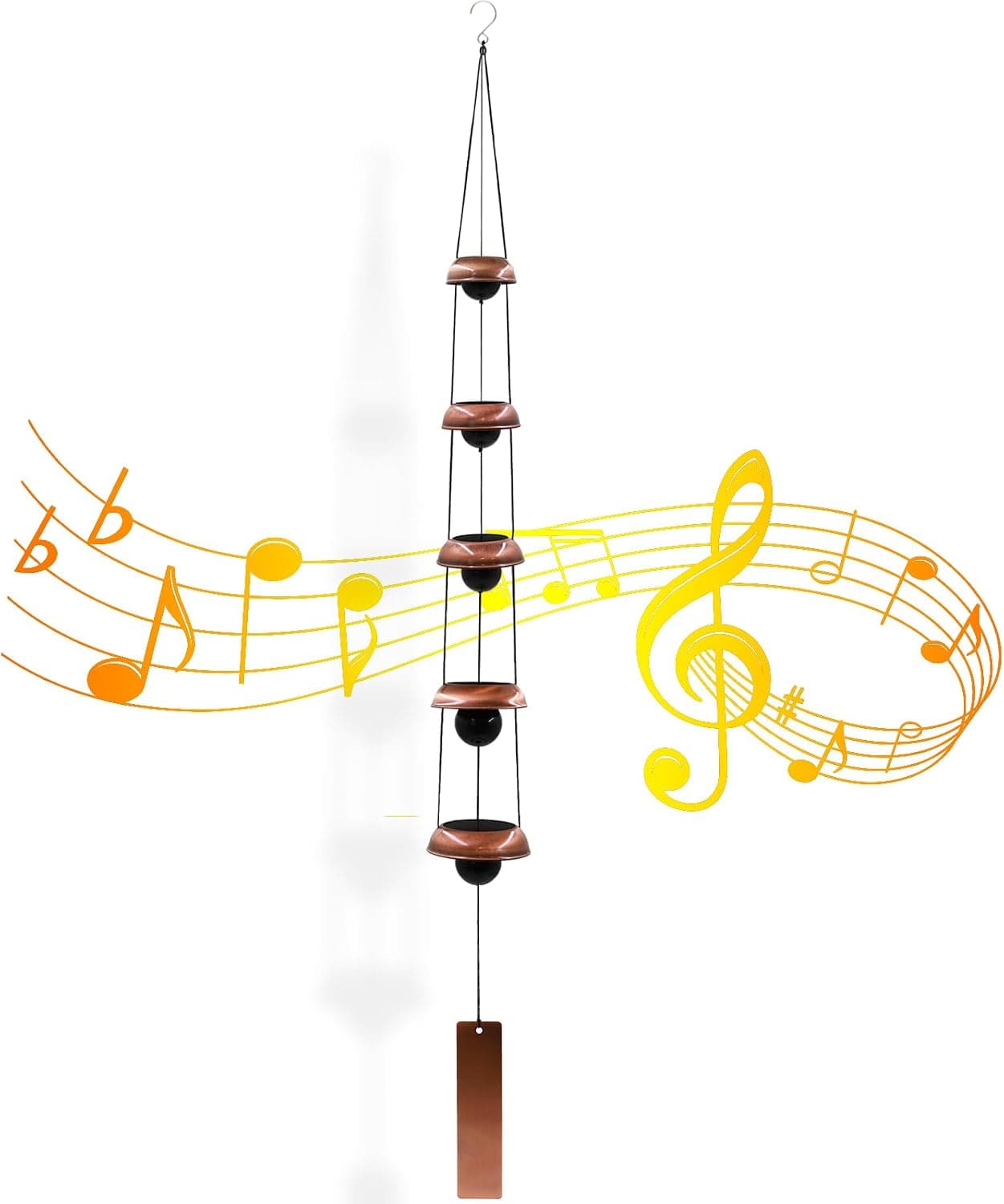 -19%
-19%Wind Chimes for Outside with 5 Bell Unique Copper Musical Chimes Feng Shui Wi...
 -5%
-5%YU FENG Evil Eye Money Tree, Blue Feng Shui Decor with Golden Buddha
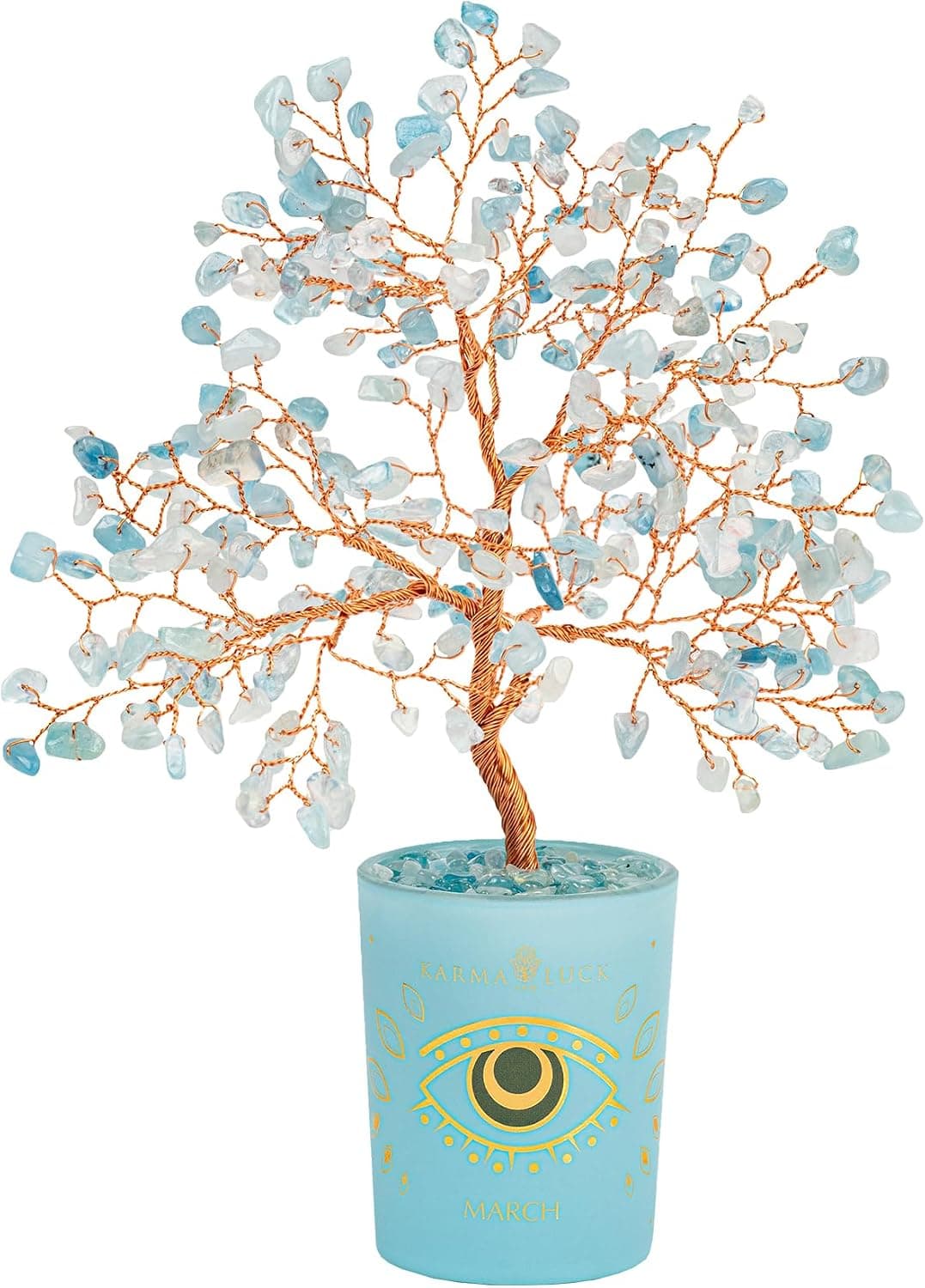 -29%
-29%Karma and Luck March Birthstone Crystal Tree of Life, Aquamarine Gemstone Fen...
 -29%
-29%Karma and Luck July Birthstone Crystal Tree of Life, Ruby Gemstone Feng Shui ...
As an Amazon Associate, we earn from qualifying purchases. We only recommend items our practitioners have personally tested.
Continue Your Journey
Explore these related guides to deepen your understanding:


Ready for Deeper Guidance?
Try our free I Ching reading for personalized wisdom, or explore our curated Feng Shui essentials.