A desk can feel “fine” and still quietly drain focus, confidence, and momentum.
The spot behind your chair matters more than the desk itself
I once walked into a small study with a beautiful walnut desk, a brass lamp, and a tidy stack of notebooks. The problem was the chair sat with its back to the doorway, and every time the homeowner heard footsteps in the hall, her shoulders jumped. She was a teacher, not a nervous person. Yet she told me she could not finish grading papers without rereading the same paragraph three times. That is the kind of friction people miss when they focus only on furniture style.
Good desk placement is not about chasing a perfect room. It is about reducing invisible interruptions. A strong seat gives you a clear view of the room, a solid wall behind you, and no sudden pressure from traffic moving through the space. That sounds simple because it is simple. The hard part is admitting that a desk in the “pretty” corner can still be a bad working position.
People love to ask about the right crystal or the right color before they ask where the chair goes. That’s backwards. A well-designed home office starts with the body’s sense of safety, then moves to details like light, clutter, and symbolism. If you skip that order, the room may look polished while your concentration keeps leaking out of it.
I have seen dozens of bedrooms, dining rooms, and spare corners turned into workstations with one shared mistake: the desk faces a wall, the user hunches forward, and the room has no sense of command. You do not need a palace. You need a position that lets you breathe before you start trying to perform.
Command position is not superstition. It is stress management.
When a desk faces the door at a slight angle, your attention stops bracing for surprises. You do not need to stare at the entryway like a guard. You just need to know what is coming. That small shift can change how long you sit without fidgeting, how often you check your phone, and how quickly you settle into real work.
One architect I worked with had a gray metal desk jammed under a slanted ceiling, with a bookshelf pressing in on the left and a printer buzzing beside his knee. He called it efficient. It was not. After we moved him to the opposite wall, gave him a solid chair back, and cleared the space to his right, he said the room felt “less argumentative.” Within a week, he stopped working past midnight because he was no longer losing an hour to resistance at the start of every session.
That is the part people misunderstand. A room can be “small” and still supportive. It can also be spacious and strangely exhausting. Energy follows patterns of access, exposure, and pressure. If your desk is wedged between noise and visual clutter, your mind keeps reacting even when you think you are resting.
The easiest test is this: sit down and notice whether your chest softens or tightens. If your instinct is to swivel, hide, or keep looking over one shoulder, the placement is already telling you something. Trust that signal. It is usually more honest than your decorating taste.
What to avoid before you start moving furniture
Do not park your back to the door unless the room leaves no other option. That position invites alertness, and alertness is expensive. It may not ruin your day, but it can shave away focus in tiny bites until you feel oddly tired by lunch.
Do not place the desk directly under a beam, a deep shelf overhang, or a ceiling line that chops the space in two. Overhead pressure is real in feng shui, and people feel it as tension, even if they cannot explain why. If the desk must stay there, soften the effect with a lower lamp, a clean wall, or a taller plant nearby so the visual weight shifts.
Do not face a mirror if it reflects movement behind you. I know, people love mirrors for “opening up” a room. Sometimes they do. But on a desk, a mirror can turn every passing figure into a tiny interruption. That is not expansion. That is distraction with a polished frame.
And do not pretend that clutter on the floor is separate from desk energy. A backpack under the chair, old files beside the baseboard, and a loose cable bundle all act like unfinished thoughts. They whisper “later” all day long.
How to set the desk so the room stops arguing with you
Start by choosing the wall or angle that gives you the strongest view of the room without putting the door directly at your back. If you can, place the desk so you see the entry at a diagonal. That is the sweet spot for most people: aware, but not exposed.
Next, check what sits behind your chair. A solid wall is the cleanest support. A tall bookcase can work too, but only if it is orderly and not packed with leaning stacks. If the space behind you is open, add a grounded object such as a closed cabinet, a sturdy screen, or a low-backed chair placed nearby to reduce the feeling of being unprotected.
Then look at the surface itself. Keep only the tools used daily in the center zone. Put printers, paperwork piles, and charging clutter to one side rather than spreading them across the whole desk. The goal is not emptiness. The goal is a visible starting point.
Light matters more than most people expect. Use a lamp that brightens the working area without creating a hot spot or glare. Natural light is excellent, but if the window is directly behind your monitor, you may end up squinting and leaning forward all afternoon. That is not a feng shui victory. That is a posture problem waiting to happen.
If you need a little symbolic support, choose one focused object, not six. A single framed quote, a piece of stone, or a plant with clean upward growth can steady the space. For some desks, a modest stone or amethyst piece works well when the room feels restless; see how amethyst is used for calm and focus if you want that route. But do not use objects to compensate for a bad chair position.
One practical trick I use often: sit in the chair, close your eyes, and listen for three sounds. If the loudest sounds are from behind you, the room is probably too exposed. If the loudest sound is your own breathing, the placement is usually much better.
The bagua map can help you choose a sector with better study or career support, but it should refine the layout, not overrule common sense. First fix the physical arrangement. Then map the intention.
If your office doubles as a guest room, keep the work zone visually separate from the sleep zone. That matters more than a lot of people want to admit. A desk that stares into a bed can keep your mind half awake long after the laptop closes, which is one reason the same room can feel productive by day and restless by night.
For a deeper room-by-room approach, the bedroom guide shows how resting spaces and active work spaces clash. I mention that because many layout problems are not really desk problems. They are room-conflict problems.
When the desk must stay in a bad spot
Sometimes the layout is fixed. Rental walls, awkward alcoves, shared households, and narrow apartments do not care about ideals. Fine. Then work with layers.
Use a chair with a firm back so your body feels supported from behind. Place a rug under the chair area if the floor is visually harsh or echoing. Add one substantial object behind you, not too close, to create a sense of backing. If a door sits off to your side, keep it closed during focused work blocks whenever possible.
Even the smallest adjustment can help. I saw a retiree in a pale blue den move her desk only eighteen inches so the chair no longer faced a hallway mirror. The room had a cream desk, one jade-green lamp, and a stack of medical bills she dreaded opening. After the shift, she said she stopped “stalling before starting” and began paying bills in one sitting instead of spreading them over three days. Small move. Large relief.
That is why I push back when people ask for magic fixes before they touch the layout. Objects help. Colors help. But position decides how the body meets the room.
Linking the desk to the rest of the home
A desk never acts alone. If the front door is chaotic, the whole house leaks attention before you even sit down. If the living room is overstuffed, your work area may inherit that same restless feeling. Good placement is part of a larger flow, and the desk is just one node in it.
That is why I often check the route from entry to chair, not only the desk wall itself. If the path into the room is blocked, your mind already feels delayed. If the area near the door is messy, you carry that disorder into the workspace. In many homes, fixing the approach to the room improves desk focus faster than adding any decorative cure.
For readers who want the broader house pattern, the front entry article and the living room placement guide are useful companions. They show how movement and first impressions shape the atmosphere long before you sit down to work. A desk can only do so much if the rest of the home keeps shouting.
And if you are building a full study setup from scratch, pair this with a simple overview of practical feng shui for beginners. Not because you need more theory, but because a good layout is usually a sequence of clean decisions, not a dramatic reveal.
FAQs
Should my desk face the door?
Often, yes, but not head-on if it creates glare or puts you too close to traffic. A slight angle usually works better because it keeps you aware without turning your nervous system into a lookout post.
Can I place my desk in a bedroom?
You can, but keep work energy and sleep energy visually separate. A small screen, a rug, or simply turning the chair away from the bed after hours can help the room stop mixing signals.
What if my desk is already stuck in a corner?
Surprisingly, a corner is not always bad if it gives you a protected back and a clear diagonal view of the room. The key is to remove pressure from above and clutter from the floor so the corner feels anchored, not trapped.
If you want to compare desk placement with the rest of the home’s active spaces, the living room layout guide is a useful next step. It shows how flow, seating, and open sight lines affect the whole house, not just one chair.
Mei Chen
Traditionally informed guidance • Cross-referenced with classical Chinese source texts
Content draws from both Compass (Luopan) and Form (Xingshi) school traditions. Illustrative examples are composites based on consultation experiences.
Practitioner-Selected Tools for This Topic
Items our team has tested and found effective for the principles discussed above. Individual results may vary.
 -19%
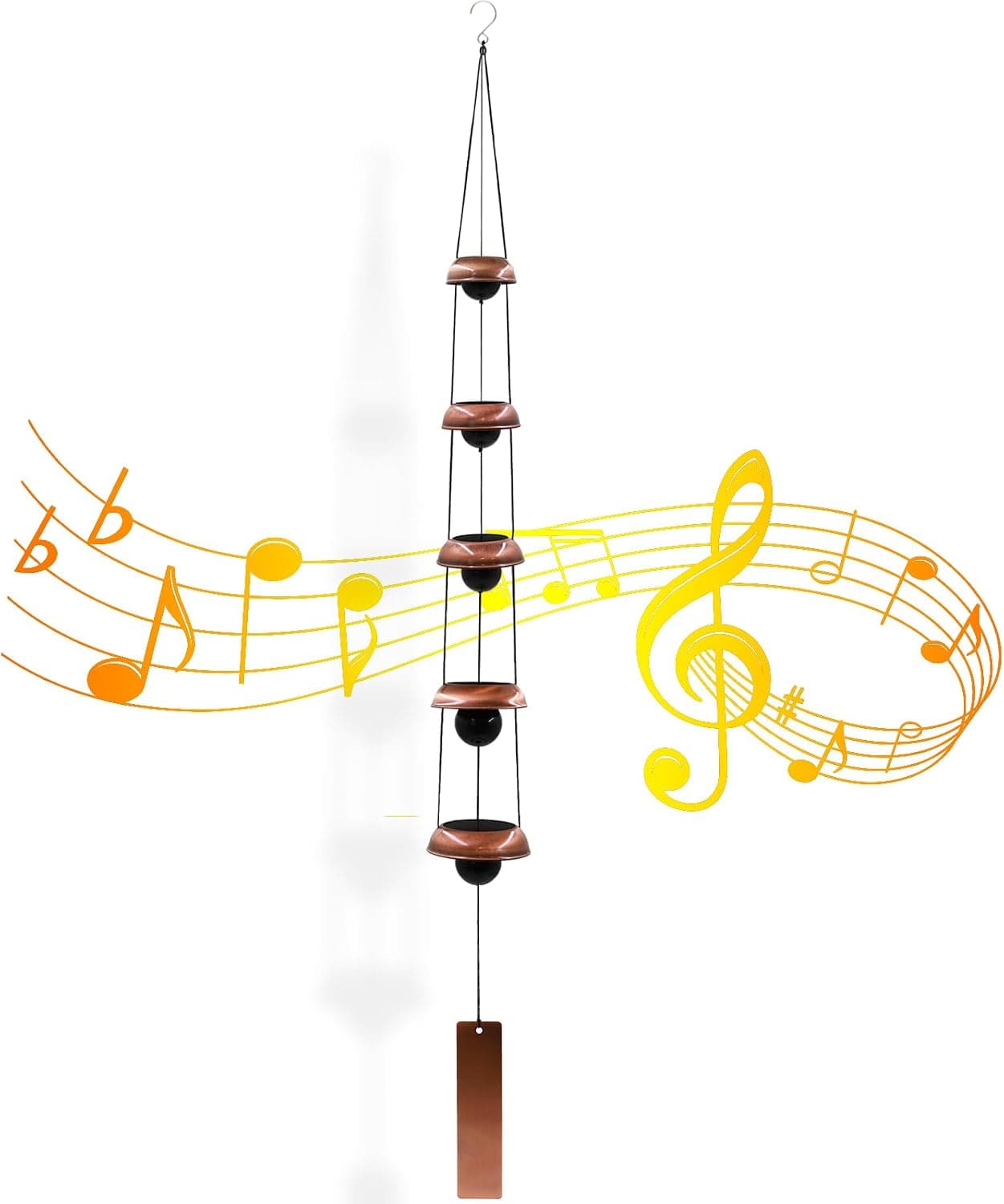
-19%Wind Chimes for Outside with 5 Bell Unique Copper Musical Chimes Feng Shui Wi...
 -5%
-5%YU FENG Evil Eye Money Tree, Blue Feng Shui Decor with Golden Buddha
 -29%
-29%Karma and Luck March Birthstone Crystal Tree of Life, Aquamarine Gemstone Fen...
 -29%
-29%Karma and Luck July Birthstone Crystal Tree of Life, Ruby Gemstone Feng Shui ...
As an Amazon Associate, we earn from qualifying purchases. We only recommend items our practitioners have personally tested.
Continue Your Journey
Explore these related guides to deepen your understanding:


Ready for Deeper Guidance?
Try our free I Ching reading for personalized wisdom, or explore our curated Feng Shui essentials.