A staircase can make a home feel rushed, even when every cure looks correct.
The Real Story Behind Feng Shui Definition
What's widely believed about Feng Shui Definition isn't the whole picture. People fix a desk, place a plant, hang a crystal, and still feel the house pulling them upward at the wrong moments, especially near stairs, lofts, and split-level landings. I've watched a quiet hallway turn tense the second a stairwell opened beside it because movement stopped being gentle and started becoming vertical. That change matters more than most people admit.
Here is the mechanism: qi does not move through a home like smoke in a straight line; it responds to shape, pace, and interruption. A staircase accelerates movement because it creates a repeated drop in support, step after step, and the body reads that as urge, haste, or exit. The mind follows. So a room near the stair landing can look beautiful and still feel unsustainable, which is why surface-level advice so often fails.
I once walked into a brownstone in Brooklyn where the owner had followed every online rule she could find. A jade plant sat in the east window of the dining room, the front door had a red mat, and a brass bowl was centered on the console table. Yet she was sleeping badly, missing deadlines, and arguing with her partner over small things like keys and groceries. The problem was not the bowl. It was the staircase rising beside the dining room wall, funneling motion through the house like a draft.
That is the part people miss: the system is not static decor. It is the interaction between movement paths and the body’s sense of settling. Once you see that, the old questions change, and mapping the rooms against the Bagua stops being an abstract exercise and becomes a way to trace where the house speeds people up, where it slows them down, and where it leaks attention.
Not all movement is helpful.
Step One: Read the vertical pressure
Start by locating every place in the home where energy changes elevation fast: main stairs, narrow staircases, attic steps, basement entries, and any split-level transition. These are not neutral connectors. They create an upward or downward bias, because the body has to brace, lift, and redirect on each step. In feng shui terms, that bias can overstimulate a nearby zone that should be resting, receiving, or holding income.
A stair that faces the front door can be especially loud in the energetic sense. Traffic rushes in, climbs, and disperses before it can gather. People love to say that a staircase is only a staircase. Wrong. A staircase becomes a directional engine, and the room around it starts adapting to that engine whether you notice or not.
Look at the landing, too. A landing with a mirror, a bright runner, and a shelf full of mail creates a different result than a landing with a blank wall and one stable lamp. The first setup tells the nervous system to keep moving. The second gives it a place to pause. That pause is not decoration; it is a control point.
Pause changes everything.
Step Two: Check which room absorbs the motion
The next question is simple: what room sits at the bottom, middle, or top of the stair? A bedroom under a stair run can feel compressed because the upward traffic presses into the ceiling line. A home office beside an open stairwell may produce scattered focus because the eyes keep tracking motion. A dining room adjacent to stairs can become a place where meals end quickly, conversations thin out, and nobody lingers long enough to finish a real discussion.
That is why some layouts need more than symbolic cures. A family I worked with in Seattle had a narrow gray staircase beside the kitchen, and every evening their teenage son ate standing up at the island, then disappeared to his room before anyone else sat down. They blamed screens. The screen was part of it, sure, but the bigger pattern was the staircase pulling the household toward dispersal. Once they added a solid-backed chair near the landing and moved a pale blue runner off the steps, dinner stretched by twenty minutes within a week. Not magic. Behavior responding to structure.
Try this with care: stand at the base of the stairs at night with the lights on, then again with only a small lamp nearby. Notice which version makes the space feel more abrupt. That feeling is data. It tells you whether the stair is overwhelming the room or simply connecting it. For a deeper look at how room placement affects sleep, see the bedroom layout habits that actually let a room settle.
Step Three: Slow the descent, then anchor the landing
Once you know where the pressure lands, you can interrupt the speed without making the house feel heavy. Materials matter here. A runner with soft texture breaks the visual snap of bare treads. A lamp at the landing creates a stopping point. A narrow console with one ceramic object does more than a crowded shelf because the eye gets one clear place to rest. The goal is not to clog the stairs. The goal is to reduce the sensation of being pushed through them.
Colors matter in a very specific way. A bright red stair wall may create too much excitation near a bedroom door. Deep charcoal can make a staircase vanish too much and create uncertainty on the descent. Warm neutral tones often work because they mute the sense of rush while still keeping the path visible. And no, that does not mean every house needs beige. It means the stair should support its neighbors instead of bullying them.
Common advice says to place a plant near every problem area. Sometimes that helps. Sometimes it just adds another object to a place already overworking the eye. A plant beside a stairwell can soften the hard geometry, but if it blocks circulation or sheds leaves onto the steps, the effect turns messy fast. The energy feels unfinished because the maintenance becomes unfinished.
Where the staircase idea goes wrong
People often copy rules without tracking cause and effect. They hear that a mirror can expand a narrow hall, so they hang one opposite a stair. Then the hallway feels busier, not calmer, because every person on the stairs doubles in visual presence. They hear that wealth needs activation, so they brighten the landing with strong light, and now the house feels like it never shuts off.
That is the core mistake: they treat each feature as isolated. Feng shui works through relationships. A stair beside a front door behaves differently from a stair beside a pantry. A stair beneath an upper window behaves differently from one trapped in a dark core. The same object can soothe one path and agitate another.
There is also the issue of over-correcting. If you pile cures onto the stair zone, the home starts looking corrected instead of lived in. I have seen bamboo flutes, faceted crystal, wind chimes, a money frog, and three separate red objects squeezed onto one landing. The result was not abundance. It was visual noise and a constant sense that something needed fixing. That pressure shows up as restless sleep, quick tempers, and the habit of leaving projects half done.
For readers trying to understand how movement, shape, and timing interact more broadly, five elements theory explains why a room can look correct and still feel off. The staircase is often the missing link because it changes the pace at which the elements are experienced, not just the objects that represent them.
Practical adjustments that hold up in real homes
Begin with the stair itself. Tighten any creaky tread, replace broken bulbs, and remove clutter from the first three steps. That sounds basic because it is. A loose, shadowed, or blocked stair makes the body anticipate instability, and anticipation becomes stress before the person even reaches the top. Fixing the mechanics of the climb often improves the atmosphere more than buying another cure.
Then test the landing as if it were a pause button. One grounded object, one stable light source, and one clear surface can change the reading of the whole passage. If the stair empties into a bedroom, pay attention to what the sleeper sees first on waking. If the first sightline is straight down the stairwell, the room can feel exposed. A partial screen, closed door, or shifted bed angle may help more than anything decorative.
In an upstairs hall painted soft cream, with a navy runner and a small oak table, I saw a family stop fighting about mornings after they changed only two things: they moved a mirror away from the staircase and replaced a glaring ceiling fixture with a shaded lamp. The house did not become silent. It became less jumpy. That difference showed up in small moments first—fewer slammed doors, fewer forgotten backpacks, fewer conversations starting with annoyance.
Don’t ignore the body’s verdict. Walk the stair at different hours, carrying laundry, holding a mug, coming home tired. The place that feels fine at noon can feel sharp at 10:30 p.m. under a blue-white bulb. That is why the best adjustment is rarely theoretical. It is tested against actual routines, actual fatigue, actual human movement.
Measure the house in motion.
Common mistakes that keep the pattern going
One mistake is treating the stair as the hero of the home. People spotlight it with dramatic lighting and patterned runners, then wonder why the entry feels louder than the living room. Another is hiding the stair completely. Total visual disappearance can create uncertainty, especially in older homes where the path should be readable.
Another common error is putting wealth symbols where people constantly rush past them. A lucky object on the wall beside a staircase gets ignored because the eye cannot stop there. Symbols need enough stillness to register. Otherwise they become wallpaper with better marketing.
Overcrowding the path is another classic slip. Shoes, umbrellas, packages, pet toys, and folded umbrellas on a stair landing create a tiny traffic jam that spills into the mood of the whole level. The house starts to feel provisional, like nobody fully arrived. That can show up as stalled plans, delayed payments, and the odd sense that everyone is always leaving but nobody is landing.
Questions readers ask after they notice the staircase effect
Is conventional Feng Shui Definition advice reliable?
Often not on its own, because it assumes objects work in isolation. A cure can be technically correct and still fail if the staircase, sightline, or room function is pushing in the opposite direction. I would trust advice more when it accounts for how people actually move through the home.
Can a staircase really affect sleep?
Absolutely, especially when the stairs sit near a bedroom or run beside the wall behind the headboard. The problem is not mystical drama; it is repeated motion, sound, and visual tension bleeding into the room. A sleeper may not name the cause, but the body notices the pattern.
Should I cover the stairs with more decor?
No, not by default. More objects can make the route busier and increase the sense of compression. Start with light, clarity, and safe footing; then add one or two elements only if they support the flow instead of interrupting it.
What if my house has a very open staircase?
Open stairs can be elegant, but they usually need stronger anchoring around them. Think in terms of stopping points: a rug, a lamp, a solid chair, a wall color that softens the edge. If you want to see how a beginner should approach their first reading of a home pattern, this is where a calculator can help and where it cannot.
Does every staircase create a problem?
No. Some stairs behave beautifully because the surrounding rooms are calm, the light is balanced, and the path is intuitive. The issue is not the presence of stairs. It is whether they dominate the rhythm of the house or simply support it.
Can a stair ever improve a house’s energy?
Yes, when it gives the home a clean spine and a clear sense of movement between levels. A well-lit, well-kept stair can make a place feel alive without feeling frantic. You notice it most when carrying something upstairs and the route feels almost effortless.
Look again at the landing tonight. Is it asking the eye to stop, or is it sending you right back into motion?
Mei Chen
Traditionally informed guidance • Cross-referenced with classical Chinese source texts
Content draws from both Compass (Luopan) and Form (Xingshi) school traditions. Illustrative examples are composites based on consultation experiences.
Practitioner-Selected Tools for This Topic
Items our team has tested and found effective for the principles discussed above. Individual results may vary.
 -19%
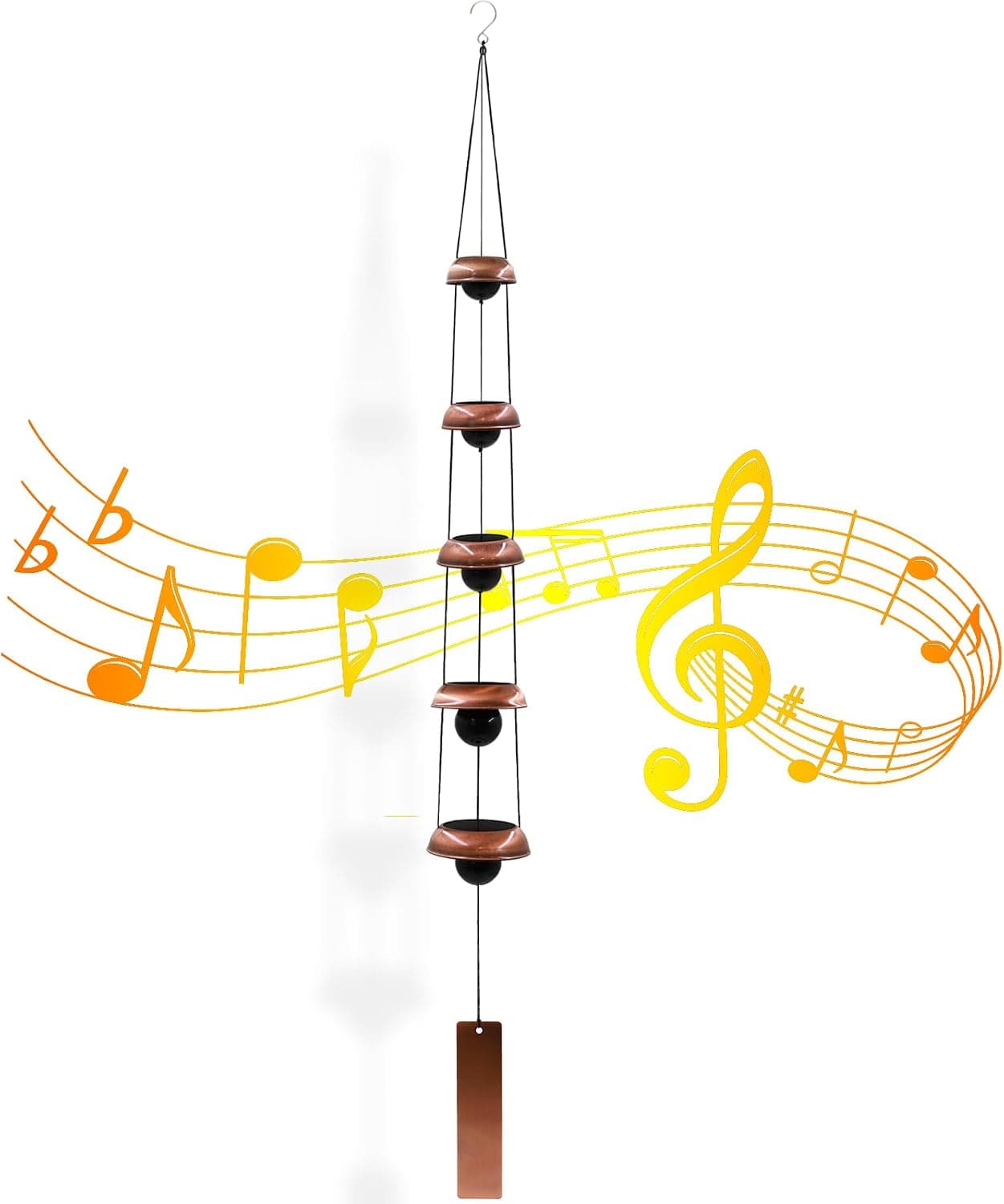
-19%Wind Chimes for Outside with 5 Bell Unique Copper Musical Chimes Feng Shui Wi...
 -5%
-5%YU FENG Evil Eye Money Tree, Blue Feng Shui Decor with Golden Buddha
 -29%
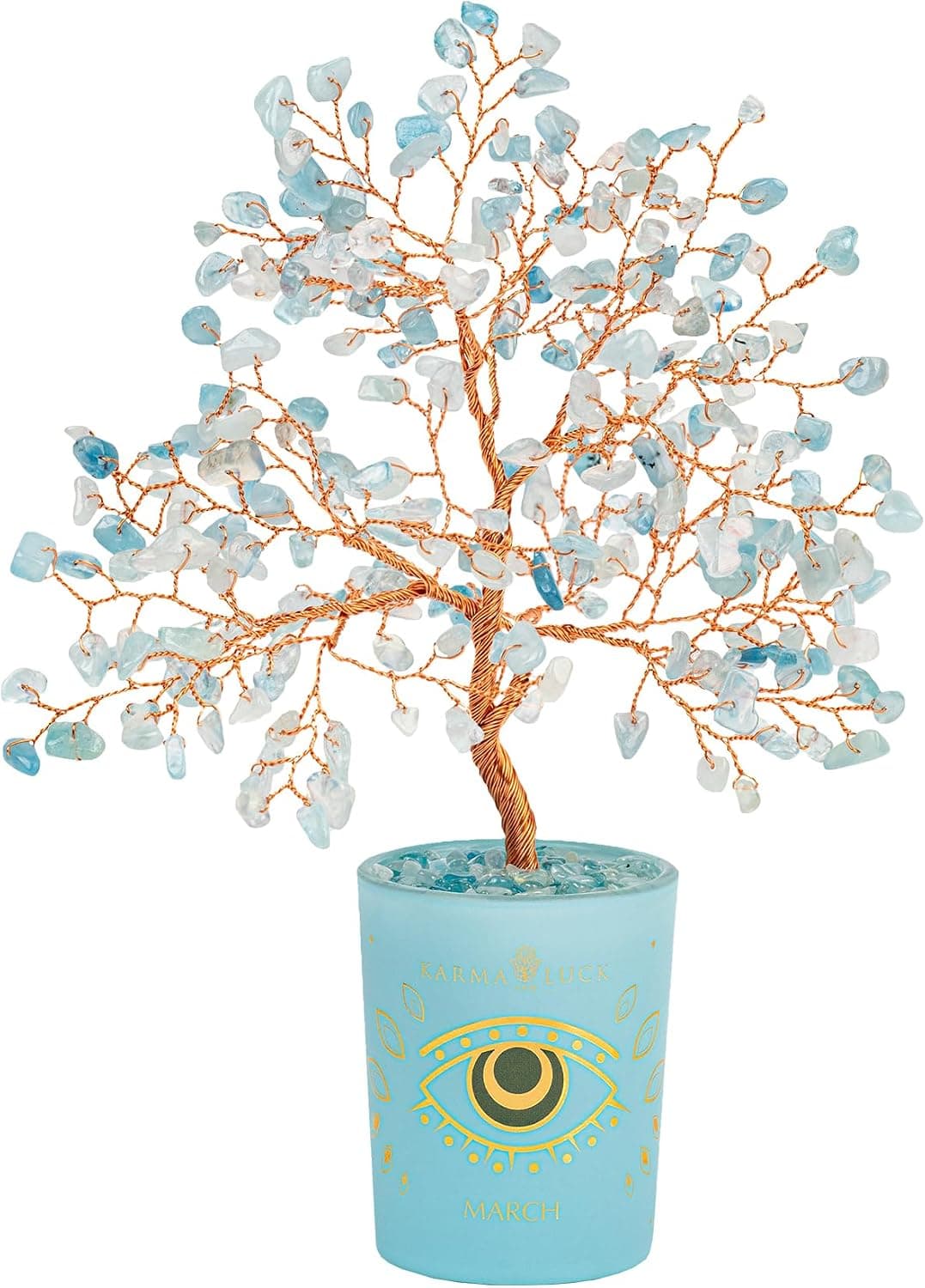
-29%Karma and Luck March Birthstone Crystal Tree of Life, Aquamarine Gemstone Fen...
 -29%
-29%Karma and Luck July Birthstone Crystal Tree of Life, Ruby Gemstone Feng Shui ...
As an Amazon Associate, we earn from qualifying purchases. We only recommend items our practitioners have personally tested.
Continue Your Journey
Explore these related guides to deepen your understanding:


Ready for Deeper Guidance?
Try our free I Ching reading for personalized wisdom, or explore our curated Feng Shui essentials.