A few well-placed objects can calm a room, sharpen its purpose, and stop energy from leaking out the wrong way.
When a room feels off, the answer is usually smaller than you think
I once walked into a narrow dining room with a black glass console, three mirrors, and a bright red vase sitting dead center on the table. The homeowner swore the space felt tense every evening, even when the house was quiet. She did not need a remodel. She needed better choices.
That is where the bagua map for room planning helps, but you do not always need to study every sector before improving a space. A few pieces of feng shui decor can change the mood fast if they support the room instead of fighting it. The wrong object can make a room feel busy, sharp, or scattered. The right one can make it feel settled in a single afternoon.
This matters most in money-sensitive situations: a first apartment, a rental you cannot renovate, a dated house that needs a quick lift, or a room that has decent furniture but poor flow. Good decor should do more than look styled. It should reduce friction.
And no, buying more stuff is not the answer. That idea sells products, not harmony.
For renters and small budgets: start with one object that changes the room's tone
If you only want one affordable piece, choose something that softens the room visually without introducing clutter. A ceramic bowl, a framed landscape, or a grounded lamp can do more than ten tiny accessories. Cheap does not mean weak. Cheap means you must be selective.
A matte ceramic bowl works especially well for entry tables, coffee tables, and bedroom dressers. It suits people who need a calm anchor in a room that feels restless. Use it to hold only one or two things, like keys or a folded note, and place it where you naturally drop items. I have seen a tiny beige bowl on a navy console stop a habit of dumping mail all over the hall.
A landscape print is a better fit than abstract chaos for most living spaces. It works because the eye rests instead of bouncing around. Hang it on a wall you see when entering the room, preferably at eye level, and avoid placing it behind a seat where it gets ignored. For this kind of visual support, a lot of people also pair the artwork with principles from a balanced living room layout.
One sentence matters here: fewer objects usually look more expensive.
For awkward corners: use decor that closes energetic gaps
Every home has one corner that seems to swallow attention. It might be the far end of a hallway, the blind spot beside a wardrobe, or the empty space next to a sofa that collects dust and nothing else. In feng shui, ignored corners often behave like leaks. The room looks unfinished, and people feel it without knowing why.
Here, a tall floor lamp, a weighted plant stand, or a sculptural vase can help, but only if the piece has presence. Do not place a tiny trinket in a large dead zone and expect it to fix anything. It will disappear. A 5-foot lamp with a warm bulb can make a forgotten corner feel intentional, especially in apartments with poor natural light. Put it where the eye lands from the doorway or from your main seating position.
I worked with a retired teacher in a pale gray guest room that had one empty corner and a rickety side chair nobody used. We added a cream floor lamp, a woven basket, and a small framed print with soft green hills. Within a week, she said the room no longer felt like storage. She started reading there every morning. That is the difference between filling space and directing qi.
If your corner problem comes from clutter, learn how to place living things and organic textures before adding more hard objects by reviewing practical plant placement ideas.
For bedrooms: choose decor that reduces motion, not decor that performs
Bedrooms are where people make the strangest decorating mistakes. They buy shiny things, mirrored panels, overly bright art, and decorative objects with too much visual noise. Then they wonder why sleep gets lighter and the room feels alert at midnight. Bedrooms need less commentary.
For this space, I prefer soft lamps, paired ceramic pieces, quiet artwork, and fabrics with texture but not shine. A table lamp with a linen shade belongs on one bedside table if you want a relaxed, grounded feel. A small covered box or shallow dish on the dresser is useful for jewelry, earbuds, or rings. Place them where your hands naturally reach, not where they create visual clutter. If the room already feels overstimulated, remove one item before adding anything new.
There is a reason people keep asking about bedside energy. The room influences sleep, recovery, and how quickly your body lets go of the day. For a more complete layout discussion, I often point readers to bedroom placement rules that actually matter. But for decor alone, the rule is simple: calm surfaces, warm light, low shine.
One sentence here can save you money: decorative mirrors in the bedroom are usually a bad bargain.
For workspaces: pick objects that support focus and follow-through
A home office needs a different kind of support. Here, decor should sharpen attention, not seduce it. This is where a clean paperweight, a small stone sculpture, or a restrained metal object can help. Those items suit people who want to feel organized, decisive, and less mentally noisy.
Place one focal object on the desk, not five. If the desk is near a wall, use a piece of art with depth rather than a busy pattern that competes with your screen. A navy, charcoal, or earth-toned item often works better than bright red in work zones because it steadies the visual field. If you are building a space around productivity, office placement basics for stronger focus will help you avoid common layout problems.
In one small study, a graphic designer had stacked gold figurines on every shelf because she thought “wealth energy” needed sparkle. The room looked expensive and felt exhausting. We replaced half of it with a single dark stone object, moved a lamp closer to the left side of the desk, and cleared the top shelf. She emailed me three days later saying she finished a proposal she had been avoiding for two weeks. That is what happens when decor stops shouting.
For wealth and visibility: use one strong accent, not a dozen symbols
If your goal is to support prosperity, the mistake is usually overcomplication. People scatter coins, frogs, lucky charms, and glossy accessories everywhere, then wonder why the room feels childish. Wealth energy does not respond well to desperation. It responds to order, clarity, and confidence.
A single quality accent in a wood, green, gold, or deep blue tone usually performs better than a pile of symbolic objects. A framed botanical print, a handsome bowl, or a well-made lamp can signal stability. Put the piece in the part of the room where you want attention to gather: a sideboard, console, shelf, or desk edge that is visible but not crowded. If you want one object with a traditional reputation for drawing opportunity, see how to position a money tree without clutter.
This is also where people overestimate sentiment and underestimate proportion. A tiny object on a huge buffet looks timid. A large object with the wrong finish can dominate the room. Size matters. Finish matters. Position matters.
For renters, students, and first homes: buy objects that travel well
When you move often or live with restrictions, flexibility matters more than symbolism. Choose decor you can take from bedroom to living room to office without starting over each time. A ceramic vase, a fabric lampshade, a framed print, and a decorative tray all travel well. They are also easy to remove when a room changes.
These pieces work because they can be repurposed. A tray becomes an entry catchall. A vase becomes a shelf anchor. A lamp becomes bedside lighting. That kind of flexibility is smart feng shui decor, because the object serves the room instead of demanding the room serve it. If you are deciding between style and use, choose use every time.
One surprising fact: the object you can move easily is often the one you will use correctly the longest.
Simple comparison: which piece fits which situation?
| Item | Best for | Price range |
|---|---|---|
| Ceramic bowl | Entries, dressers, coffee tables | $15-$60 |
| Landscape art | Living rooms, hallways, bedrooms | $25-$200 |
| Floor lamp | Dead corners, reading zones | $40-$250 |
| Linen-shade lamp | Bedrooms, soft-light spaces | $35-$180 |
| Stone paperweight | Desks, home offices | $10-$50 |
| Decorative tray | Renters, small homes, layered surfaces | $18-$75 |
If you buy just one thing
Buy a medium-sized ceramic bowl or tray in a quiet neutral tone. It is the easiest piece to place, the hardest to misuse, and the fastest way to stop visual scatter on an entry table, dresser, or coffee table. That makes it a practical first step for almost any room.
If the room is already crowded, remove one item before you add the bowl. That small discipline changes everything.
FAQ
Can feng shui decor really change how a room feels?
Absolutely, because your eyes and body react to shape, light, color, and placement before your mind explains anything. I have seen one lamp calm a corner and one mirrored object create instant agitation. The effect is subtle, but it is real.
Do I need expensive items for good results?
Not at all. A well-made $30 piece placed correctly will usually outperform a costly object shoved into the wrong spot. Expense can help with quality, but placement does the heavy lifting.
What should I avoid buying first?
Skip anything overly shiny, overly tiny, or so symbol-heavy that it feels like a souvenir shop. A room already crowded with meaning does not need more noise. It needs breathing room.
Is one style of decor better than another?
The surprising answer is no, not by itself. A room can handle modern, classic, or rustic pieces if the scale, texture, and position support the use of the space. The mistake is assuming style equals harmony.
One last rule before you shop
Do not buy decor to decorate a problem you have not named. First decide whether the room needs calm, focus, warmth, or closure. Then choose the object that supports that need. That is how good feng shui earns its keep.
Mei Chen
Traditionally informed guidance • Cross-referenced with classical Chinese source texts
Content draws from both Compass (Luopan) and Form (Xingshi) school traditions. Illustrative examples are composites based on consultation experiences.
Practitioner-Selected Tools for This Topic
Items our team has tested and found effective for the principles discussed above. Individual results may vary.
 -19%
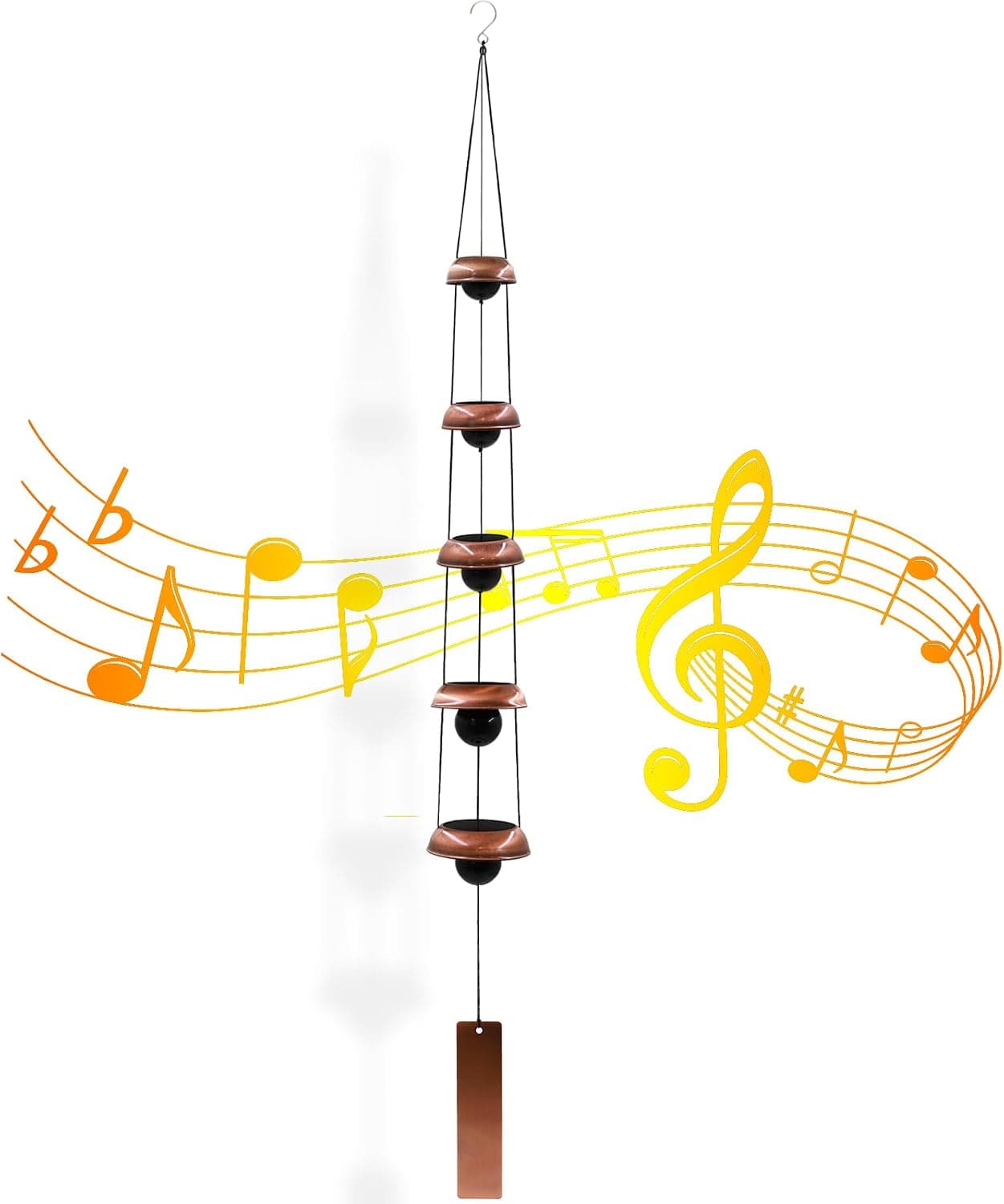
-19%Wind Chimes for Outside with 5 Bell Unique Copper Musical Chimes Feng Shui Wi...
 -5%
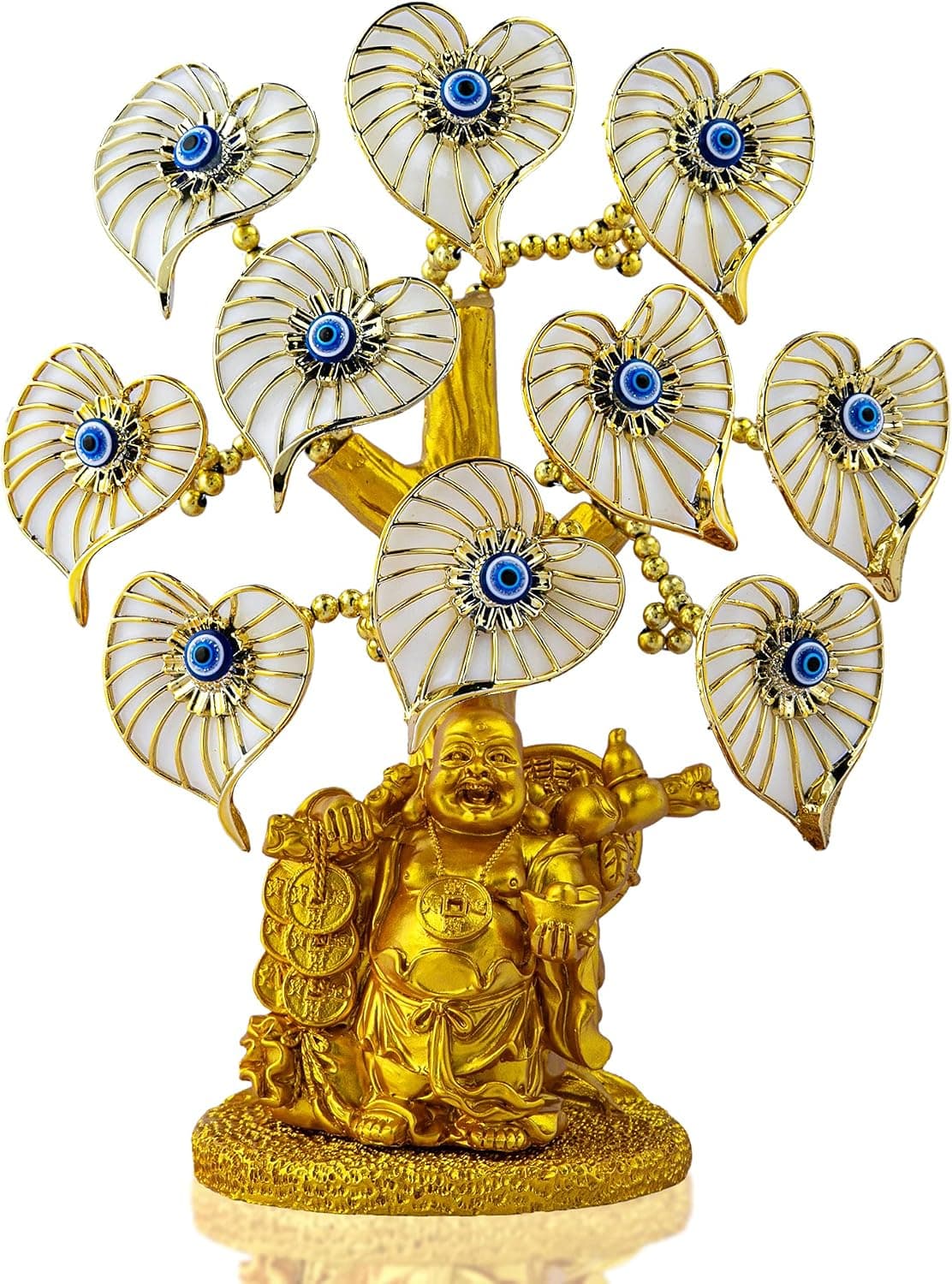
-5%YU FENG Evil Eye Money Tree, Blue Feng Shui Decor with Golden Buddha
 -29%
-29%Karma and Luck March Birthstone Crystal Tree of Life, Aquamarine Gemstone Fen...
 -29%
-29%Karma and Luck July Birthstone Crystal Tree of Life, Ruby Gemstone Feng Shui ...
As an Amazon Associate, we earn from qualifying purchases. We only recommend items our practitioners have personally tested.
Continue Your Journey
Explore these related guides to deepen your understanding:


Ready for Deeper Guidance?
Try our free I Ching reading for personalized wisdom, or explore our curated Feng Shui essentials.