The right object in the right spot can change how a room feels in days, not months.
When a Dallas house feels edgy, the answer is usually simpler than the décor
I’ve walked into Dallas homes that were beautifully finished and still somehow tense. The sofa was tailored, the art was expensive, the pendants were installed perfectly, and yet the room had that wired feeling that makes people interrupt each other and sleep lightly. In my experience, that is where practical feng shui earns its keep. You do not need a house full of symbols. You need the right object solving the right problem.
That is how I approach feng shui dallas in real homes. The spaces here tend to be open, bright, and a little fast in the way energy moves. So the fixes should slow, settle, and gather. Not impress. A purchase should change how people behave in the room. If it only photographs well, it is probably the wrong buy.
Most people don’t realize this until they’ve already spent money on the wrong thing: the room that feels off is usually the room that needs attention first.
Start with the area that actually creates friction. Is it the front door that feels exposed? The bedroom that never fully quiets down? The office that drains your focus by lunch? Each one asks for a different kind of support, and that is where people waste the most money, buying attractive objects for the wrong job.
If the entry is part of the problem, pair any purchase with the basics of front door energy flow. A decent entry setup can make a modest item work far harder than an expensive one ever could.
1. For the front entry, use a heavy ceramic bowl or tray that only does one job
This is the simplest fix for a foyer that becomes a magnet for keys, mail, dog leashes, receipts, and whatever else gets dropped the second someone walks in. A heavy ceramic bowl works because it creates a stopping point. It tells the house, in effect, “arrive here, then settle.”
In Dallas homes, especially the ones with long hallways or open sightlines, that landing point matters. A light glass dish can feel too airy and get ignored. I prefer stoneware, clay, or another material that has actual weight in the hand. Put it on a console or shelf just inside the door, and give it one purpose only. Keys in. Mail somewhere else. That’s the rule.
I once helped a couple in Lakewood replace a clear glass catchall with a matte cobalt bowl on a narrow entry table. The table sat beside a framed print in soft gold, and the hallway was painted a pale taupe. By the end of the first week, they told me the “key pile” had stopped migrating into the dining room. Small? Yes. But that kind of change is how a house starts behaving better.
If the doorway itself feels too open or too exposed, review this front-door placement guide before you buy anything else.
2. For a bedroom that won’t settle, choose two warm bedside lamps
If the bedroom looks fine but sleep still feels thin, lighting is usually the first thing I check. Overhead fixtures are too blunt for a room meant to restore you. One bright lamp on one side is nearly as bad. A matched pair of bedside lamps creates balance and tells the body the day is over.
Keep the light soft. Linen shades, frosted glass, or paper shades are all better than bare bulbs or cool-white LEDs. If the room allows it, place the lamps on similar nightstands so the visual weight feels even. This is one of the smartest purchases you can make because it shifts both atmosphere and habit at the same time. After the lighting is right, you can compare the rest of the room to a proper bedroom layout.
In a Preston Hollow primary bedroom, I saw a nurse swap a harsh ceiling fixture for two warm lamps with off-white linen shades. The room had a navy upholstered headboard, a pale oak dresser, and a cream rug that had gone dull under the old light. Nothing else changed. Ten days later she told me bedtime felt “quieter.” That is the kind of result I trust.
Quiet is not decorative. It is functional.
3. For a scattered home office, put one solid wood object where your eyes can land
Not every office needs more storage. Some offices need one steady thing to look at. A small walnut book stand, a paperweight, or a compact desktop sculpture can help because it gives the mind a fixed point in a field of screens, cords, and to-do lists. Wood is especially useful when the room feels metallic, cold, or overly digital.
Place it across from your chair or just off to the side of the monitor, where your eyes naturally rest between tasks. The goal is not to decorate the desk. The goal is to interrupt visual scatter. If your office is really a corner of the dining room or bedroom, this becomes even more useful because one grounded object can make a temporary workspace feel deliberate instead of improvised. For layout ideas, take a look at how to position a work area for better focus.
I’ve seen this more than 200 times in homes where people work remotely: when the desk looks fractured, focus follows the same pattern. A small object with real substance can help more than another organizer.
A young architect in Uptown had a white desk, a silver task lamp, two open sketchbooks, and a laptop buried under sticky notes. He added a low walnut block that held his pad upright. He thought it was only a visual touch. Two weeks later he said it was the first thing on the desk that made him sit down and start working without fidgeting. That’s a real feng shui shift: less noise, more follow-through.
4. For a money-minded room, place a healthy money tree in a ceramic pot
If you want one object that feels hopeful without turning cheesy, this is the one I’d start with. A money tree supports growth, but it does not force anything. It belongs in a room where you want momentum: a bright corner of the living room, a dining room with good natural light, or a home office that already feels functional.
Use a plain ceramic pot with some visual weight. Skip the tiny novelty container that makes the plant look temporary. Give it bright indirect light and keep it healthy. A plant that struggles is not a symbol of abundance; it is just a stressed plant. If you want to place it with intention, use money tree placement basics so it is not tucked into a dead corner and forgotten.
For people who like a broader system, bagua mapping for the home can help you decide where the plant makes the most sense. But don’t overcomplicate it. A visible, cared-for plant does more work than a shelf full of objects with meaning attached to them.
Most people don’t realize how much better a room feels when something living is respected there.
5. For a noisy family room, use a bowl of smooth stones or another low, weighty object
This is for homes where the living room never really slows down. Children run through it, voices overlap, devices glow, and even the furniture seems to be in motion. In a room like that, light decorative objects often feel flimsy. A bowl of river stones, a low stack of books, or another weighted piece can help lower the visual speed of the space.
Put it where people naturally pause: a coffee table, a side table, or a bookshelf at seated eye level. Don’t turn it into a shrine. That misses the point. I like this fix in open-plan Dallas homes because large rooms need something humble and grounded to counter all the spread. The object should feel settled enough that the room takes a cue from it.
One family in a Knox-Henderson townhome kept ending each evening in the same shouting match. They placed a shallow clay bowl of dark gray stones on the coffee table and added a folded throw in deep green on the arm of the sofa. The arguments didn’t vanish, but the room stopped feeling like a stage. People stayed seated longer. Their voices dropped. That is what a good adjustment looks like in practice.
6. For a room that feels exposed, hang floor-length curtains in a fabric with some weight
Rooms with too much glass, too many hard edges, or too much direct light often need softness more than they need more décor. A floor-length curtain is not just a finishing touch. It acts like a boundary. It gives a room a sense of enclosure that bare windows do not provide.
Choose linen, cotton, or another cloth that hangs with substance. Thin material that flutters in the air rarely helps. The curtain should reach the floor or nearly reach it. This works especially well for windows facing busy streets, neighboring houses, or a harsh afternoon sun. In Dallas, where bright exposure can make a room feel sharper than intended, fabric can do real work. If you want to build on that softness, combine this with living room arrangement principles.
I once saw a chef in a Bishop Arts apartment replace short pale drapes with deep taupe panels that touched the floor. The room changed by that evening. Television glare softened, the sofa looked anchored, and the whole space sounded less brittle. Fabric can do that when you choose it with care.
Sometimes the room just needs permission to rest.
7. For a tight budget, use one crystal or amethyst and stop there
If you want a small, affordable adjustment, one well-chosen crystal can be enough. I prefer this when a home already has decent bones and just needs a little refinement. The mistake people make is multiplying the objects. One piece is intentional. Six pieces becomes clutter with a spiritual label.
Put it somewhere you actually see it, not somewhere you will forget it. A desk, a bedside shelf, or a table near the bedroom door works well. If you want to choose based on purpose instead of trend, review amethyst use and placement. Then leave it alone. The best results come from restraint, not from building a display.
If you’re testing whether a room benefits from a calmer focal point, this is the least expensive way to find out.
Quick comparison
| Item | Best for | Price range |
|---|---|---|
| Weighted ceramic bowl | Busy entries and clutter control | $20-$60 |
| Pair of bedside lamps | Bedrooms that feel too bright or unequal | $60-$250 |
| Solid wood desktop object | Home offices and scattered focus | $15-$80 |
| Money tree in ceramic pot | Growth-minded rooms and gentle abundance support | $25-$120 |
| Bowls of stones or weighted decor | Overactive family rooms and shared spaces | $10-$50 |
| Floor-length curtain | Exposed rooms with too much glass or glare | $40-$200 |
| Single crystal or amethyst | Small-budget focus and subtle calm | $8-$75 |
If you buy only one thing, fix the room that is causing the most friction
That is the honest answer. Not the prettiest item. Not the one your friends will compliment. Start with the object that changes the hardest room first. If the entry is chaotic, begin there. If sleep is off, handle the lighting. If work drains you, anchor the desk. A good purchase earns its cost by making daily life less abrasive.
I’ve seen people in beautiful homes spend a lot of money on objects they never needed because they wanted a feng shui look. That never holds. Choose the item that solves the real problem in front of you, and let the room prove the result over a few days.
That’s the whole method.
FAQ
Do these items work in apartments as well as houses?
Yes. In smaller spaces, a single useful object often has a stronger effect because it sits closer to daily behavior. A clear entry bowl or a soft bedside lamp can change the feel of the whole place within days.
Should I only buy from local shops?
No. Fit matters more than source. I’d rather see a plain ceramic bowl from a hardware store doing real work than an expensive import sitting there looking decorative and ignored.
What if my room already looks good but still feels wrong?
Then the issue is probably not style. I usually start with lighting, clutter points, and the room’s main focal object. A room can be pretty and still be hard to live in.
Can one item really change an entire home?
Sometimes it starts the chain reaction. A better front entry changes how people come in, pause, and move. Once that pattern shifts, the rest of the house usually becomes easier to tune.
Mei Chen
Traditionally informed guidance • Cross-referenced with classical Chinese source texts
Content draws from both Compass (Luopan) and Form (Xingshi) school traditions. Illustrative examples are composites based on consultation experiences.
Practitioner-Selected Tools for This Topic
Items our team has tested and found effective for the principles discussed above. Individual results may vary.
 -19%
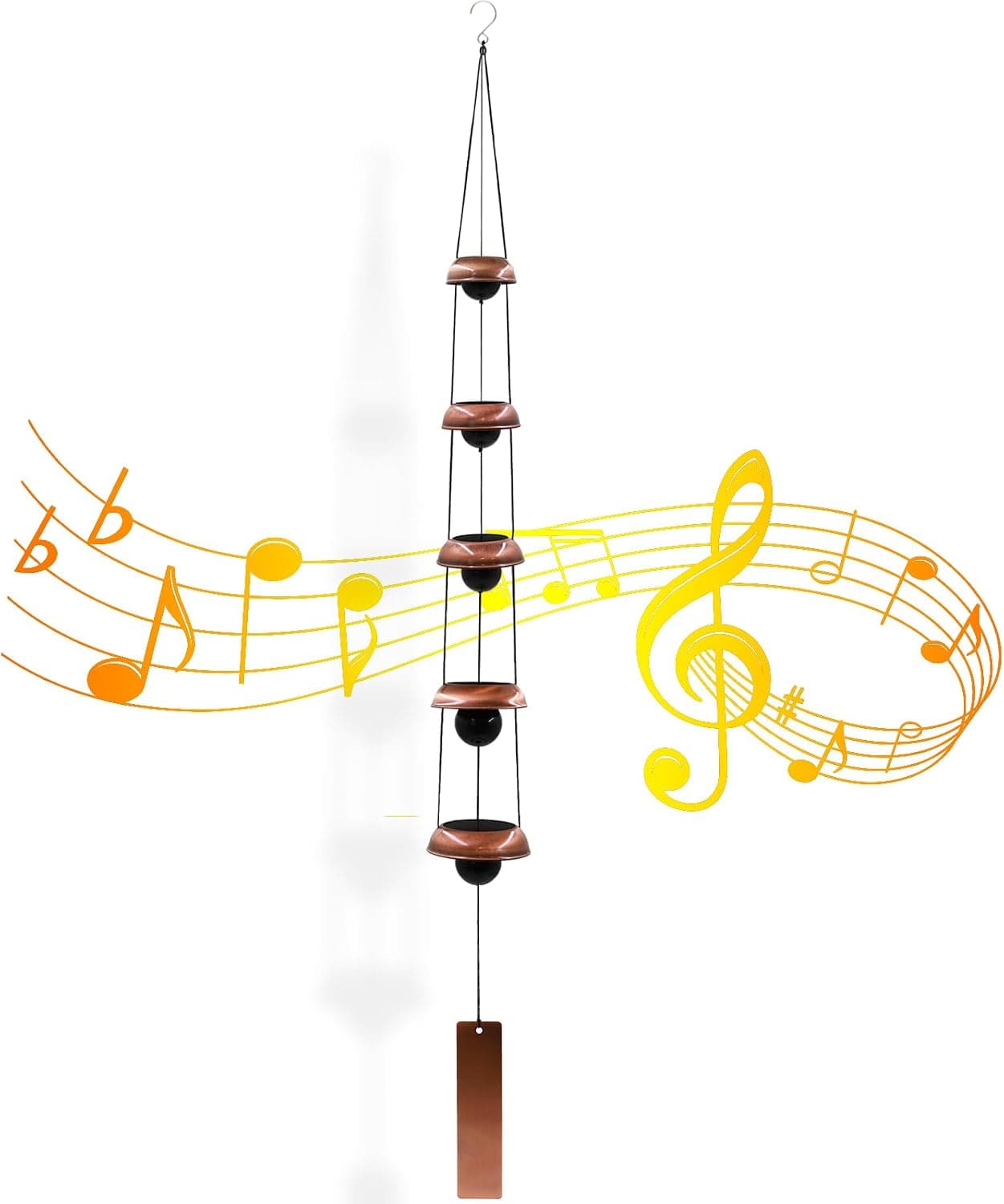
-19%Wind Chimes for Outside with 5 Bell Unique Copper Musical Chimes Feng Shui Wi...
 -5%
-5%YU FENG Evil Eye Money Tree, Blue Feng Shui Decor with Golden Buddha
 -29%
-29%Karma and Luck March Birthstone Crystal Tree of Life, Aquamarine Gemstone Fen...
 -29%
-29%Karma and Luck July Birthstone Crystal Tree of Life, Ruby Gemstone Feng Shui ...
As an Amazon Associate, we earn from qualifying purchases. We only recommend items our practitioners have personally tested.
Continue Your Journey
Explore these related guides to deepen your understanding:


Ready for Deeper Guidance?
Try our free I Ching reading for personalized wisdom, or explore our curated Feng Shui essentials.