The same crystal can calm a bedroom, energize a desk, and clutter a hallway if you ignore the room’s job.
Quick start: match the stone to the room’s real job
If a crystal feels “wrong,” I rarely blame the stone first. I look at the room. A rose quartz sphere can soften a bedroom beautifully, then feel cloying in a home office where you need clean decisions and less sentiment. Black obsidian can steady a chaotic entry, then make a nursery feel heavy and over-guarded. Room purpose comes before crystal symbolism every time.
Most people don’t realize that feng shui crystals placement by room is less about the stone and more about the job the space is trying to do. Ask three questions before you set anything down: What happens here, where does energy enter, and what quality do I want to strengthen? That order prevents most of the mistakes I see in consultations. If you want a deeper map for zones, pair this with bagua zone crystal alignment. For the front of the house, I also recommend entryway crystal tips before you place anything near the door.
One well-chosen crystal in the right spot will outperform five pretty stones scattered around a shelf.
And sometimes the smartest placement is no placement at all.
The rule that changes everything: function beats symbolism
People love labels. Wealth crystal. Love crystal. Protection crystal. Those labels can be useful, but they can also make people lazy. A citrine point does not create prosperity if it sits beside receipts, dead batteries, and a lamp that flickers every time the ceiling fan starts up. The room either supports the stone or drains it.
In my experience, bedrooms are where this mistake shows up most. I’ve seen dozens of rooms with amethyst on both nightstands, yet the owner still slept in short, broken stretches. The crystal was not failing. The problem was the mirror facing the bed, the charger under the pillow, and the stack of work folders on the dresser. The room was acting like a daytime office while pretending to be a place of rest.
Think in layers: room function first, then bagua area, then crystal type, then height and distance. That sequence keeps feng shui practical instead of turning it into decoration with a philosophy label. If you are mapping by sector, understanding bagua map will help you place stones with much more precision.
Place the crystal where the room actually gathers energy, not where the shelf happens to be empty.
Entryway and hallway: protect the threshold without clogging it
The entry sets the tone for the whole home. It is where qi lands, pauses, and decides whether to move in or rush through. For that reason, I like grounding stones here: black tourmaline, black obsidian, and clear quartz are common choices. Just do not let them become obstacles. A crystal sitting in the walking line is a trip hazard physically and energetically.
Last autumn, I visited a narrow Oakland entry with a low mirror, a black console, and a bowl of mixed crystals right in the center. The homeowner, Elena, a nurse working rotating shifts, said everyone came through the door tense and left their bags in the hallway like they were escaping a fire. We cleared the middle of the console, kept one clear quartz point angled inward, and moved the rest to the side. A week later she texted me that the hall felt quieter and nobody was dumping coats on the floor anymore.
If you want a front-door-specific setup, use front door feng shui placement ideas. The goal is simple: welcome energy, don’t trap it in decorative clutter.
For a crystal ball near a window or sidelights, be careful. Glass and direct sun can scatter energy too aggressively. The approach in window crystal ball detail is better than improvising.
Living room: support flow, not visual overload
A living room usually carries two jobs at once: connection and movement. People talk, snack, cross the room, and sit facing screens. That means crystals here should open the space without making it feel restless. Clear quartz, smoky quartz, amethyst, and softer rose quartz can work well when they are not fighting the traffic pattern.
Put the crystal where it can be noticed without becoming something guests dodge. A coffee table piece can work if it is low, stable, and not crowded with candles, remotes, and decorative beads. A sideboard is often better because it lets the stone influence the room without competing with conversation. If the room already feels busy, choose one anchor instead of several small pieces all trying to do the same job.
For room-specific guidance, the article on living room crystal section goes deeper into seating, focal points, and how to avoid over-activating a room that already has a television and bright lighting. The most common mistake I see is too much sparkle. People buy a stone because it looks uplifting, then place it under recessed lights beside glass decor and a screen. That is not harmony. That is visual noise.
One stone on a walnut console beside a healthy plant can do more than a shelf full of polished spheres.
Bedroom: soften the space, then take your hands off it
The bedroom is where people overdo it. They want love, healing, and peace, so they add every pink and purple stone they own. Then the room starts to feel emotionally crowded. In bedrooms, crystal placement should be low, gentle, and selective. Rose quartz, amethyst, and celestite are common choices, but the real question is whether the room already has too much yang energy from electronics, mirrors, or sharp furniture edges.
Keep crystals out of the direct line of sight from the pillow if you are a light sleeper. Many people rest better when the stones are present but not dominant. I once worked with a software engineer named Marcus in a small guest room he had taken over after a divorce. He had a tall amethyst tower on the dresser, a rose quartz heart on each nightstand, and a pink crystal lamp glowing at bedtime. The room was lovely and emotionally loud. We removed the lamp, kept one small rose quartz sphere on the far side of the dresser, and left the nightstands almost bare. Two nights later he told me the room felt less like a question and more like a breath.
If you want a room-specific method, use bedroom crystal placement section for the wider layout and bedroom-specific crystal guide if your goal is relationship energy. A nightstand can hold a crystal, yes, but not if the surface is already overloaded with books, lip balm, chargers, and a glass of water you never finish. At that point the stone is just decorating stress.
Home office and study: choose focus over mood
A work space needs clean intention. That sounds plain because it is. Plain is often what works best. In a home office, crystals should sharpen attention, reduce mental drag, and support one clear task. Clear quartz is reliable here. Fluorite can help some people sort thoughts. Black tourmaline is useful if the room feels too open to outside noise or to other people moving around the house. But no crystal can rescue a desk buried under cords, unopened mail, and three coffee cups.
Place the stone near your dominant hand if you want it to reinforce action. Put it at the far edge of the desk if you want a broader field without turning it into a fidget object. Keep it out of your elbow path. That matters more than most people think. I’ve seen a compact citrine cluster on a mouse pad sabotage an otherwise well-organized office simply because the owner kept bumping it and adjusting it every morning. We moved it to the upper left corner, paired it with a clean notebook, and the client said the desk stopped feeling like it was arguing with him.
For choosing the right stone in a workspace, best feng shui crystals guide is a useful companion. A work crystal should feel disciplined, not performative.
Quiet placement often does more than dramatic placement.
Kitchen, dining room, and bathroom: restraint usually wins
These rooms are where enthusiastic placement goes off the rails. Kitchens already contain heat, motion, knives, water, and a lot of quick movement. If you use a crystal here, keep it modest and intentional. A small clear quartz or a grounded stone can sit on a shelf or side counter, but nothing should be close to splashes or food prep. The dining room can handle a simple centerpiece if the table is used for meals instead of storage.
Bathrooms are a different story. They are naturally draining spaces, so heavy crystal use can feel awkward unless you are correcting a very specific imbalance. In many homes, less is better, especially in a small or humid bathroom. If you insist on placing something there, choose a simple piece that is easy to clean. I have seen delicate clusters sit on window ledges above sinks until they looked tired and chalky after a couple of months. Humidity does not negotiate.
Still, restraint is not the same as doing nothing. A single clear or white stone near a dining room hutch can support clarity around meals and conversation. A kitchen windowsill can hold a modest crystal if it is well away from steam and traffic. But if the room already feels busy, removing one object usually does more than adding another stone and calling it balance.
Wealth corners: activate carefully or you are just decorating a dusty angle
The wealth area gets a lot of attention because people want results. Fair enough. But this is where shoppers make the loudest mistakes. They buy a wealth crystal, drop it into the back left corner, and then leave it beside old magazines, a broken charger, and a lamp that needs a new bulb. That corner does not feel prosperous. It feels forgotten.
To activate a wealth sector, the crystal needs a clean, stable, and well-lit home. Citrine, pyrite, and green aventurine are common choices, but they work best when the corner itself is maintained. Clear the area first. Then place the stone. Then leave it alone long enough for the space to settle. I’ve seen this over 200 homes: the crystal is rarely the weak link. The clutter is.
For broader abundance context, connect this with wealth and abundance feng shui items. And if you are mapping the sector itself, use the bagua article mentioned earlier. Do not scatter money stones in every room and call it intention. Wealth grows through clarity, not repetition.
Ask yourself one hard question: does this crystal make the room easier to use, or does it just make the corner look spiritual?
How to choose the right crystal for each room
Start with the need of the room, not your favorite color. If the space needs calm, choose a stone with a softer presence. If it needs focus, use something cleaner and more structured. If it needs protection at a threshold, go for a grounded stone with stronger visual weight. If it supports relationships, choose something that softens edges without turning sugary or sentimental. The room sets the tone; the crystal reinforces it.
Shape matters more than beginners expect. Spheres diffuse energy. Points direct it. Clusters radiate outward. Tumbled stones feel casual and flexible, while raw stones can feel more anchored and assertive. When a room already has hard architectural lines, a rounded form can ease the geometry. When a room feels vague, a point can give it direction. I’ve watched a tiny clear quartz point on a bookshelf steady a study more effectively than a large tower sitting in the middle of the desk.
Color matters too, but not in the simplistic “pink equals love” way people love to repeat. Pink can help soften a room, yes, but in a space already filled with red accents it may feel overstimulating. Green can support growth, but in a dim room it may look heavy if nothing else brightens the area. Match color to lighting, furniture, and the emotional temperature of the room.
Common mistakes that weaken crystal placement
The first mistake is overload. Too many stones turn a room into a showroom and dilute the intention. The second is mismatch. A high-energy stone in a room that needs rest will make people restless. The third is dust. I am not being poetic. Dust dulls the look and the feel. Clean the stones. Clean the shelf. Clean the room.
The fourth mistake is treating crystals like a substitute for basic feng shui hygiene. If a bedroom has an exposed closet, a broken lamp, or a mirror pointing at the bed, a crystal will not erase the problem. The fifth is moving stones every few days because you are chasing a sensation. That habit makes the space unstable. Placement needs patience. Let the room answer you.
One more thing people miss: a crystal can be correct for the room and still be wrong for the scale. A huge piece in a tiny apartment creates pressure. In compact homes, a smaller stone often works better because it speaks quietly. Quiet is not weak. Quiet is precise.
How to set things up room by room without overthinking it
Begin with the entry, then the main gathering room, then the bedroom, then the work area. That order covers the spaces most people feel first each day. Use one crystal per purpose instead of one crystal per fear. If you want support for sleep, place one gentle stone in the bedroom and stop. If you want focus, place one grounded stone on the desk and clear the clutter around it. If you want a stronger first impression, tend the entry before buying another cluster.
That is where feng shui crystals placement by room becomes useful instead of decorative. Room by room means room by room. Not by trend. Not by the label on the box. The home tells you what it needs if you slow down long enough to watch it.
And yes, sometimes the correct placement is no placement at all. That annoys people who want a quick fix, but the best homes I have seen use crystals as precise accents, not emotional wallpaper.
FAQ
Can I use the same crystal in more than one room?
Yes, if the stone genuinely suits each function and the house still feels coherent. I usually prefer one stone doing one job well, rather than one crystal being dragged from room to room and losing its purpose. If you only own a single clear quartz piece, put it where the need is strongest.
Do crystals work better in pairs or alone?
Pairs can be helpful in bedrooms or side-by-side seating, especially when symmetry calms the room. But pairs also double the visual weight. If you are unsure, start with one and watch how the room feels for a week. You can always add later.
Should I cleanse a crystal after moving it?
Usually, yes, especially if it has come from a crowded shelf or a room that felt emotionally heavy. A simple cleansing resets the stone and resets your own attention too. After that, set the purpose clearly and leave it alone for a while.
Can I place crystals in a child’s room?
Sometimes, but safety comes first. Choose stable, non-breakable pieces and keep them out of reach. A child’s room should never feel weighed down with feng shui objects. If the room already feels calm and secure, you may not need a crystal there at all.
Why does a crystal look beautiful but feel wrong in a room?
Because visual appeal and energetic fit are not the same thing. A stone can look perfect and still clash with the room’s function, traffic pattern, or emotional tone. Give it 24 hours. The first glance is not always the best judge.
What if my home is too small for room-by-room placement?
Then place fewer stones and let each one work harder. In a compact home, the entry, the sleeping area, and the work surface usually matter most. Small spaces reward restraint more than abundance.
Mei Chen
Traditionally informed guidance • Cross-referenced with classical Chinese source texts
Content draws from both Compass (Luopan) and Form (Xingshi) school traditions. Illustrative examples are composites based on consultation experiences.
Practitioner-Selected Tools for This Topic
Items our team has tested and found effective for the principles discussed above. Individual results may vary.
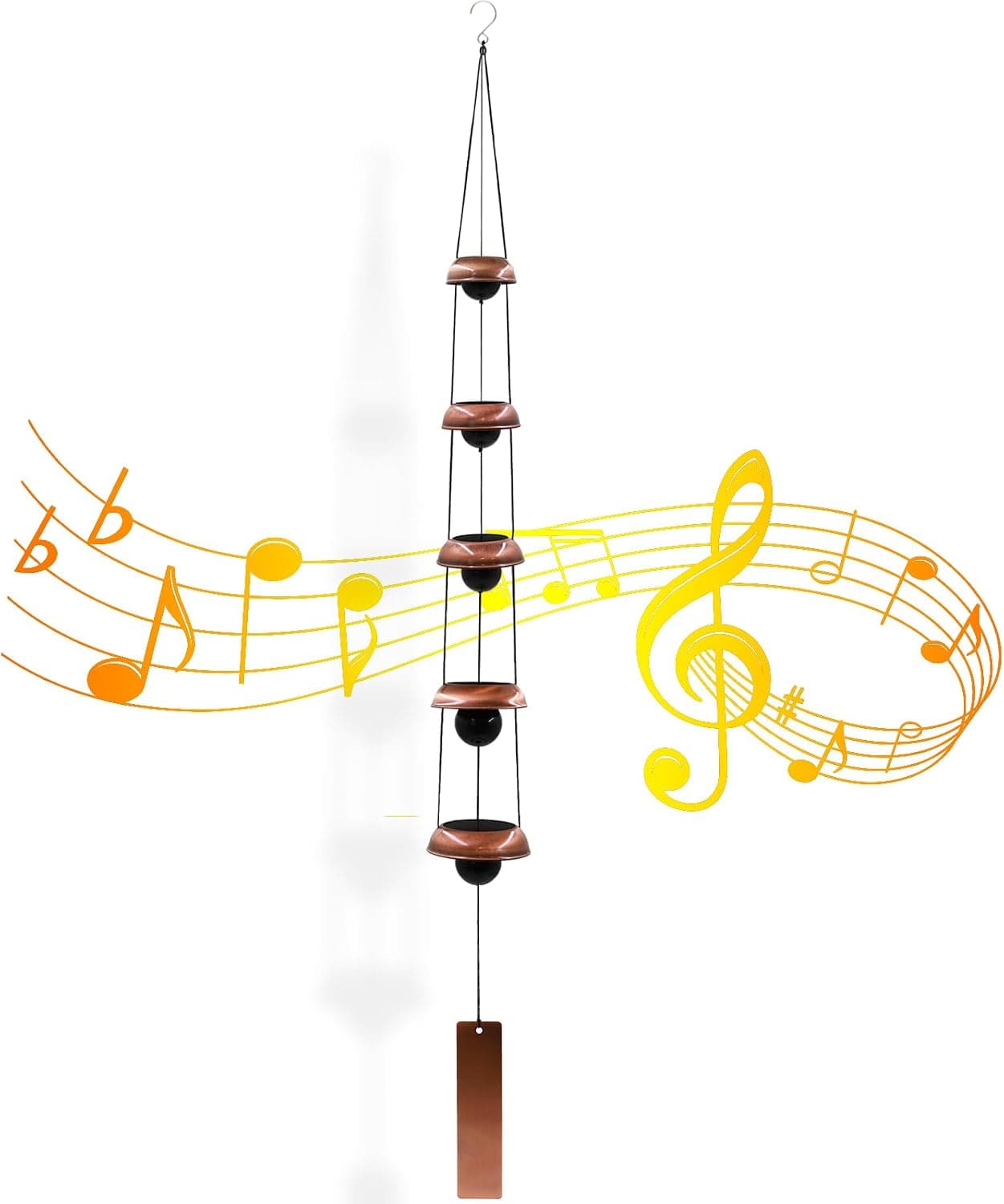 -19%
-19%Wind Chimes for Outside with 5 Bell Unique Copper Musical Chimes Feng Shui Wi...
 -5%
-5%YU FENG Evil Eye Money Tree, Blue Feng Shui Decor with Golden Buddha
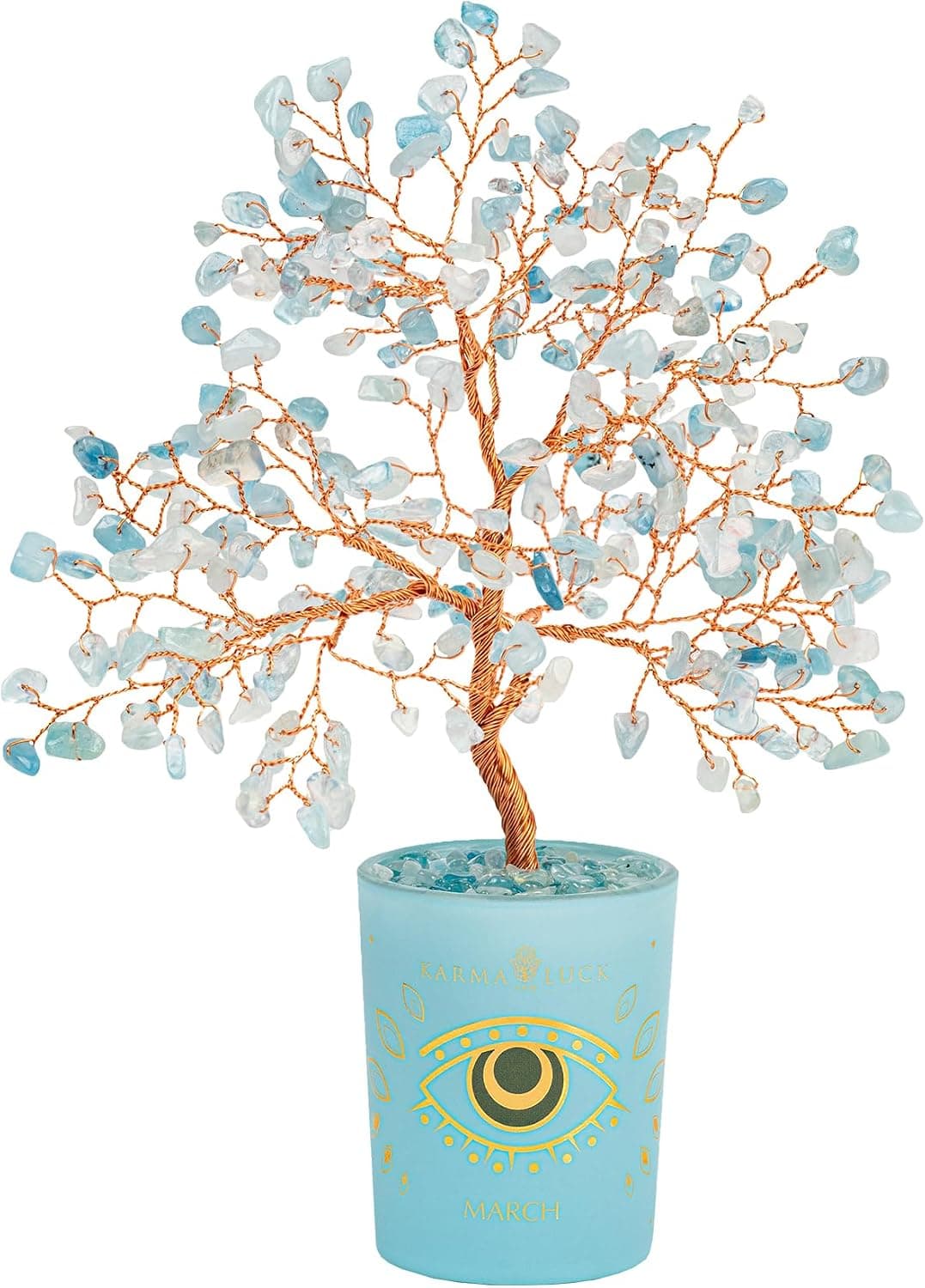 -29%
-29%Karma and Luck March Birthstone Crystal Tree of Life, Aquamarine Gemstone Fen...
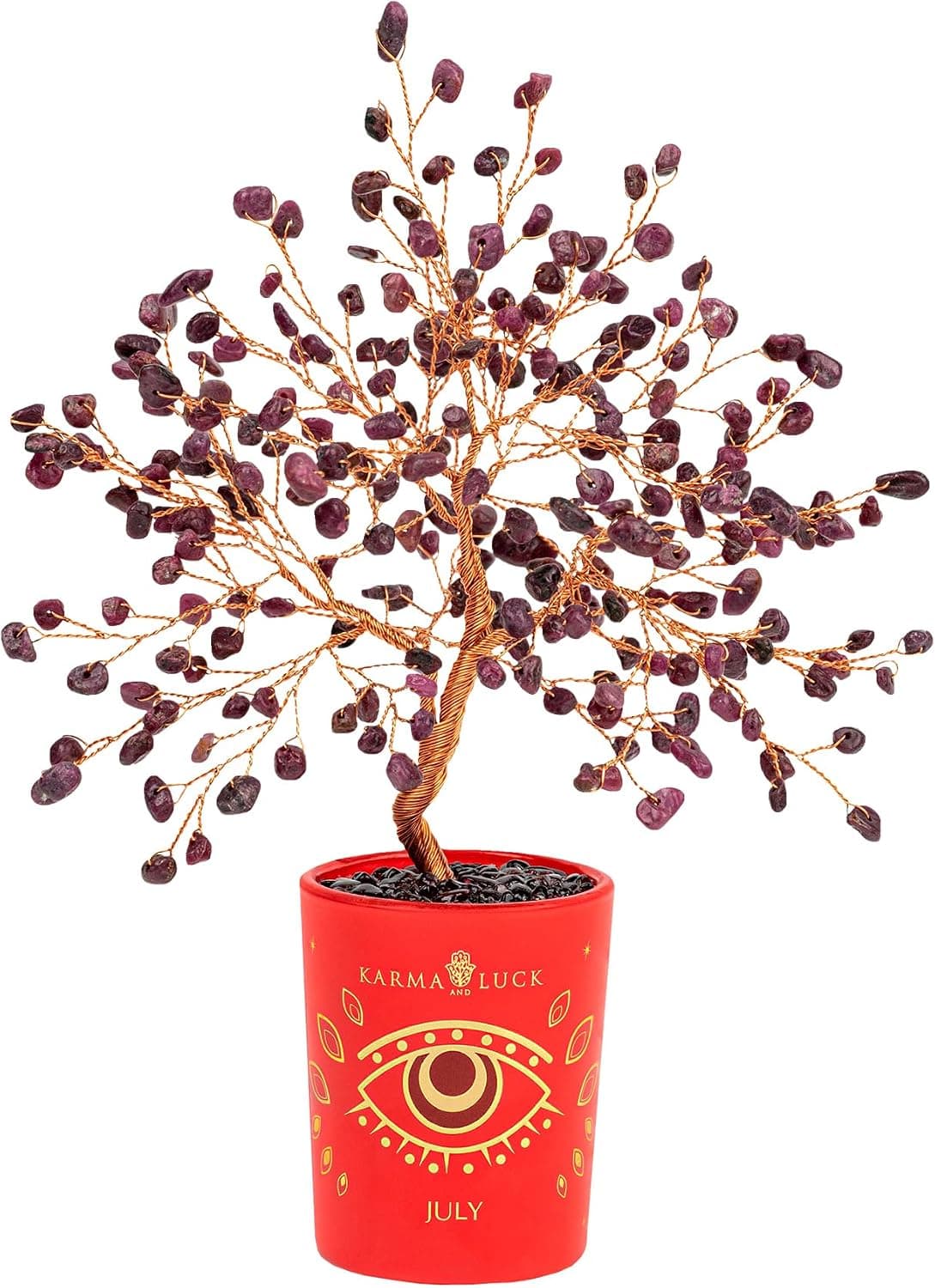 -29%
-29%Karma and Luck July Birthstone Crystal Tree of Life, Ruby Gemstone Feng Shui ...
As an Amazon Associate, we earn from qualifying purchases. We only recommend items our practitioners have personally tested.
Continue Your Journey
Explore these related guides to deepen your understanding:


Ready for Deeper Guidance?
Try our free I Ching reading for personalized wisdom, or explore our curated Feng Shui essentials.