Quartz, citrine, pyrite — the stone is almost never the problem. The room around it is. Here is the mechanism nobody explains.
Three Citrine Points and a Mirror Above Them
Three citrine points sat on a glass shelf in the far-left corner of a living room, arranged in a triangle, with a small round mirror hung above them to double the effect. The owner had read that this was the wealth corner. In the two years since she set it up, her income had risen and her savings had not moved at all.
I have never once found a crystal that was the problem. What I found in that room was a corner that collected dust, a window latch broken since spring, and a walking path that clipped the shelf every time someone crossed toward the kitchen.
That is the failure mode almost nobody writes about. Not the wrong stone — the wrong room around the right stone.
The advice you find online about feng shui crystals for wealth nearly always opens with which stone to buy and stops there. It skips the part that decides whether the stone does anything at all: whether the sector it sits in is alive, lit, and used, or dark, still, and forgotten. Get that backwards and you can own the most beautiful quartz point in the world and still feel nothing change.
What You're Actually Dealing With
A crystal is a slow object. Dense, still, cold to the touch, and in the language of the five elements it reads as metal shading into earth. It does one thing exceptionally well: it holds a quality of stillness in a specific place.
Wealth, in classical practice, is not a substance a stone can attract. It is the movement and retention of resources through a household — money arriving, money staying, money being used well rather than leaking out through repairs and impulse. That is a circulation problem long before it is a decoration problem, which is why water and wood do more work in a wealth sector than stone ever will.
The southeast sector, the one most people call the wealth corner, is governed by the trigram Xun. Wind. The kind of growth that happens incrementally, by repeated passage, the way weather reshapes a hillside. Wind moves; wind is not still. Place the stillest object in the house inside the sector that governs movement, and you have not added anything. You have subtracted.
Locating the sector correctly matters more than most people expect, because a great deal of crystal advice is written for a sector the reader has placed in the wrong room. If you want to be certain before you set anything down, start with the bagua map laid over an actual floor plan rather than over a diagram.
The Hidden Pattern: Chi Moves Like Air Through a Building
Architects describe a building with four words: threshold, circulation, light, proportion. Feng shui uses almost the same four, which is not a coincidence — both traditions are answering one question, which is whether a person can move through a space without resistance.
Trace the sequence and you will see why so many crystals fail. Input: energy arrives at the front door. Step one: the threshold either accepts it or resists it — a door that sticks in humid weather, a pile of shoes inside the swing, a mirror angled back at the entrance. Step two: circulation carries it through the rooms, or dead-ends in a hallway that fires sharp, fast-moving energy at whatever sits at the far end. Step three: the southeast corner either receives some of that movement and holds it in light and use, or it sits as a dead zone behind a sofa. Output: a sector that feels alive, or a storage unit with nice rocks in it.
A crystal placed at step three cannot fix steps one and two. It is downstream of everything.
Yin and yang are not moods. They are a ratio, and every room has one. A corner with no light, no traffic, and no use is heavily yin. Adding a dense, still, cold object to that corner pushes the ratio further in the wrong direction. This is the mechanism competitors skip: the stone is not a battery you switch on. It is a weight. And weight in a dead corner makes the corner deader.
The tell is light. In a corner that is working, the afternoon sun lands on something — a leaf, a chair arm, the curve of a bowl. In a corner that isn't, the light falls into the wall and stops.
When It Goes Wrong
The most common error I see is elemental rather than spatial. Pyrite is the darling of wealth-crystal advice because it looks like gold, and it is metal — bright, hard, cutting. The southeast sector is wood. Metal controls wood. Put a fist-sized pyrite cluster in the southeast corner of a home office and you have, in five-element terms, taken a small pair of shears to the sector you were trying to grow.
I watched this play out in a home office with a southeast window: a pyrite cluster directly under the desk lamp, eighteen months of stalled negotiations, and then one change. The pyrite moved to the west wall where metal belongs, and a jade plant took its place by the window. The owner described the room afterward as "less braced." Whether you credit the plant or the removal, the direction of the adjustment is the same.
The second failure is substitution. An amethyst cluster beside a front door that sticks in the rain is not a wealth cure; it is a polished object next to a broken threshold. I have lost count of entryways where the stone was immaculate and the door was not. Begin with the front door, its swing, and its sightline, because that is the input to the entire system and nothing downstream compensates for it.
The third is proportion. A studio apartment with nine crystals along a windowsill is not nine times as fortunate. It is a small room holding a heavy, still mass, and the space reads as crowded and faintly airless. Scale the object to the room: one stone the size of your thumb in a forty-square-foot corner outperforms a cluster you have to dust around.
Dust is the honest diagnostic. If you have stopped noticing the crystal, it has stopped doing anything.
The Real Fix, in Order
Before buying a single thing, sit in the sector at the hour you would normally be home. If you cannot see the corner's boundaries without switching on a lamp, the lamp is the first purchase. Light is not decoration in this work; it is the difference between a yang corner and a yin one, and no stone overrides it.
Then give the sector a job. A corner that holds a reading chair, a fern that gets watered, or a small desk that actually gets used is yang by default, because someone goes there and something changes there. A corner that holds only objects is a shelf, and shelves accumulate. This is why the right plant for a growing sector so often outperforms stone: a living thing introduces moisture, change, and a reason to walk across the room.
Only then place one object. One. A single citrine point at seated eye level, positioned so you see it when you enter rather than when you crouch. Height matters more than size — an object at eye level participates in the room, an object on the floor is furniture. If the sector is genuinely wood and you want a metal note anyway, put the metal in a metal sector and let a plant carry the wood. The reference on which stones belong where is worth reading before you spend money on something that fights its own room.
Then leave it alone for a full season. Xun is incremental by nature. The classical reading of wind is that it changes a landscape by passing through it repeatedly, not by arriving once, and the same holds for a corner you have just rearranged. If you are reshuffling the shelf every three weeks, you are not cultivating anything — you are decorating, and the room can feel the difference between the two.
What changed in that living room, eventually, was not the stones. The window latch got fixed. The glass shelf came down off the wall and became a low table holding a lamp and a fern, and the citrine — all three points, because she liked them — moved to where the afternoon light hit them. Her savings still did not move for another four months. But she started noticing the corner, and noticing turns out to be most of the mechanism.
Questions I Get Asked in Almost Every Consultation
Does the crystal have to be genuine stone? In classical practice the object is a marker, not a battery. A six-dollar piece of polished glass you look at every single day does more than a museum-grade quartz point you stopped seeing in week two. Material quality matters to collectors. Attention matters to the room.
How do I find the wealth corner in an apartment with an awkward floor plan? Two methods compete — the compass method, which places the sector at the southeast of the whole dwelling, and the doorway method, which maps it from the entrance. In a studio or an L-shape they rarely agree. When they don't, trust the whole floor plan first; mapping an irregular apartment explains how to handle the overlap. A corner that is genuinely southeast and genuinely used beats a corner that only satisfies one of those conditions.
Should I put a wealth crystal in my bedroom? Rarely, and never on the nightstand. The bedroom's job is yin — rest, low light, low stimulus — and a hard mineral object beside the bed adds alertness to the one room that should be soft. If your bedroom happens to sit in the southeast sector, treat it with a lamp or a plant and follow the bedroom rules that override sector cures.
How many crystals is too many? Three is already a collection in a small room. The limit is not a number, it is a proportion: once the stones carry more visual weight than everything else on the surface, they have become clutter, and clutter in a wealth sector reads as congestion rather than abundance. One good piece, cleaned weekly, is the entire practice.
Mei Chen
Traditionally informed guidance • Cross-referenced with classical Chinese source texts
Content draws from both Compass (Luopan) and Form (Xingshi) school traditions. Illustrative examples are composites based on consultation experiences.
Practitioner-Selected Tools for This Topic
Items our team has tested and found effective for the principles discussed above. Individual results may vary.
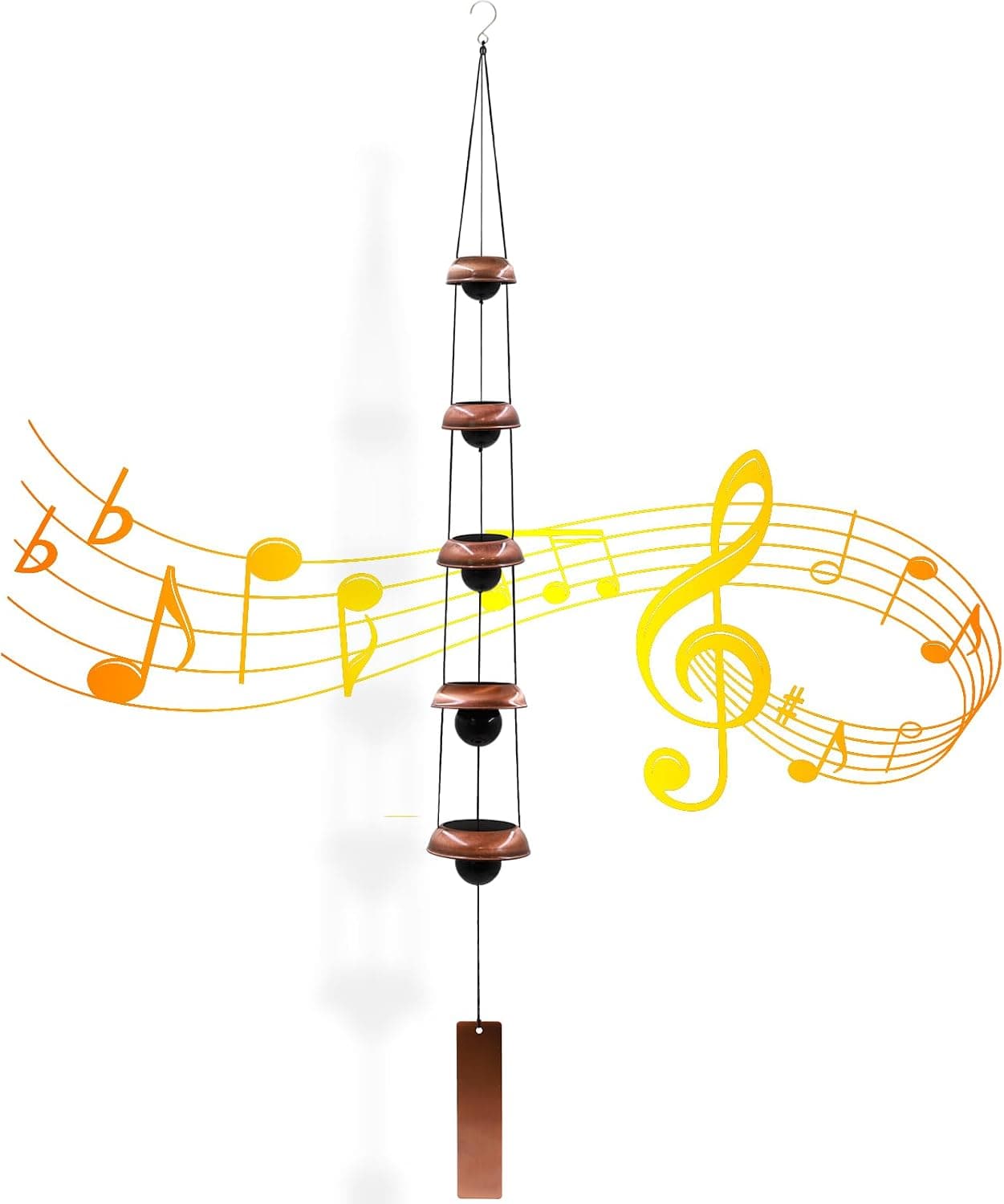 -19%
Wind Chimes for Outside with 5 Bell Unique Copper Musical Chimes Feng Shui Wi...
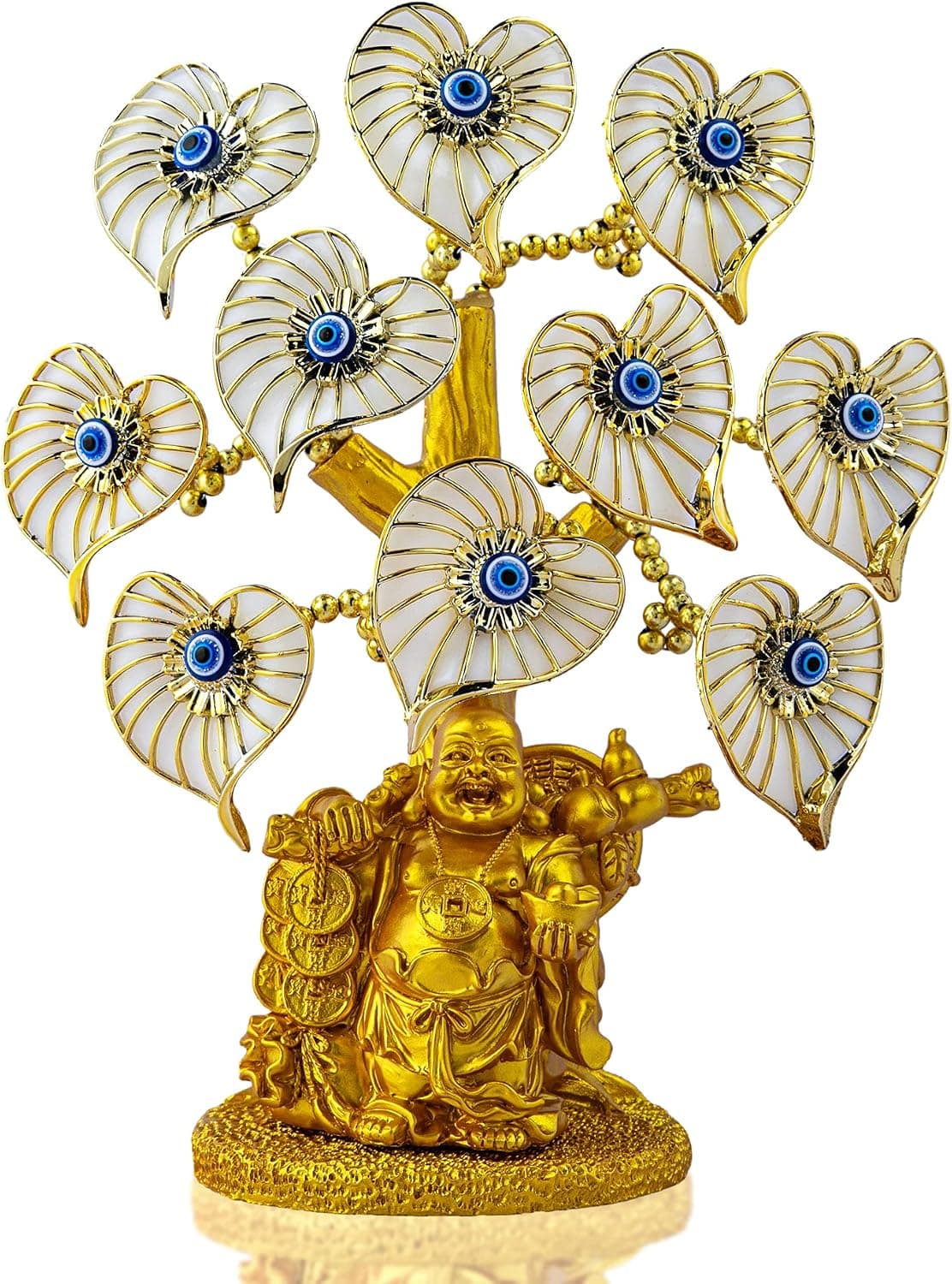 -5%
YU FENG Evil Eye Money Tree, Blue Feng Shui Decor with Golden Buddha
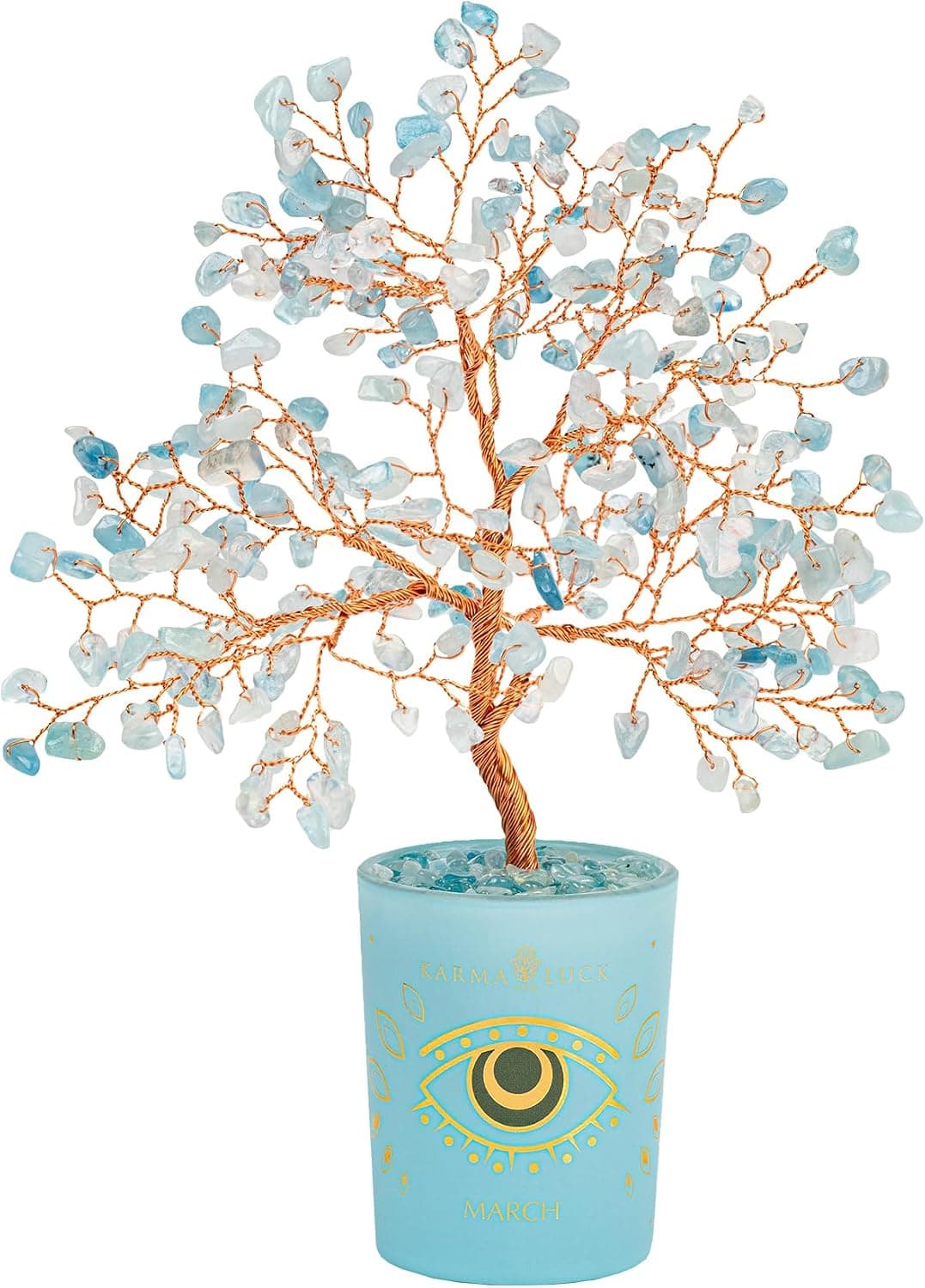 -29%
Karma and Luck March Birthstone Crystal Tree of Life, Aquamarine Gemstone Fen...
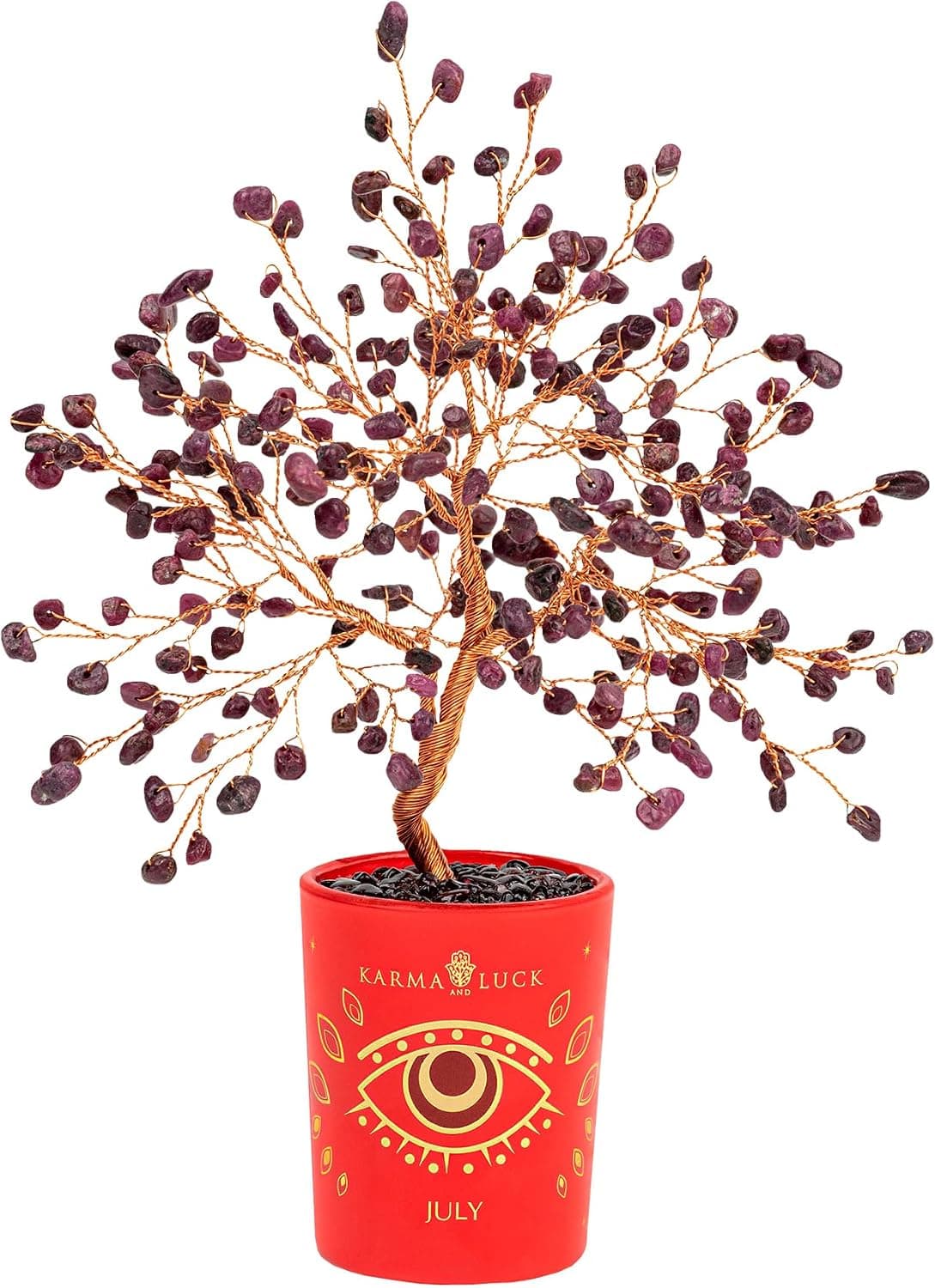 -29%
Karma and Luck July Birthstone Crystal Tree of Life, Ruby Gemstone Feng Shui ...
As an Amazon Associate, we earn from qualifying purchases. We only recommend items our practitioners have personally tested.
Continue Your Journey
Explore these related guides to deepen your understanding:


Ready for Deeper Guidance?
Try our free I Ching reading for personalized wisdom, or explore our curated Feng Shui essentials.