Buy the wrong crystal and you get decoration; buy the right one and the room changes fast.
Some crystals solve a room. Others just collect dust on a nice tray.
Last spring I stepped into a compact home office in Oakland where a middle school teacher had already spent close to $300 at a crystal shop. On the walnut desk sat an amethyst tower, a blue sphere, and a little dish of tumbled stones, all neatly lined up beside a laptop and three overdue invoices. The arrangement looked thoughtful, but the room still felt jumpy. Her chair faced a blank wall, a glaring white lamp was pointed straight at her eyes, and the crystal collection was doing nothing to calm the space.
In my experience, that is the most common shopping mistake. People buy for appearance first, then wonder why nothing changes. A real crystal selection strategy starts with the room’s job, not the shop display. If a bedroom needs rest, you do not shop like you are decorating a lobby. If a desk needs focus, you do not choose a stone just because it photographed well next to a candle.
The smartest feng shui crystal shop buying guide begins with one question: what is missing in this space? Calm, clarity, momentum, protection, warmth, or simply less clutter? Once that answer is clear, the purchase gets easier and usually cheaper. I have seen people spend less than $20 and get a better result than someone who bought a whole shelf of polished stone.
One thing most people don’t realize is that crystals amplify the message of the room. If the room is chaotic, a crystal does not magically hide that fact. It either supports a clear intention or becomes another object competing for attention.
For a bedroom that feels restless, buy one calming piece and leave it alone.
If a bedroom is too bright, too electronic, or mentally busy, I usually start with amethyst or rose quartz. Amethyst is the better fit when the problem is racing thoughts, late-night work, or that wired feeling that keeps people scrolling at 1 a.m. Rose quartz tends to work better when the room feels tense in a softer, more emotional way. Put the stone on a bedside table, not under the pillow, and keep it away from cords, mirrors, and charging stations.
I once worked in a small guest room in a pale blue house in Portland. The room had a mirrored closet, two matching lamps, and a large bowl of mixed stones on the dresser. It was pretty, but sleep was miserable. We removed the bowl, left a single medium amethyst cluster on the right nightstand, and covered the mirror with a linen scarf after dark. The owner texted me five days later and said, almost with surprise, that the room felt “softer” the minute she closed the door.
That kind of change is why placement matters more than buying a bigger stone.
If you want help with the next step, use this placement-first approach so you do not end up putting a sleeping stone in a working corner.
For the front entry, choose one stone that welcomes instead of crowds.
The front door should feel clear. It should not look like a crystal flea market. Clear quartz is often the easiest choice here because it brightens without weighing the area down visually. If your entry is narrow, dark, or awkwardly shaped, one quartz point near a small table or shelf can make the space feel more open and intentional. It is not about superstition. It is about reducing visual friction the moment someone walks in.
I've seen this in over 200 homes: the entry is where people accidentally overdo it. In a Chicago condo hallway, a software engineer had lined up five stones beside his keys, plus a tiny brass dragon and a stack of mail. The whole thing looked busy enough to make you exhale differently. We cleared everything except one clear quartz point and a simple bowl for keys. The hallway immediately felt calmer, and he later said he stopped dropping his bag in the middle of the floor.
For more on what the door area tends to collect, read how the front door sets the tone before you buy anything decorative for the entrance.
For money work, pick one stone with a real assignment.
This is where people overspend fastest. They see “wealth crystals” online and come home with a pile of shiny objects that all mean slightly different things. For practical money support, citrine is usually the easiest place to begin because it is bright, direct, and easy to put on a desk or near a side-business station. Pyrite feels more assertive and structured, which suits sales calls, contracts, and project pushes. Jade is steadier and better for gradual accumulation than quick movement. Do not buy all three unless you have a very specific reason.
Where should money stones go? Not in the drawer where bills go to die. Put them where financial decisions actually happen, such as a desk, paperwork shelf, or budgeting station. The stone should remind you to stay focused, not become a shrine to anxiety. Money objects can sharpen discipline, but they can also feed worry if you place them in the wrong part of the house.
If you are building abundance support at home, pair that intention with other useful wealth-corner pieces instead of buying extra crystals just because the salesperson suggested a bundle.
For a child’s room or study area, keep the crystal simple and sturdy.
Children usually do better with straightforward support. They do not need dramatic folklore or oversized specimens. A small clear quartz piece can support concentration, while a modest amethyst is often enough for a child who gets overstimulated at bedtime. Choose something easy to clean and difficult to knock over. In this setting, less ceremony is better feng shui.
I remember one family with a homework nook squeezed under a shelf full of stuffed animals, comic books, and a huge purple geode the mother had bought on impulse. The geode was beautiful, but the desk beneath it felt like it was competing with four different hobbies. We moved the geode to a living room shelf, placed one small quartz near the pencil cup, and cleared the overhead shelf. Homework became faster, not because the crystal was magical, but because the space finally stopped shouting.
If you are buying online or in person, verify the stone before you spend much. A polished fake can still be pretty, but it should be priced as décor, not sold as a tool. Read how to spot fake crystals before you commit.
For a gift, buy flexibility, not symbolism.
Gift shopping is where good intentions get fuzzy. A crystal that feels deeply meaningful to you may be awkward in someone else’s home. That is why clear quartz, rose quartz, and a modest amethyst piece make the safest gifts. They are easy to place, easy to understand, and unlikely to clash with a person’s style or existing décor.
Smaller gifts usually work better than large statement pieces. A crystal that fits neatly on a windowsill, desk, or nightstand gets used. A crystal that requires a shelf makeover becomes a problem the recipient has to manage. The best gift is one that supports a room without demanding attention.
Practicality is a form of respect.
Budget should guide the buy, not the other way around.
If your budget is under $20, buy one polished stone and learn how to place it properly before you spend another dollar. If you can spend $20 to $60, choose one medium piece that matches a single room goal. If you are working with $60 or more, spend the extra money on shape, quality, and proportion, not size alone. A well-cut medium stone often does more than a flashy oversized one because it actually fits the room.
I have watched people pay $120 for a giant specimen that ended up stranded on a bookshelf, while a $14 quartz point on a working desk changed the feel of the whole office. Price is not the same thing as feng shui value. The object has to land in the right place and support a real need.
| Item | Best for | Price range |
|---|---|---|
| Clear quartz point | Front entry, desk, general clarity | $10–$40 |
| Amethyst cluster | Sleep, stress relief, calm bedrooms | $15–$80 |
| Citrine stone | Money corner, sales desk, business focus | $12–$70 |
| Pyrite piece | Action, contracts, work momentum | $15–$90 |
| Rose quartz | Relationship support, gentle bedroom energy | $10–$50 |
If you buy only one thing, let it solve one problem.
The quickest way to waste money is to shop for “a little of everything.” That feels safe, but it usually produces vague results. If sleep is the issue, buy one calming stone and place it correctly. If work focus is the goal, buy one office-friendly crystal and keep the desk clear. If the entry feels dull, choose one bright piece and let it do its job without competing with the keys, mail, and shoes.
This is the heart of any sensible feng shui crystal shop buying guide: match the stone to the room, the room to the problem, and the problem to one clear intention. When you do that, the crystal stops being a souvenir and starts acting like part of the environment.
And yes, sometimes the right answer is to buy fewer crystals, not more.
FAQ
What is the best beginner crystal to buy first?
If you want the easiest all-around starter, choose clear quartz. It works in entryways, work areas, and general spaces without making the room feel overly themed. If your main issue is sleep, I would switch that answer to amethyst.
Should I buy a crystal set or one stone at a time?
One at a time wins for most people. Sets are tempting because they look complete, but they often scatter your attention. Buy for one room and one goal, then expand only if the first piece is actually doing its job.
Do expensive crystals work better?
Not in my experience. A stone’s usefulness has more to do with quality, placement, and fit than with price. I have seen modest pieces outperform expensive displays because they were chosen with discipline and used consistently.
Can I use a crystal from a shop if I do not know exactly what it does?
You can, but I would not rush it. If you cannot explain why you want the stone, pause and keep shopping. The crystal should serve a need you understand, not create a mystery you have to manage later.
Mei Chen
Traditionally informed guidance • Cross-referenced with classical Chinese source texts
Content draws from both Compass (Luopan) and Form (Xingshi) school traditions. Illustrative examples are composites based on consultation experiences.
Practitioner-Selected Tools for This Topic
Items our team has tested and found effective for the principles discussed above. Individual results may vary.
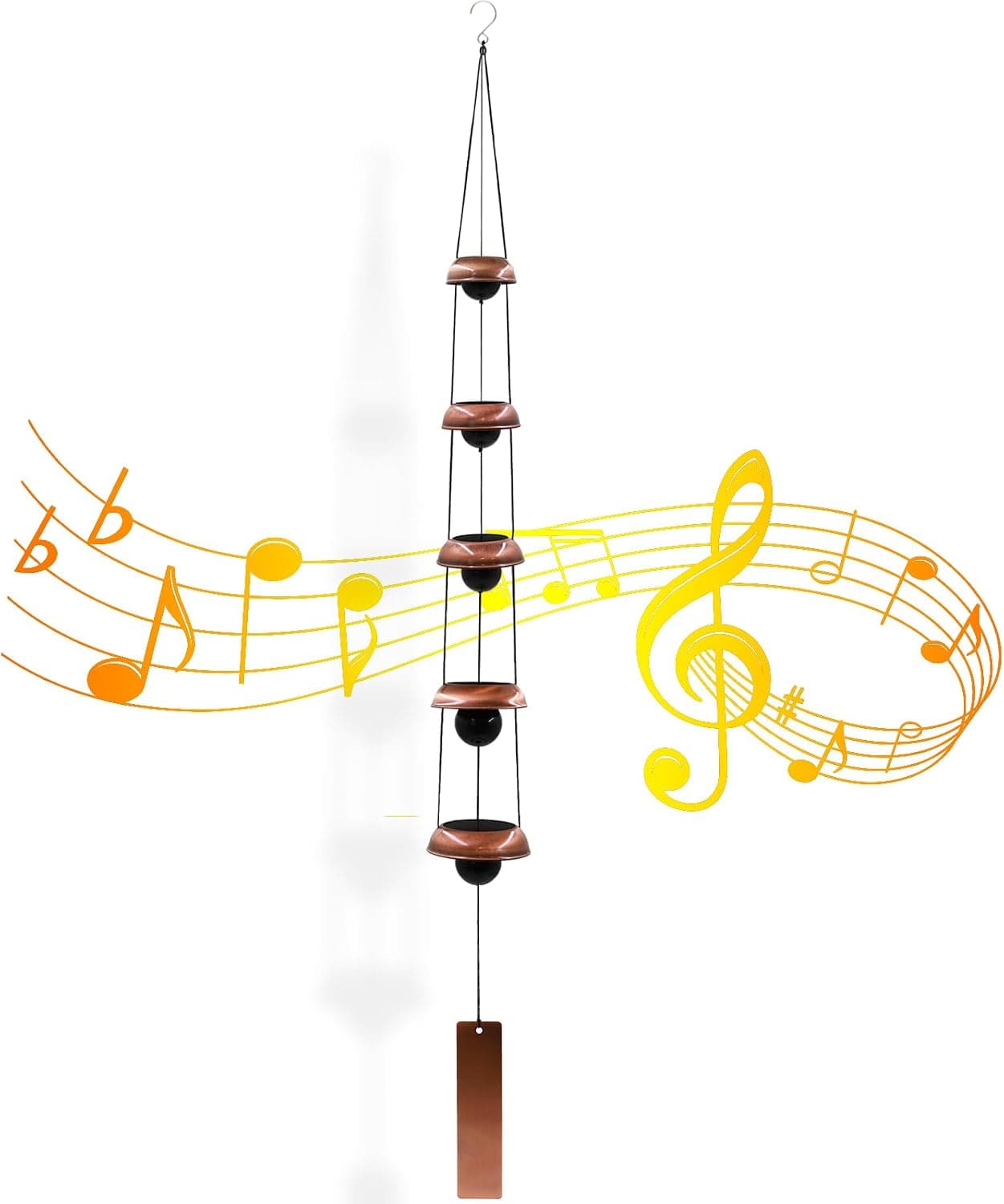 -19%
-19%Wind Chimes for Outside with 5 Bell Unique Copper Musical Chimes Feng Shui Wi...
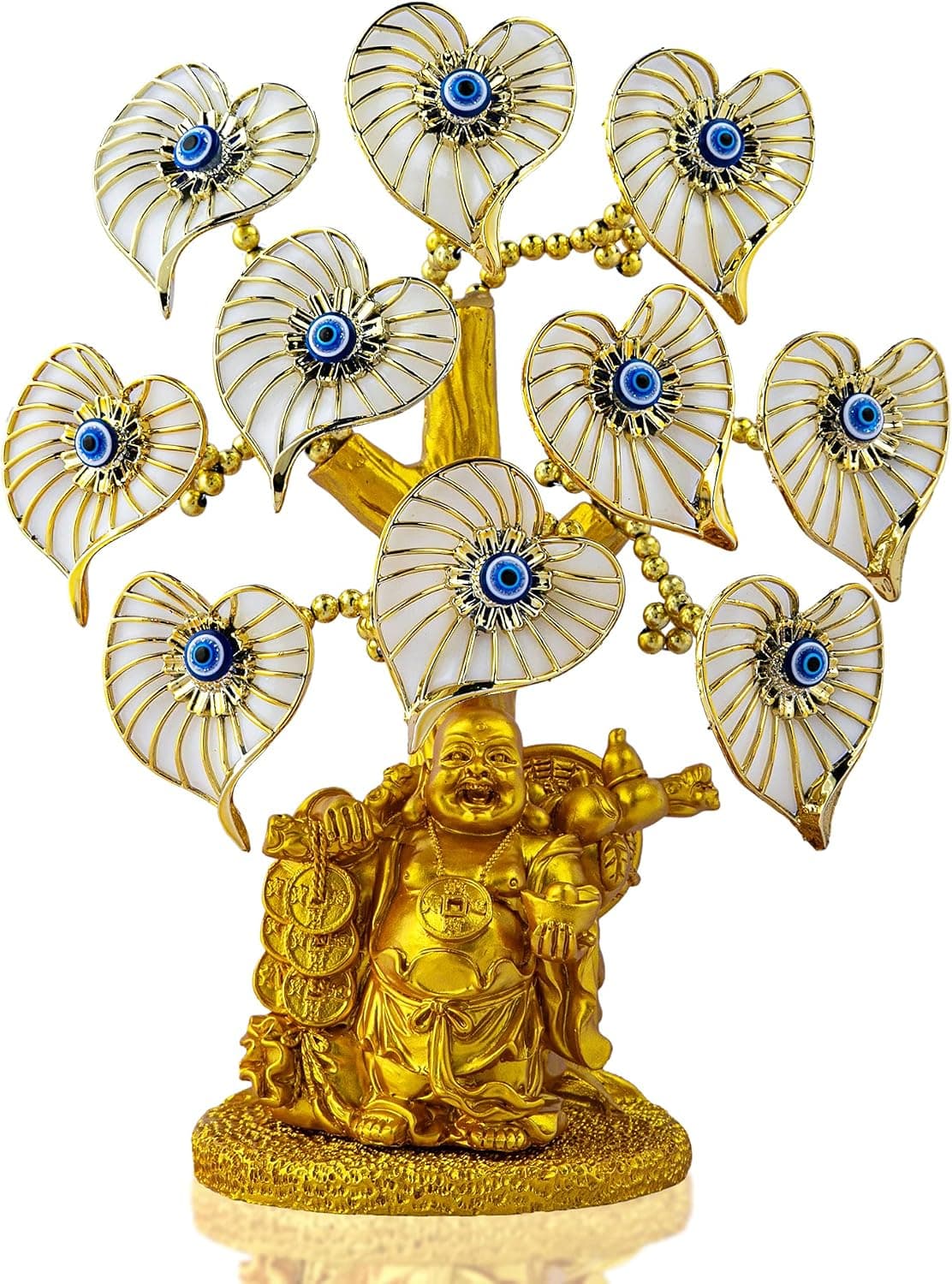 -5%
-5%YU FENG Evil Eye Money Tree, Blue Feng Shui Decor with Golden Buddha
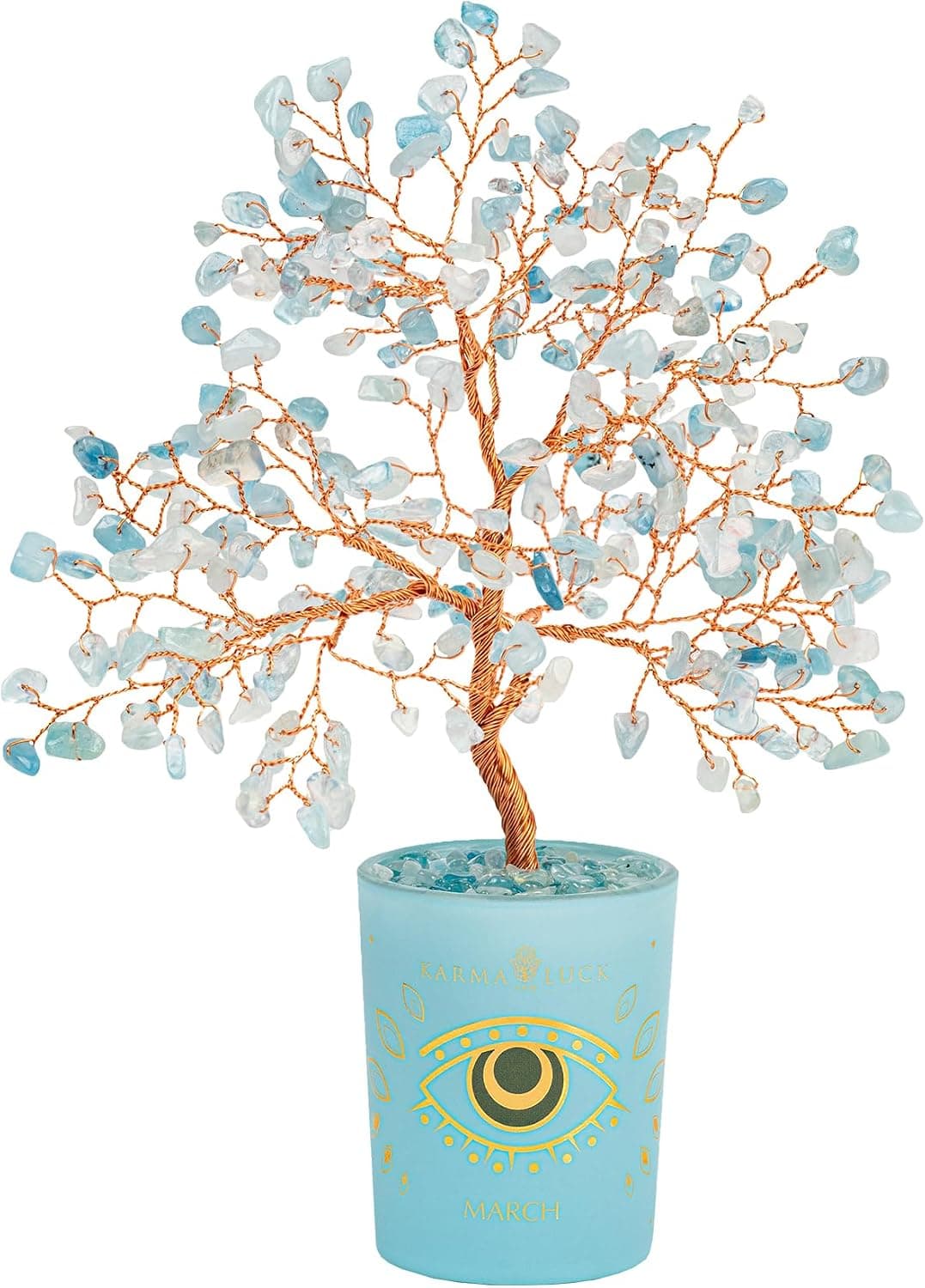 -29%
-29%Karma and Luck March Birthstone Crystal Tree of Life, Aquamarine Gemstone Fen...
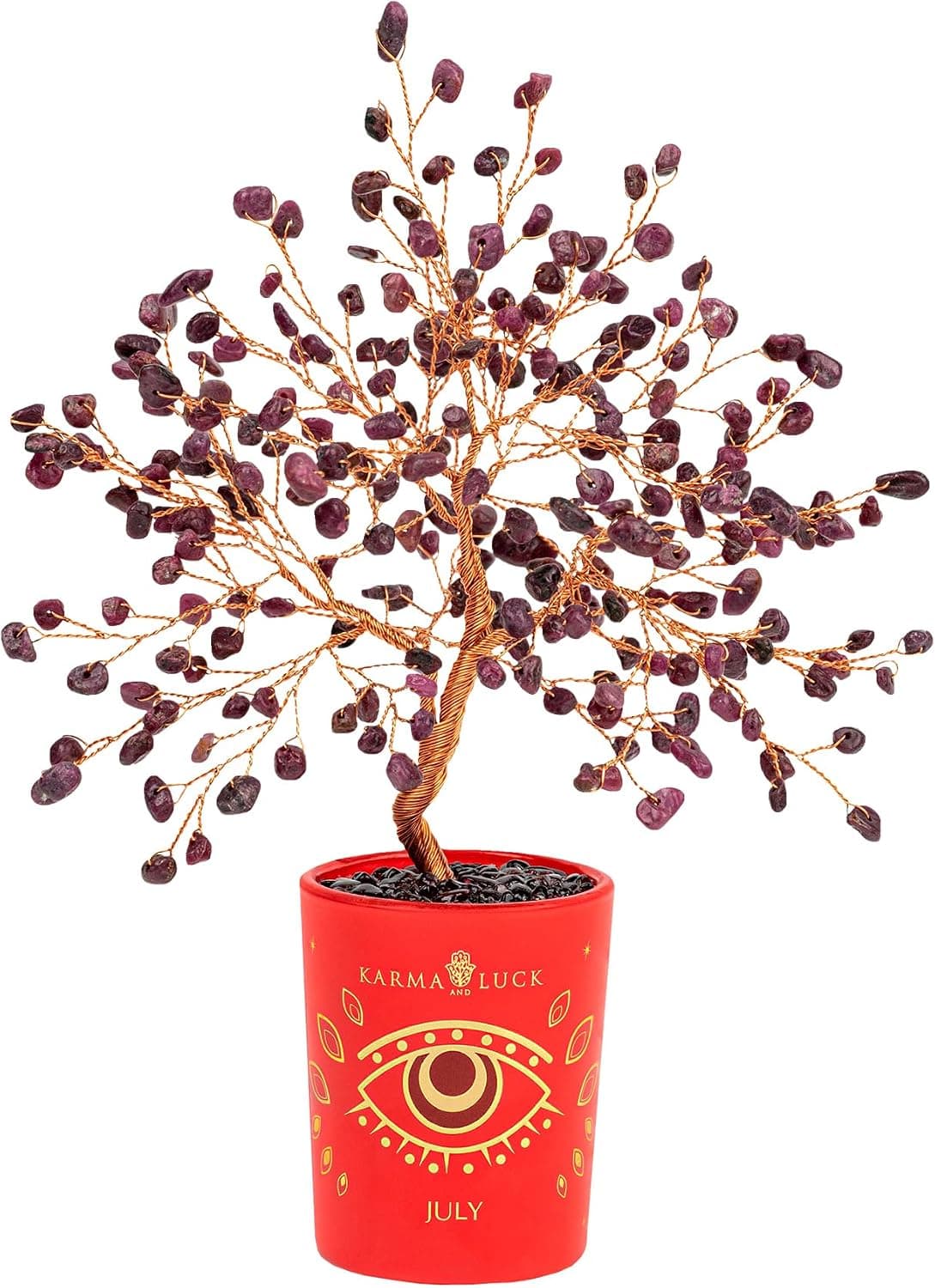 -29%
-29%Karma and Luck July Birthstone Crystal Tree of Life, Ruby Gemstone Feng Shui ...
As an Amazon Associate, we earn from qualifying purchases. We only recommend items our practitioners have personally tested.
Continue Your Journey
Explore these related guides to deepen your understanding:


Ready for Deeper Guidance?
Try our free I Ching reading for personalized wisdom, or explore our curated Feng Shui essentials.